Category: Festivals

Events & Festivals

  • A Tapestry of Love: Mother’s Day Blooms Brightly at Lalitpur Children’s Home, Embracing the Spirit of Mata Tirtha Aunsi

    A Tapestry of Love: Mother’s Day Blooms Brightly at Lalitpur Children’s Home, Embracing the Spirit of Mata Tirtha Aunsi

    Heartfelt emotion filled the Lalitpur Children’s Home as children, devoted caregivers, and supportive staff came together for a truly meaningful Mother’s Day celebration. Laughter and quiet expressions of affection echoed through the air, a testament to the deep bonds nurtured within the home.

    This special day holds profound significance in Nepal, where Mother’s Day-known as Mata Tirtha Aunsi- is a cherished occasion honouring maternal love and gratitude. Observed annually around the new moon of Baishak in the Hindu Lunar Calendar, the festival, as known as Aamako Mukh Herne Din (Mother’s Day), invites all to express heartfelt devotion to maternal figures.

    Understanding the Heart of Mother’s Day and Mata Tirtha Aunsi

    More than just a date on the calendar, Mata Tirtha Aunsi is a poignant reminder of the vital role maternal figures play in shaping young lives. It is a day to honour their unseen emotional labour, countless sacrifices, and unwavering love. For the children at the Lalitpur Children’s Home, caregivers are more than providers – they are pillars of stability, sources of comfort, and guiding lights.

    Throughout Nepal, this day is observed with deep reverence and joy, extending beyond simple gratitude to include meaningful blessings, offerings, and rituals. It is a moment for communities and families alike to reconnect with the essence of love, nurturing, and care.

    A Festive Meal of Togetherness, Rooted in Tradition

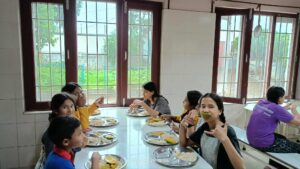
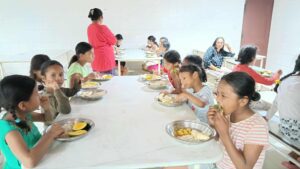
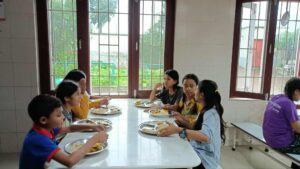
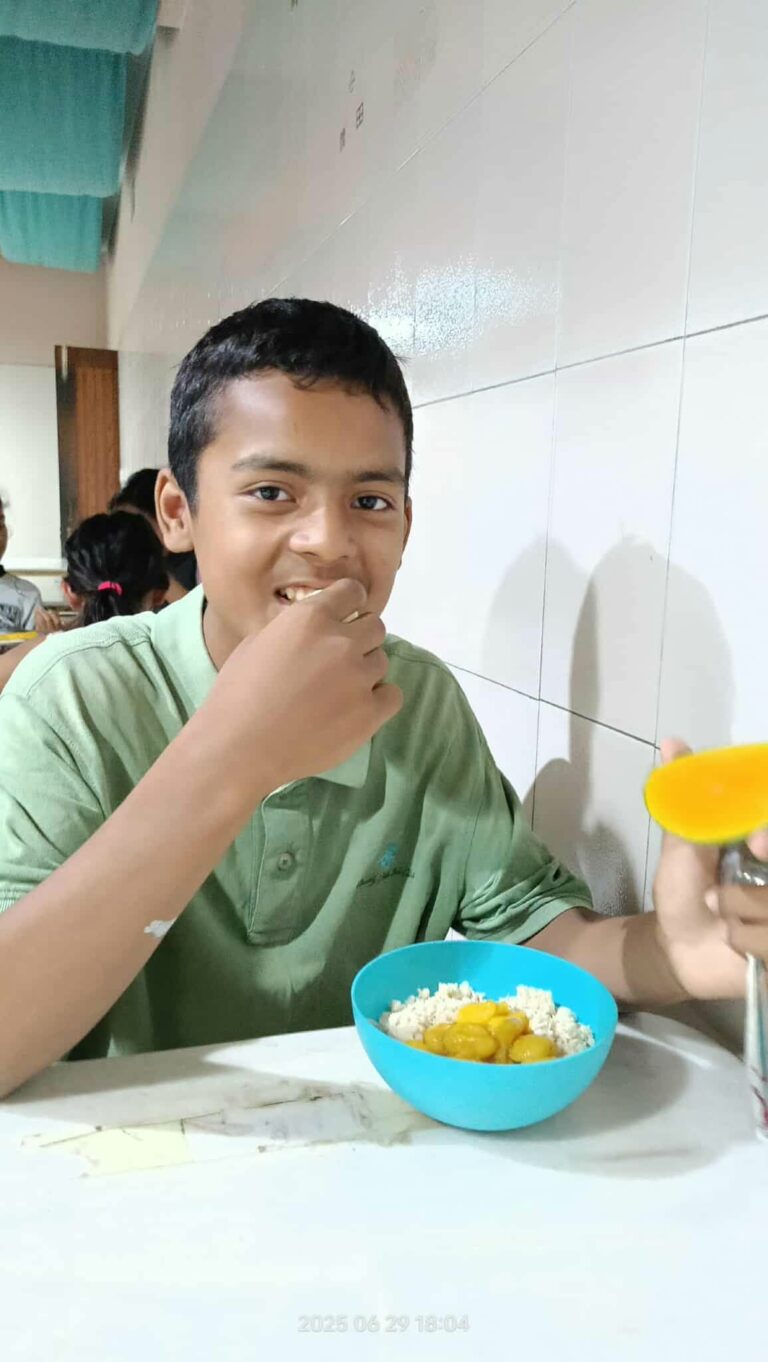
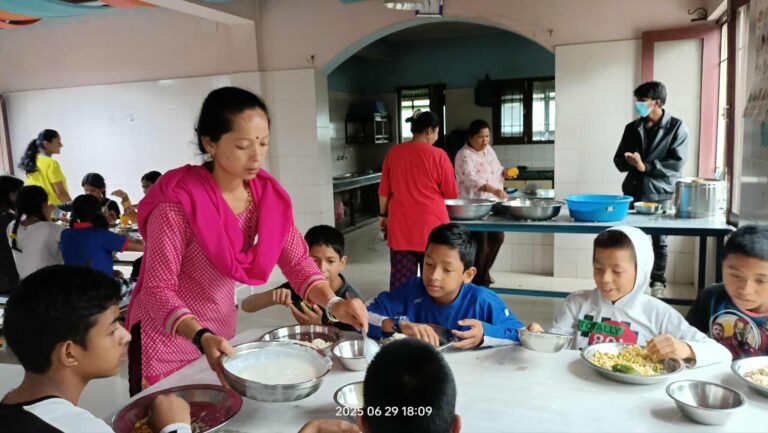
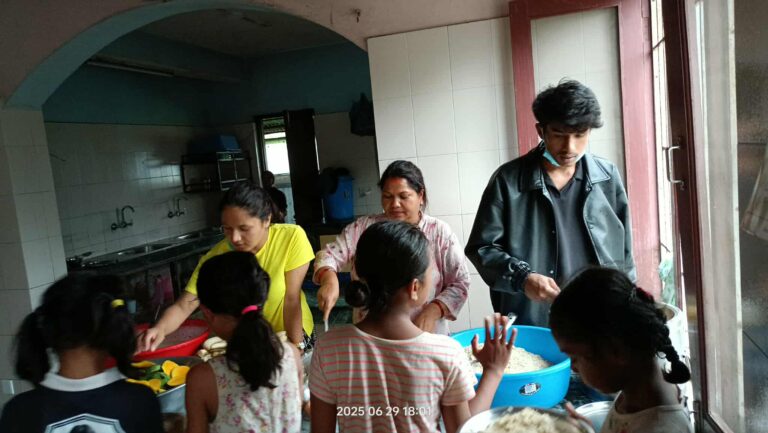
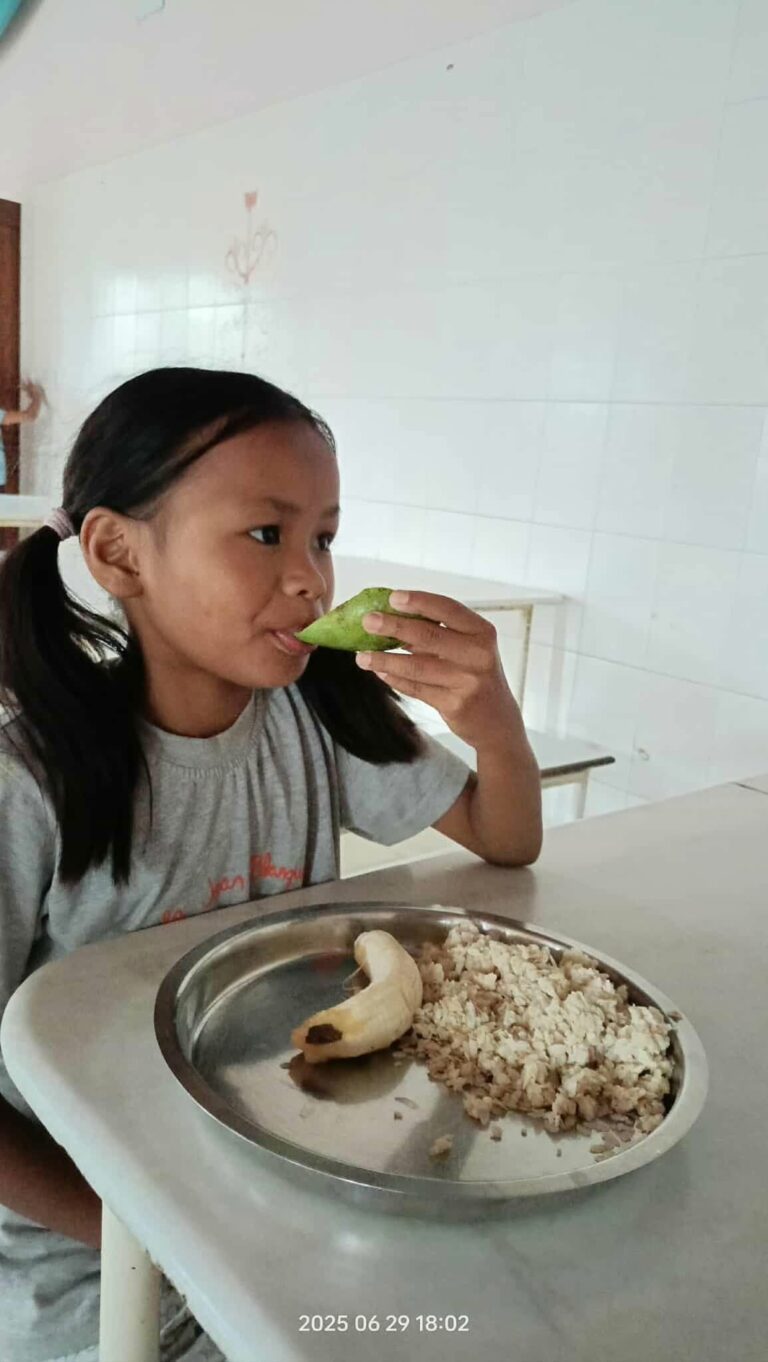
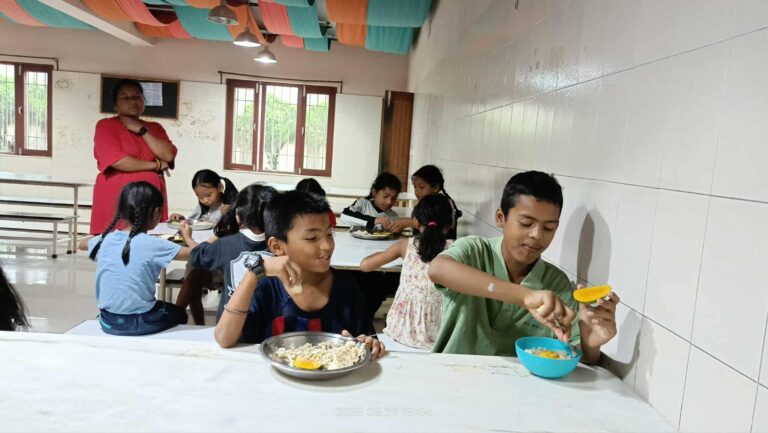
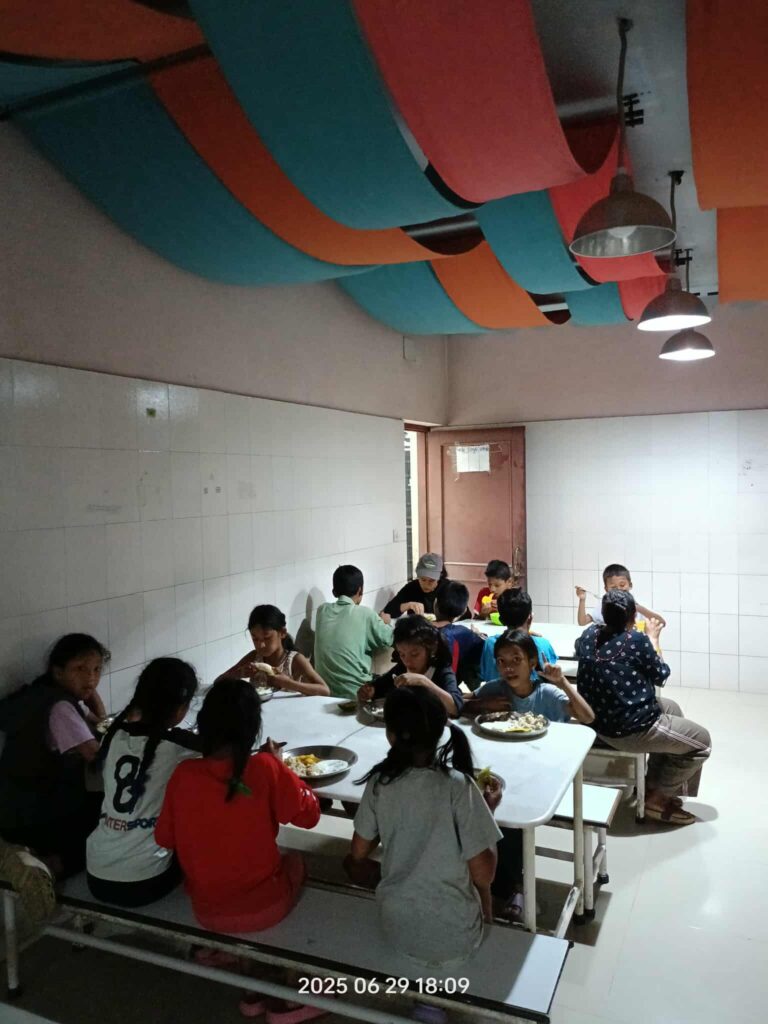
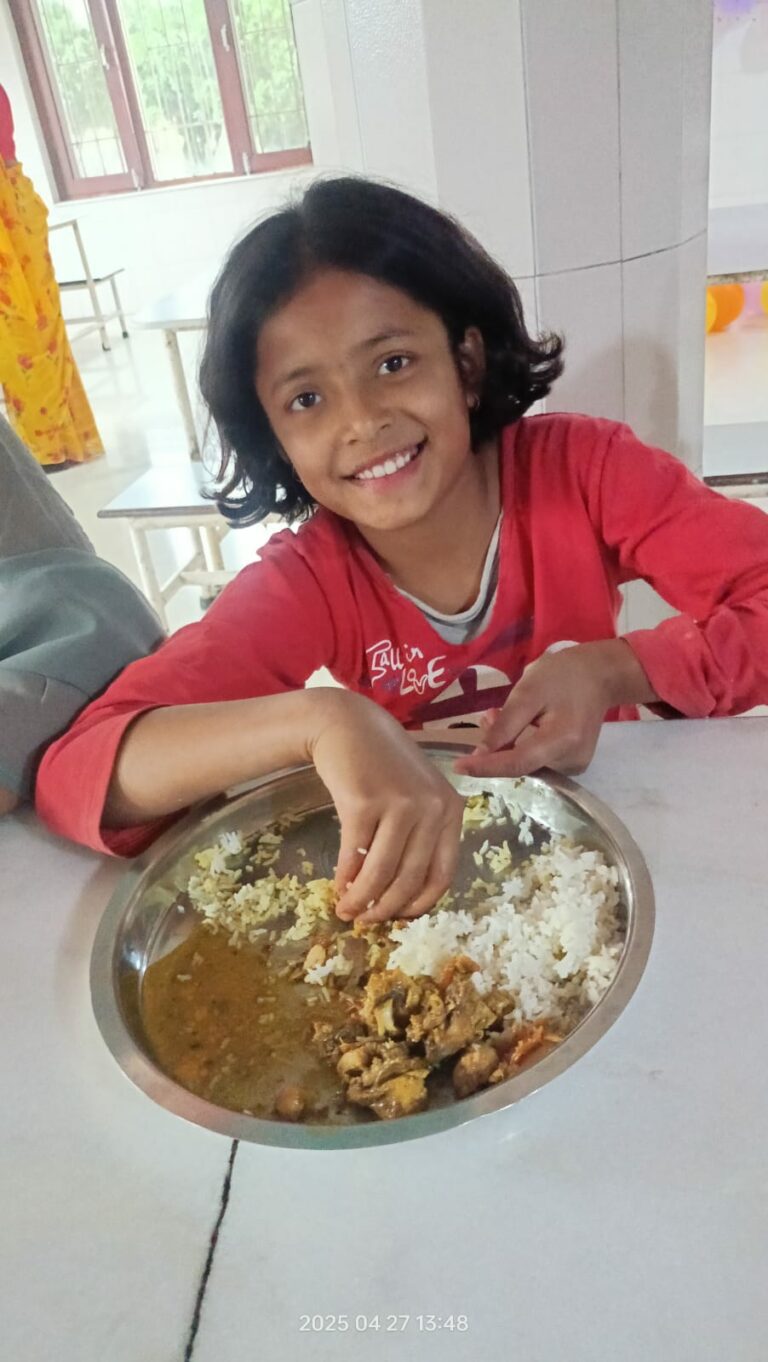
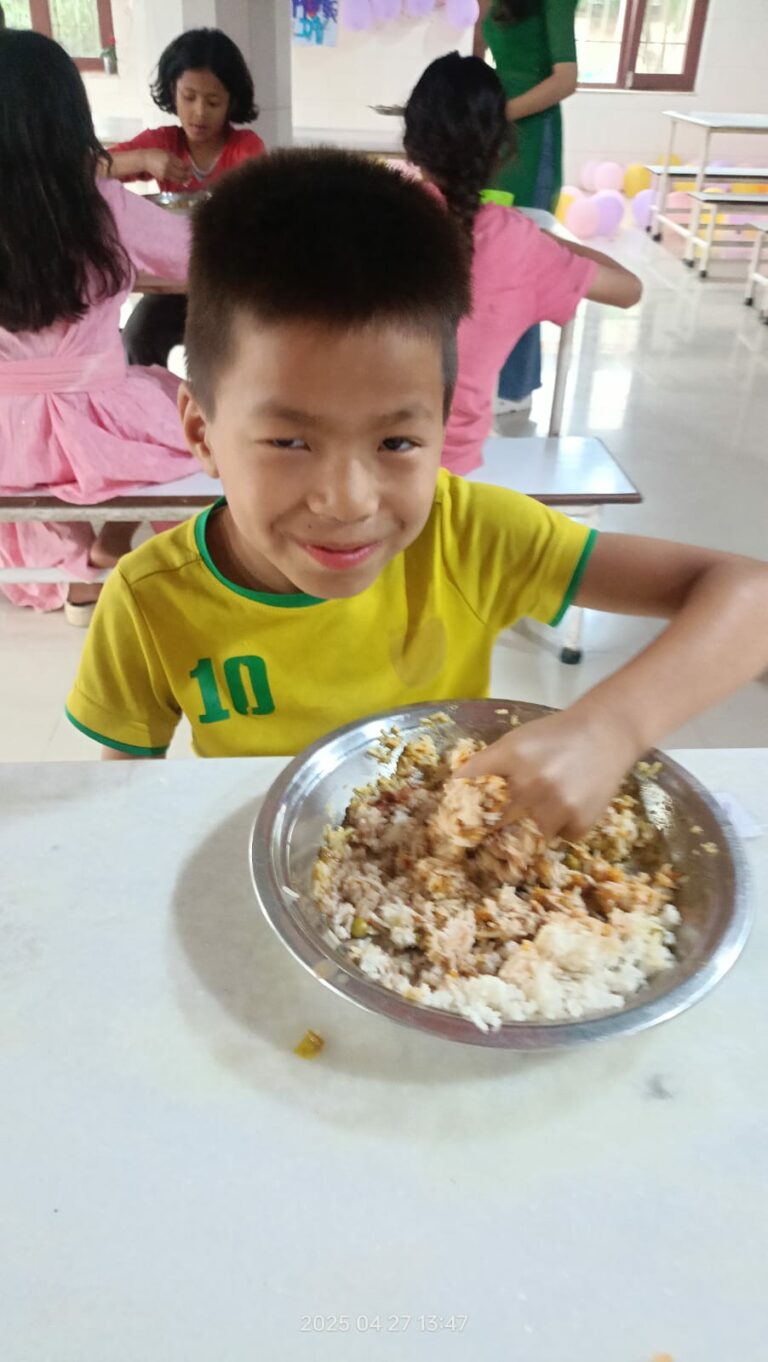
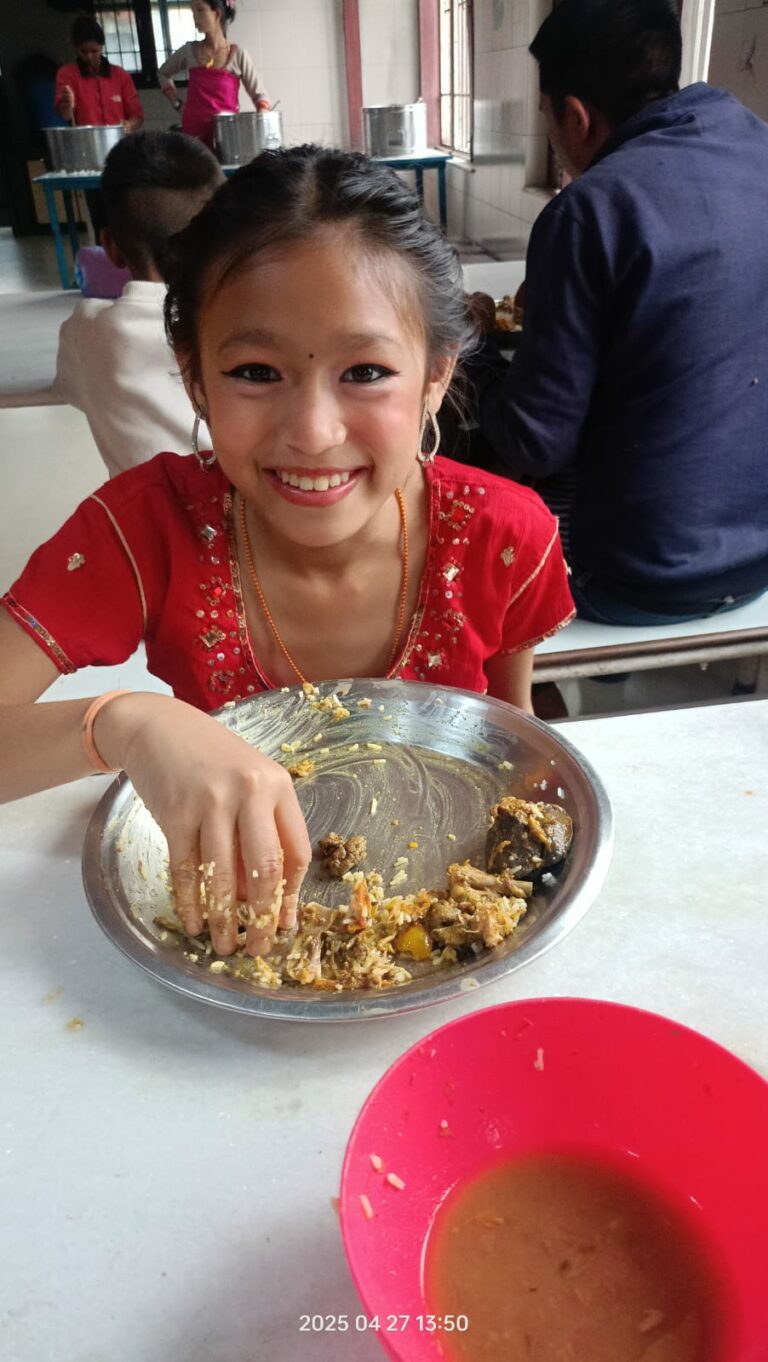
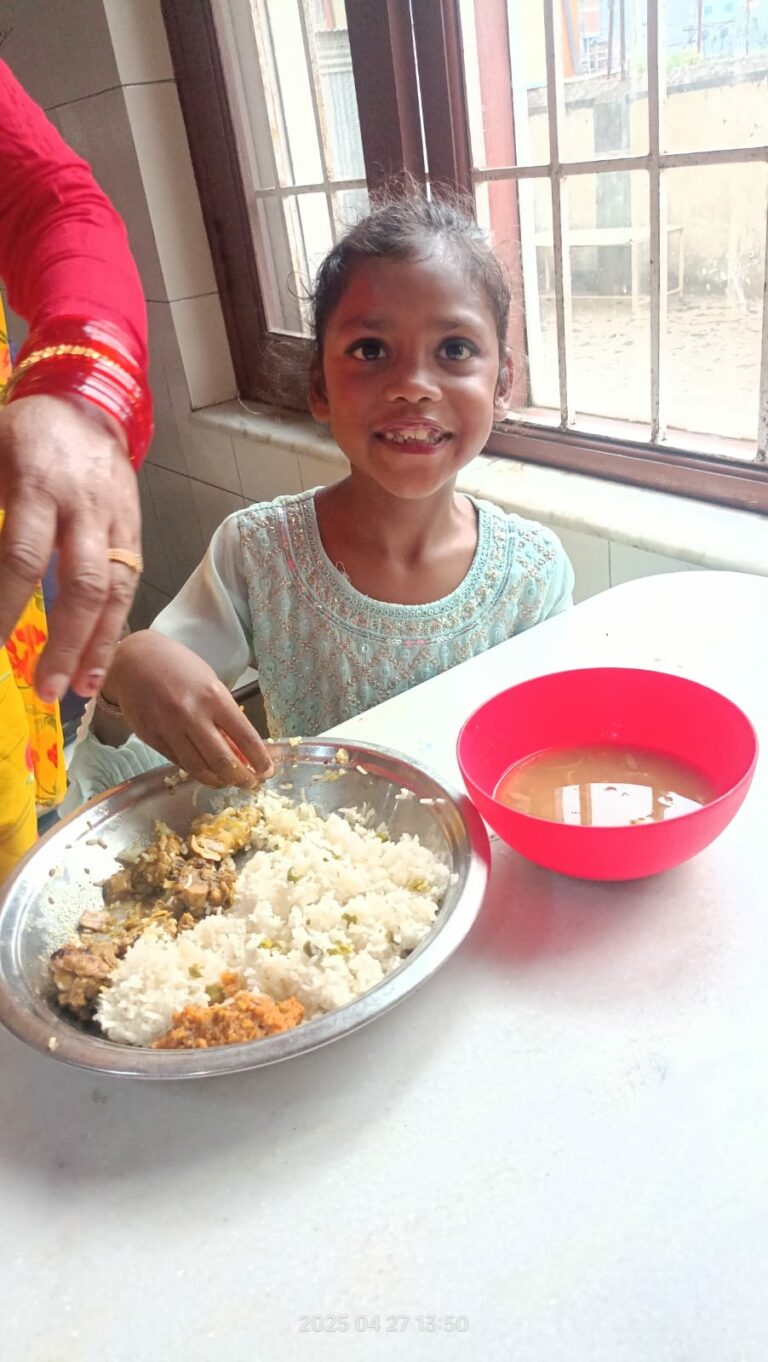
    The celebration began with warm and communal lunch at 1 P.M. Tables were laid with a comforting meal of meat and rice, lovingly prepared and eagerly enjoyed. More than just nourishment, this shared meal represented unity- a family-style gathering filled with laughter, storytelling, and the quiet comfort of shared experiences. It mirrored countless similar gatherings across the country during Mata Tirtha Aunsi, where family and food come together in celebration.

    The Sacred Tika Ceremony: A Blessing Love

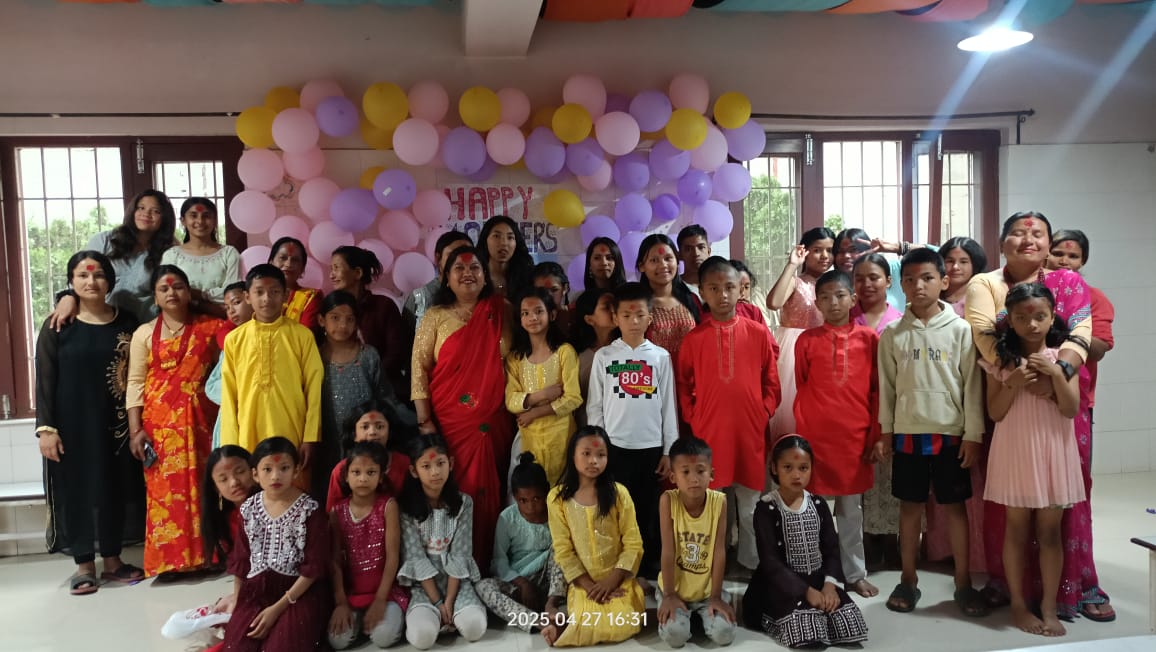
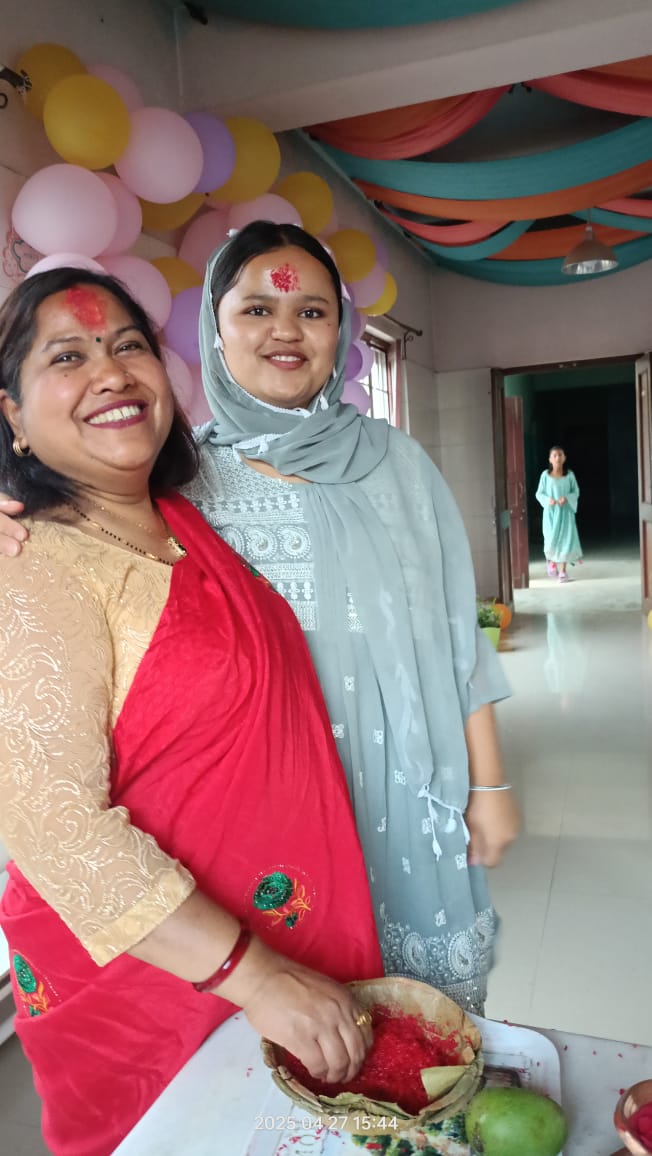
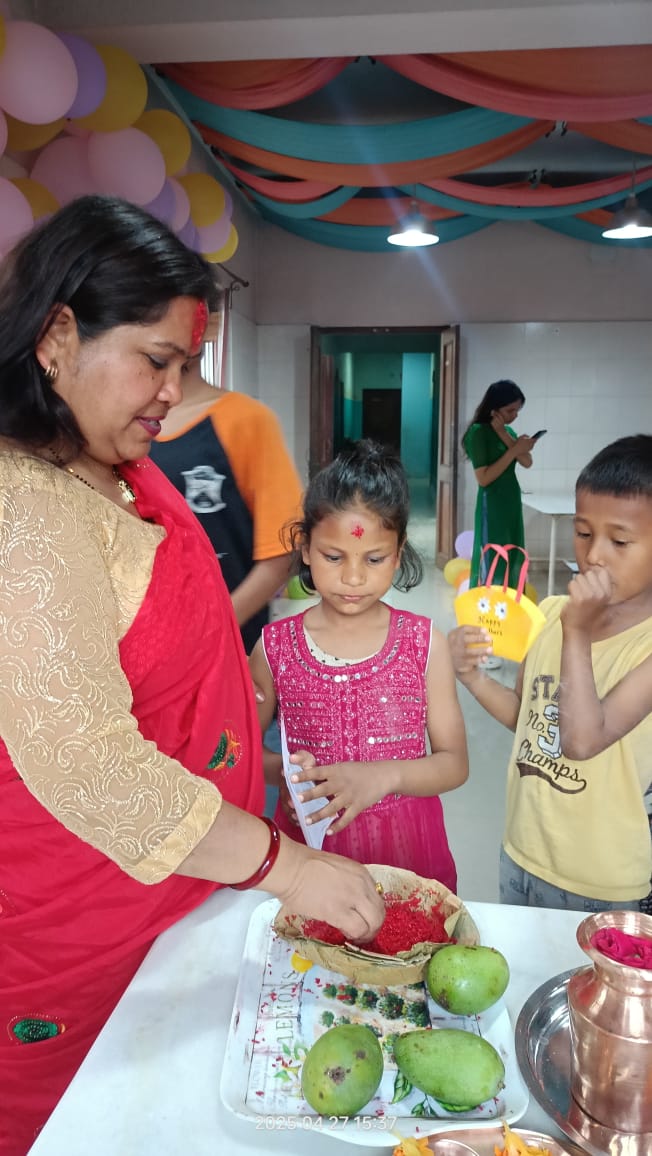
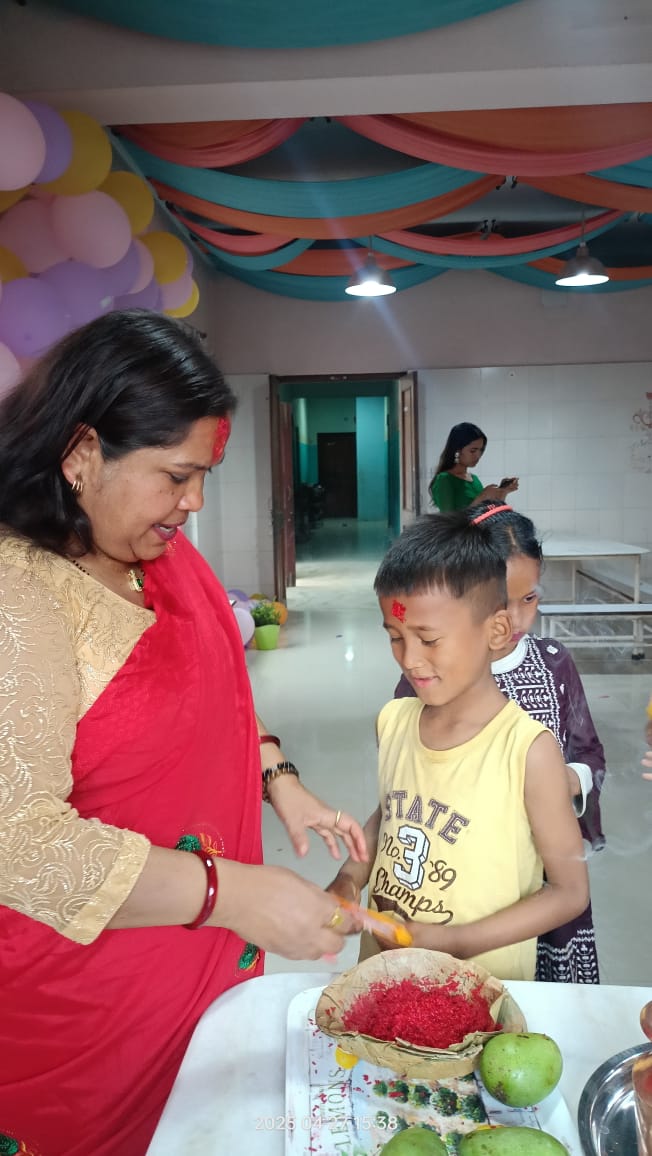
    At 3 P.M., as the afternoon sun softened over Lalitpur, the traditional tika ceremony began. Each child, eyes shining with anticipation, stepped forward to receive the auspicious red mark on their forehead from Miss Saru. This time-honoured gesture, deeply rooted in Hindu culture, symbolizes love, protection, and blessings.

    In the quiet, sacred moment, every child was reminded that they are cherished. The tika served as a spiritual anchor-a moment of affirmation and belonging, resonating with the festival’s spirit across homes and temples alike.

    Handmade Tokens of Gratitude: A Child’s Heartfelt Expression

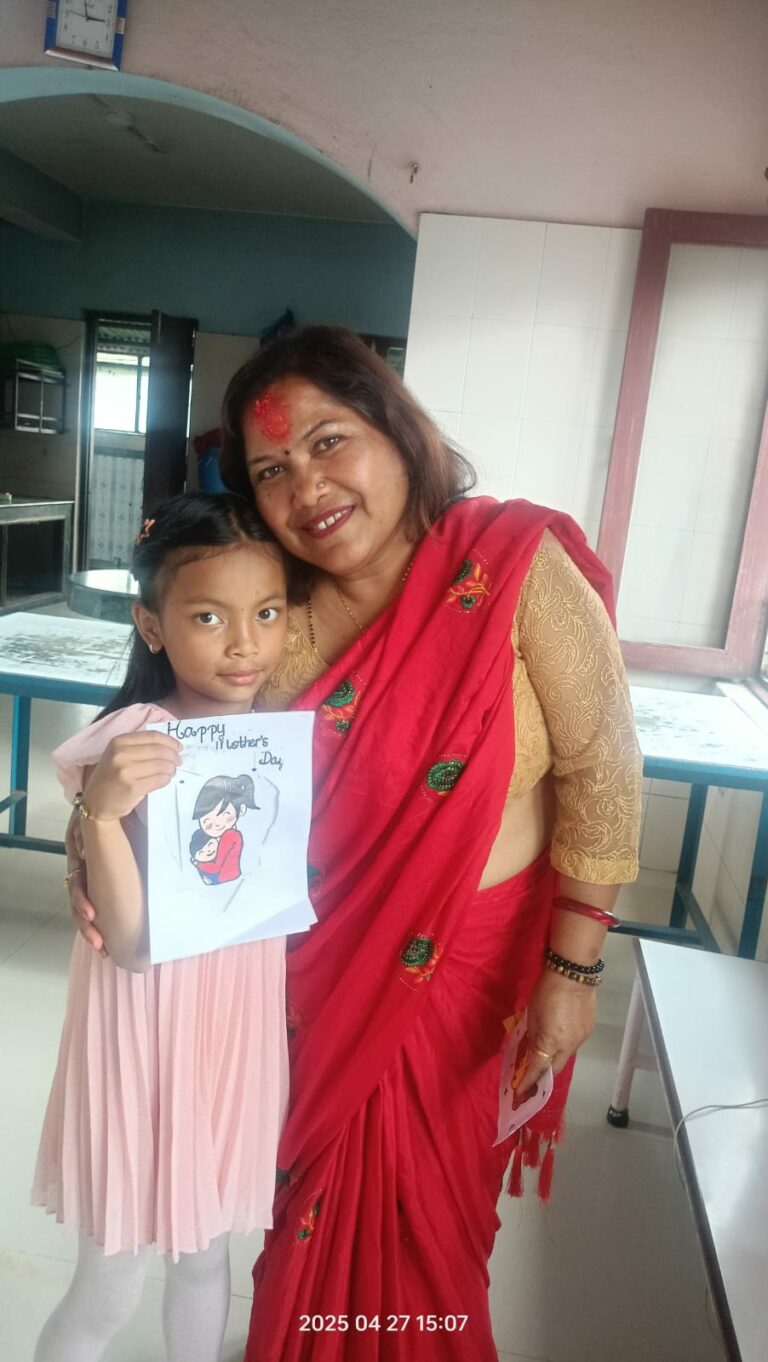
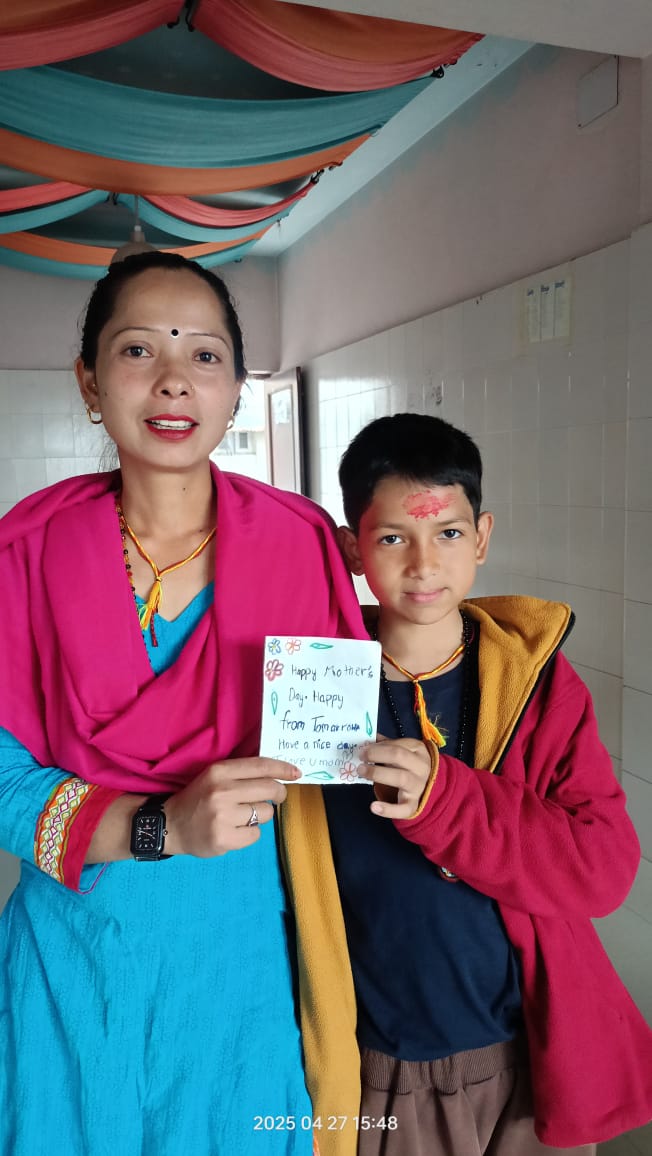
    Following the ceremony, the children presented handmade Mother’s Day cards to their caregivers and house mothers. Small hands held carefully folded creations, adorned with drawings and heartfelt words of love and appreciation. These weren’t mere crafts-they were living expressions of gratitude.

    For the caregivers, each card was a profound reminder of the impact they have. The deep emotional connections between children and caregivers came to life, mirroring the love expressed by children across Nepal during this sacred festival.

    A Sweet Celebration: The Joy of Cake and Togetherness

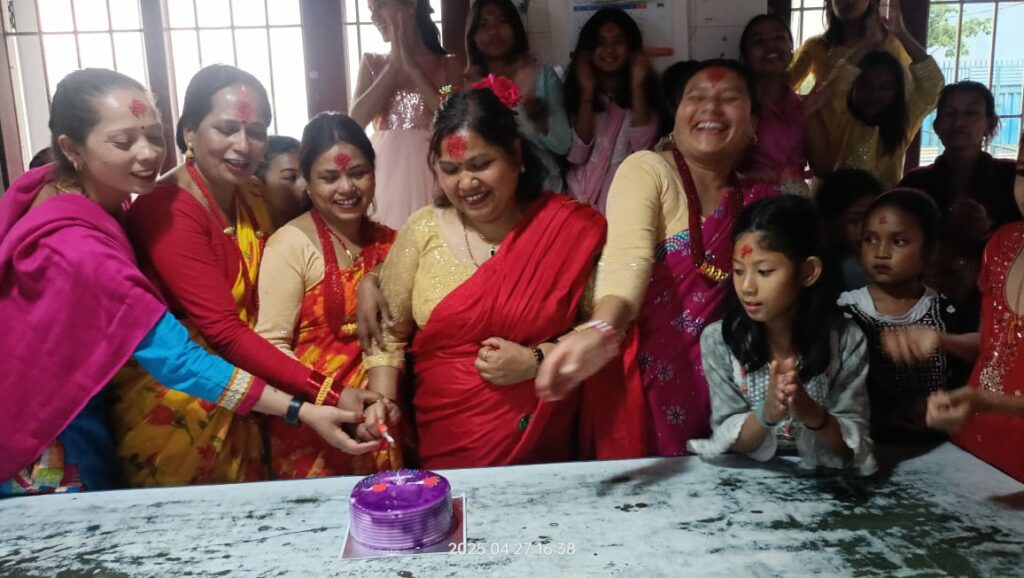
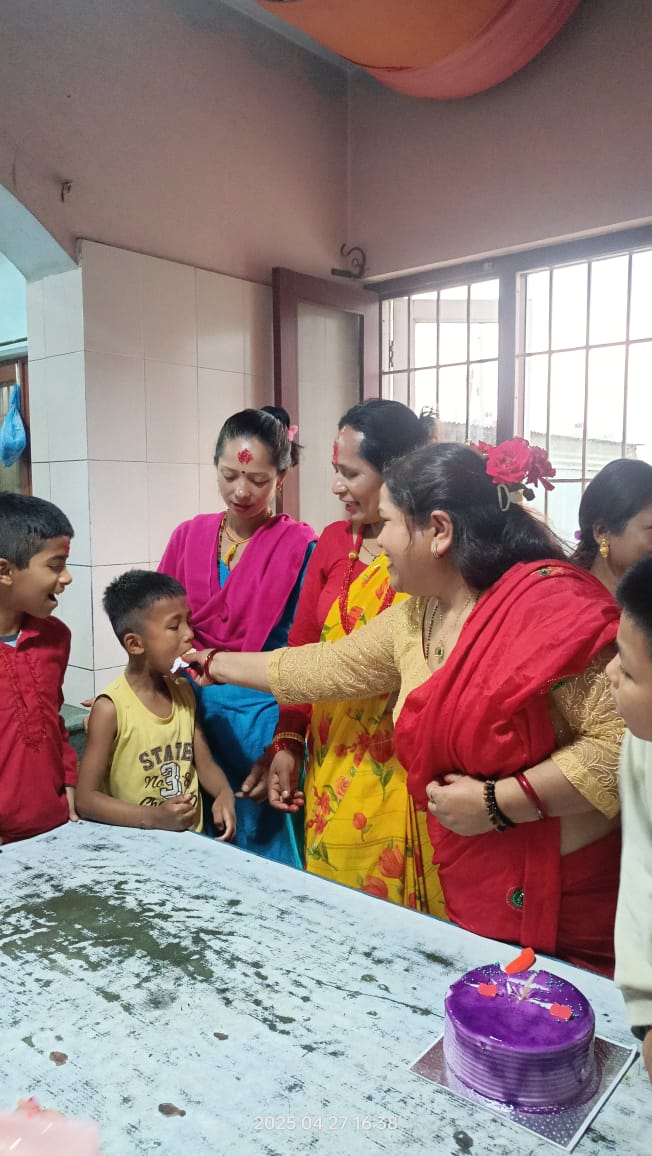
    Around 4 P.M. joy filled the air once more as the cake-cutting ceremony began. A beautifully decorated cake stood at the center of the celebration, surrounded by eager faces.  As the children capped and sang, the first slice was cut-symbolizing the sweetness of love, unity, and shared happiness.
    Each piece offered was more than a treat; it was a slice of celebration itself-an echo of the joy felt in homes and hearts across Nepal during Mata Tirtha Aunsi.

    A Colourful Embrace: The Spirit of the Day in Full Bloom

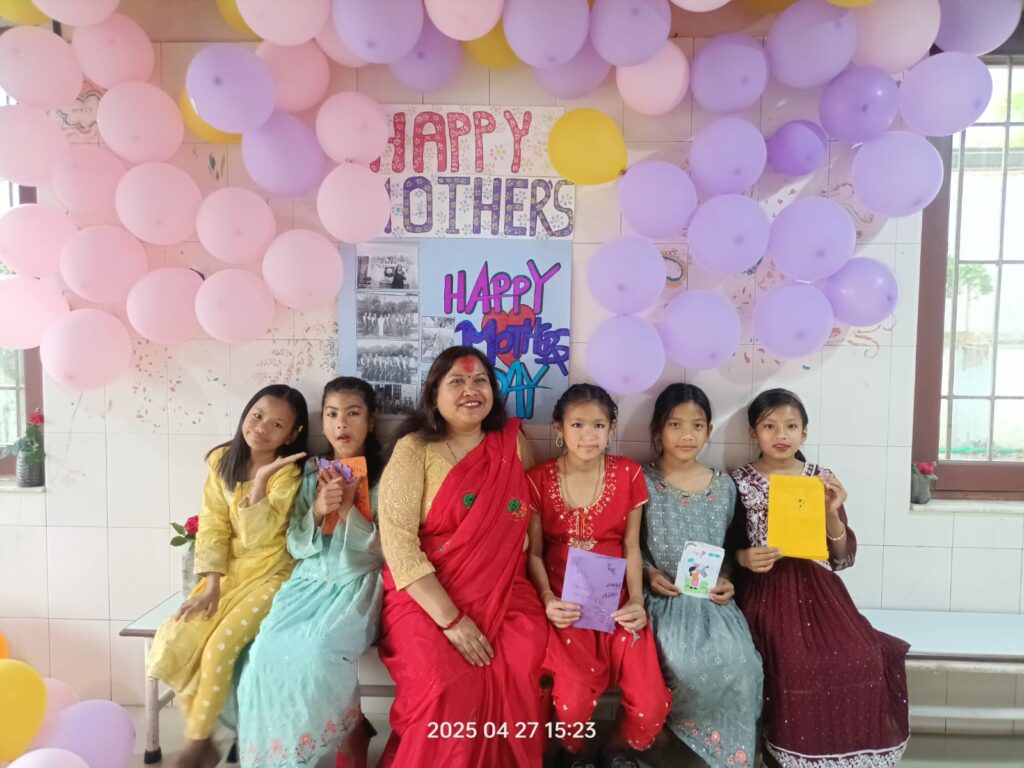
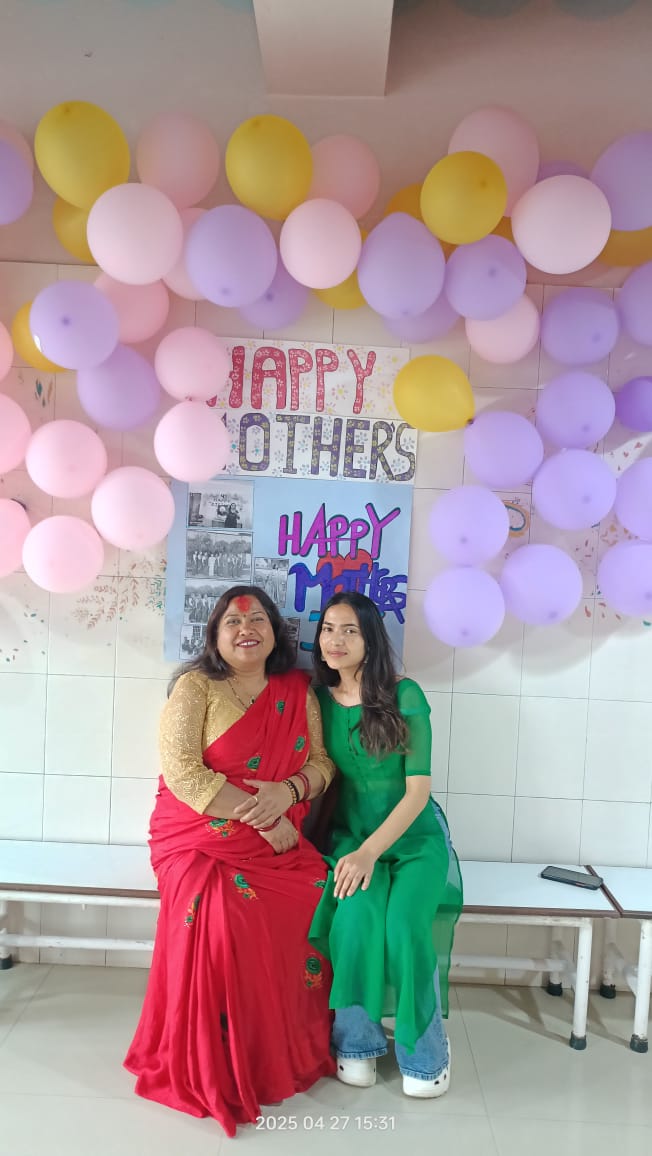
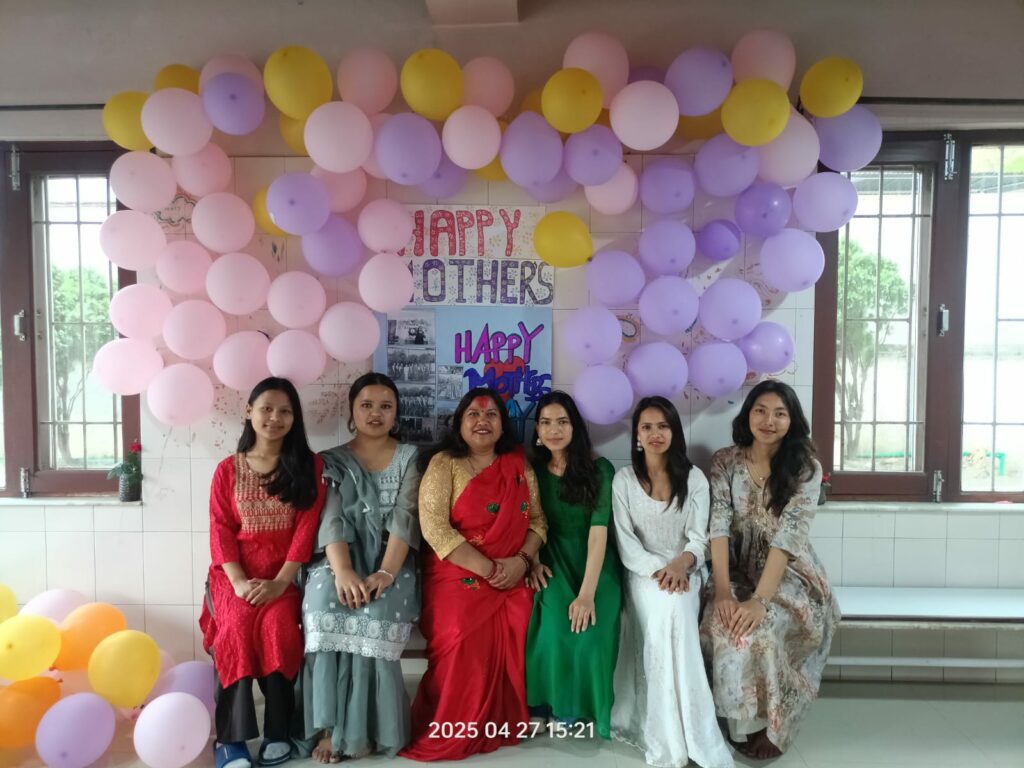
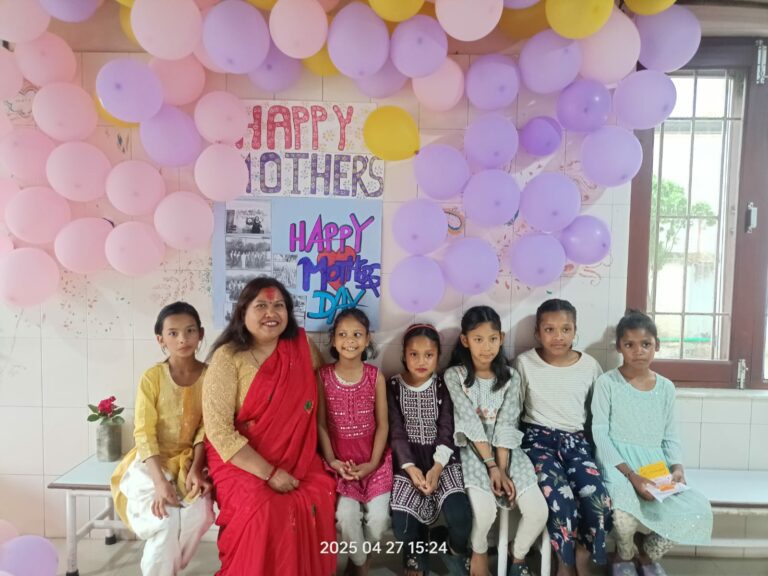
    The home was transformed into a vibrant tapestry of colour and joy. Bright balloons and streamers decorated the walls, while a bold “Happy Mother’s Day” banner welcomed all who entered. Every detail reflected love and intention-turning ordinary spaces into places of magic and celebration.

    The decorations mirrored the festive atmosphere that fills homes and temples across Nepal on this special day, where visual beauty enhances spiritual connection.

    Expressions through Dance: Celebrating Life and Love

     The day’s festivities culminated in captivating dance performances by the children. Their vibrant movements, choreographed with enthusiasm and love, brought smiles and applause from the audience. These dances were more than entertainment- they were acts of joy, empowerment, and self-expression.

    It was a reminder of the importance of providing children with space to thrive, to shine, and to share in the beauty of life’s simple joys- a message that resonates strongly with the spirit of Mata Tirtha Aunsi.

    The Enduring Significance: Roosted in Hindu Tradition

    As the day came to a close, the true meaning of Mother’s Day- Mata Tirtha Aunsi- was clear. In Hindu tradition, mothers are revered as scared, divine figures-the first teachers and protectors of life. This day, rooted in spiritual reverence, is more than a cultural event. It is a living expression of loves most powerful forms; nurturing care.

    While global commercial influences have brought new experiences of the day, the essence remains deeply personal and profound-an honouring of the foundational role mothers and caregivers play in shaping the future.

    A Day Etched in Memory, a Celebration beyond a Calendar

    The echoes of laughter, warmth, and gratitude lingered long after the final dance. The Mother’s Day celebration at the Children’s Home, deeply aligned with the spirit of Mata Tirtha Aunsi, left an indelible mark on every heart present.

    It served as a vibrant reminder that the bonds of love, care, and maternal devoting know no bounds- and the expressing our appreciation for those who nurture us should be a daily practice, not just a once-a-year-tradition.

    Photos of the Celebration

  • Nepali New Year 2082 Celebration at the Children’s Home

    Nepali New Year 2082 Celebration at the Children’s Home

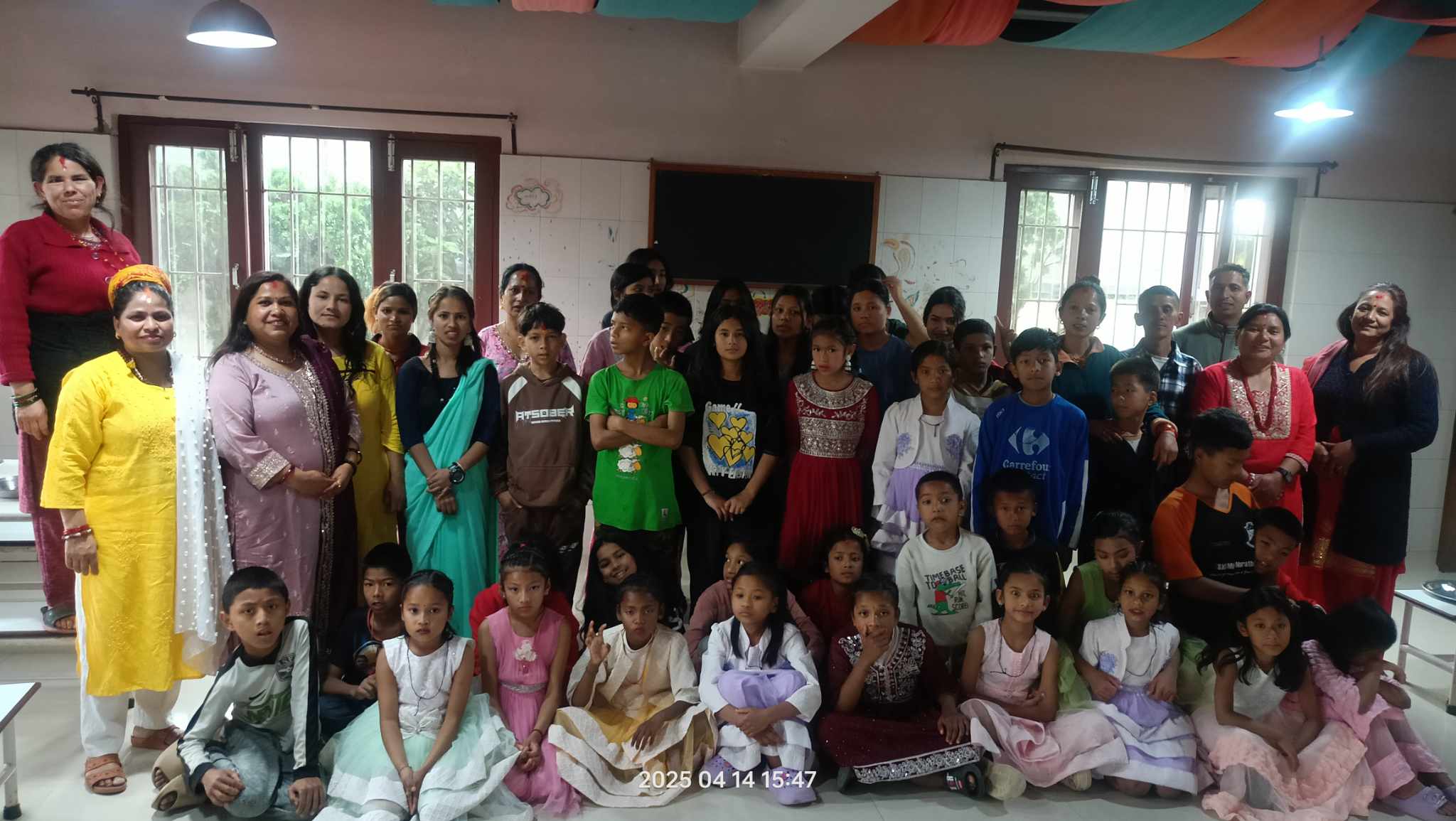
    This year, the Nepali New Year 2082 was celebrated with great joy and enthusiasm at the Children’s Home. The air was filled with laughter, excitement, and the spirit of togetherness as the children gathered to mark the beginning of the new year. The event was a beautiful reminder of our cultural traditions and the importance of family, community, and celebration.

    Dressed in their Best

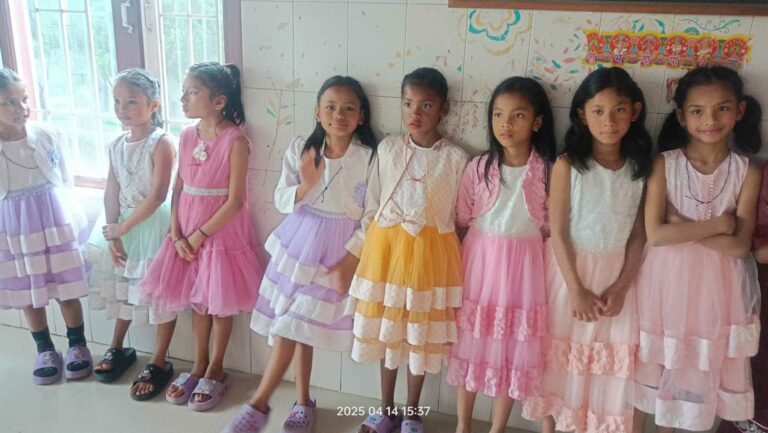
    As part of the tradition, the children were dressed in their finest outfits, each one looking vibrant and full of life. From colorful dresses to neatly pressed shirts, everyone was radiant, bringing a sense of pride and unity to the celebration. The joy on their faces was evident as they eagerly anticipated the feast that awaited them.

    A Feast Made with Love

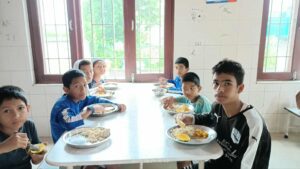
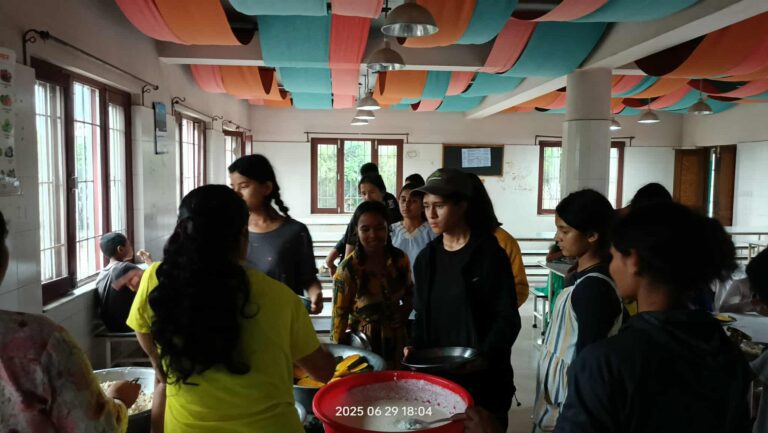
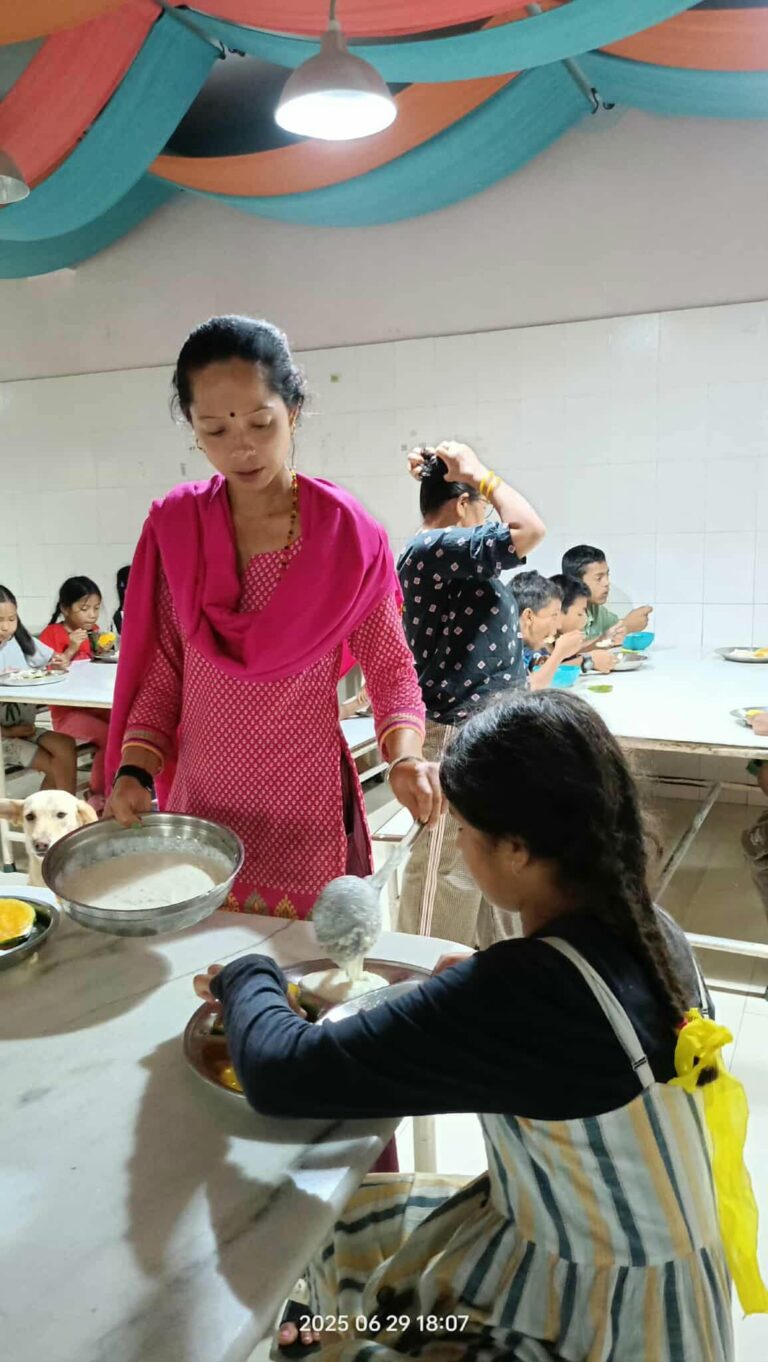
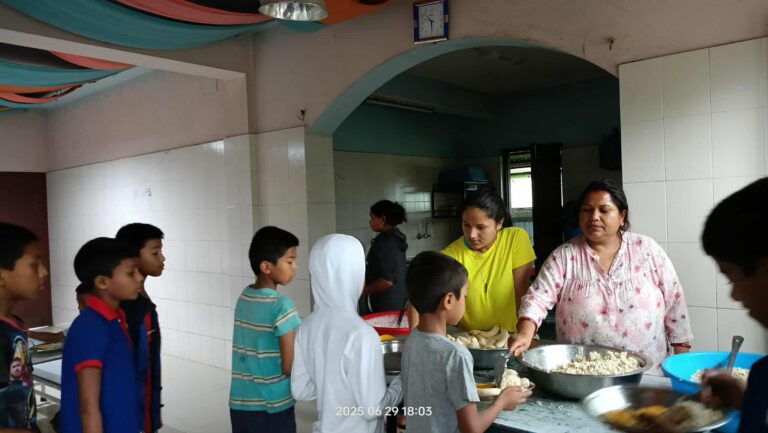
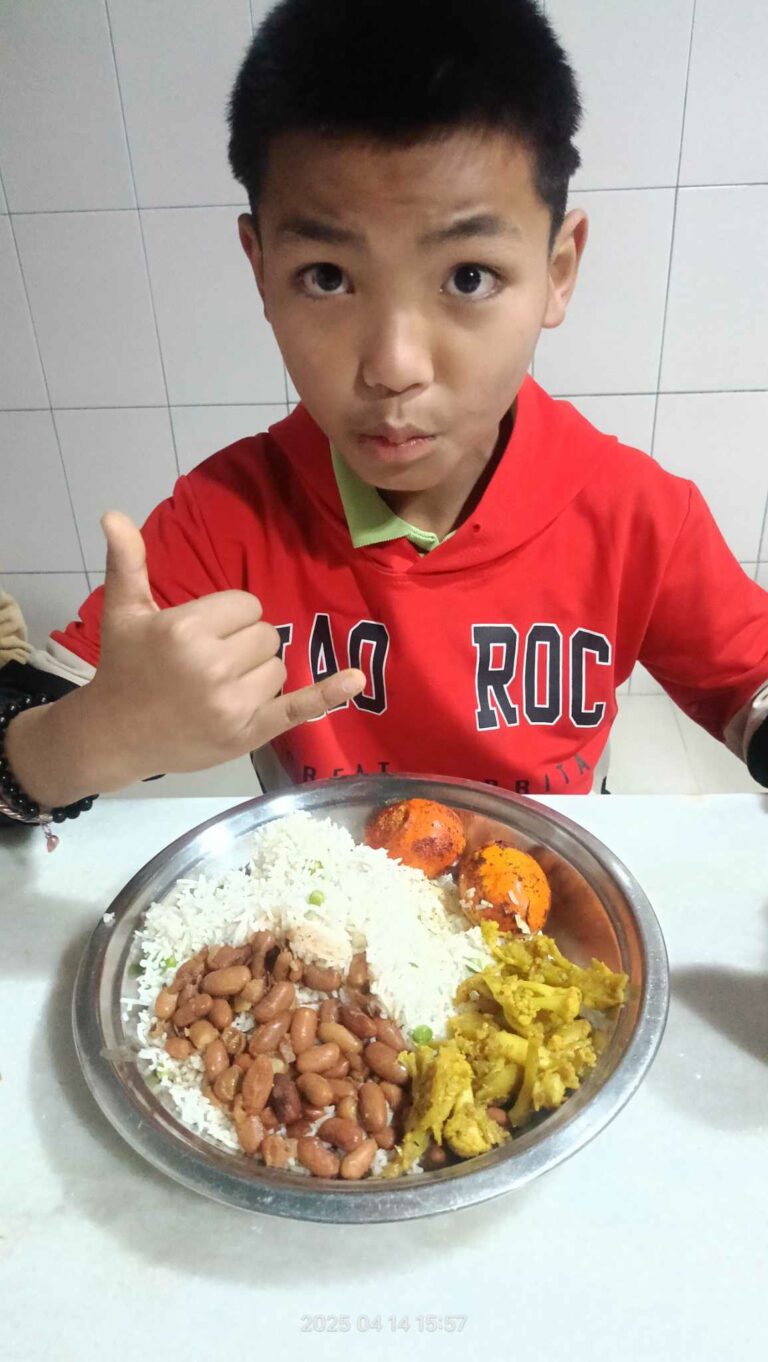
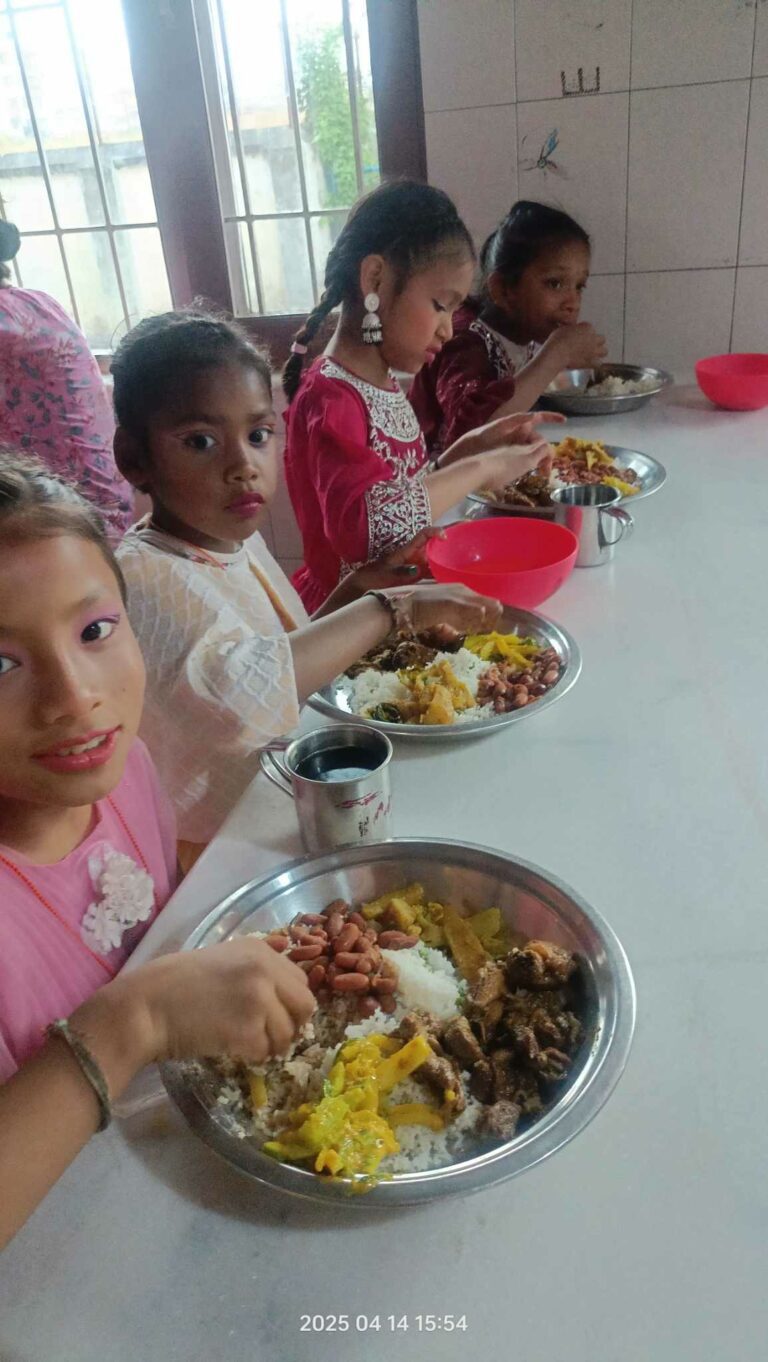
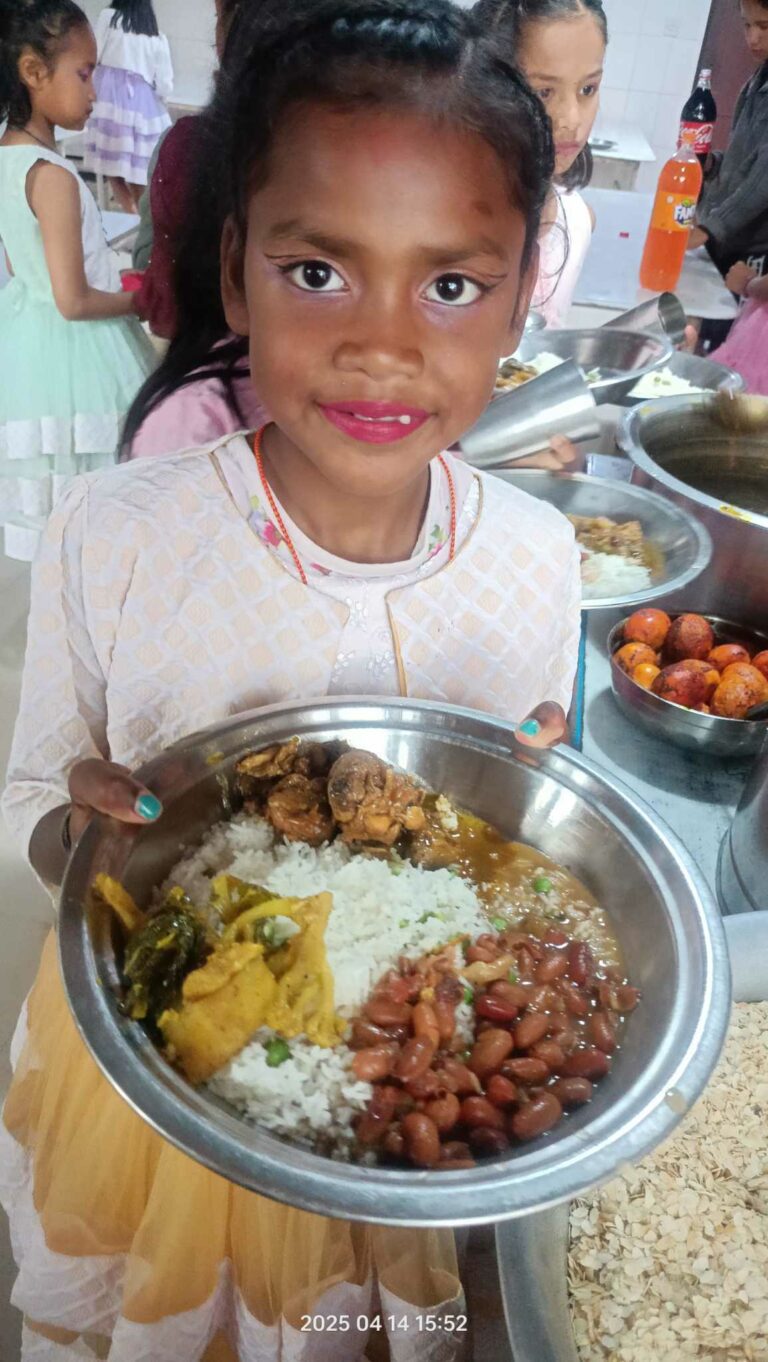
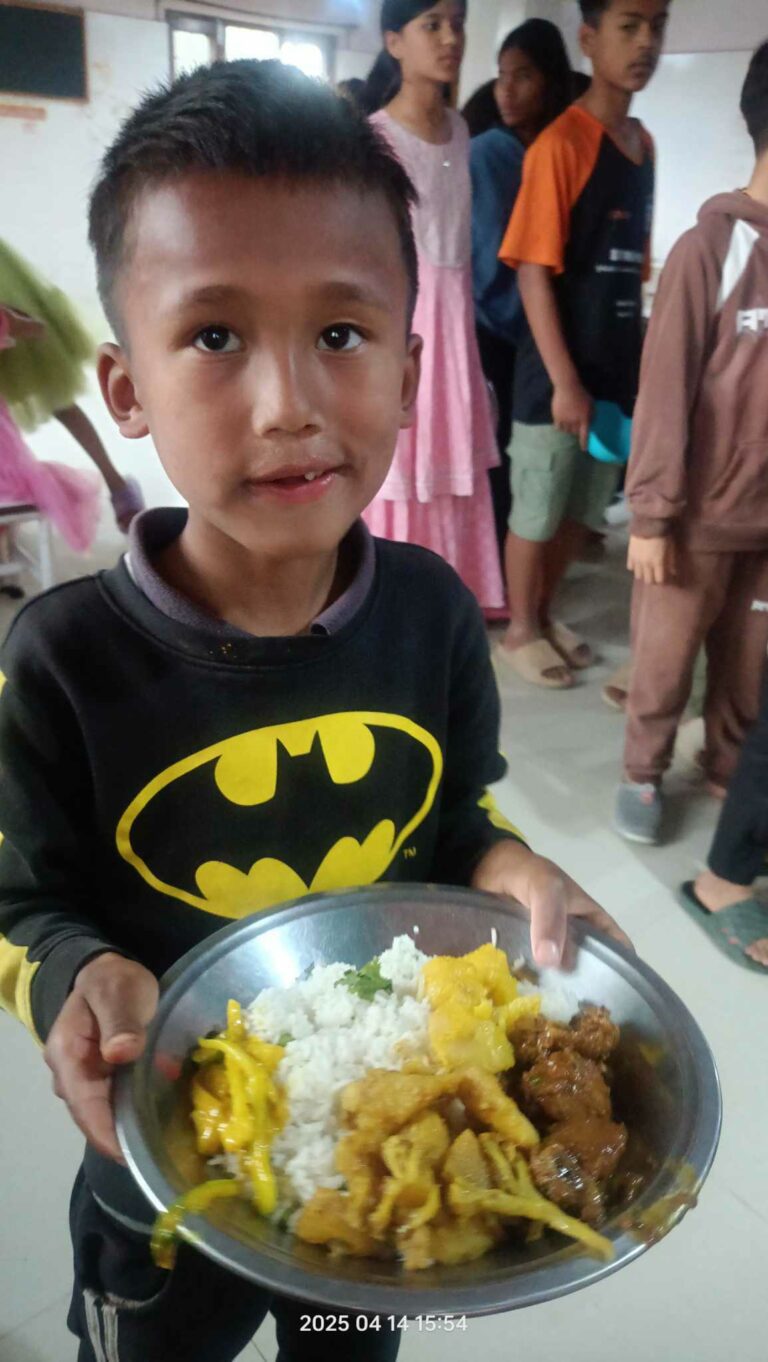
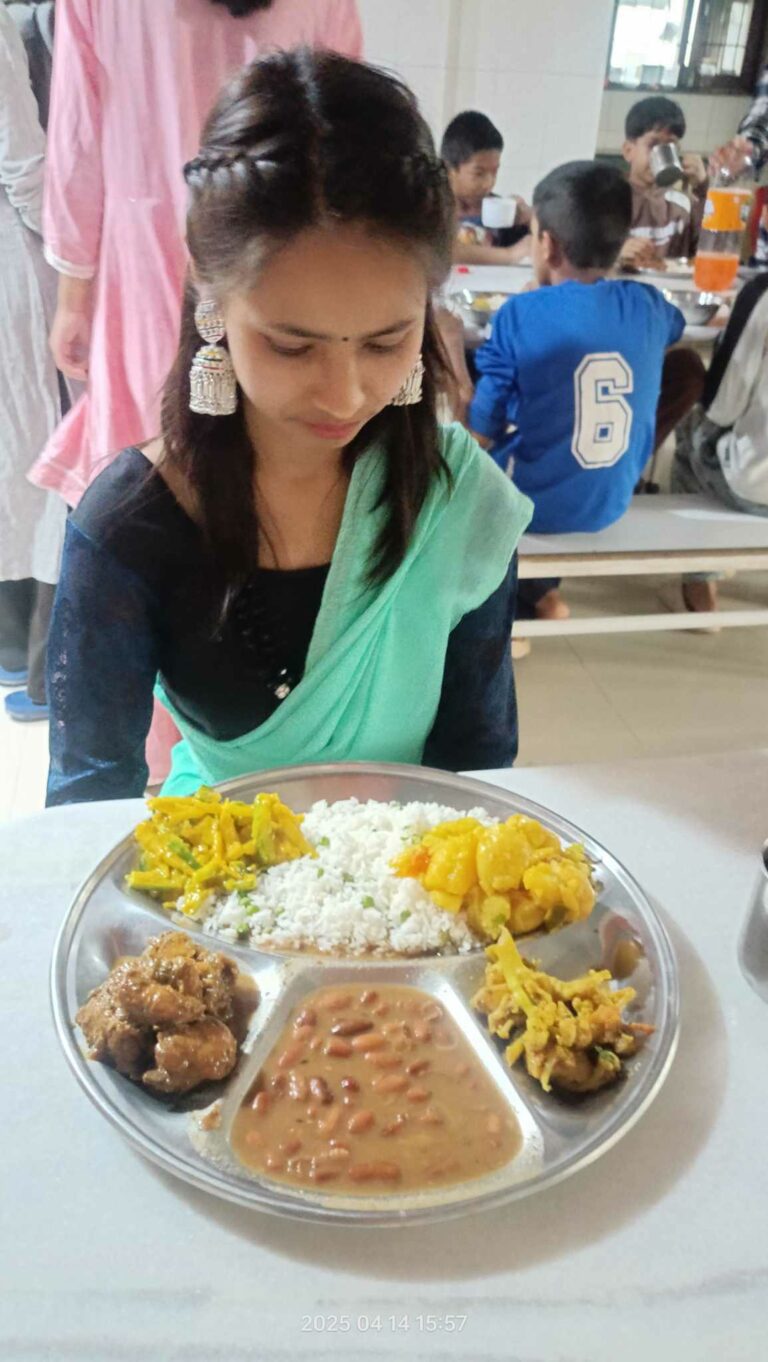
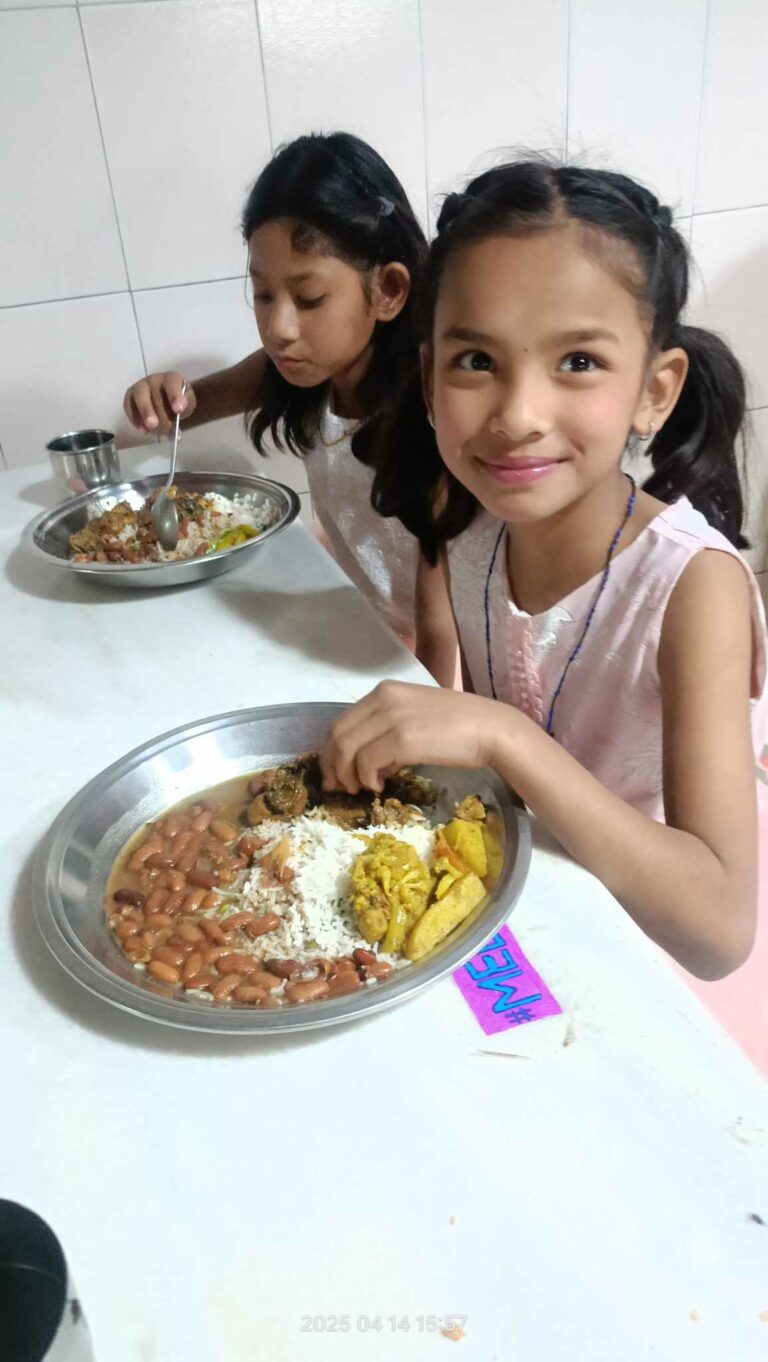
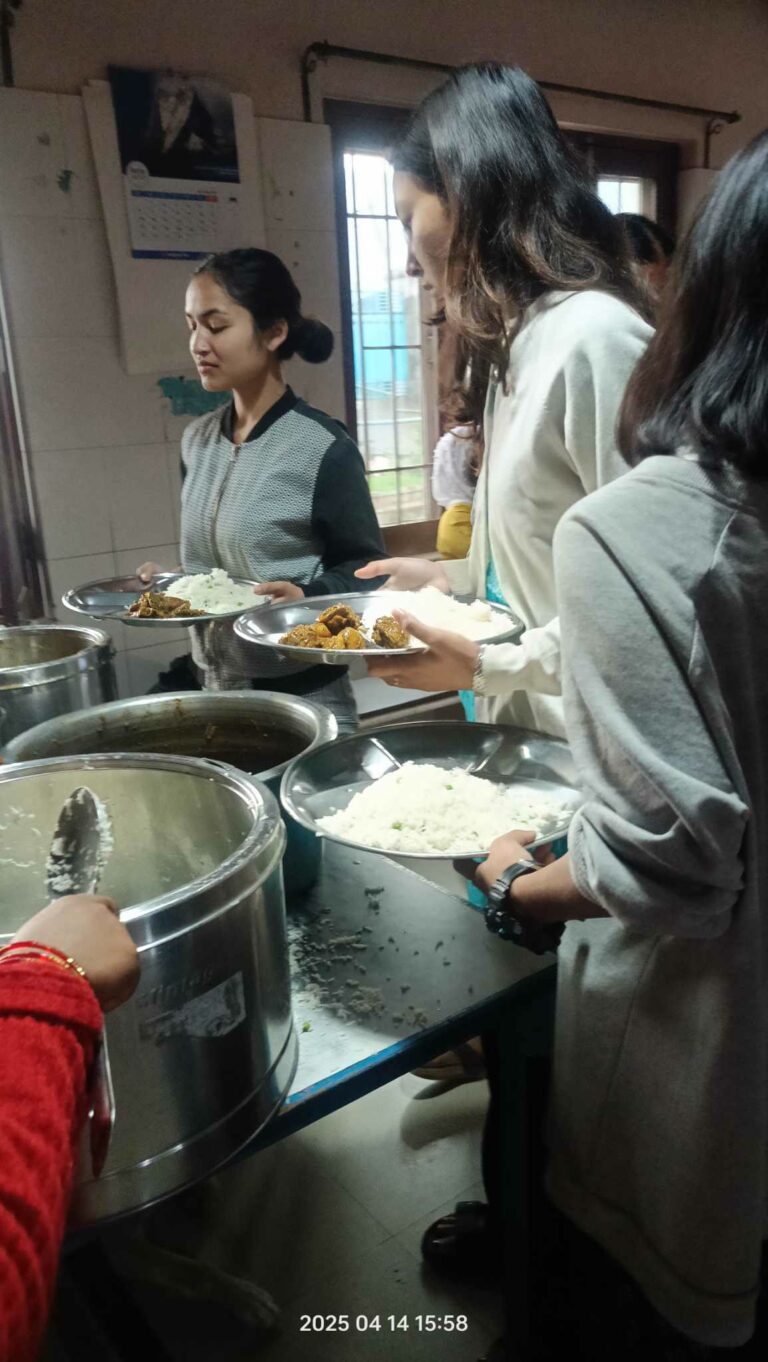
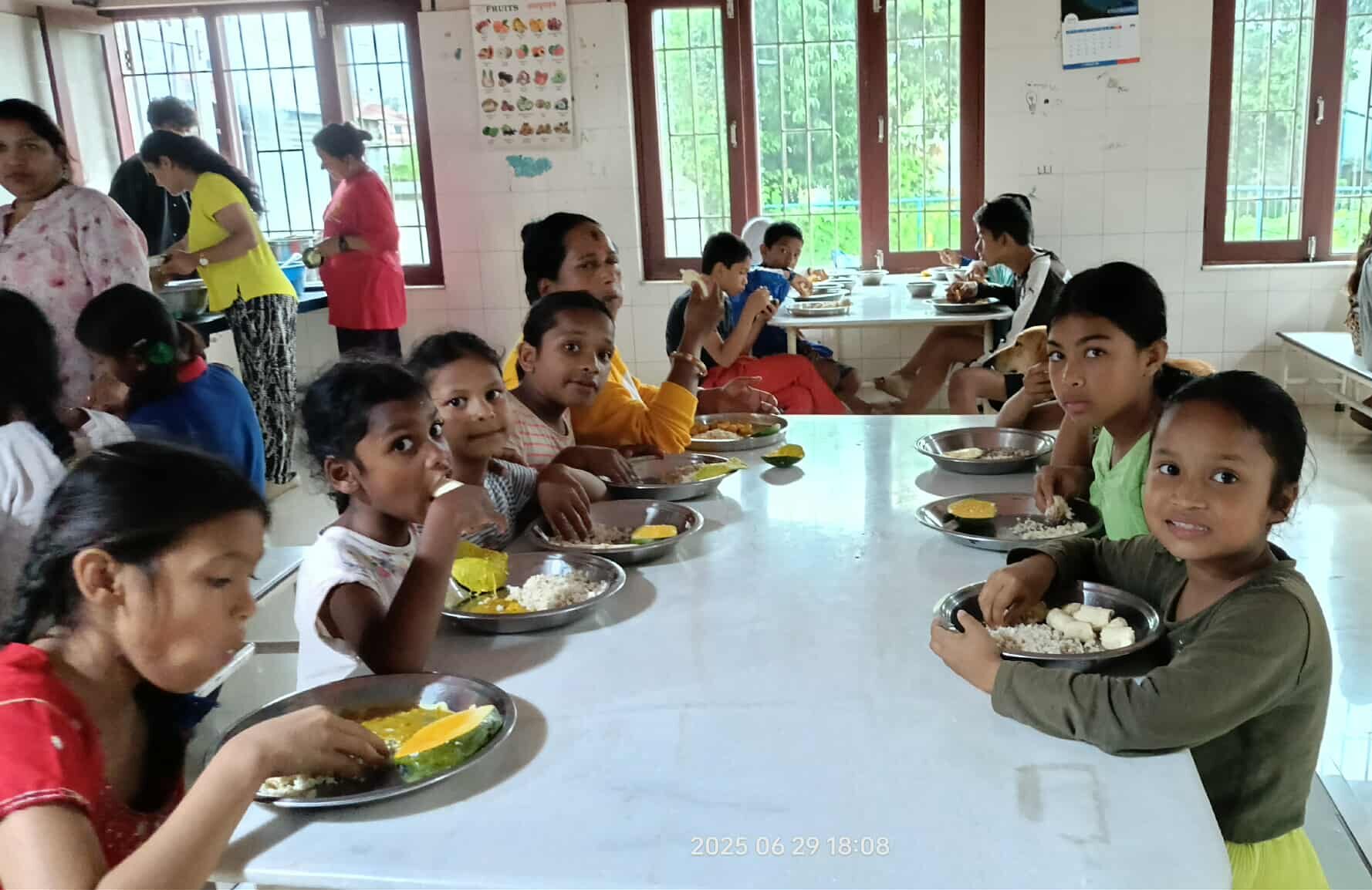
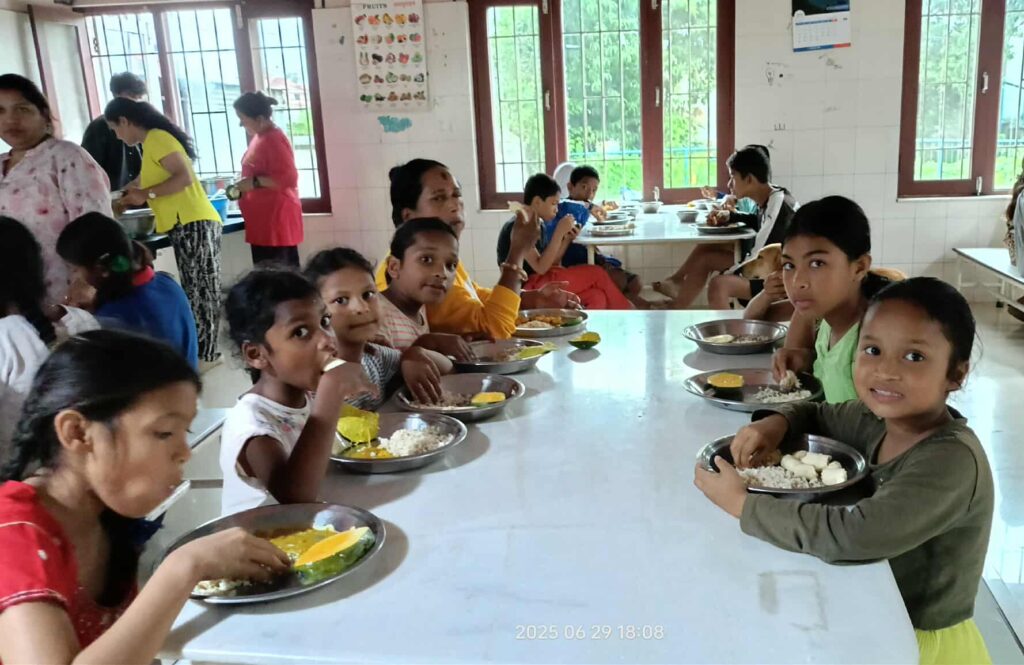
    The highlight of the celebration was the delicious meal that had been prepared for the children. Their mothers worked hard in the kitchen to create a spread that included various dishes such as tender meat, fresh vegetables, beans, and rice. It was a wholesome, hearty meal that provided not only nourishment but also a deep sense of comfort and warmth. The children lined up, their faces beaming with happiness, to receive their share of the special delicacies made with love and care.

    The atmosphere was lively and festive as everyone sat together to share the meal. Conversations and laughter filled the air, with the children enjoying the company of their friends and caretakers. The sense of community was strong, as the children experienced the warmth of a family gathering.

    Looking Ahead to 2082

    The celebration of Nepali New Year 2082 was not just about food and festivities, but also about marking the start of a new beginning. It was a reminder to all of us that no matter what challenges we face, there is always room for joy, hope, and renewal. The children embraced this spirit wholeheartedly, their excitement reflecting the optimism that comes with a fresh start.

    As the celebration came to an end, the children left with full bellies and happy hearts. The day was a testament to the importance of nurturing traditions, and the joy of coming together as a community. It was a celebration of life, of growth, and of the simple joys that make each moment special.

    Welcoming a New Chapter

    We look forward to another year of happiness, growth, and shared experiences. The Nepali New Year 2082 celebration at the Children’s reminded us all that we can always find joy in the company of those we care about and in the tradition that bind us together.

    The end of 2081 marked a closing chapter, and the start of 2082 represents a fresh new beginning for all of us.

    Photos of the Celebration​

  • Holi Celebration: A Festival of Colors and Joy

    Holi Celebration: A Festival of Colors and Joy

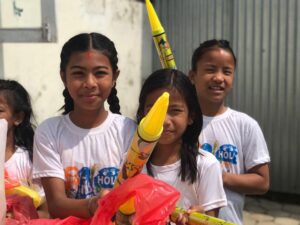
    Holi, the festival of colors, was celebrated with immense joy and enthusiasm at our children’s home on March 13, 2025. The event brought together all the children and staff in a vibrant celebration filled with laughter, excitement, and cultural appreciation.

    The Significance of Holi

    Holi holds great cultural, social, and spiritual importance. It is a festival that brings people together, transcending social barriers and differences. The vibrant colors of Holi represent the diversity of life and the joy of embracing unity in diversity.

    From a spiritual perspective, Holi signifies the triumph of good over evil. The festival originated from Hindu mythology, particular the story of Prahlad, a devoted follower of Lord Vishnu, and his aunt Holika, who tried to destroy him. The burning of Holika and the survival of Prahlad symbolize the victory of righteousness and faith.

    Holi also marks the transition from winter to spring, welcoming nature’s renewal and abundance. It is an occasion to celebrate new beginnings, let go of negativity, and embrace happiness. Families and communities come together to celebrate, reinforcing bonds of love and friendship. Traditionally, Holi also serves as a time for reconciliation, where past misunderstandings are forgiven, and relationships are strengthened.

    Beyond its religion and seasonal significance, Holi promotes joy, creativity, and the spirit of festivity. The exchange of colors and cheerful moments all contribute to an atmosphere of positivity and happiness.
    A Joyful Celebration

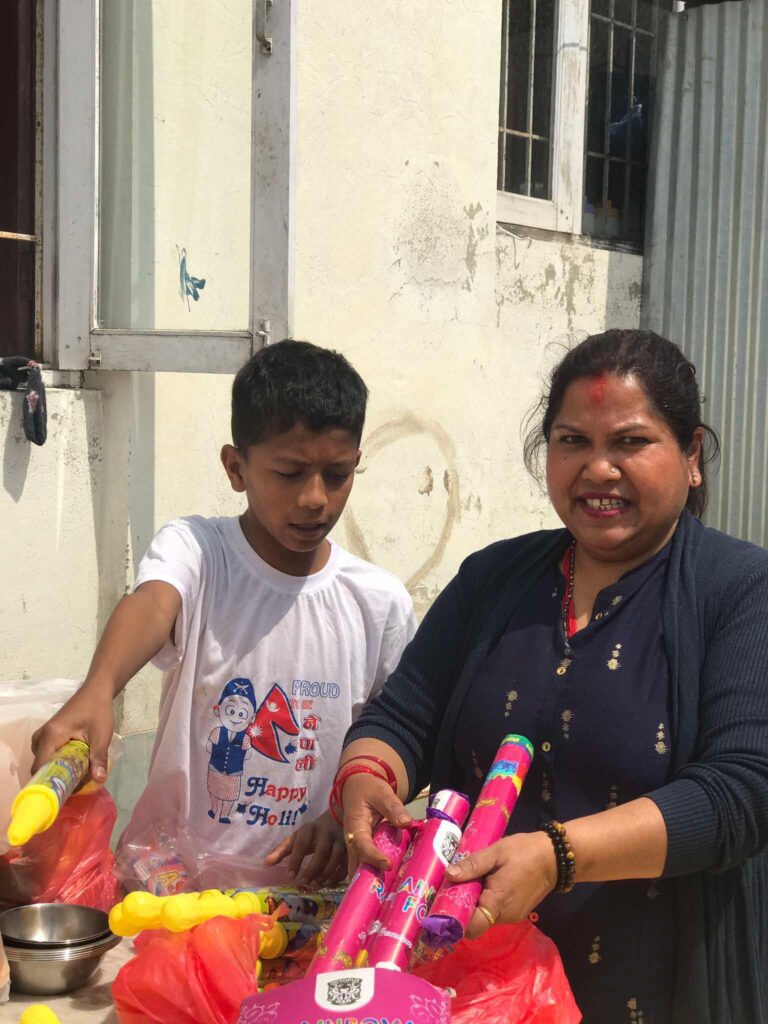
    The Holi celebration at our children’s home was filled with boundless energy and excitement. The atmosphere buzzed with happiness as everyone eagerly prepared to immerse themselves in the spirit of the festival. Bright colors filled the air, and cheerful voices rang out as the celebration unfolded.

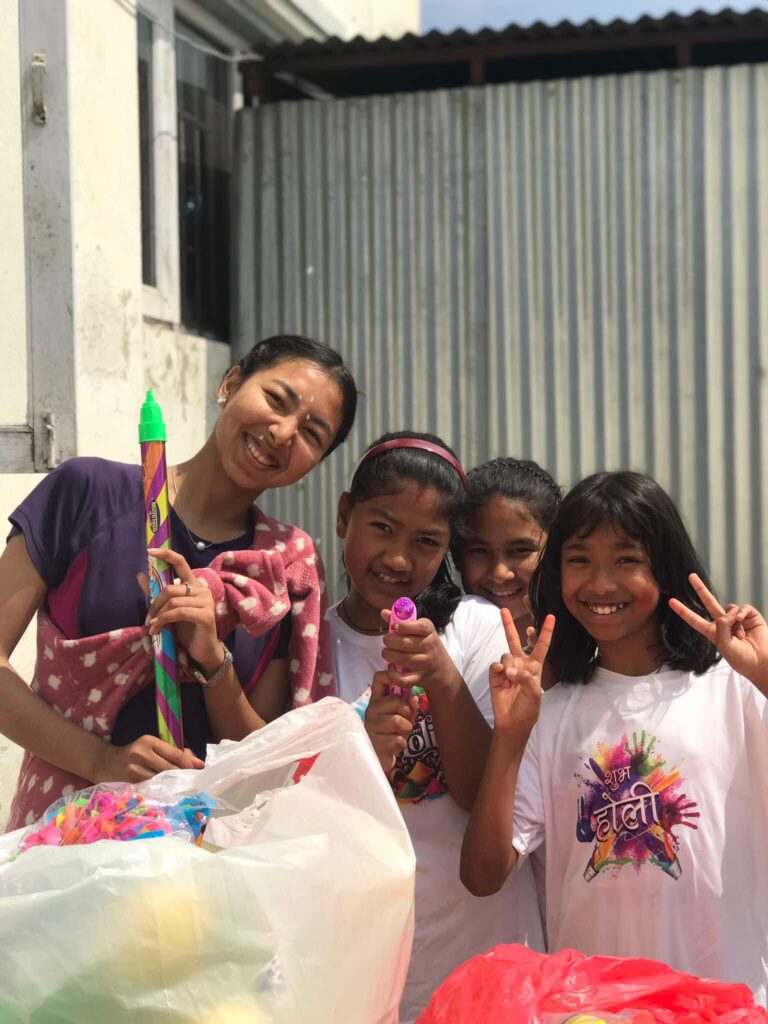
    Ms Saru began the festivities by putting the first colors on the children, marking the beginning of joyful and colorful day. The vibrant hues on their faces and clothes created a heart atmosphere of unity and happiness.
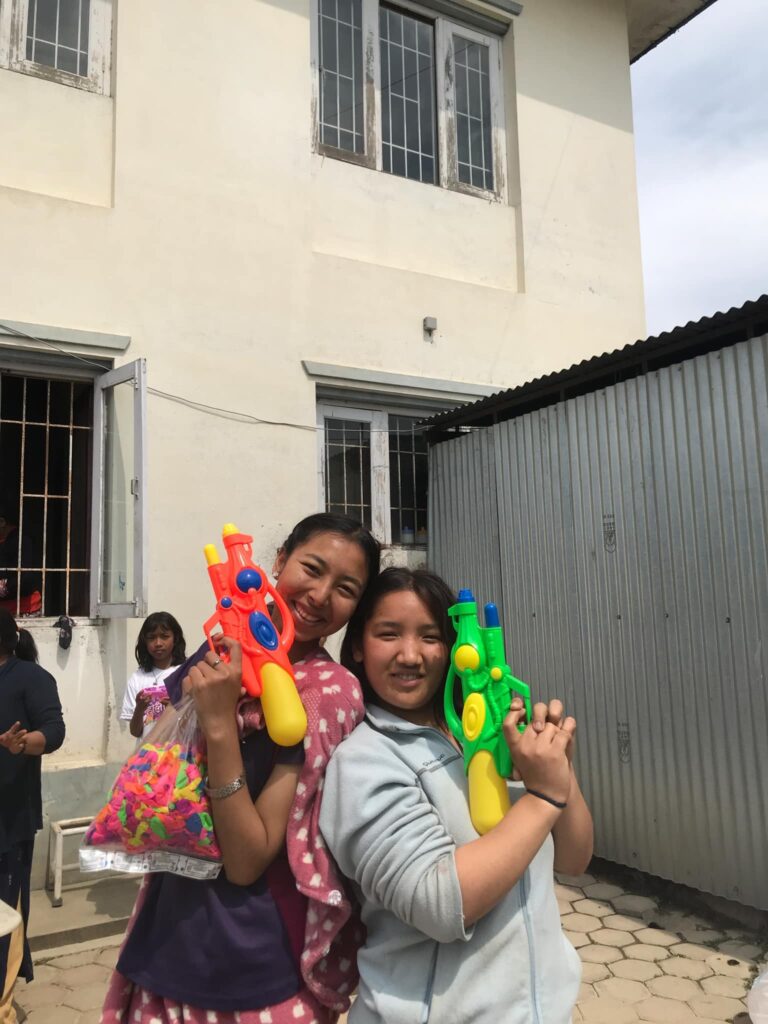
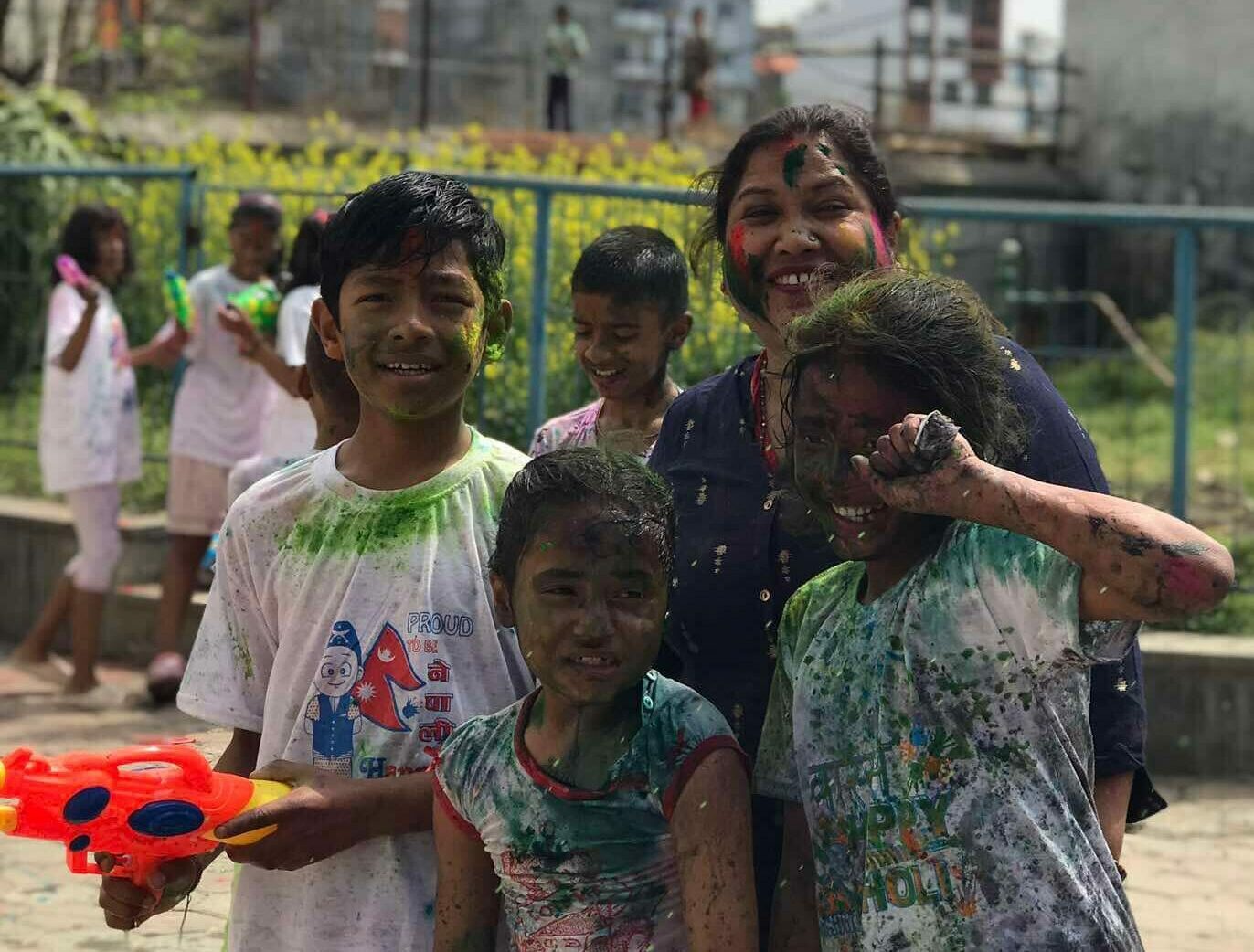
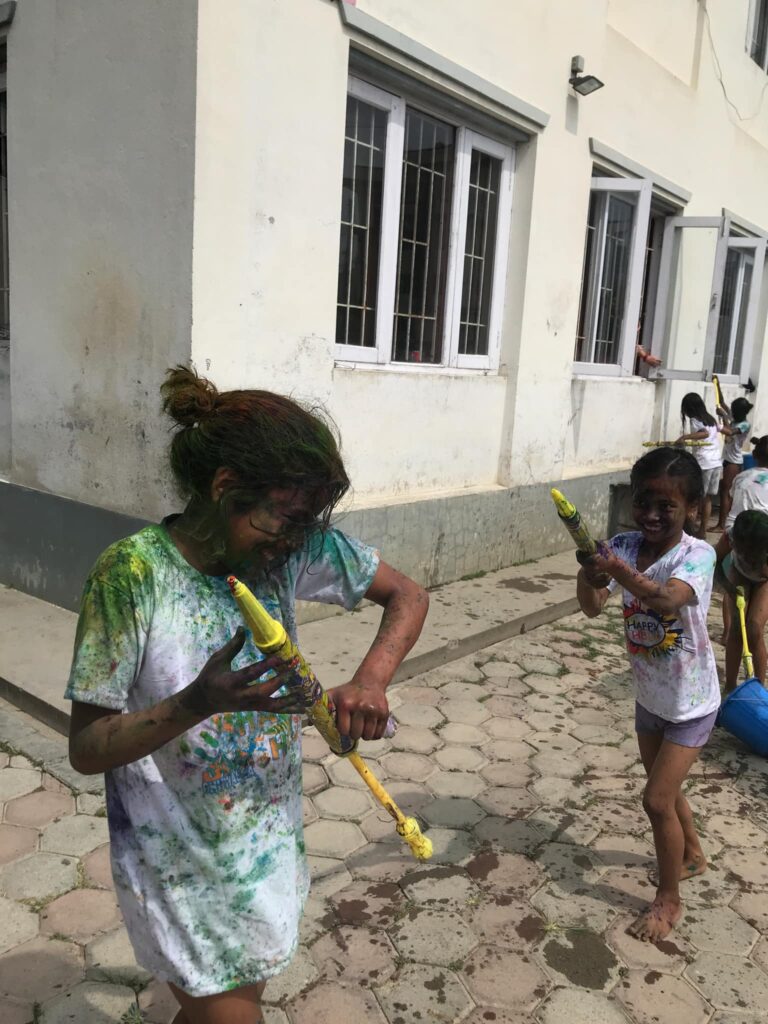
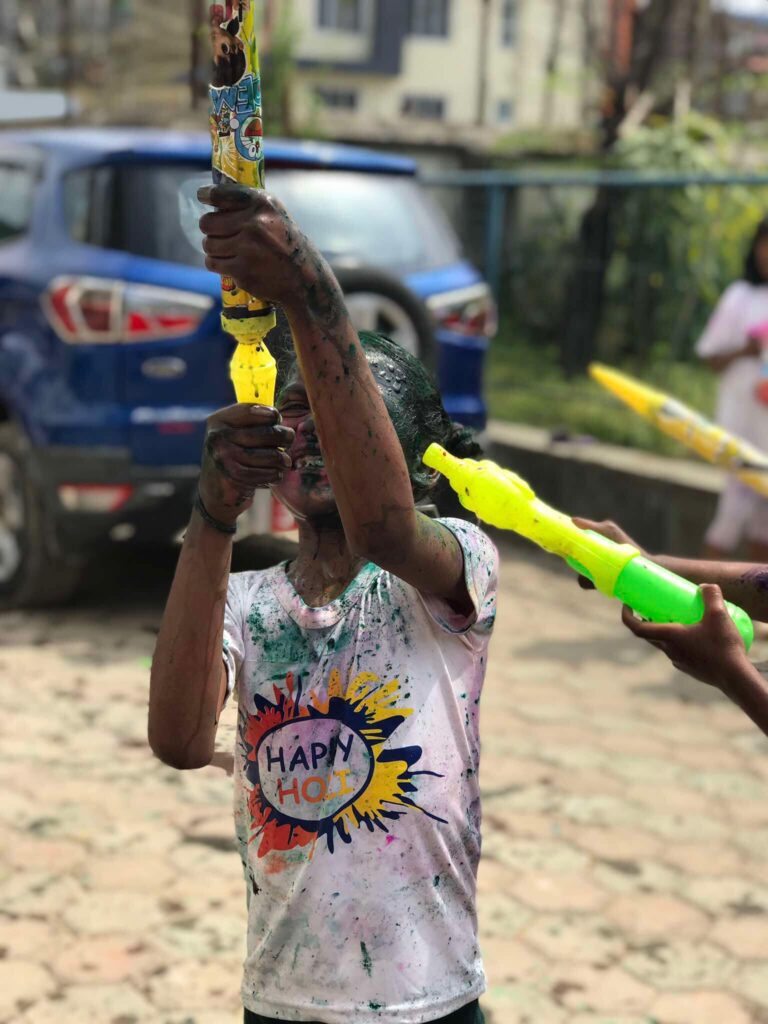
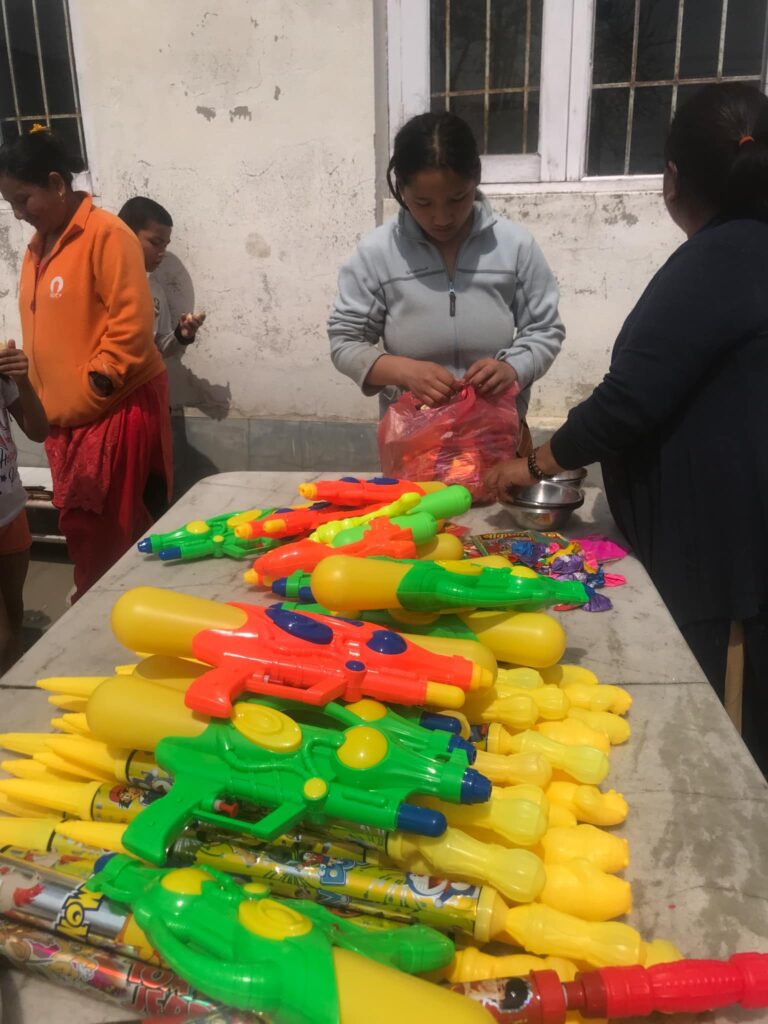
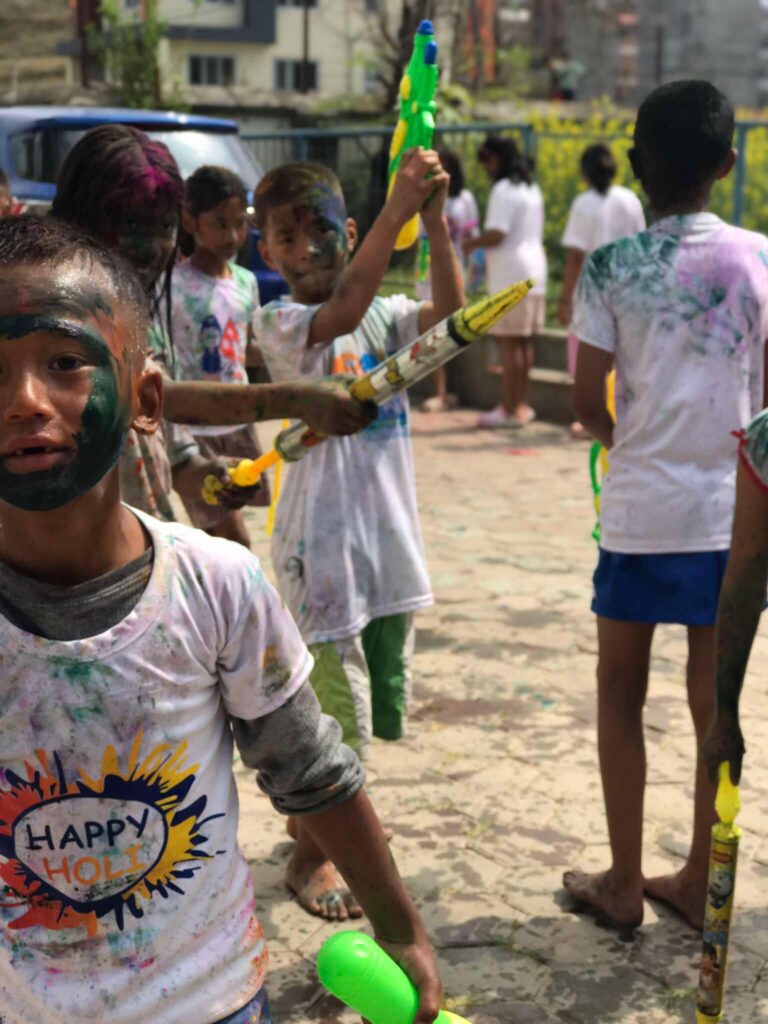
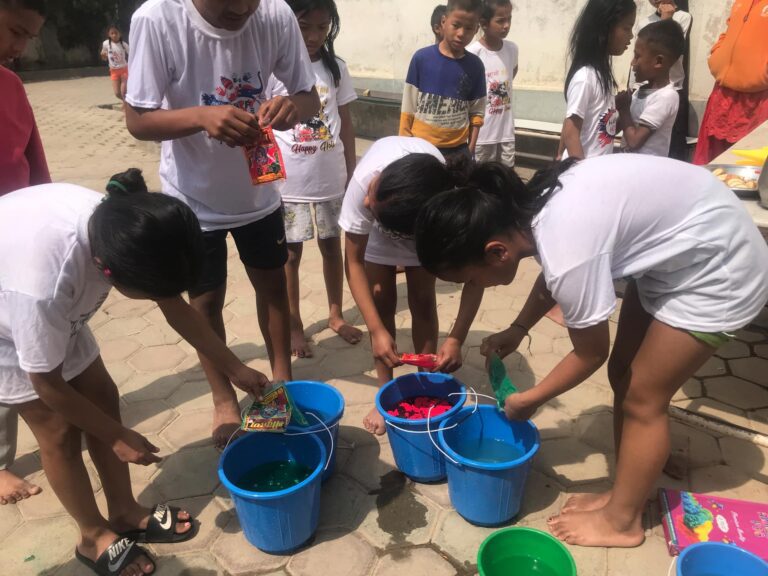
    The highlight of the event was the color play, where children applied bright colors to one another, symbolizing happiness and unity. Faces and clothes were soon covered in vibrant hues, and the joyous laughter of the children echoed throughout the home. It was a heart warming sight to see everyone embracing the spirit of Holi with enthusiasm and playfulness.

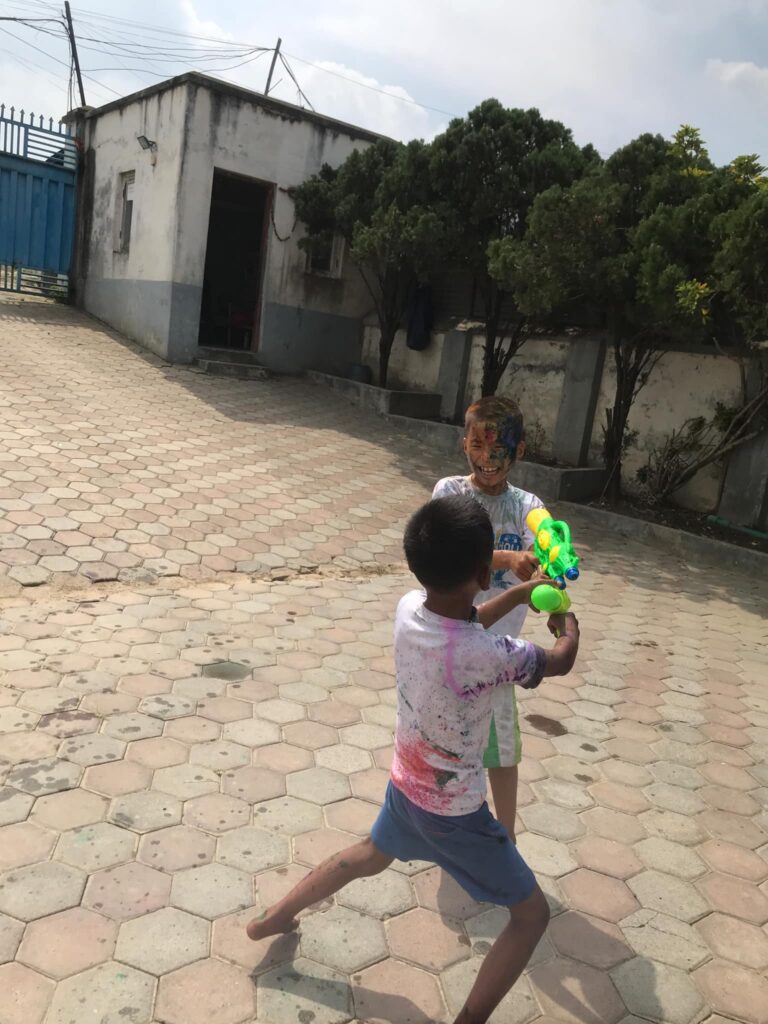
    A thrilling water balloon fight brought even more excitement, as children ran around playfully splashing each other with water-filled balloons. The cool splashes of water added to the fun, making it an exhilaration experience for all. The children shrieked with delight as they dodged and aimed their balloons, making it one of the most memorable moments of the celebration. The combination of colors and playful splashes of water created a festive ambiance that filled every heart with warmth and happiness.
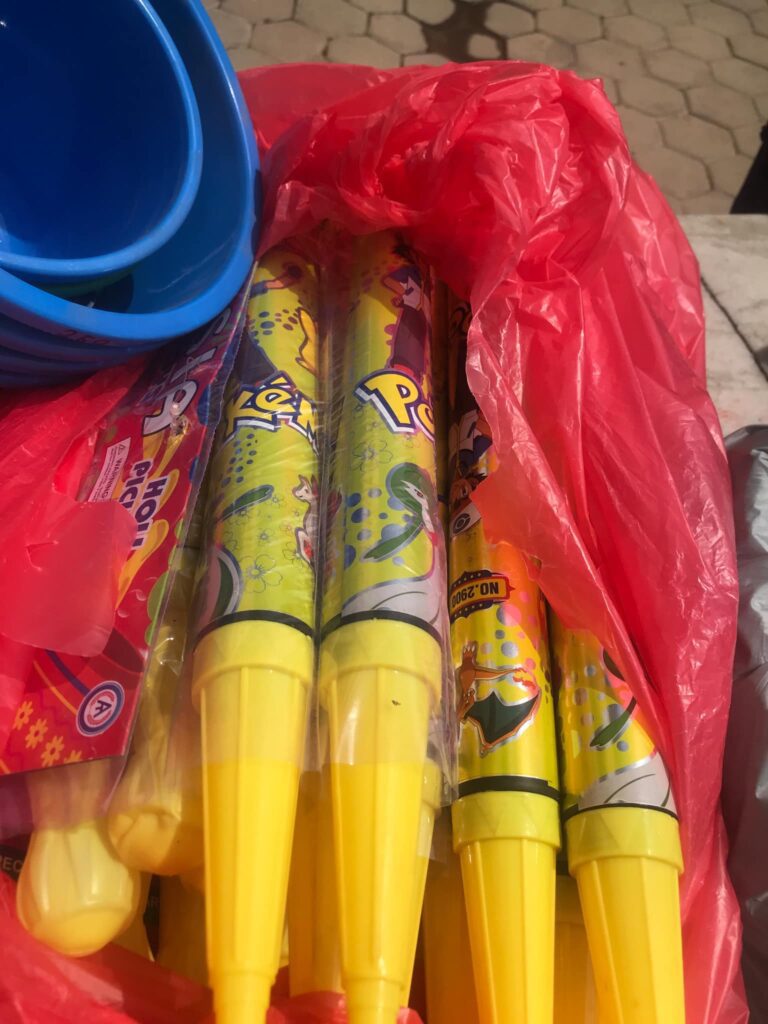
    The enthusiasm and joy of the moment created unforgettable memories for all involved. The air was filled with laughter as everyone joyfully participated in the colorful festivities.

    The Spirit of Togetherness

    Holi is more than just a festival of colors- it is a celebration of joy, unity, and togetherness. For Children’s Home, it was chance to create lasting memories, share happiness and embrace the spirit of camaraderie. The vibrant colors, the shared laughter, and the collective celebrations made this Holi truly unforgettable.

    Conclusion

    The Holi celebrated at home was a heart warming and joyous occasion. It provided us with the opportunity to not only enjoy the festivities but also appreciate their cultural significance. Events like these create a sense of belonging and happiness, making Holi a festival we eagerly anticipate each year. Through colors, laughter, and shared experiences, Holi continues to remind us of the beauty of life and the importance of unity.

    Photos of the Celebration

  • Maghe Sankranti Celebration

    Maghe Sankranti Celebration

    Maghe Sankranti, also known as Makar Sankranti, is an important festival celebrated across Nepal and South Asia. It marks the sun’s transition into the zodiac sign Capricorn (Makar), signifying the end of the winter solstice and beginning of longer, warmer days. The festival is considered a time of renewal, prosperity, and good health, and it is celebrated with family gathering, rituals, and the preparation of special traditional foods. At the children’s home, the festival provides an opportunity for the children to come together, enjoy traditional foods, and participate in the cultural significance of the day.


    Celebrations at the Children’s Home

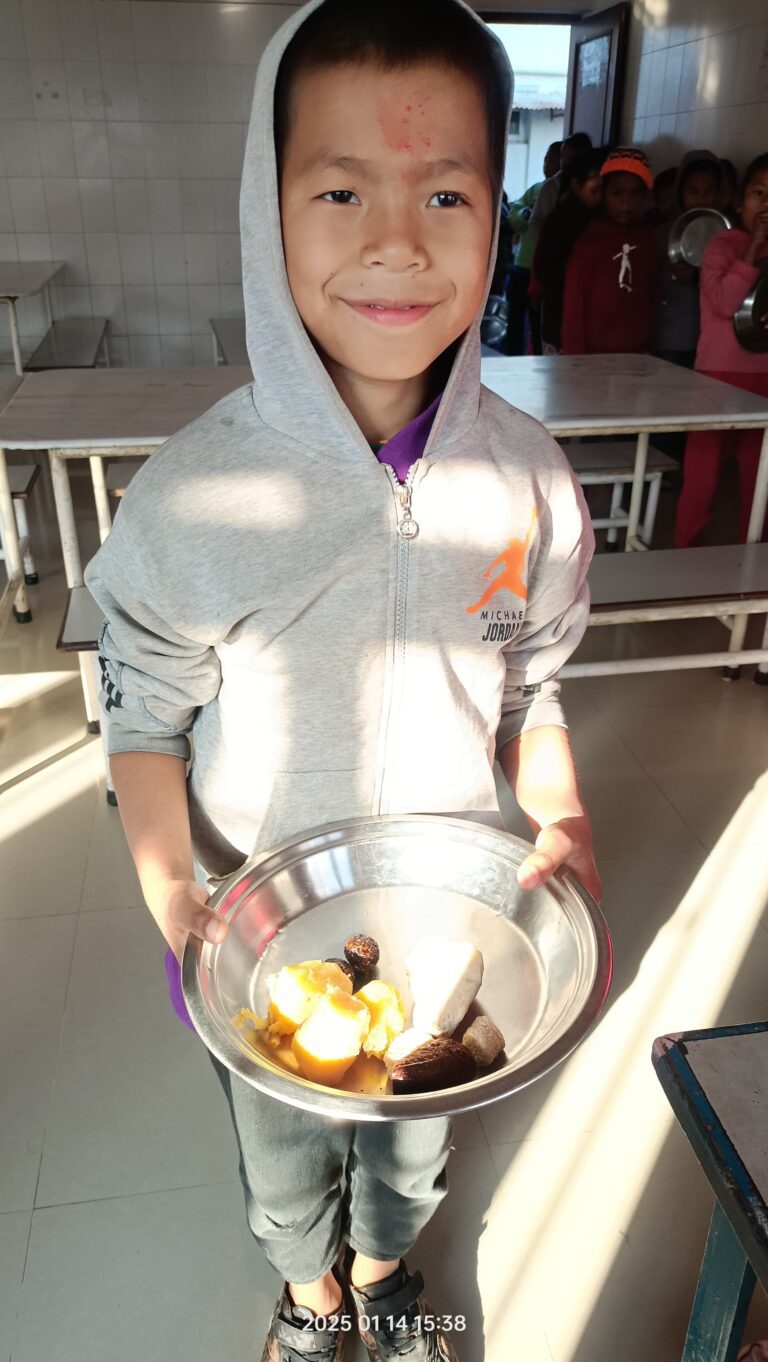
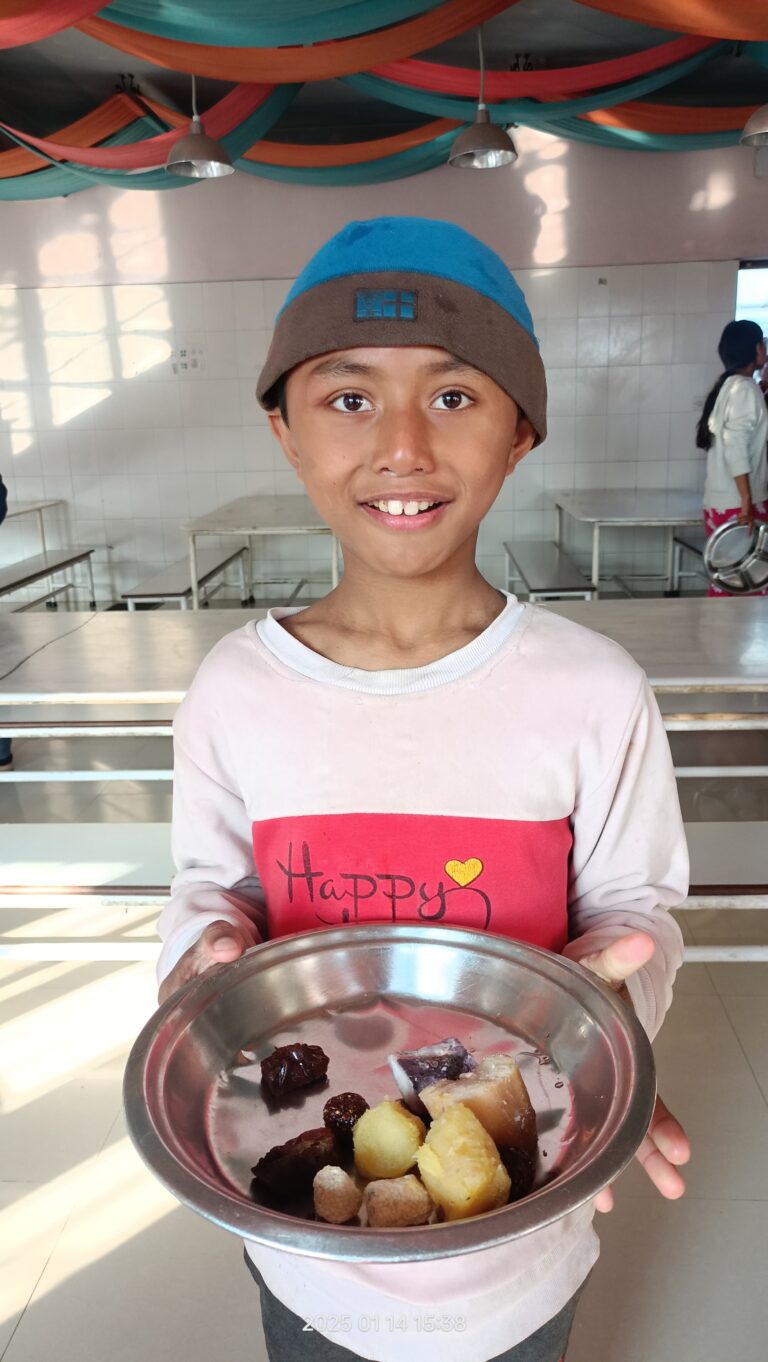
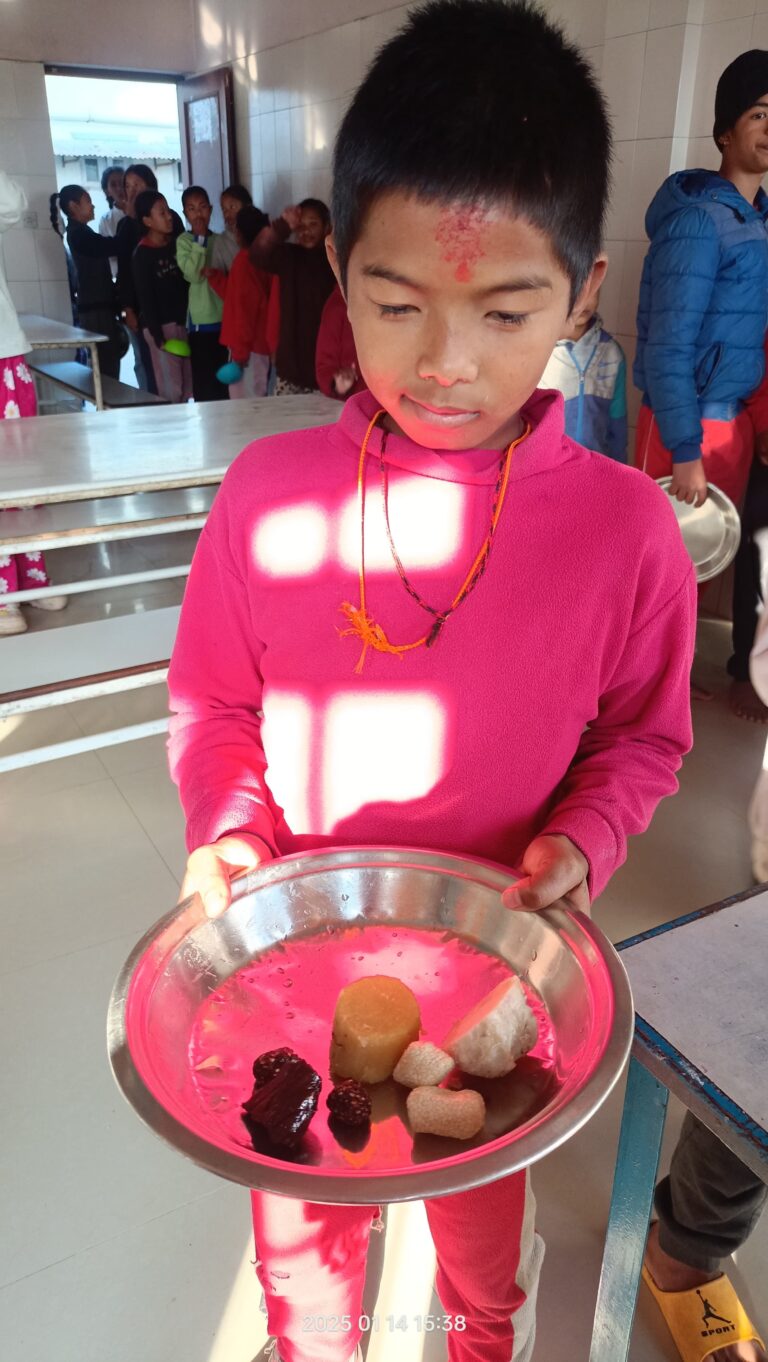
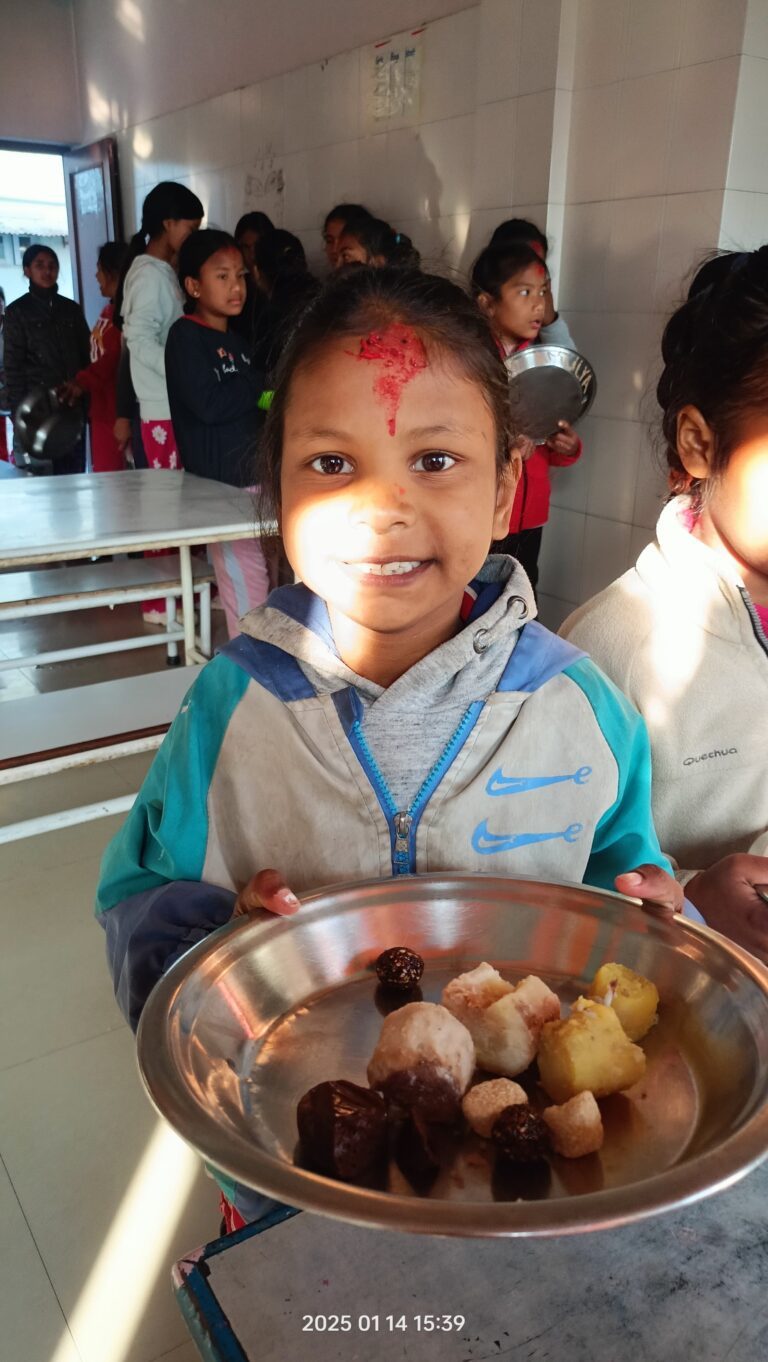
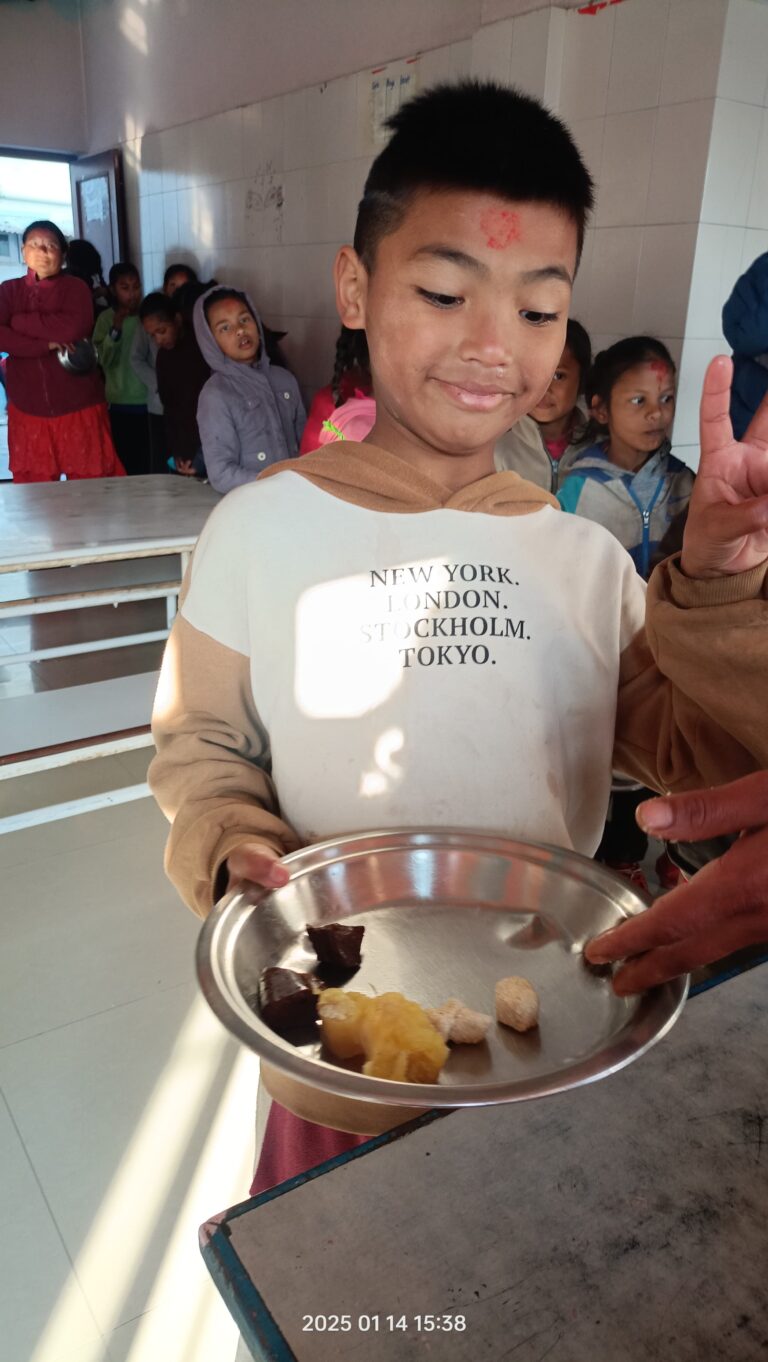
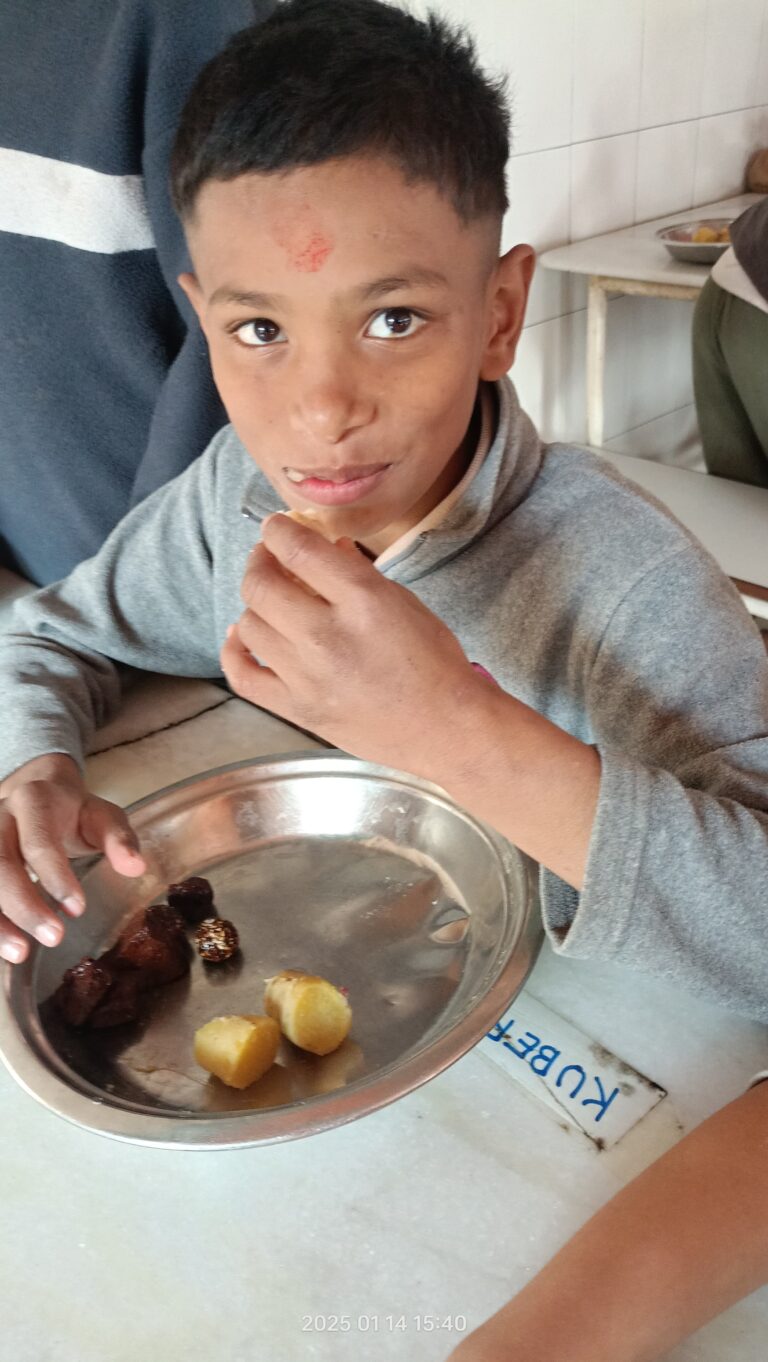
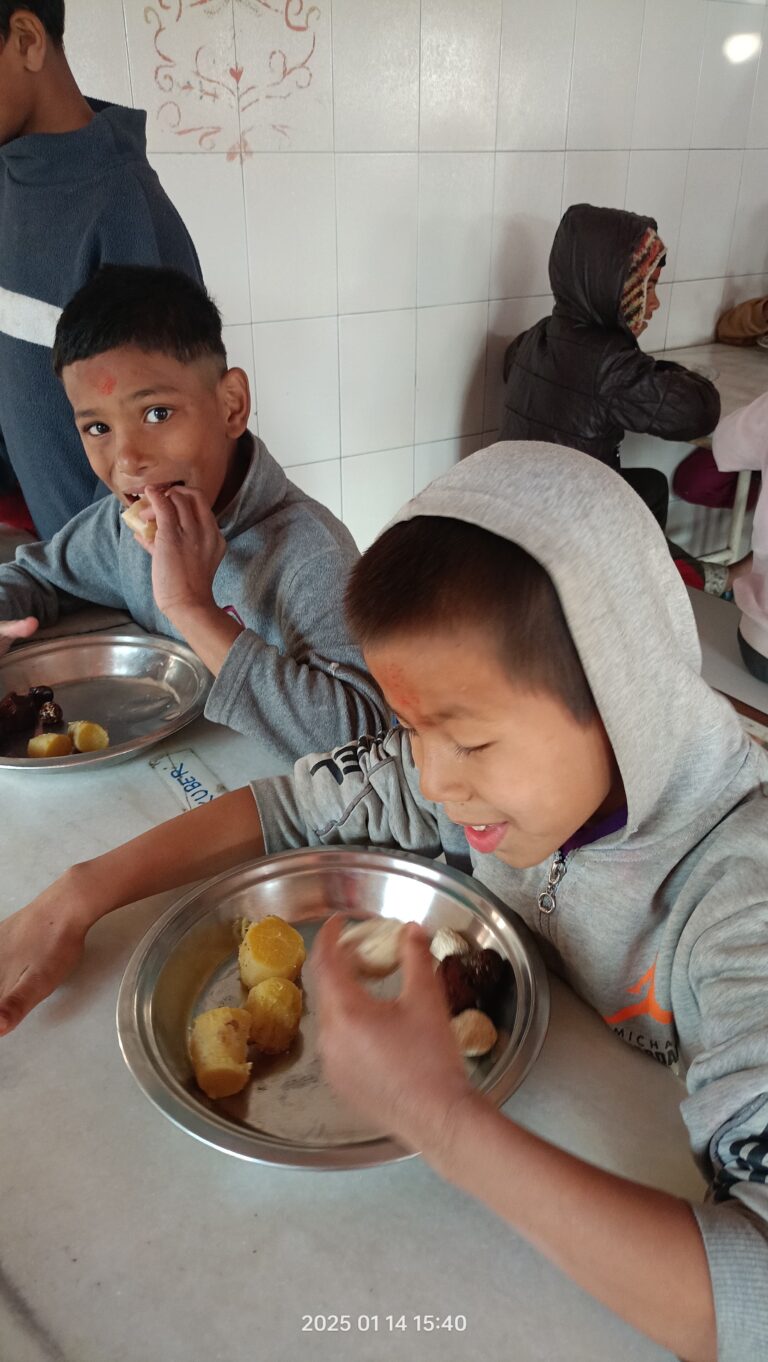
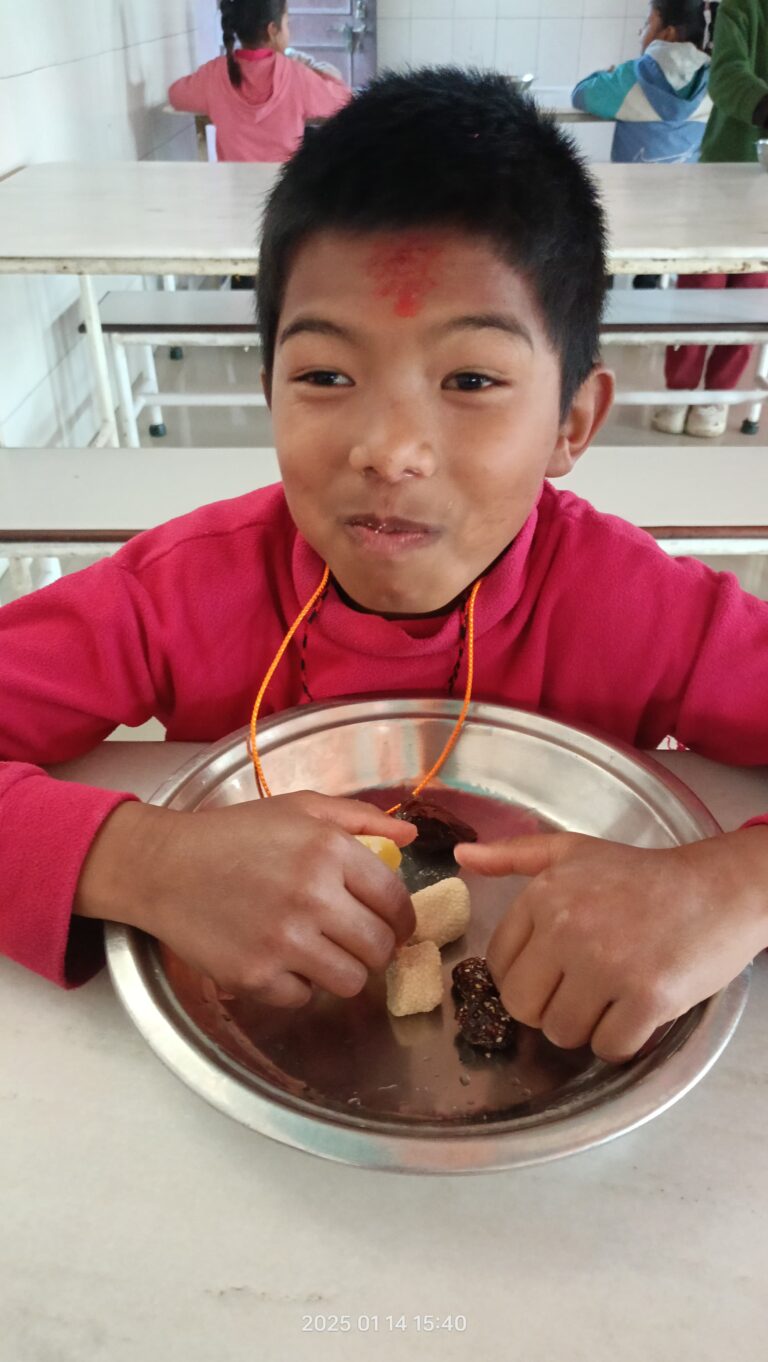
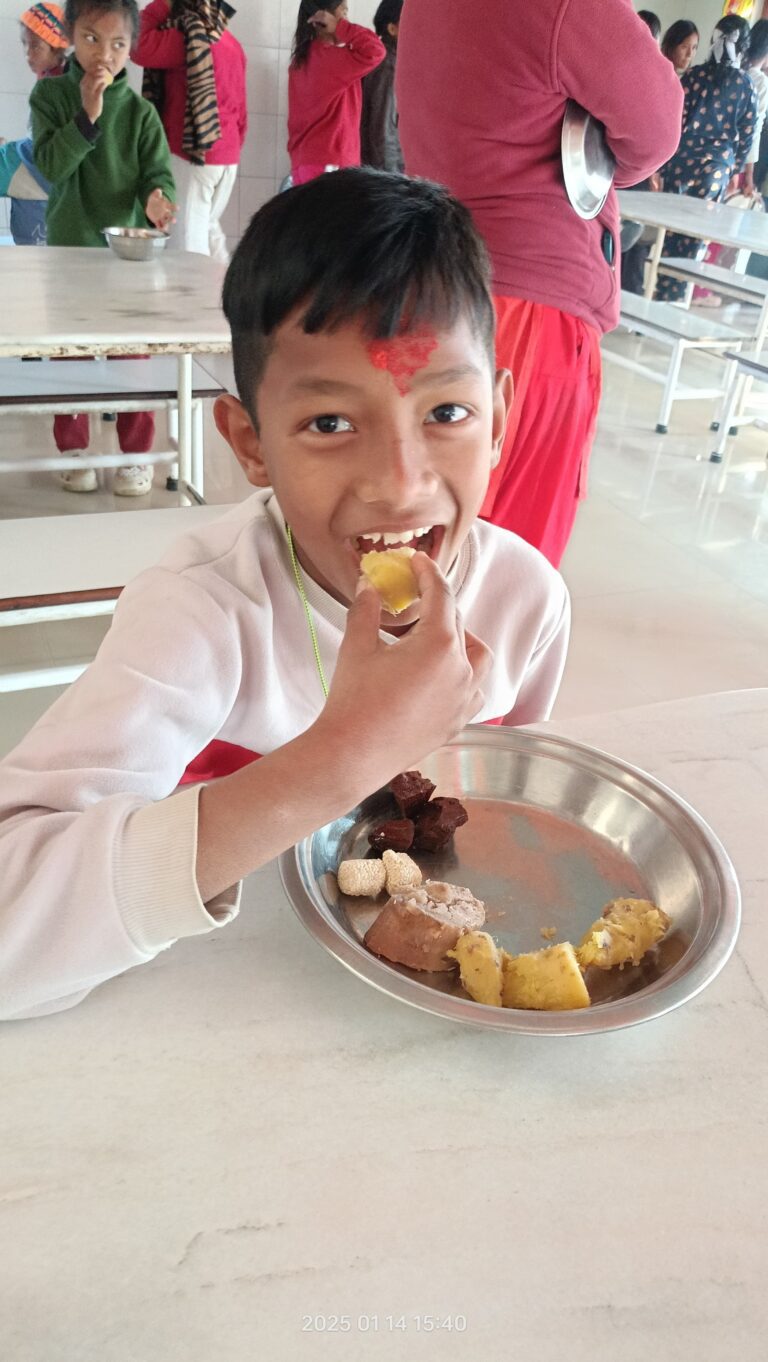
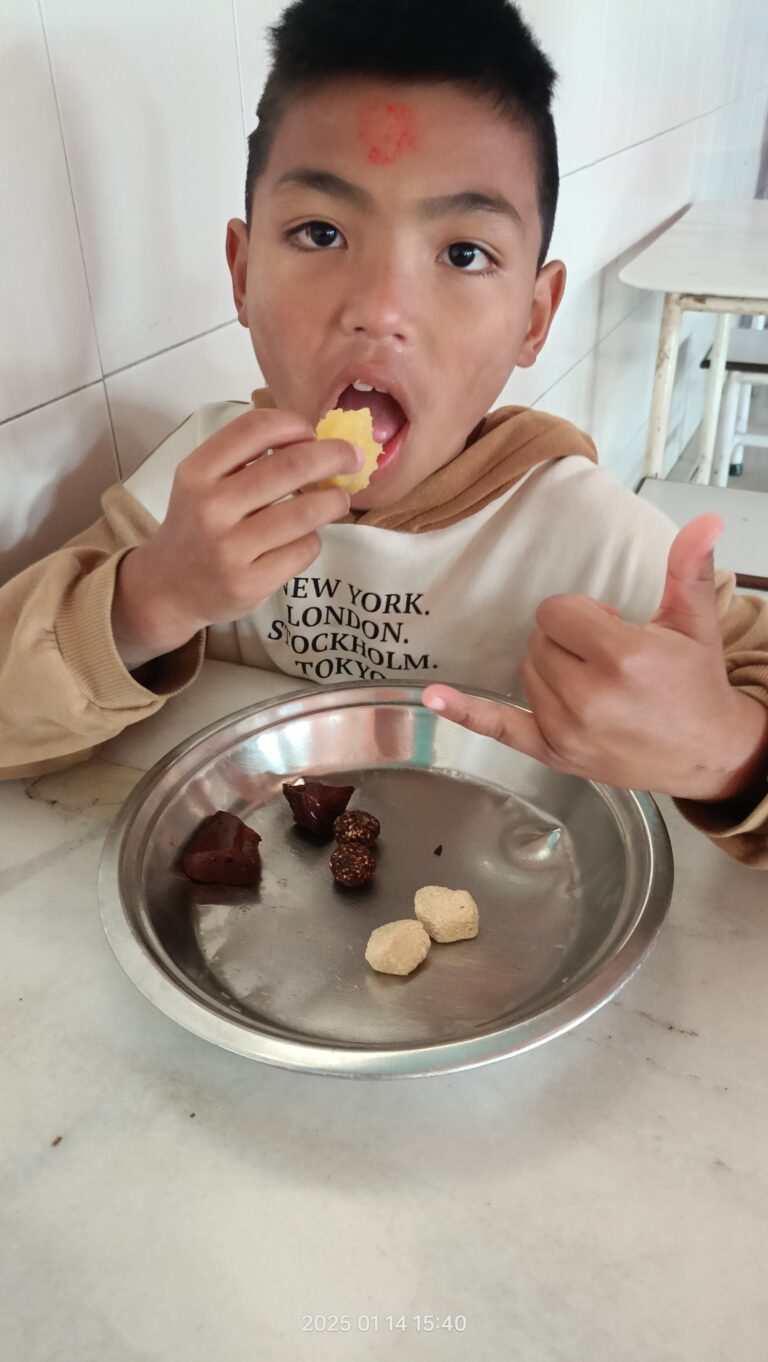
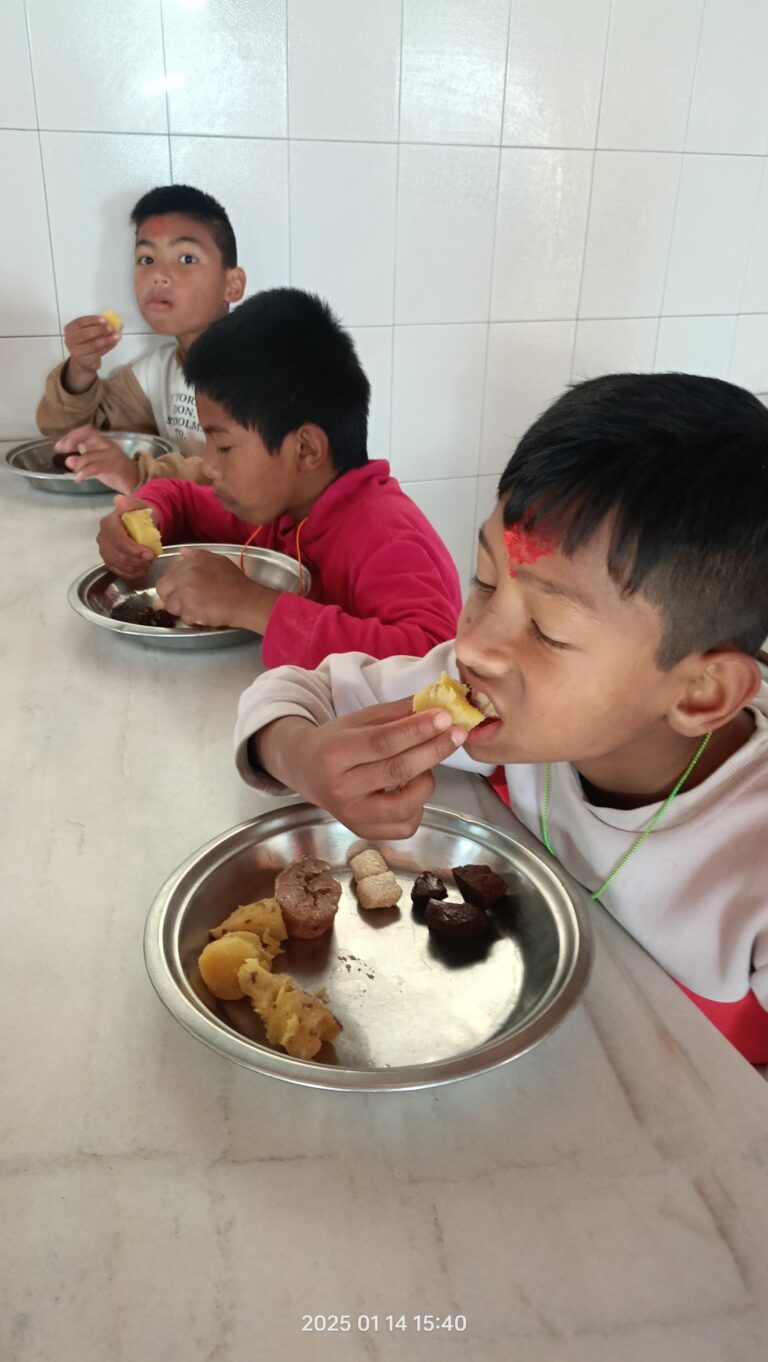
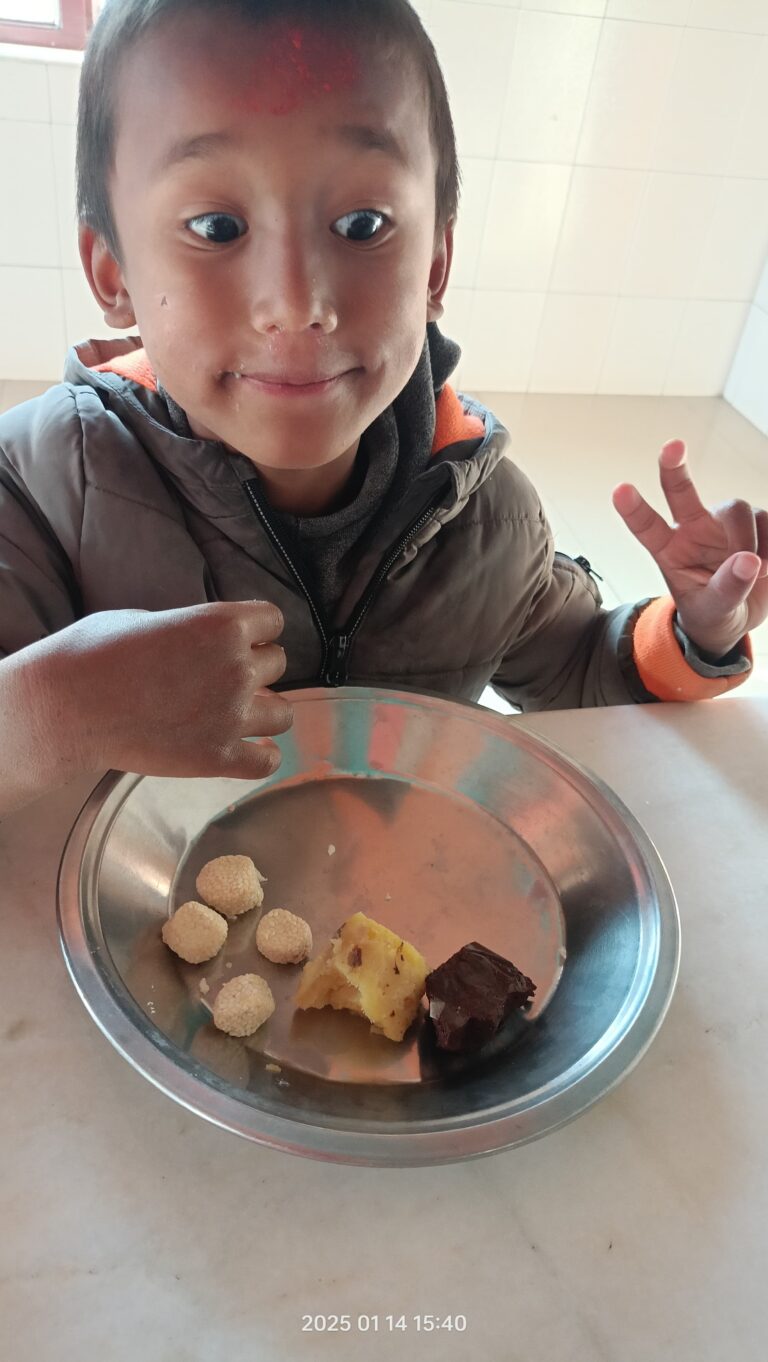
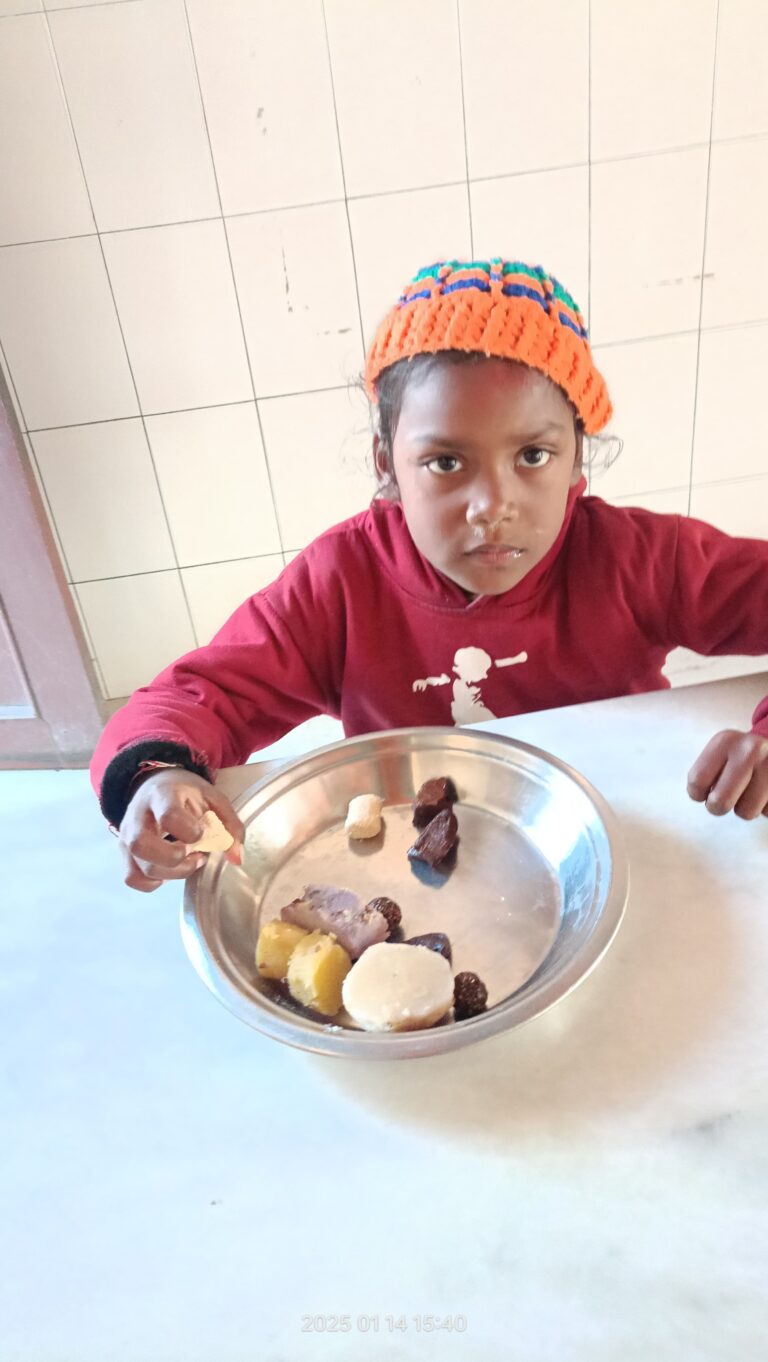
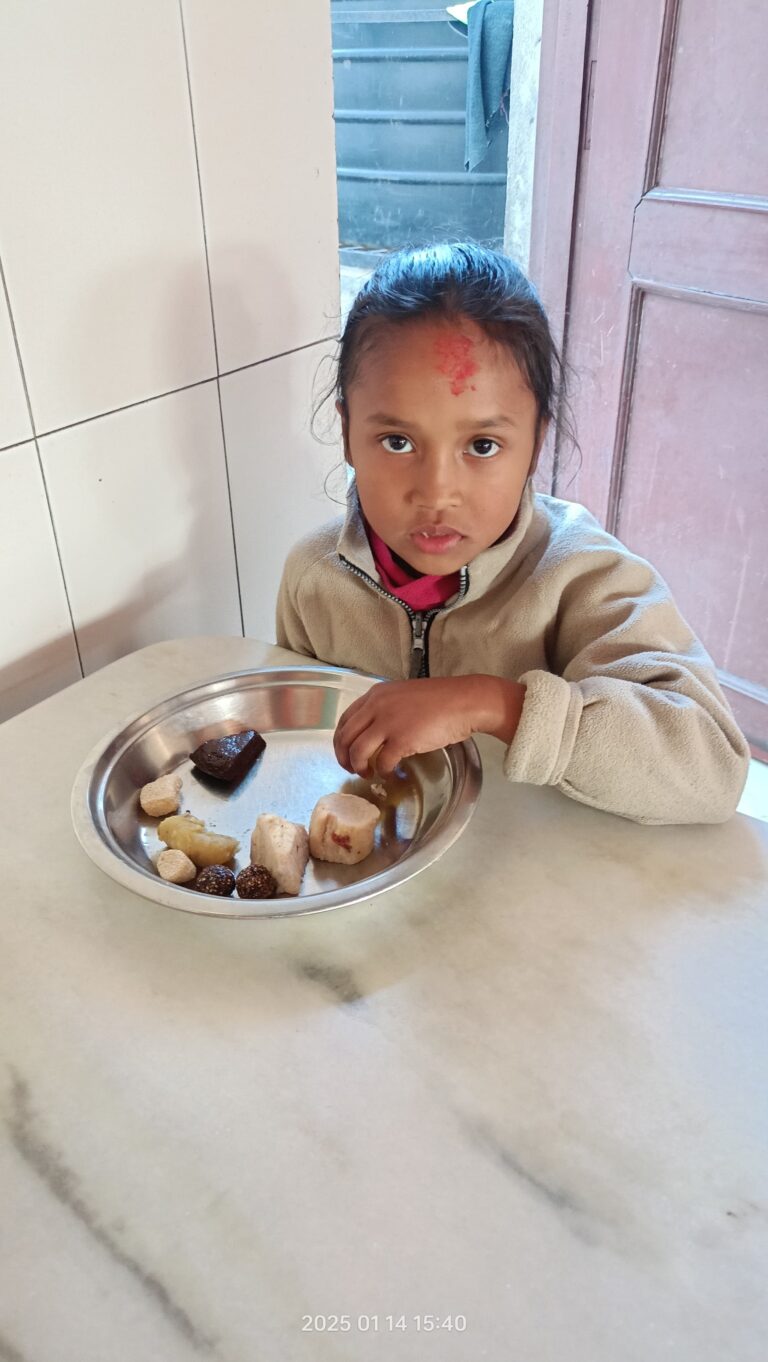
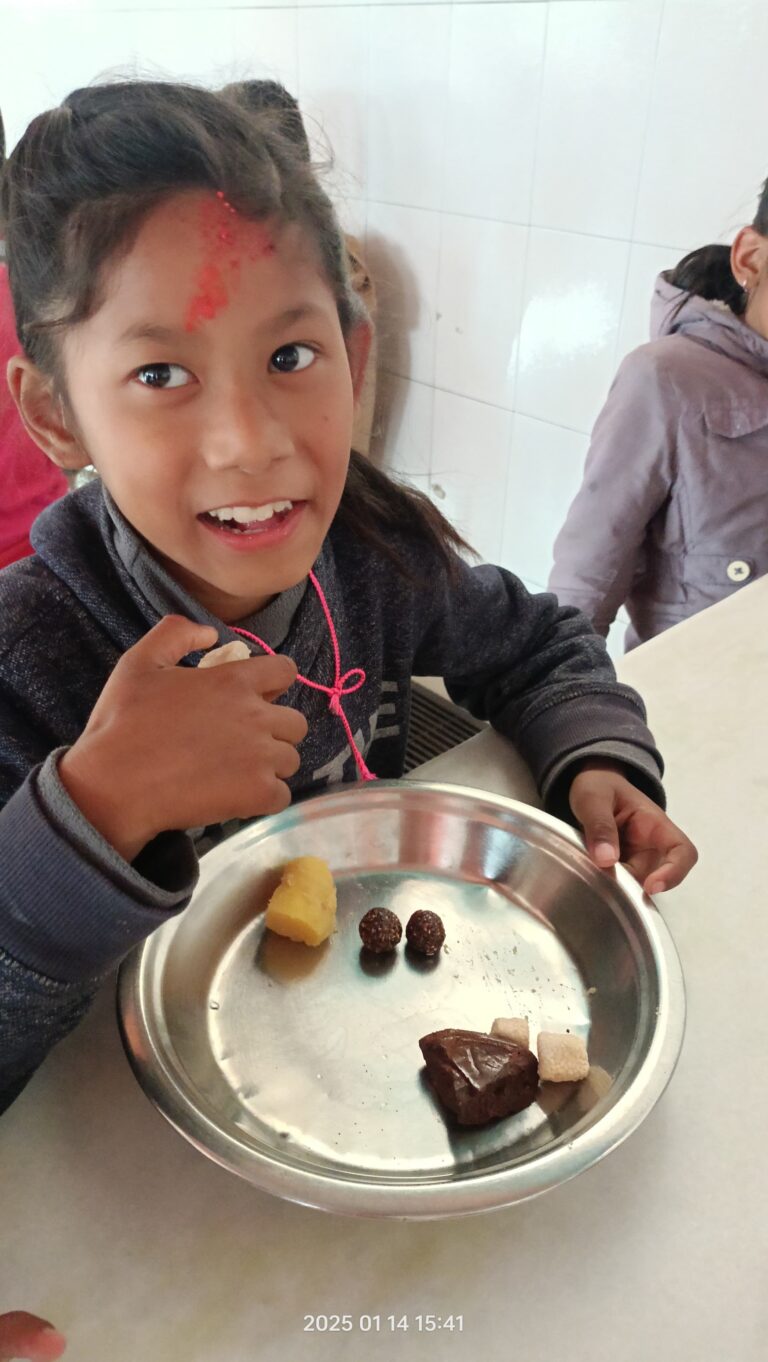
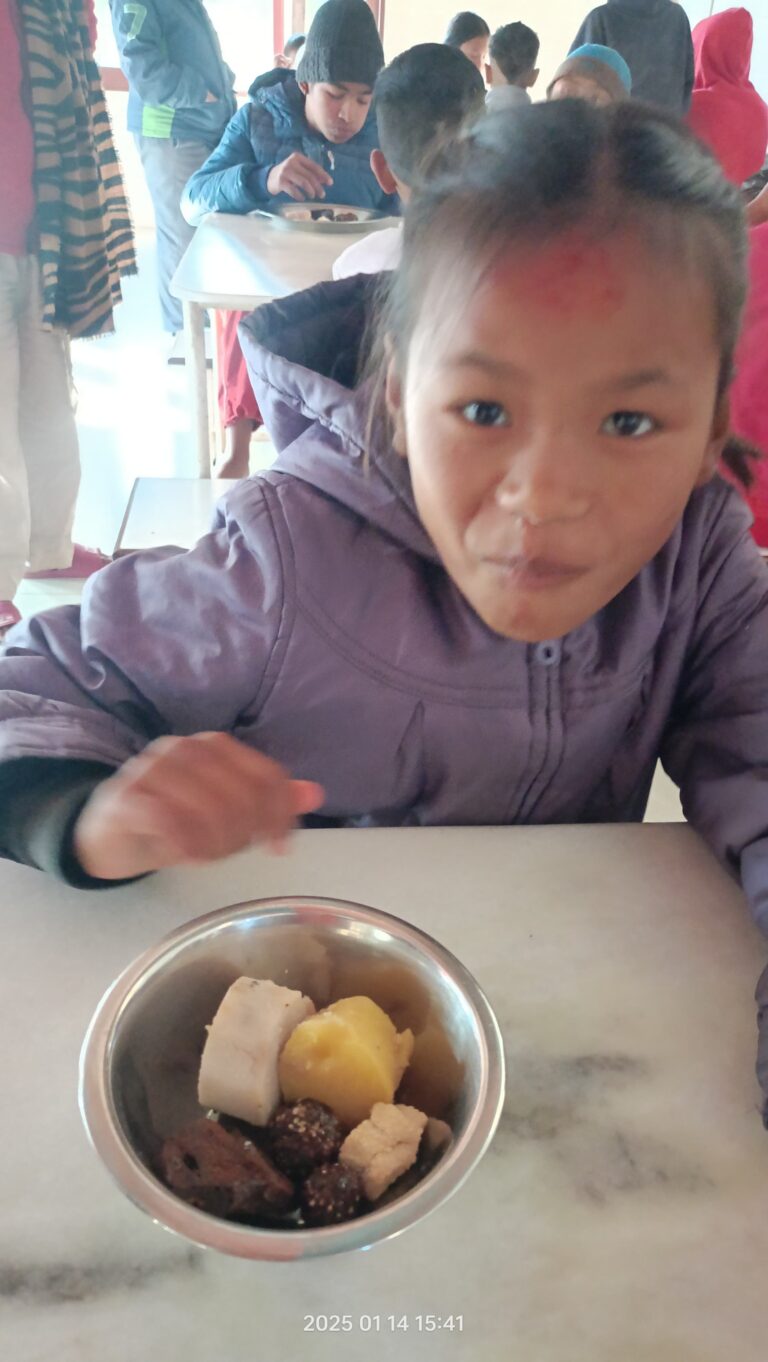
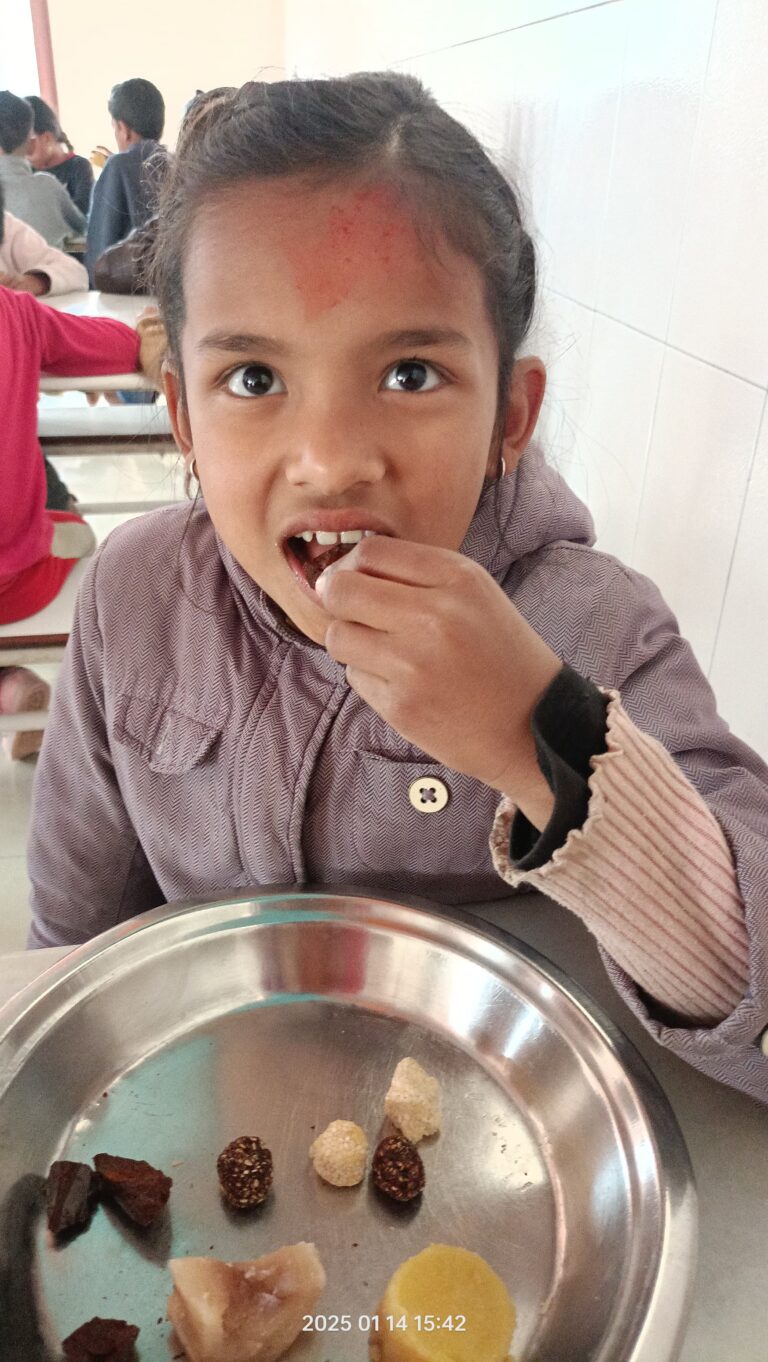
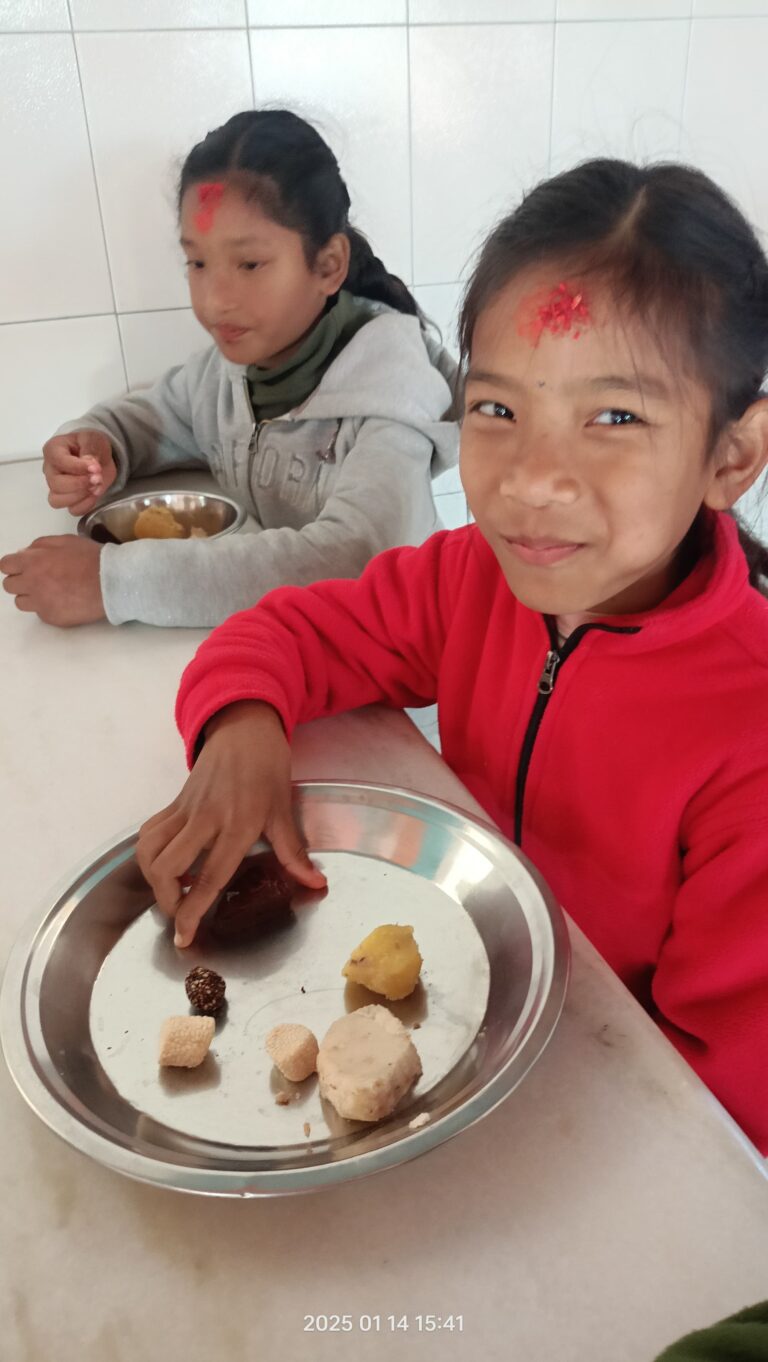
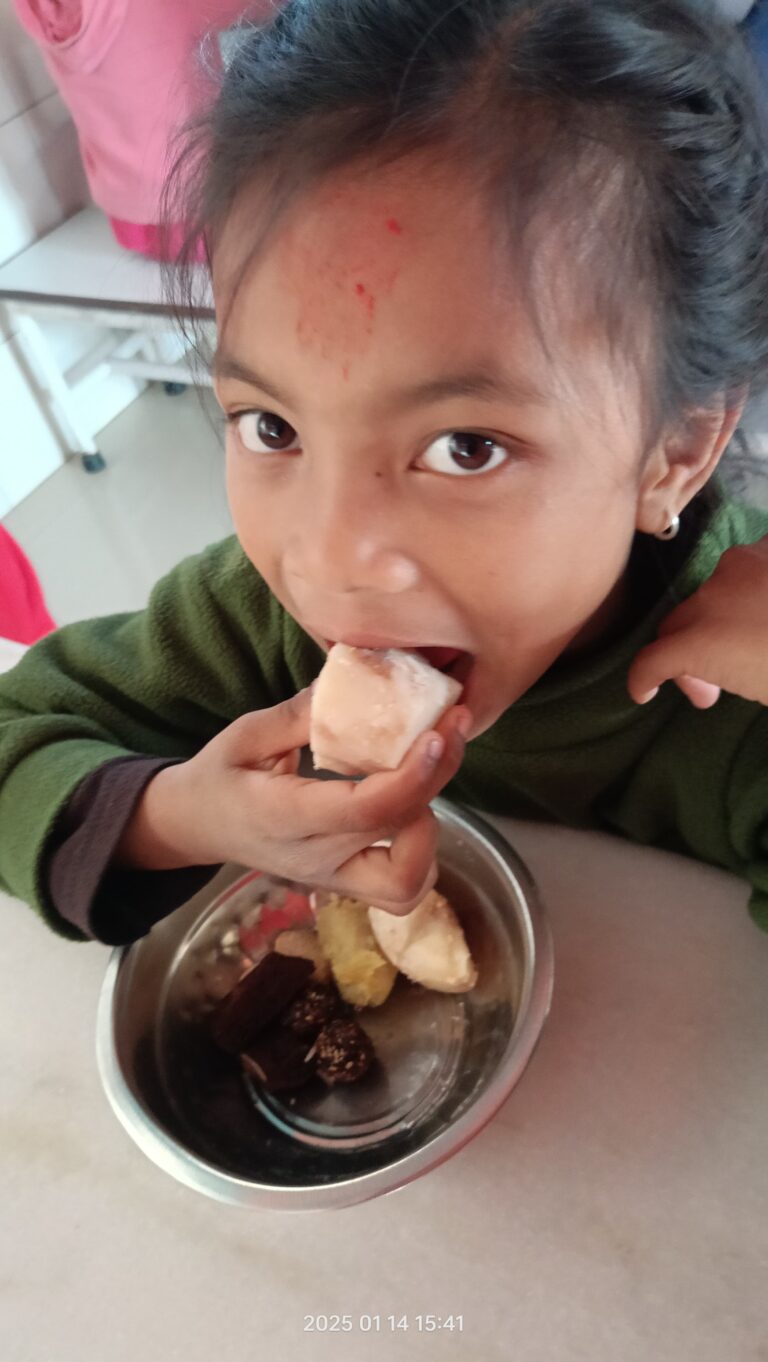
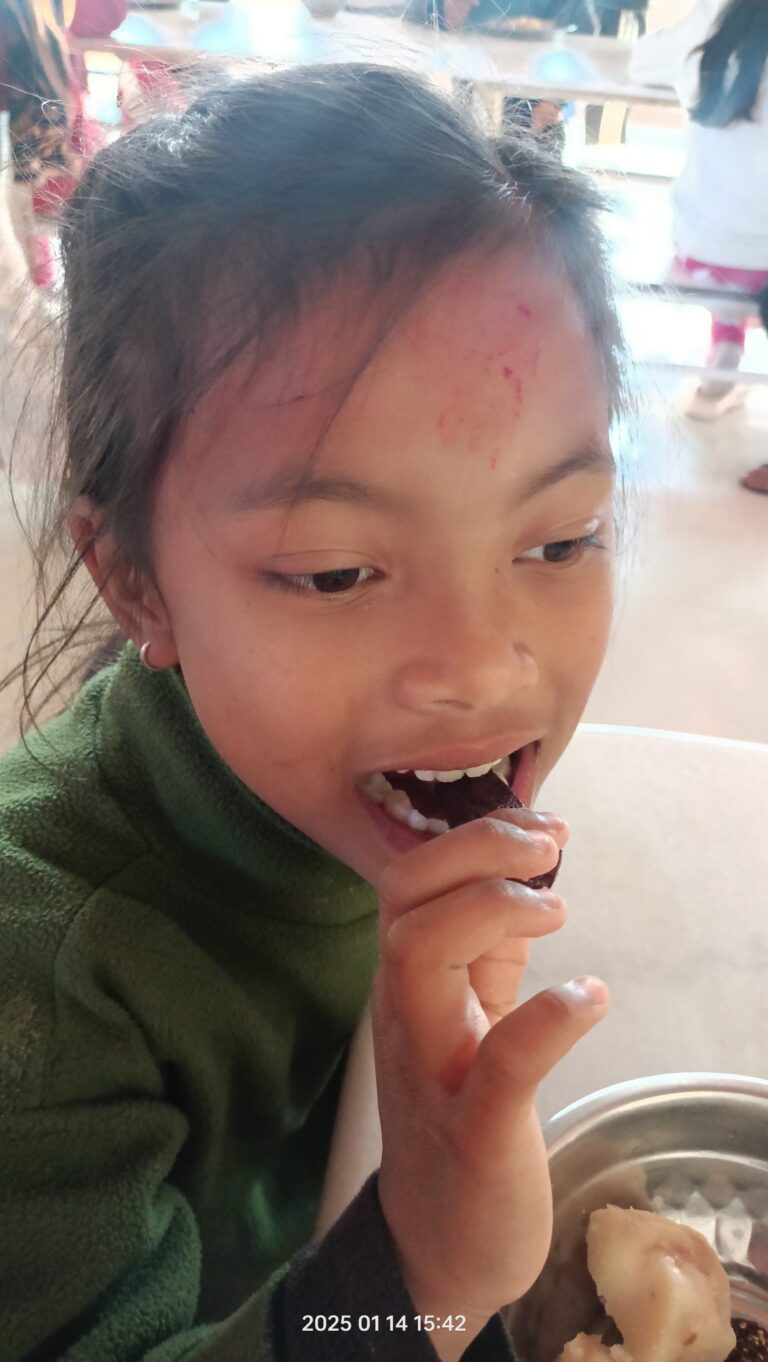
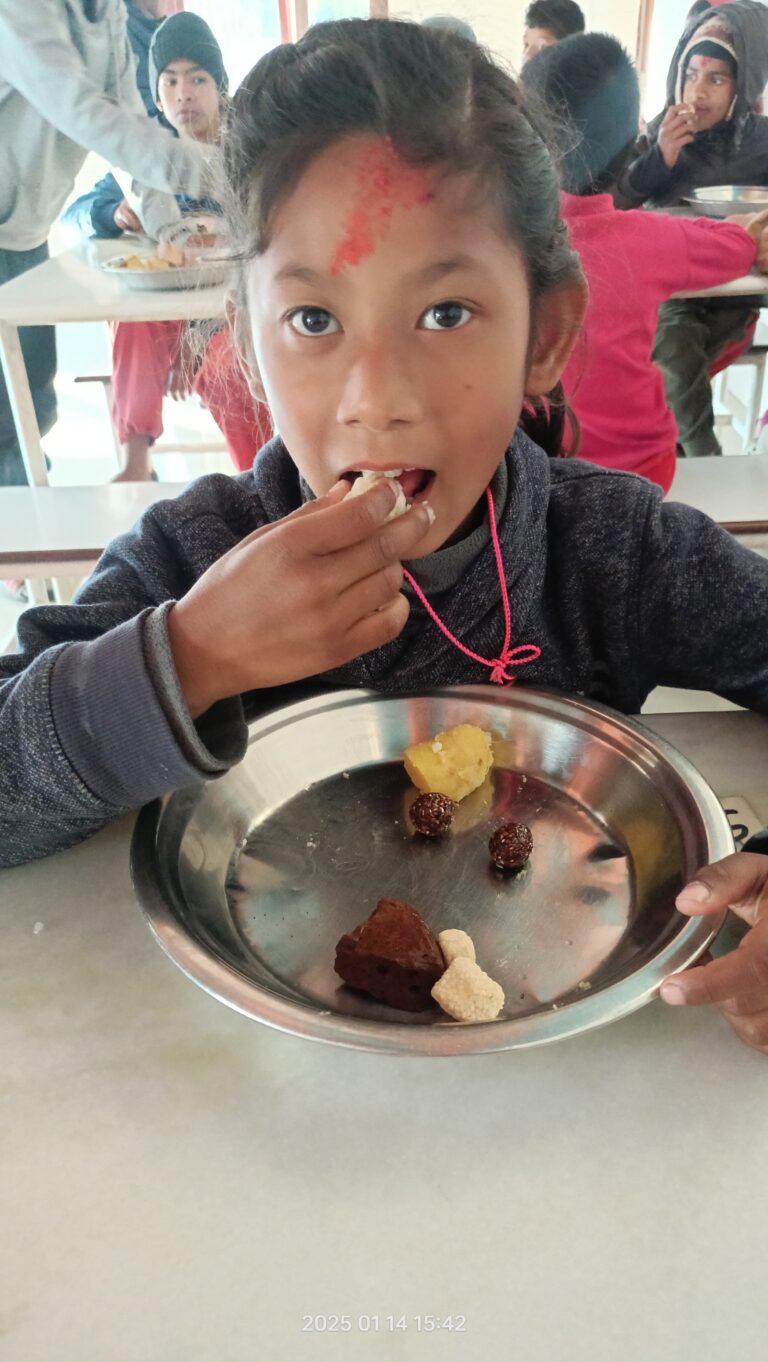
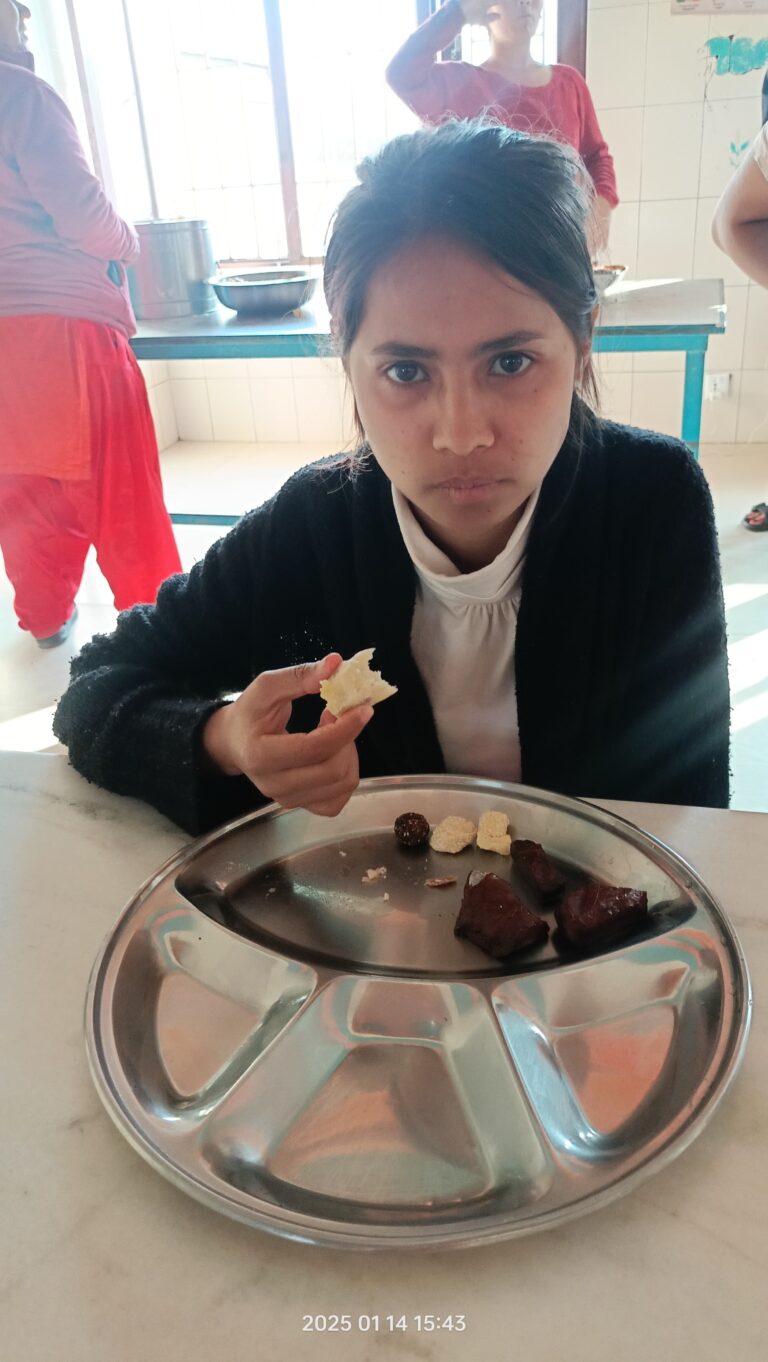
    The children at the home celebrated Maghe Sankranti on 14th January 2025 with enthusiasm and joy. The festive atmosphere brought everyone together as they shared moments of happiness. The highlight of the day for the children was the variety of traditional foods prepared, which they enjoyed together.

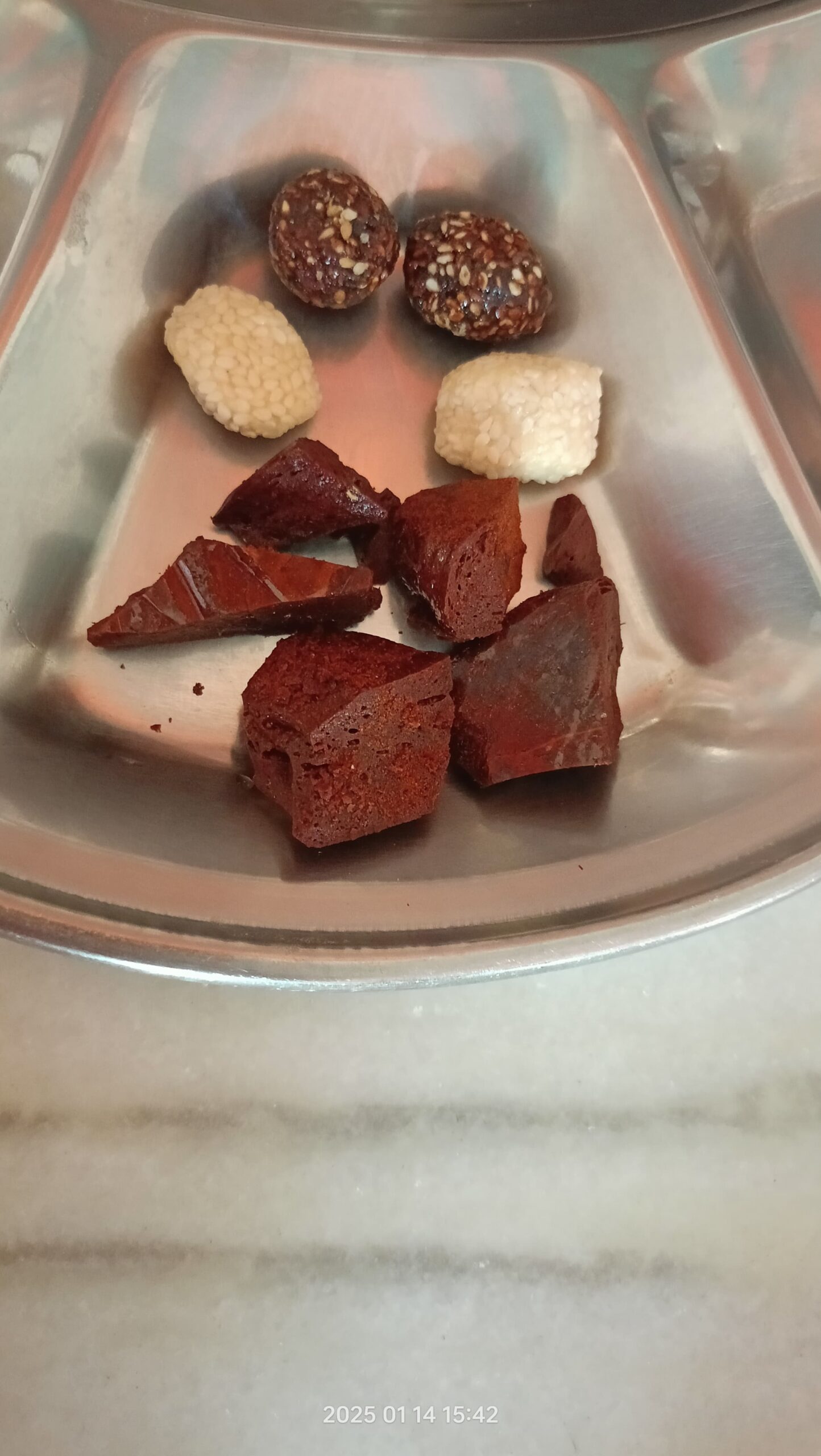
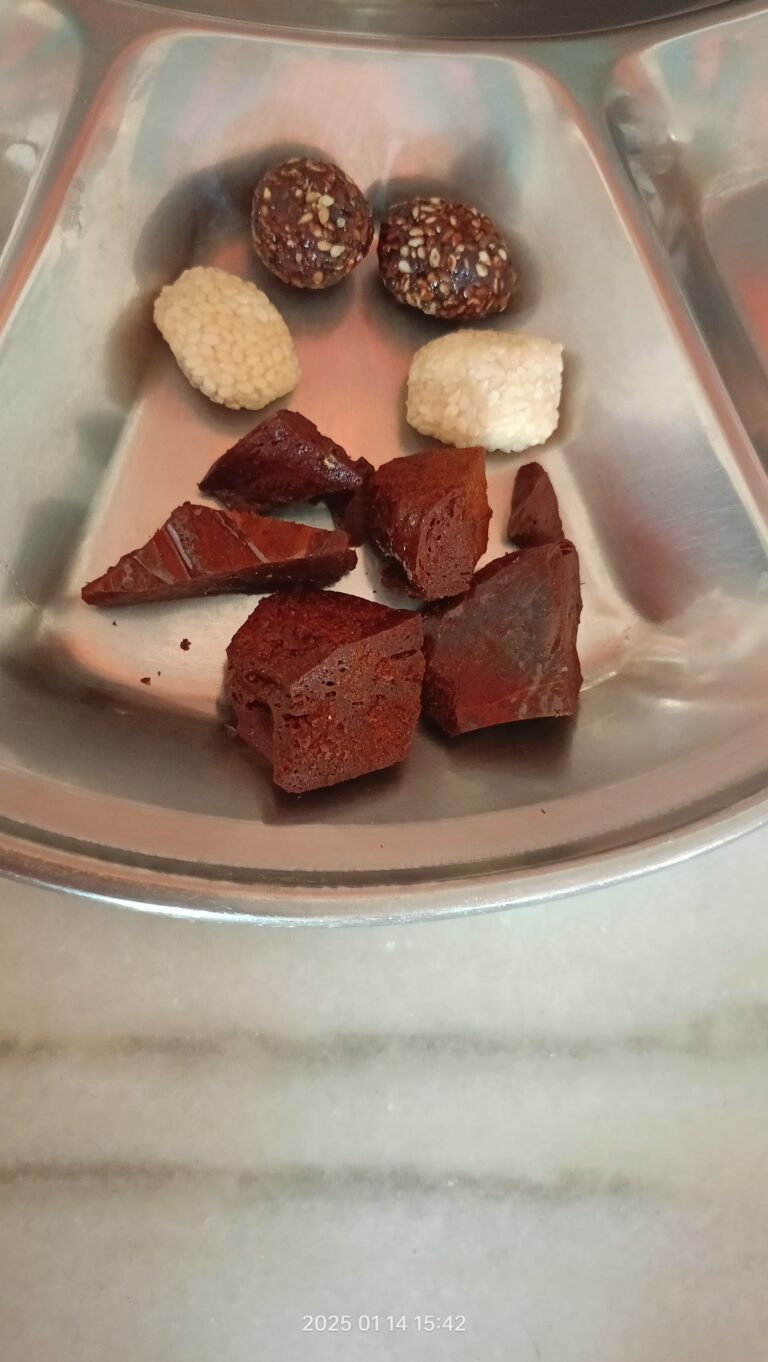
    The children delighted in chaku (molasses), a sticky and sweet delicacy that is essential part of Maghe Sankranti. Chaku, made from sugarcane or jiggery, is not only a favorite for its rich flavor but also valued for its high energy content. The children enjoyed chewing on these dark, glossy pieces, which provided warmth and strength during cold winter day.

    Another favorite on the menu was boiled yam (tarul), a soft and flavorful root vegetable traditionally associated with Maghe Sankranti. Served with a touch of ghee, the yams were both delicious and symbolic, representing health and prosperity. The children eagerly enjoyed the tender texture and earthy taste of this wholesome dish, which is deeply rooted in Nepalese culture.

    Til ladoos, small, round sweets made from sesame seeds and jaggery, were a highlight of the day. These ladoos, known for their nutty flavor and chewy texture, are packed with nutrients that help provide warmth and energy. The children relished these treats, appreciating their sweetness and the festive spirit they symbolized.

    Another delightful addition to the feast was sakkhar (sugar cubes), which added a simple yet indulgent sweetness to the meal. The children enjoyed nibbling on these small, crunchy cubes, which complemented the other traditional dishes. Sakkhar added an extra touch festivity and joy to the celebration.

    Finally, white sesame seed ladoos completed the meal. It’s made by mixing jaggery, ghee, and white sesame seeds. The children enjoyed the nutty, sweet, and slightly earthy notes, combined with a satisfying chewy and slightly crunchy texture. The children enjoyed this hearty and filling addition, which brought a sense of completeness to the feast.

    Together, these traditional foods created a memorable, nourishing experience for the children, blending the flavors of Maghe Sankranti with the warmth of togetherness and celebration.

    Importance of Maghe Sankranti

    Maghe Sankranti holds great cultural and spiritual significance in Nepal. It marks the beginning of a new season, symbolizing renewal, growth, and prosperity. Traditionally, it is considered an auspicious time to perform rituals and make offerings for blessings and well-being. The foods prepared during the festival, such as sesame seeds, ghee, and chaku, are rich in nutrients and are believed to provide warmth and energy during the cold winter and months. The festival also fosters unity, as people come together to celebrate, share meals, and strengthen social bonds.

    Conclusion

    Maghe Sankranti at the Children’s Home was a heartwarming celebration that brought joy and togetherness. The children enjoyed the traditional foods, which were not only delicious but also carried cultural and nutritious significance. The festival provided an opportunity to instill values of sharing, gratitude, and cultural pride among the children. Celebration like these creates lasting memories and reinforces the importance of community and tradition in their lives.

    Photos of the Celebration

  • The Joyous Celebration of Christmas at the Children’s

    The Joyous Celebration of Christmas at the Children’s

    Christmas, celebrated on December 25th each year, is a cherished holiday that marks the birth of Jesus Christ. It is a time to reflect on the values of love, hope, and generosity. Across the world, people commemorate this special day with traditions like decorating Christmas tree, exchanging gifts, singing carols, and sharing festive meals. At its heart, Christmas reminds us of the importance of kindness, togetherness, and spreading joy to others.

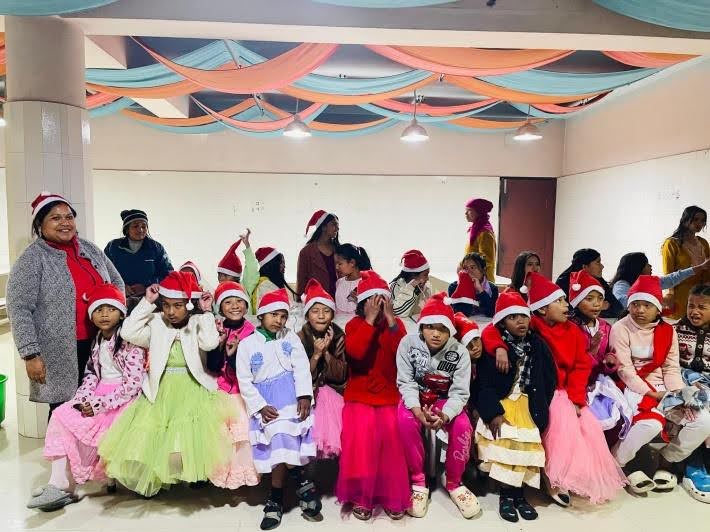
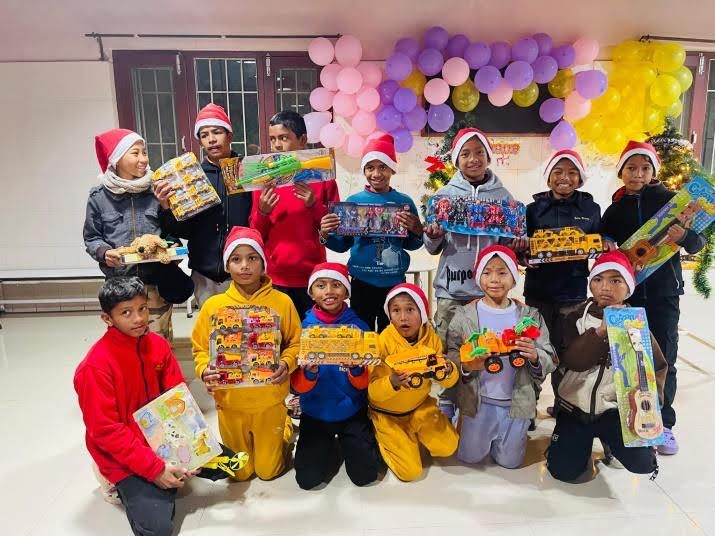
    This year, the Children’s Home celebrated Christmas with great excitement and happiness. The festivities kicked off in the evening, with children wearing bright red Christmas caps, embodying the joy and warmth of the season, surrounded by vibrant balloons and a beautifully decorated Christmas tree. The Children’s Home was buzzing with excitement as the children eagerly awaited the highlight of the day- special gifts sent to them by their beloved sisters, Pooja Chaulagain and Jamuna Bhandari, who were once residents of the Home.
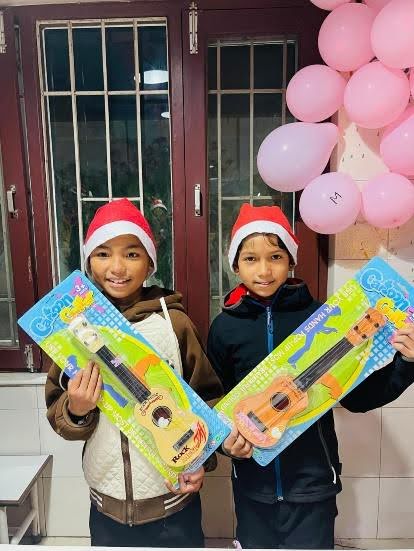
    Although Pooja and Jamuna couldn’t attend in person, their love and care were felt in every gift they sent. The children unwrapped a delightful assortment of presents, including toy trucks, ukuleles, chocolates, hair bands, and an array of other fun toys. Each gift was thoughtfully chosen to bring joy to the children, and their laughter and excitement lit up the room. The toys encouraged play and creativity, while the ukuleles brought music to the day, as the children happily strummed and sang songs.
    The gifts were more than just objects- they were a symbol of the sisters’ enduring connection to the Children’s Home and their desire to give back to a place that had once been their safe haven. Even from afar, Pooja and Jamuna’s kindness and generosity touched the hearts of everyone present, reminding them of the true essence of Christmas. The celebration continued with the children sharing festive treats and enjoying the day together. The air was filled with joy and gratitude, making it a truly special occasion for everyone involved.
    As the day came to an end, Children’s Home would like to extend heartfelt thanks to Pooja and Jamanua for their thoughtfulness. Their gifts not only brought smiles to the children’s faces but also inspired them with the spirit of giving and compassion.
    This Christmas celebration was a testament to the power of love and generosity. For the children at the Home, it was a day filled with joy, warmth, and memories that they will treasure forever. It perfectly captured the magic of Christmas- a time to give, to share, and to remind each other that love knows no boundaries.
    Photos of the Celebration