Category: Festivals

Events & Festivals

  • Holi Celebration at Children’s Home

    Holi Celebration at Children’s Home

    Holi is a vibrant and joyful festival celebrated mainly in India and Nepal, marking the arrival of spring and the victory of good over evil. It is known as the festival of colours, where people gather to apply coloured powders and splash water on one another as a symbol of love, unity, and happiness. Holi also carries religious significance, connected to the legend of Prahlad and the triumph of devotion and righteousness. Families and friends come together to sing, dance, share sweets, and forgive past misunderstandings. The festival promotes harmony, equality, and togetherness, bringing people closer and spreading positivity in the community. 

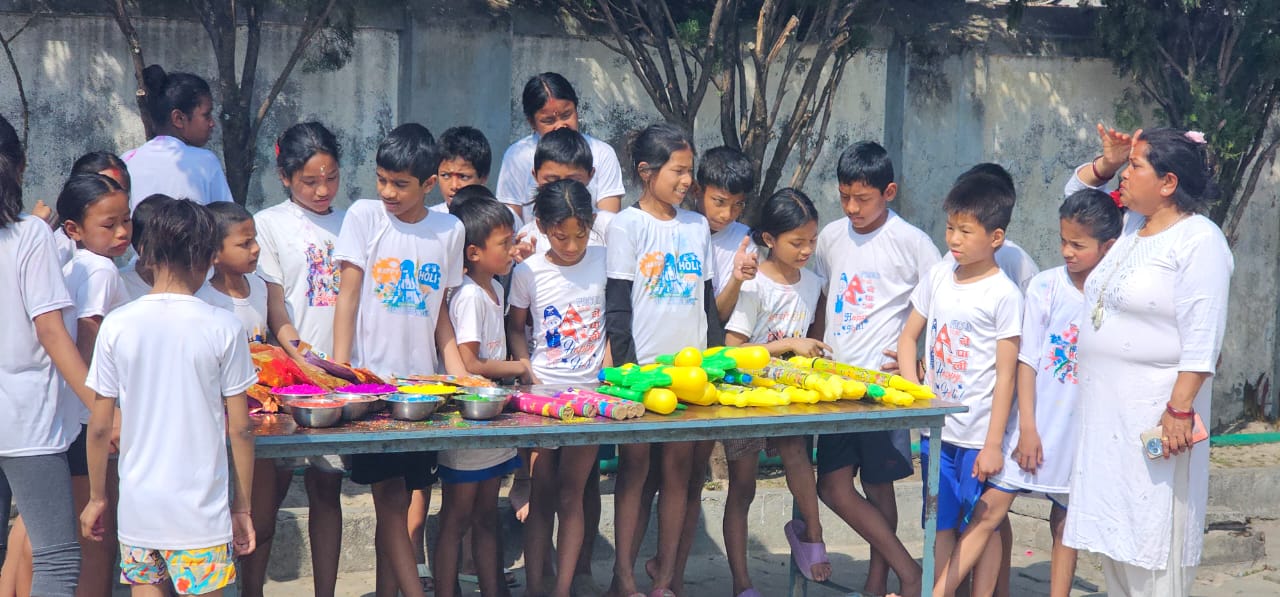
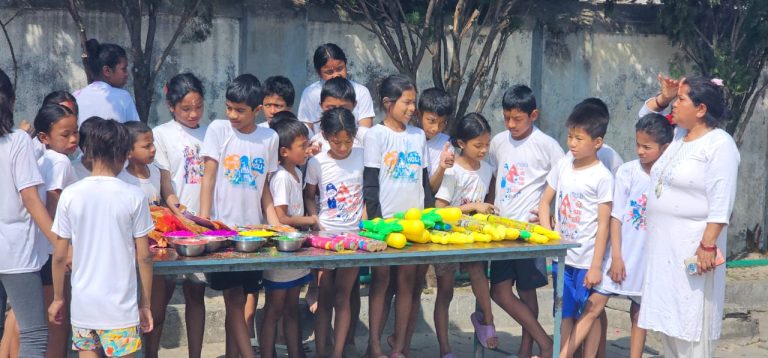
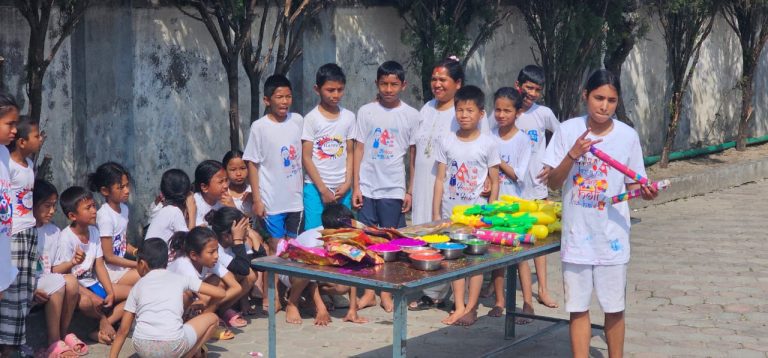
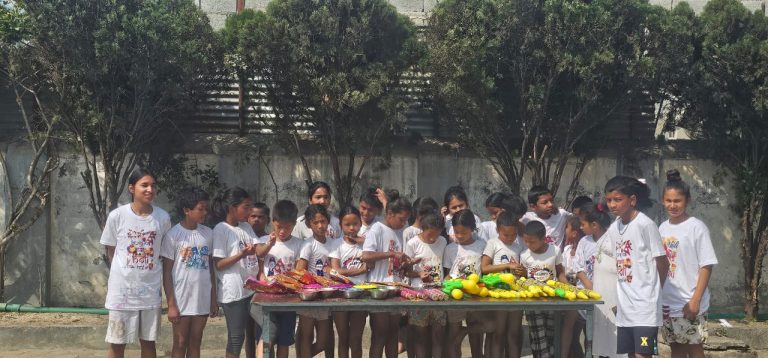
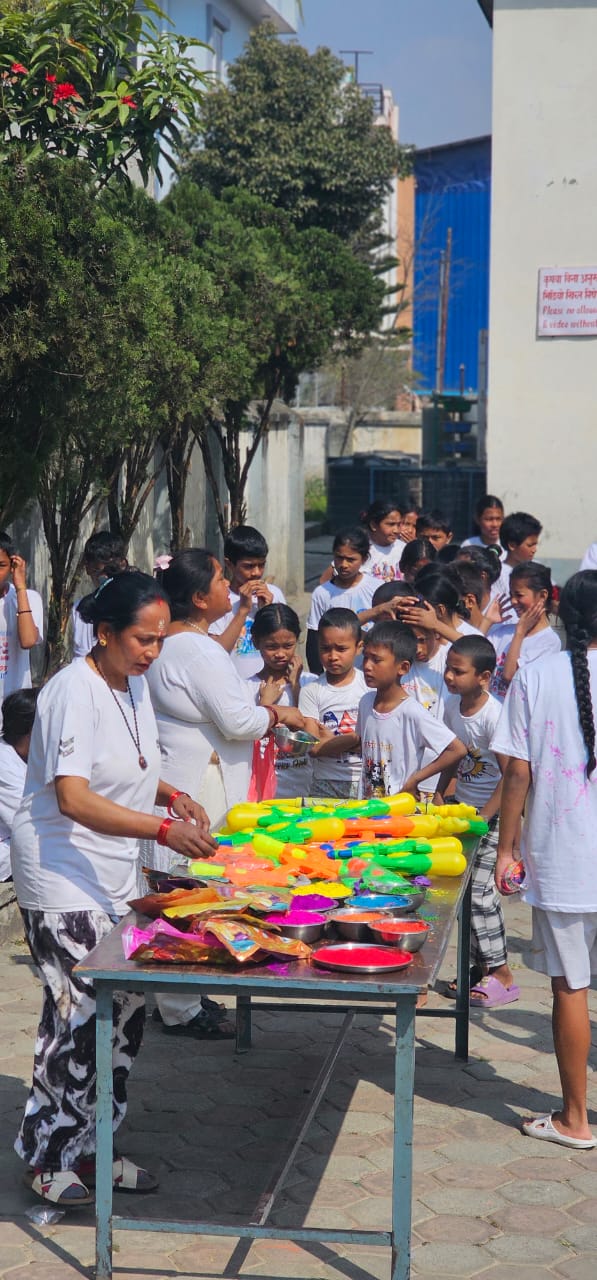
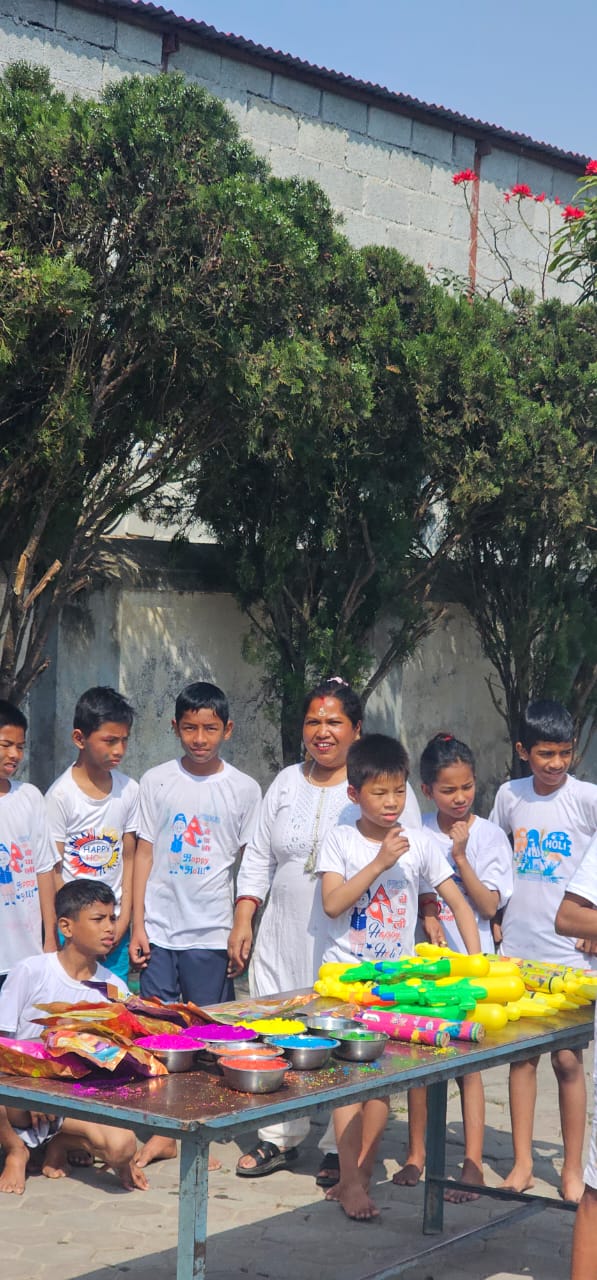
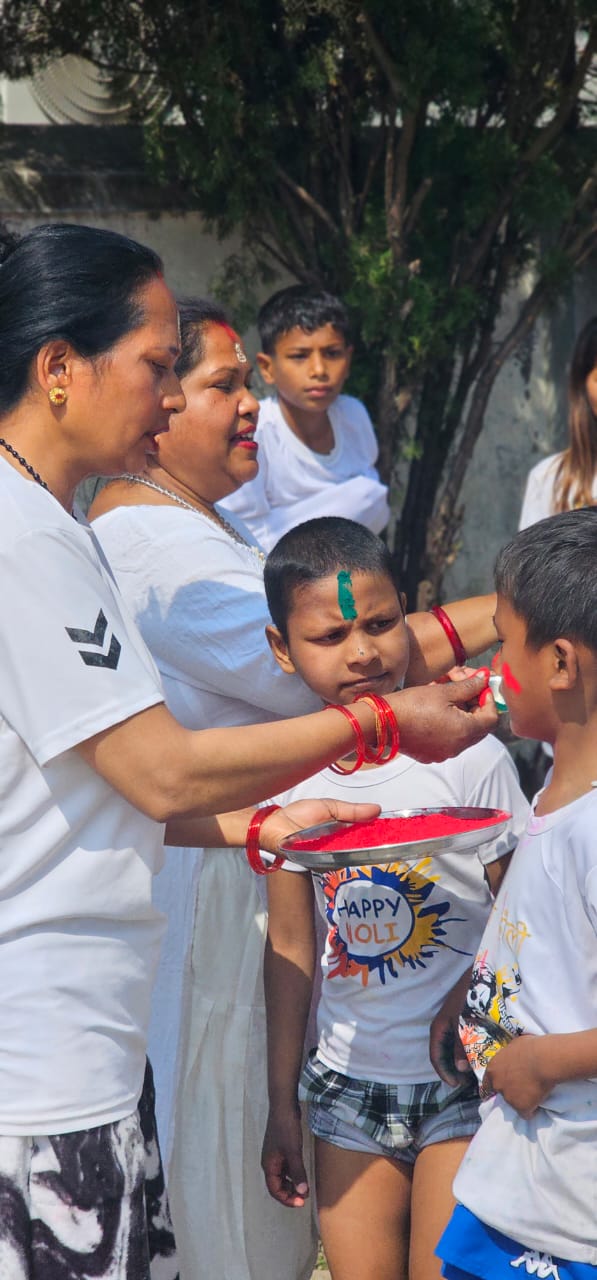
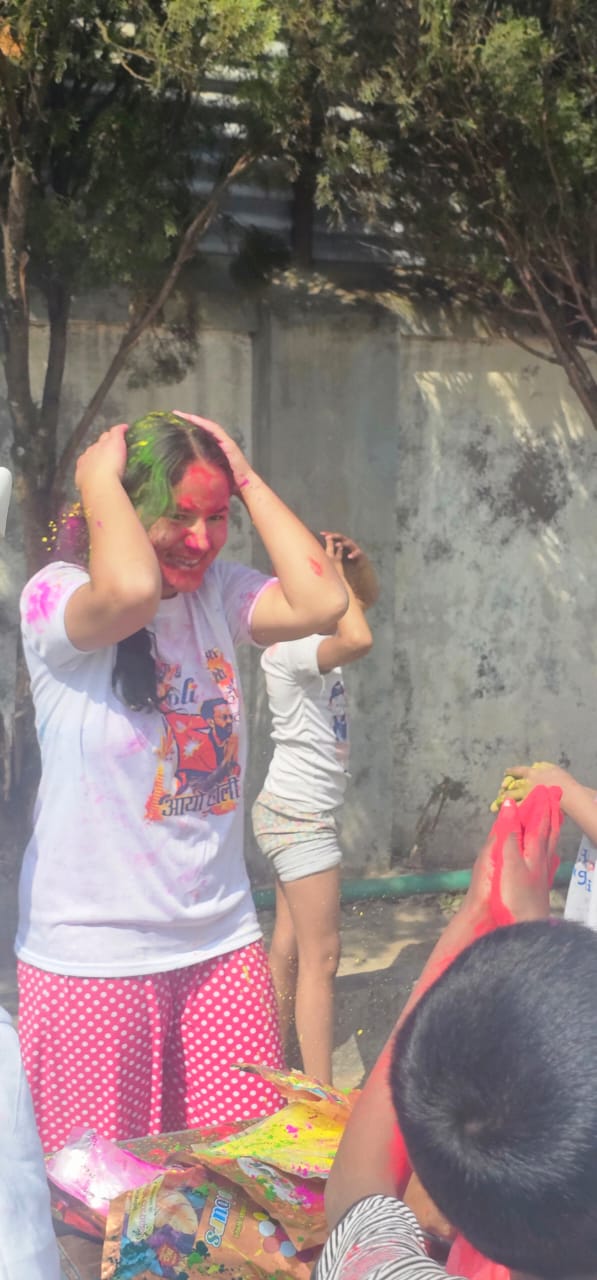
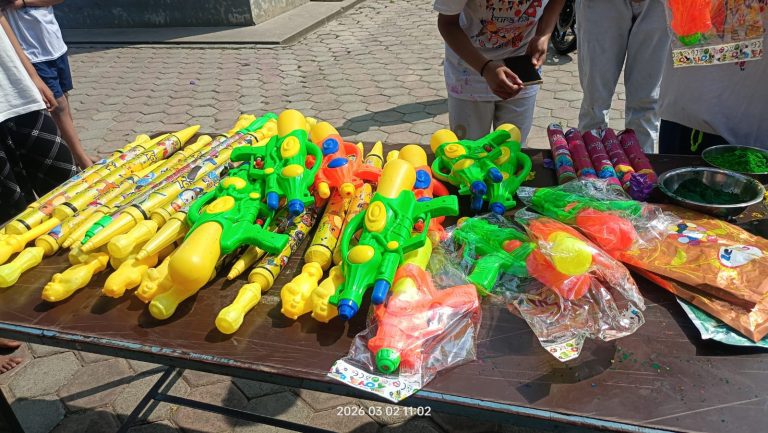
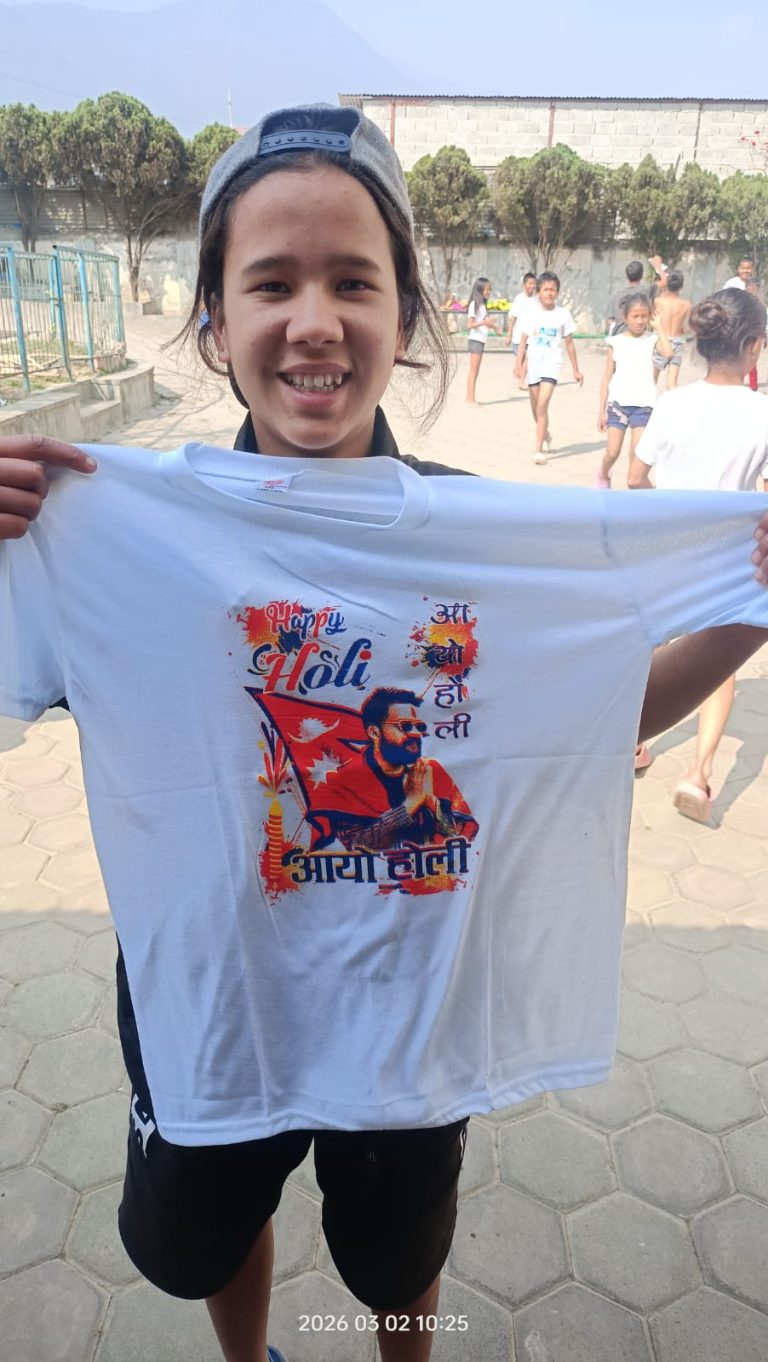
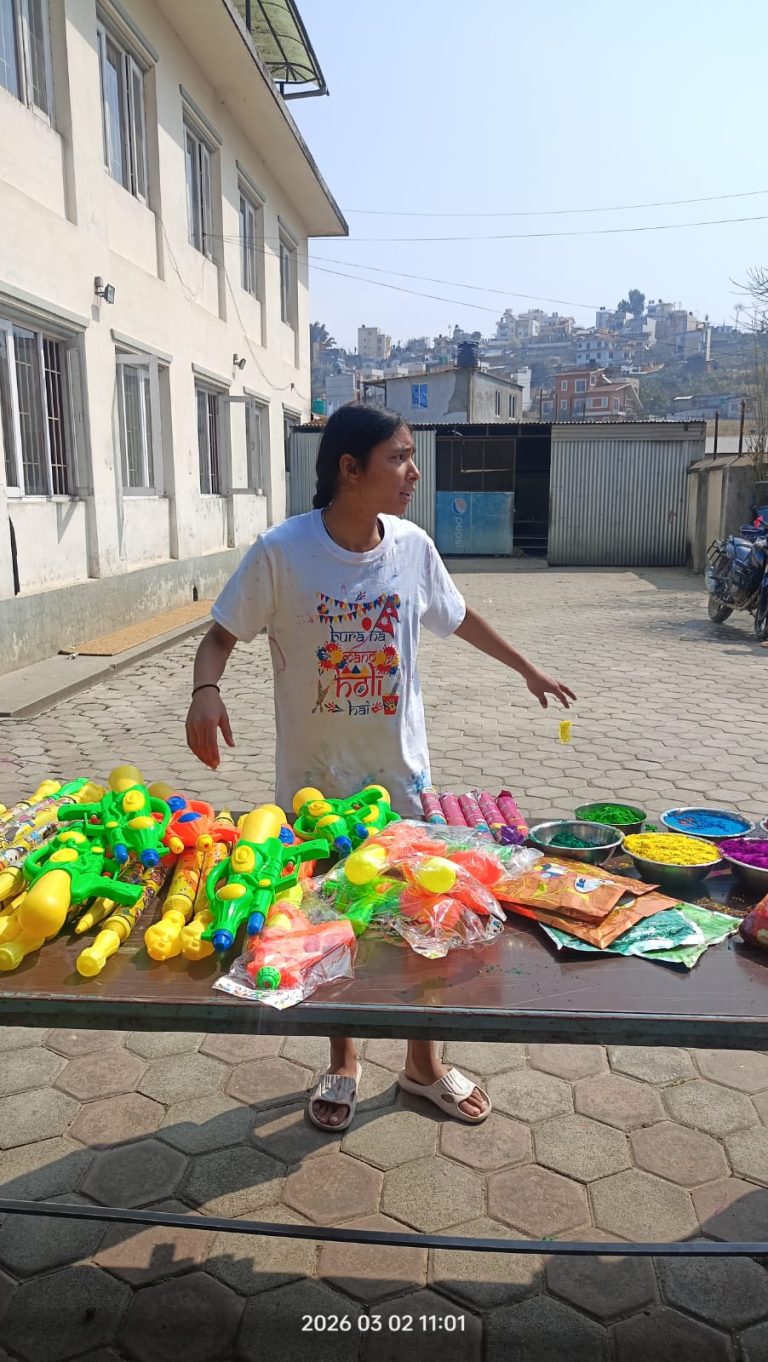
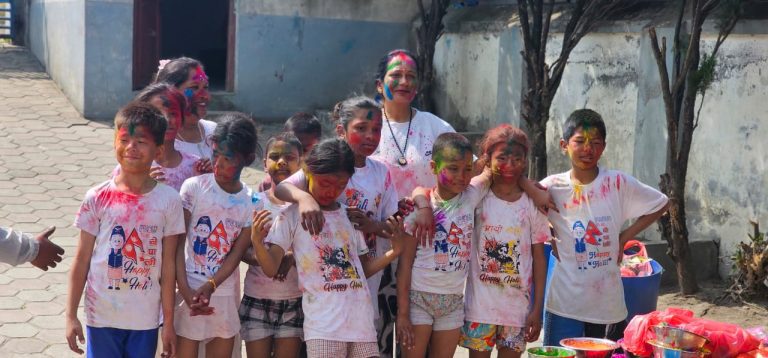
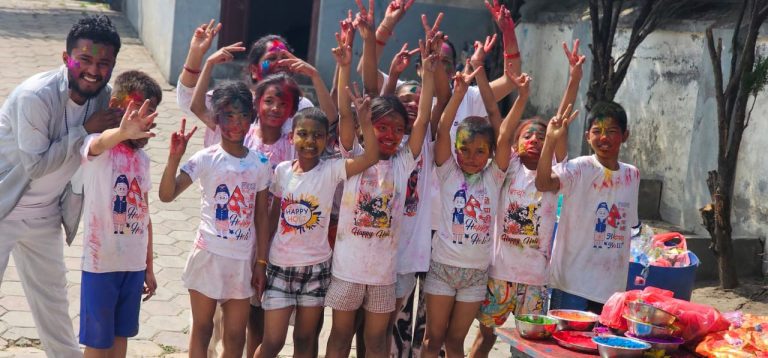
    The Children’s Home celebrated Holi on March 2nd with great joy, excitement, and togetherness. From early morning, there was a sense of happiness and anticipation among all the children and staff members. The atmosphere was filled with laughter, music, and colourful preparations as everyone gathered in the courtyard to begin the celebration. A large table was arranged in the open space with bright colours neatly placed in bowls. Water balloons and colourful water guns were also kept ready, adding more excitement to the occasion. The children, dressed in white t-shirts, were eagerly waiting to start playing with colours. Their white clothes soon became a beautiful canvas of bright red, blue, green, and yellow shades. 

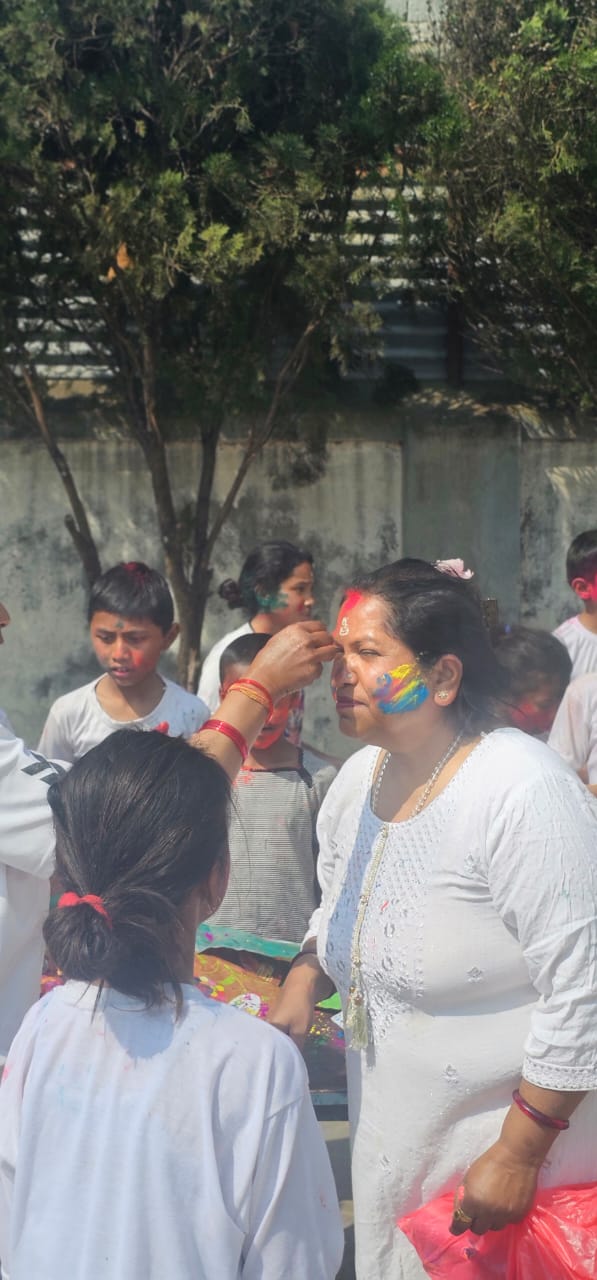
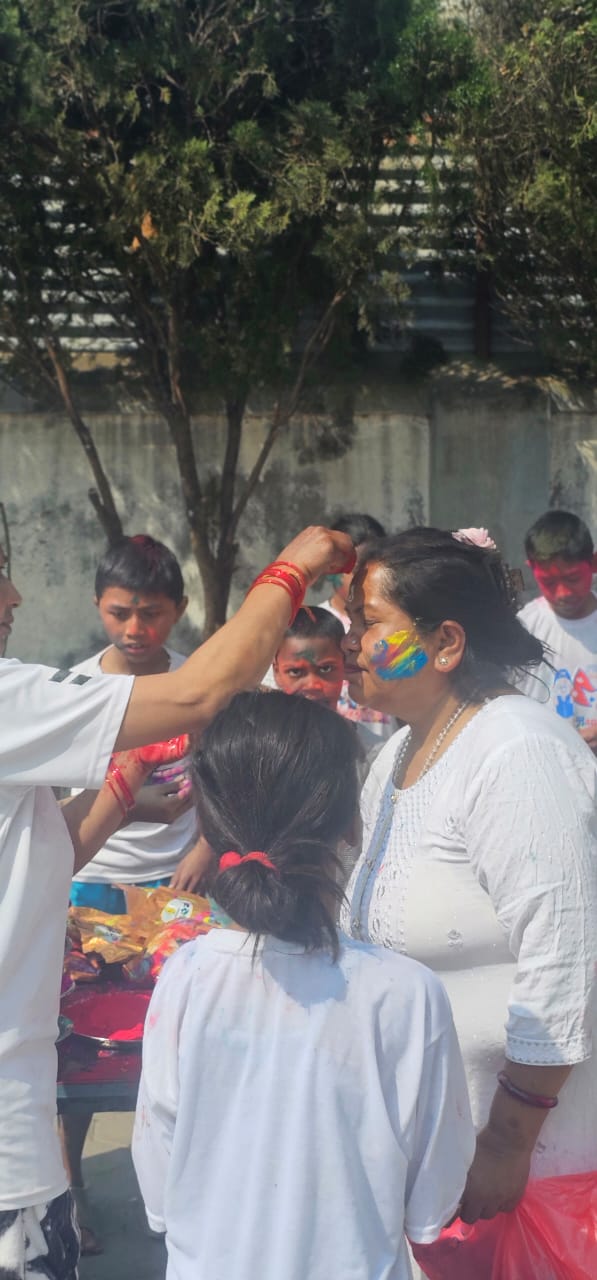
    Before beginning the celebration, the staff members guided the children about playing Holi safely and respectfully. They were reminded to apply colours gently and ensure that everyone felt comfortable and happy. This guidance helped create a positive and caring environment throughout the celebration. Soon after, the festival officially began, and the children started applying colours to one another with cheerful smiles. Laughter echoed around the home as friends chased each other with water guns and splashed colourful water. Some children carefully applied tika on each other’s foreheads, while others playfully smeared colours on their friends’ cheeks. 

    The staff members also joined in the celebration, making the day even more special. It was heartwarming to see children and caregivers celebrating together like one big family. The bond between them was clearly visible as they laughed, played, and enjoyed the moment without any worries. The courtyard was filled with vibrant colours, and every child’s face reflected pure happiness. Even the quieter children gradually became more involved, enjoying the festive spirit and participating with enthusiasm. 

    Music added more energy to the celebration. The children danced freely, clapping their hands and moving joyfully to the rhythm. Some of them formed small groups, singing Holi songs and encouraging others to join. The sense of unity and togetherness was strong throughout the event. No one felt left out, as everyone was included in the fun and excitement. The older children helped the younger ones, ensuring they were safe and comfortable while playing with water and colours. 

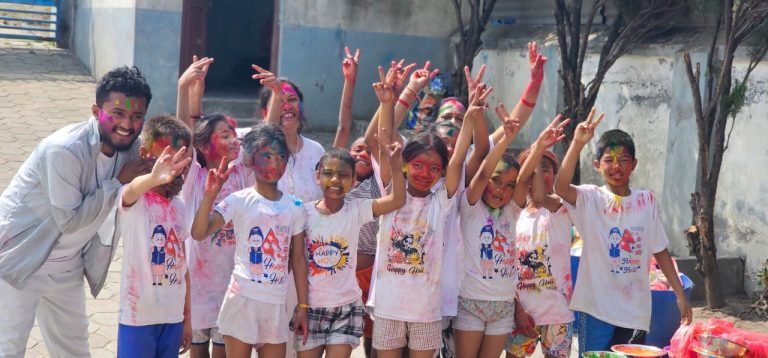
    After hours of playing, the children gathered to take group photographs, capturing the beautiful memories of the day. Their colourful faces and bright smiles showed how much they had enjoyed the celebration. The white walls of the courtyard stood as a backdrop to the lively and joyful scene. It was truly a day filled with happiness and positive energy. 

    Later, everyone washed up and gathered again to share snacks and refreshments. Sitting together and talking about the fun moments of the day made the celebration even more meaningful. The children shared stories about who applied the most colour and who ran the fastest with the water guns. The laughter continued even after the colours were washed away. 

    Holi at the Children’s Home was not just about playing with colours; it was about celebrating love, unity, and togetherness. It strengthened the bond among the children and staff members. The festival brought a break from routine and allowed everyone to relax and enjoy the moment. It created beautiful memories that the children will cherish for a long time. 

    Overall, the Holi celebration at the Children’s Home was a wonderful and joyful event. It was a day filled with colours, laughter, friendship, and warmth. The happiness seen on every face reflected the true spirit of Holi. Celebrating together as one family made the occasion even more special and meaningful for everyone involved. 

  • Celebration of Maghe Sankranti at the Children’s Home 

    Celebration of Maghe Sankranti at the Children’s Home 

    JANUARY 2026 

    Maghe Sankranti is one of the most important and widely celebrated festivals in Nepal. It marks the transition of the sun into the zodiac sign of Capricorn (Makara) and signifies the gradual end of winter and the beginning of longer, warmer days. Celebrated every year in mid-January, Maghe Sankranti holds deep cultural, religious, and social significance for people across different communities in Nepal. The festival is associated with purification, gratitude, health, prosperity, and togetherness. 

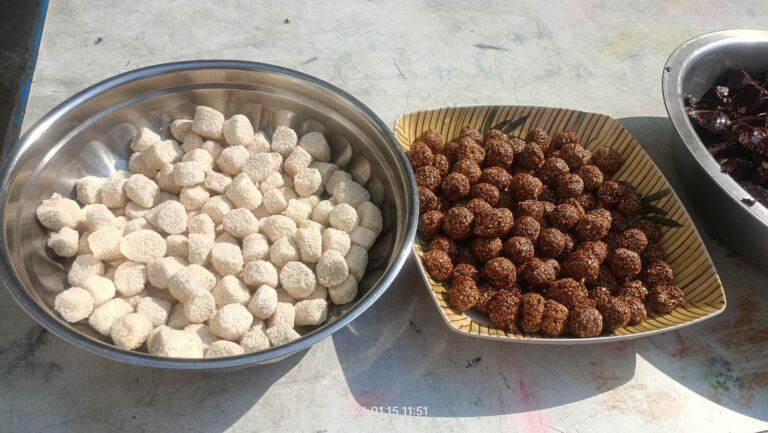
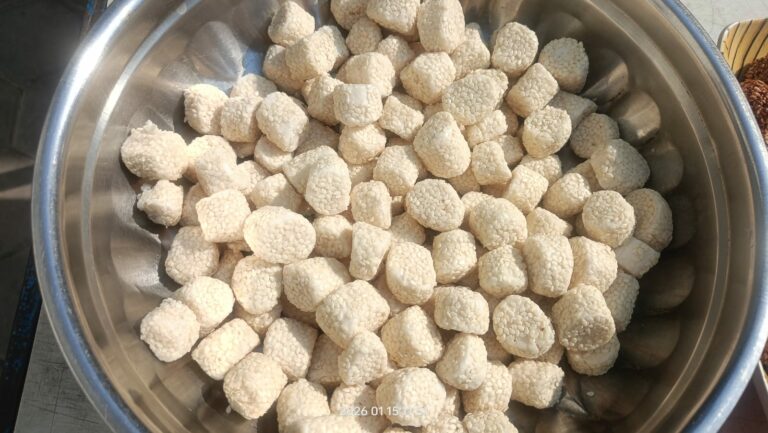
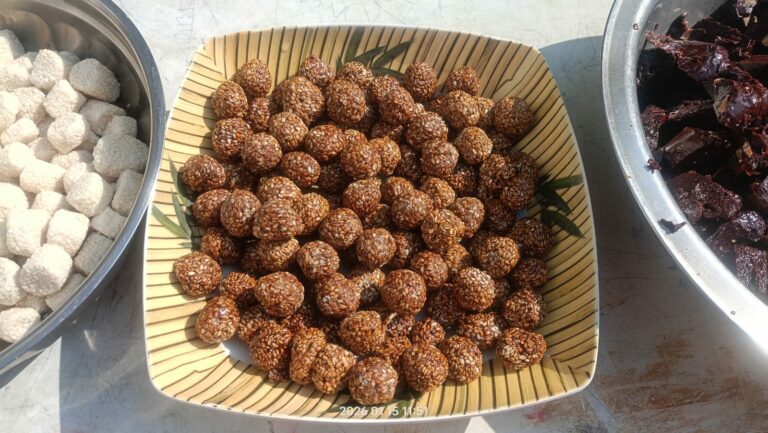
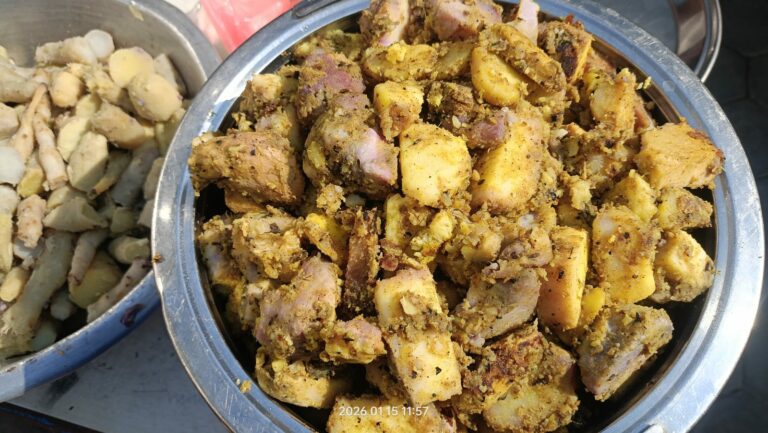
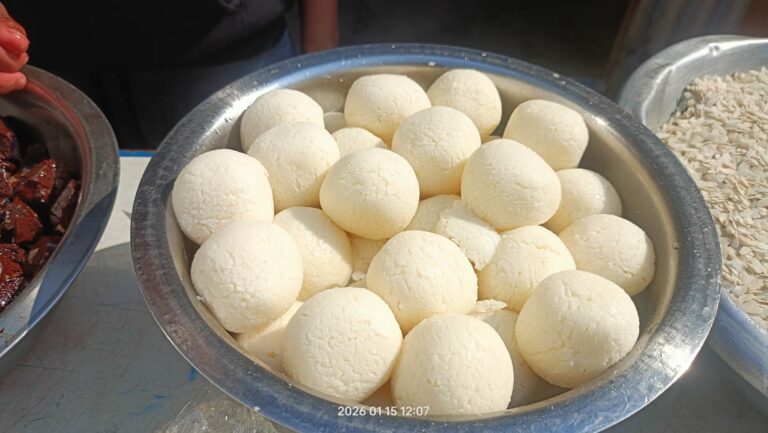
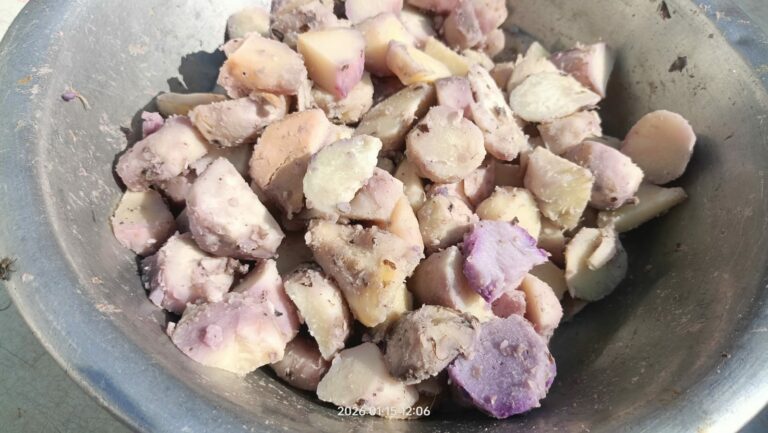
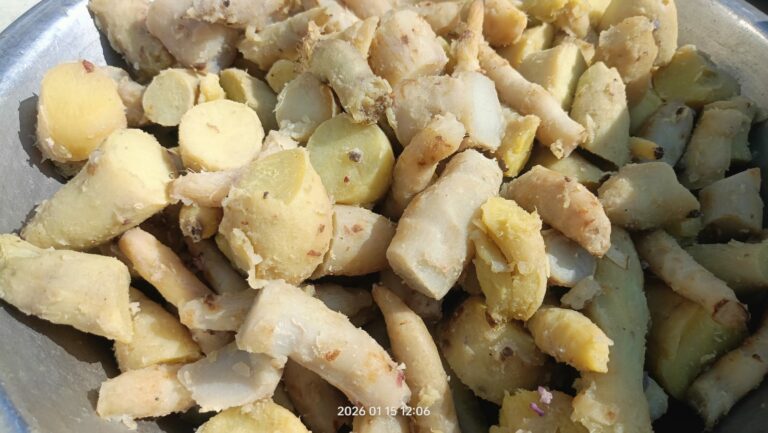
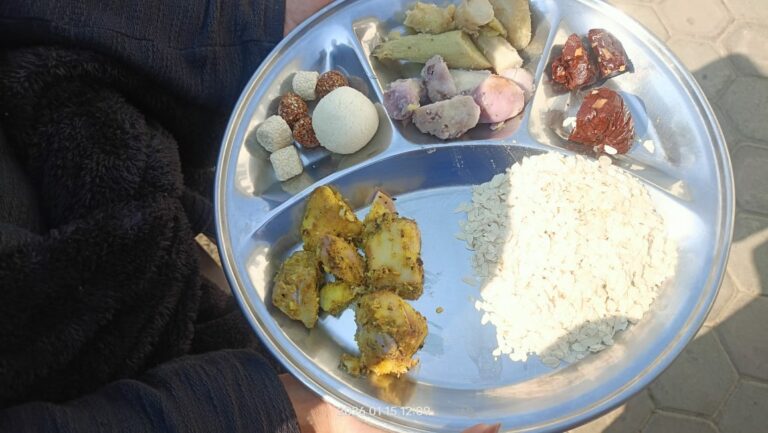
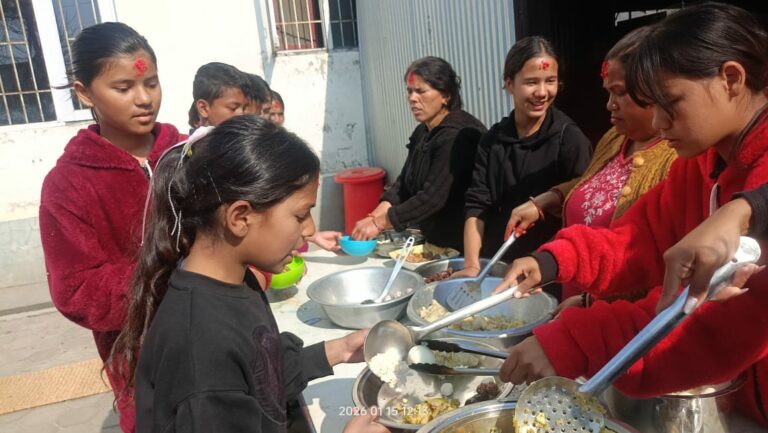
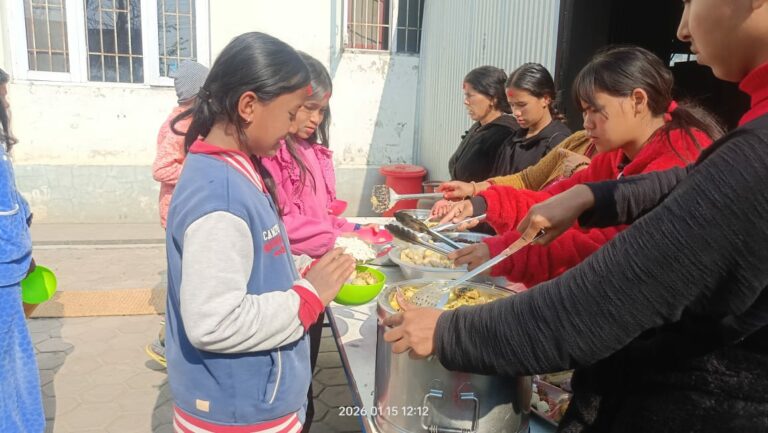
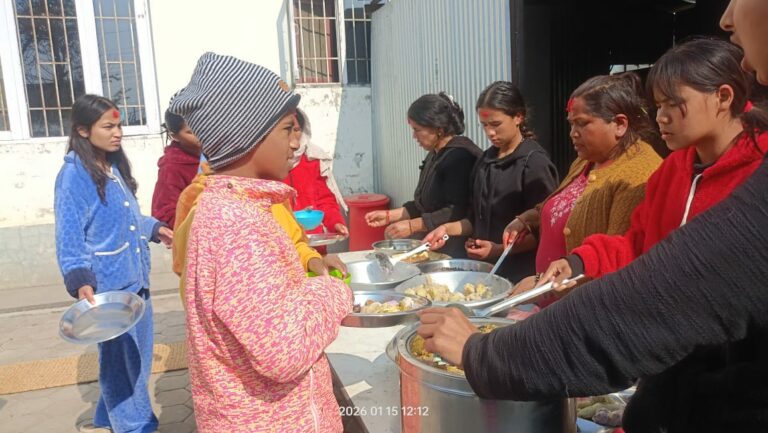
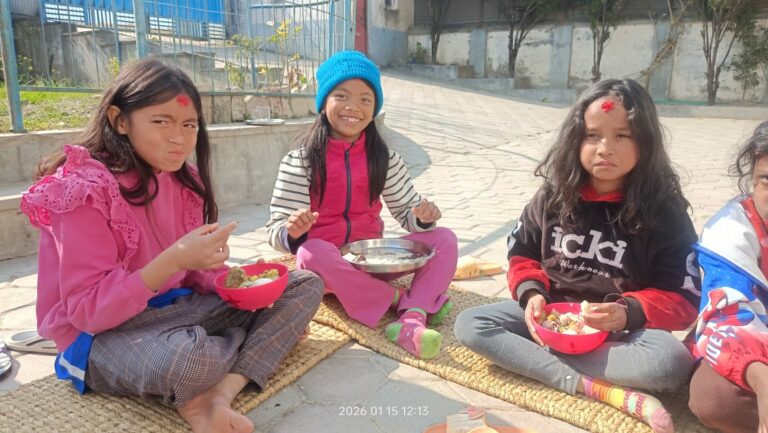
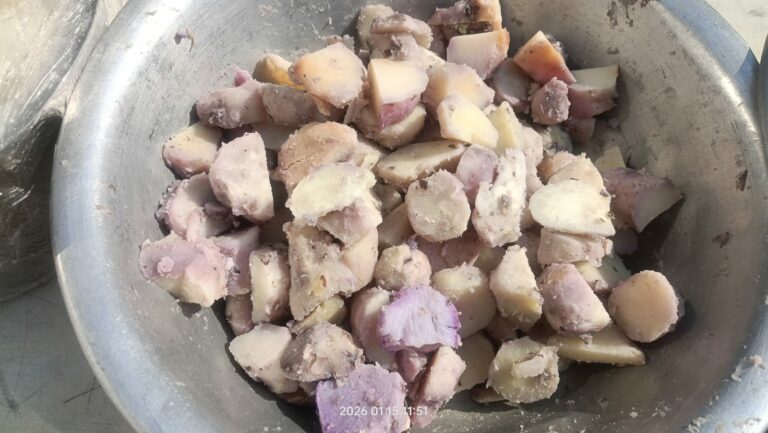
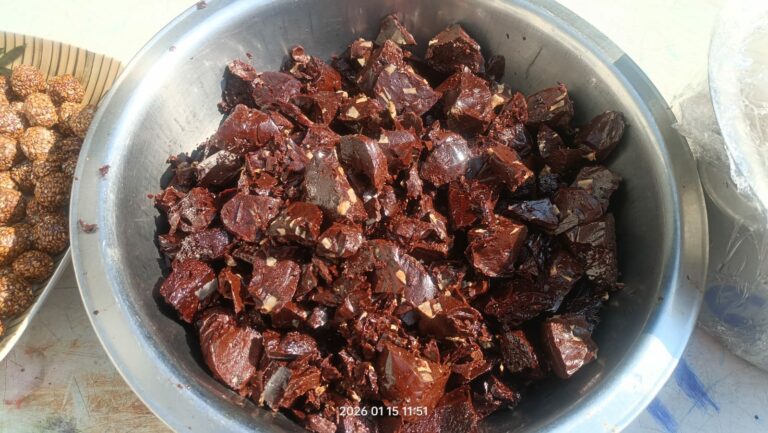
    Traditionally, Maghe Sankranti is observed by taking holy baths in rivers early in the morning, offering prayers to the Sun God, and consuming special nutritious foods believed to provide warmth and strength during the cold season. Foods such as sesame seed sweets (til ko laddu), chaku (molasses-based sweet), sweet potatoes, yams (tarul), ghee, and rice flakes (chiura) are an integral part of the celebration. These foods are rich in energy and are culturally believed to protect the body from cold-related illnesses while promoting good health. 

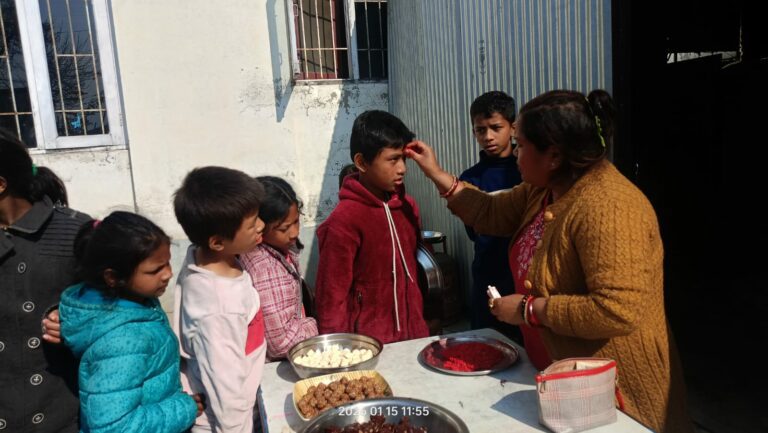
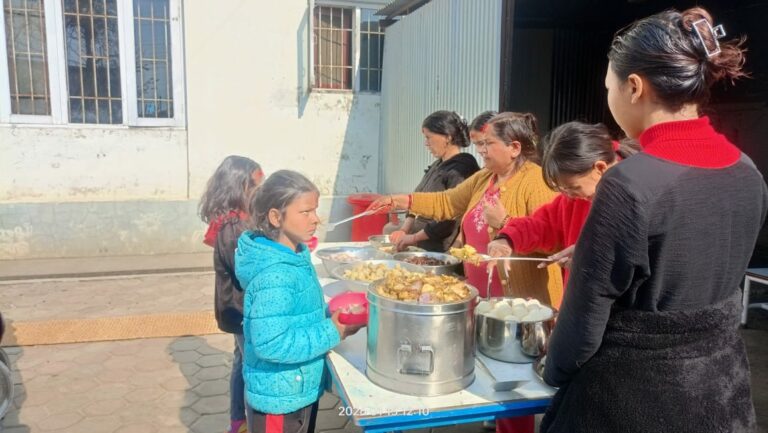
    At the Children’s Home, Maghe Sankranti was celebrated with great joy, enthusiasm, and a strong sense of community. The celebration was thoughtfully organized to help the children understand the cultural importance of the festival while allowing them to experience the warmth of tradition, care, and togetherness.  

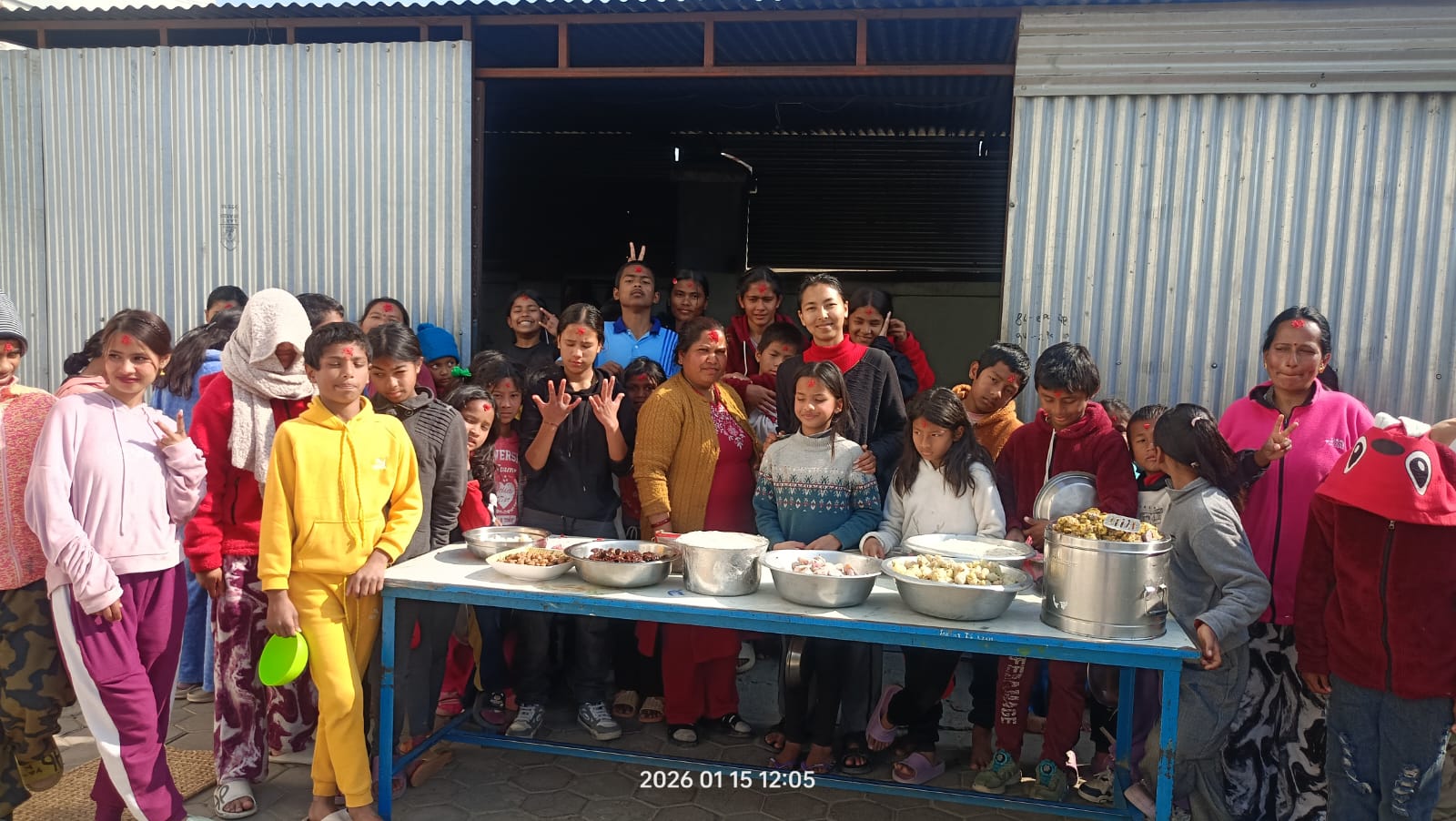
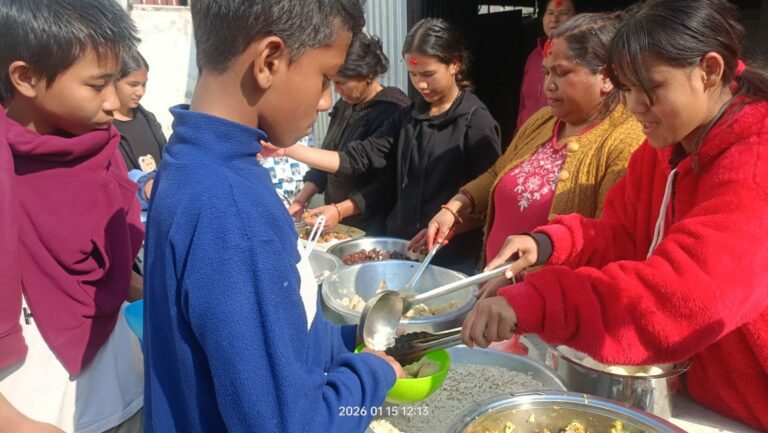
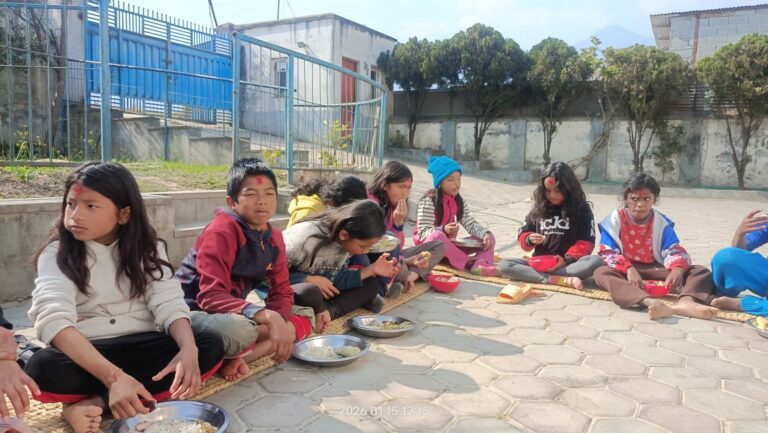
    The day began with preparations early in the morning. Staff members and older children worked together to prepare the special Maghe Sankranti foods. The kitchen was filled with activity as traditional items such as boiled sweet potatoes, yams, sesame-based sweets, chaku, rice flakes, and other festive foods were arranged carefully. The involvement of the children in preparation activities helped them learn about traditional practices and encouraged responsibility, teamwork, and cultural awareness. 

    Alongside the meal, the significance of Maghe Sankranti was explained to the children in a simple and engaging way. They were told about how the festival symbolizes positivity, new beginnings, and the importance of gratitude. Discussions were held about respecting traditions, valuing cultural diversity, and maintaining healthy eating habits. This educational aspect added meaningful depth to the celebration, making it more than just a festive meal. 

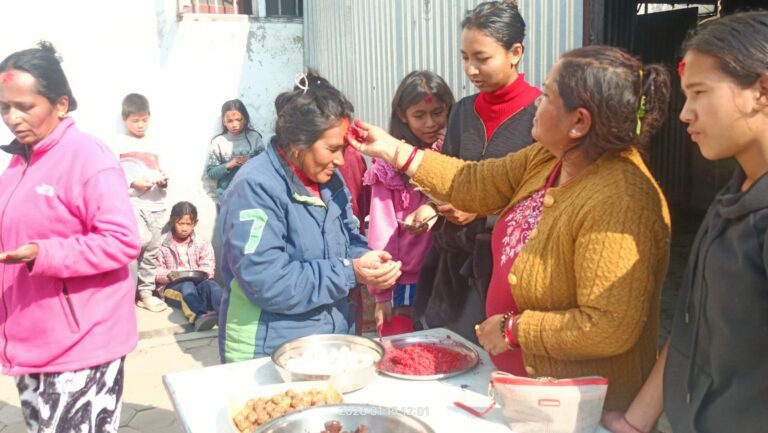
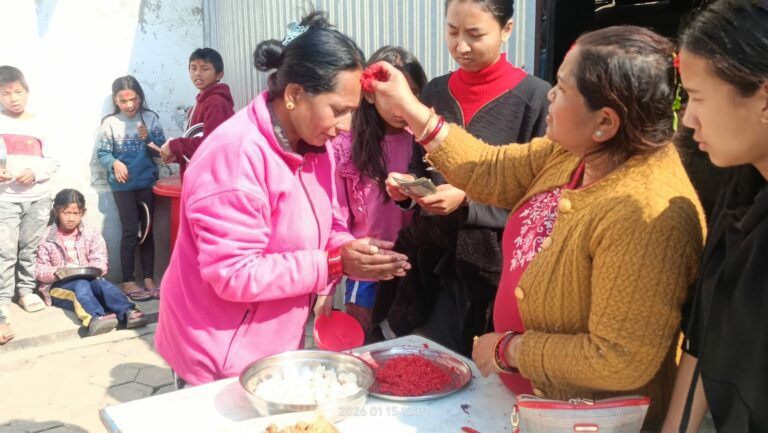
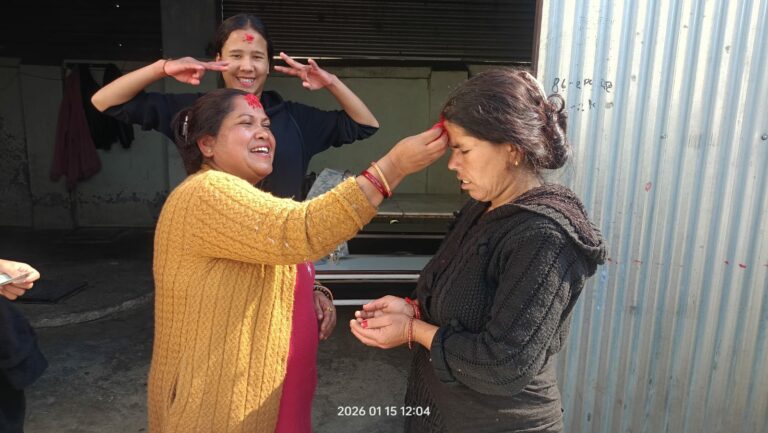
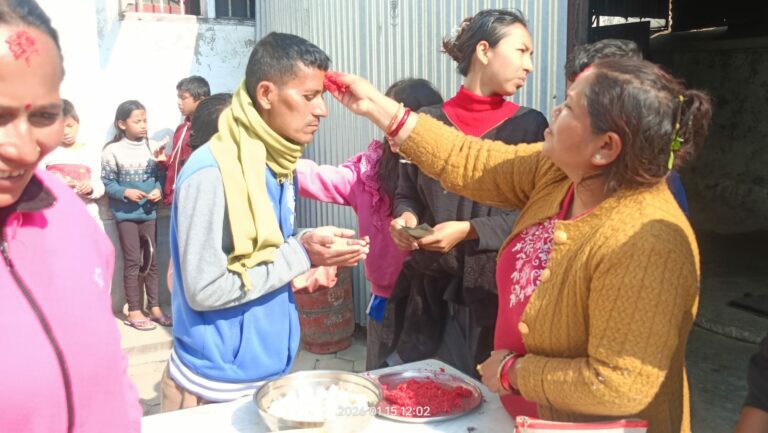
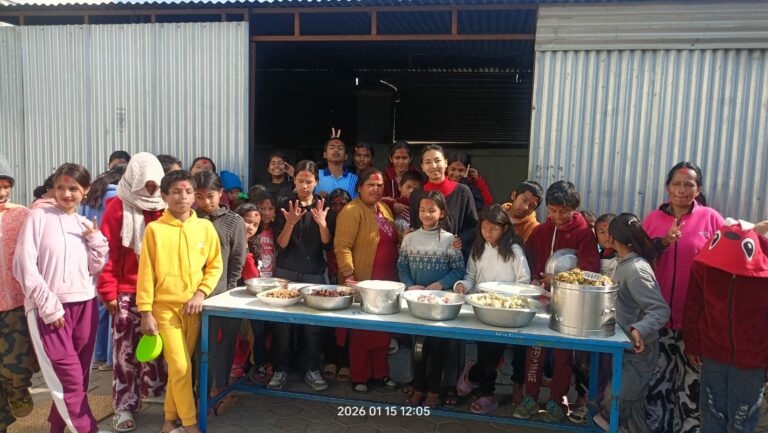
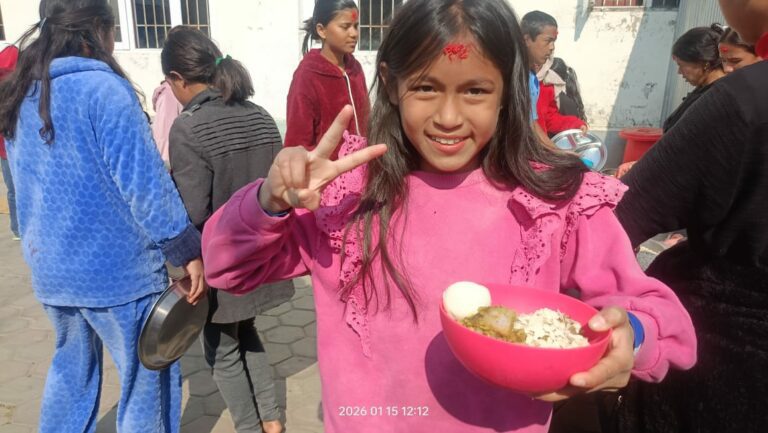
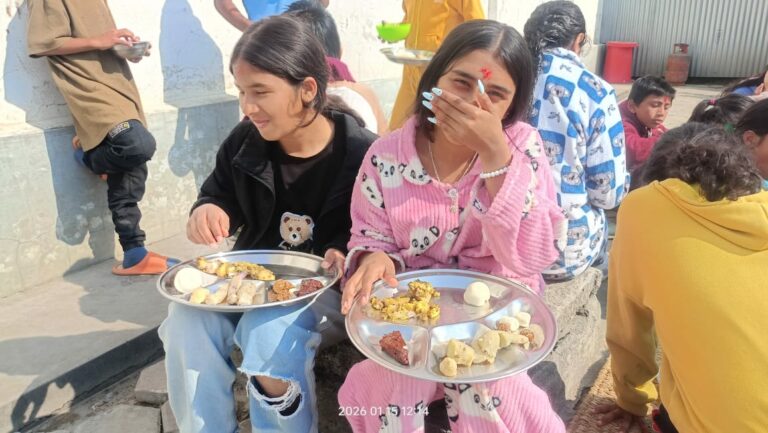
    The atmosphere at the Children’s Home during the celebration was lively and joyful. The children were seen smiling, laughing, and interacting happily with one another. Group photographs were taken to capture the special moments, reflecting unity, happiness, and a strong sense of family within the home. The staff members also joined the children. 

    Festivals like Maghe Sankranti provide an opportunity for children from different backgrounds to come together and share a common cultural experience. The celebration helped strengthen bonds among the children and between the children and staff. It reminded everyone of the importance of compassion, shared joy, and mutual respect. 

    In conclusion, the celebration of Maghe Sankranti at the Children’s Home was a memorable and enriching experience for everyone involved. It successfully combined cultural education, nutritional awareness, emotional support, and joyful togetherness. The festival reminded the children of their roots while also reinforcing positive values such as unity, gratitude, and hope for a brighter future. Such celebrations play a crucial role in the holistic development of children, helping them grow not only academically but also socially, emotionally, and culturally. The Maghe Sankranti celebration stood as a beautiful example of how traditions can be preserved and celebrated even within a care setting, creating lasting memories and fostering a strong sense of family within the Children’s Home. 

  • Christmas Celebration at Children’s Home 

    Christmas Celebration at Children’s Home 

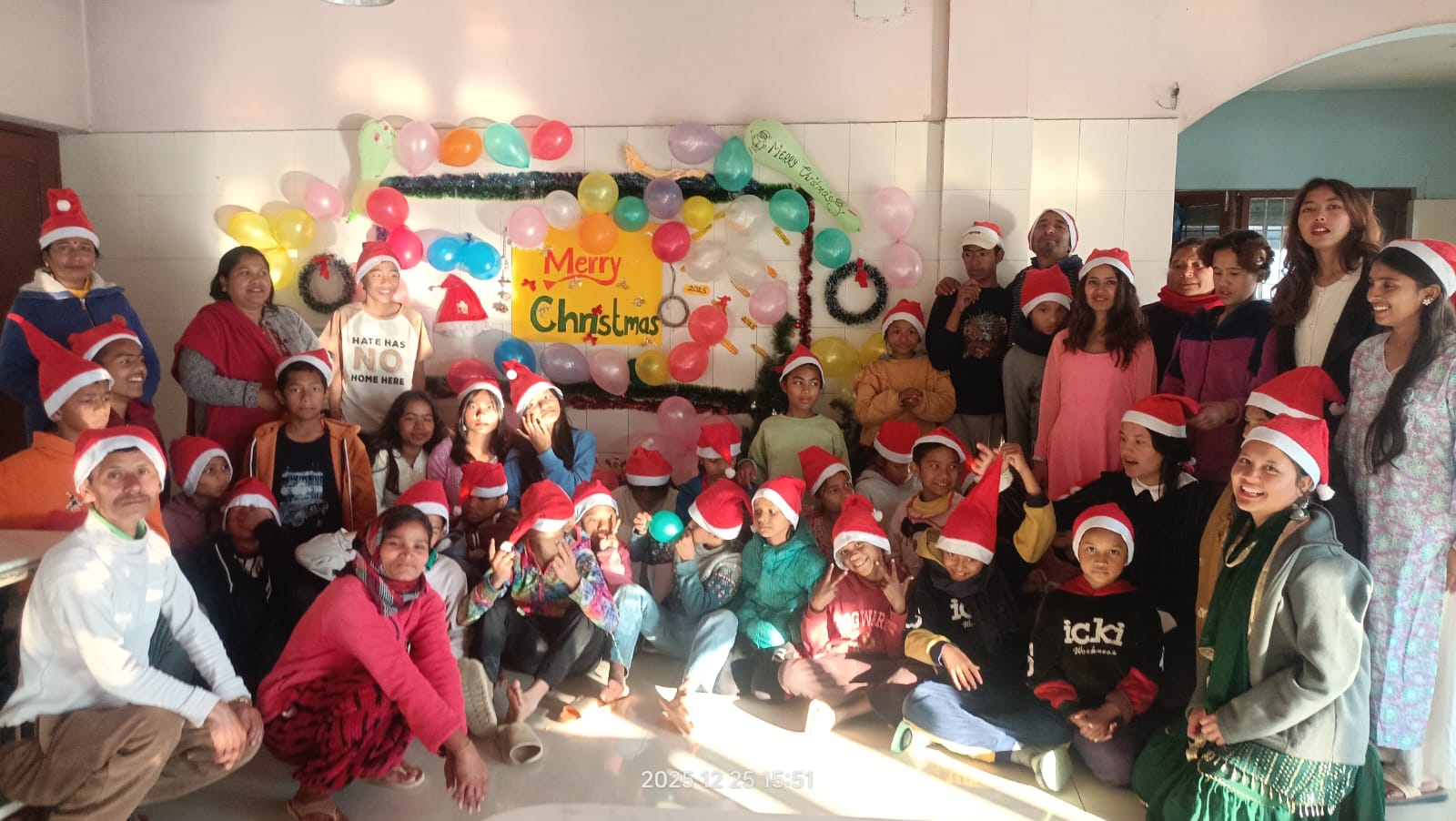
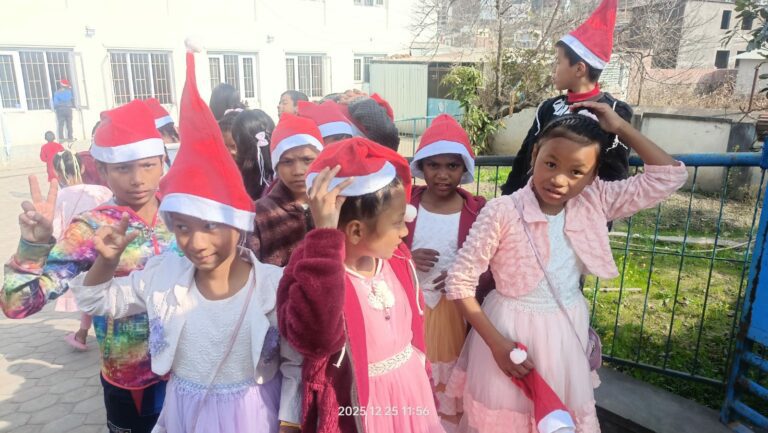
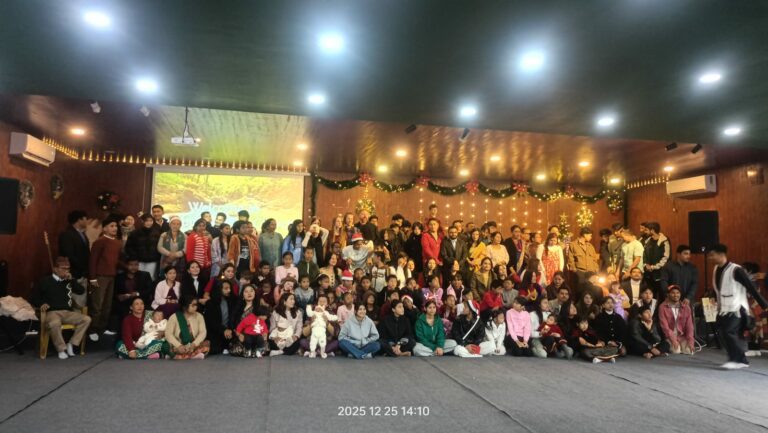
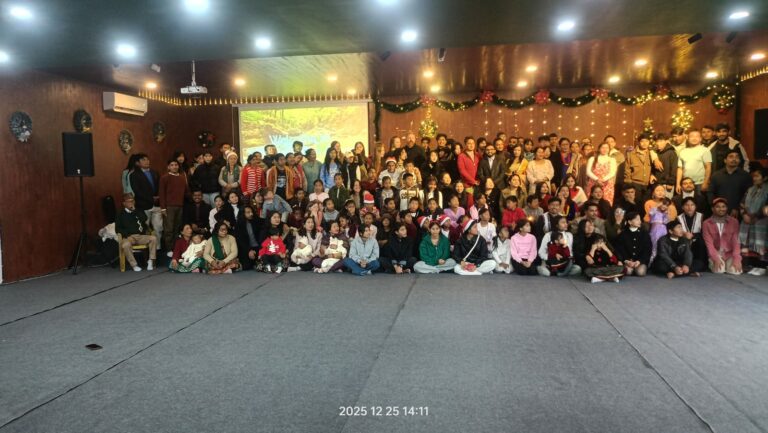
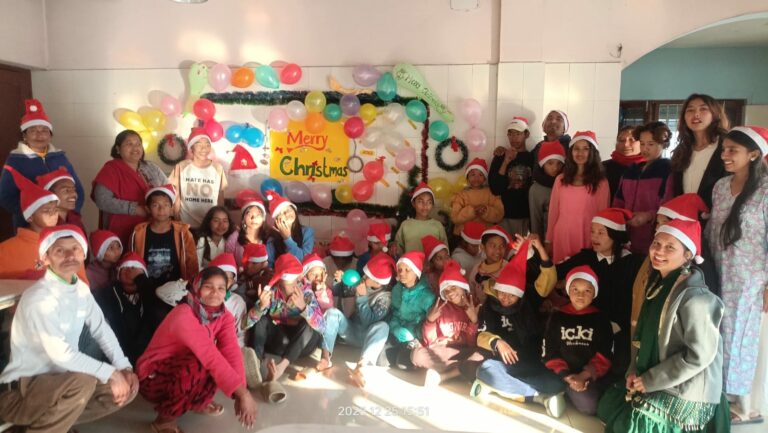
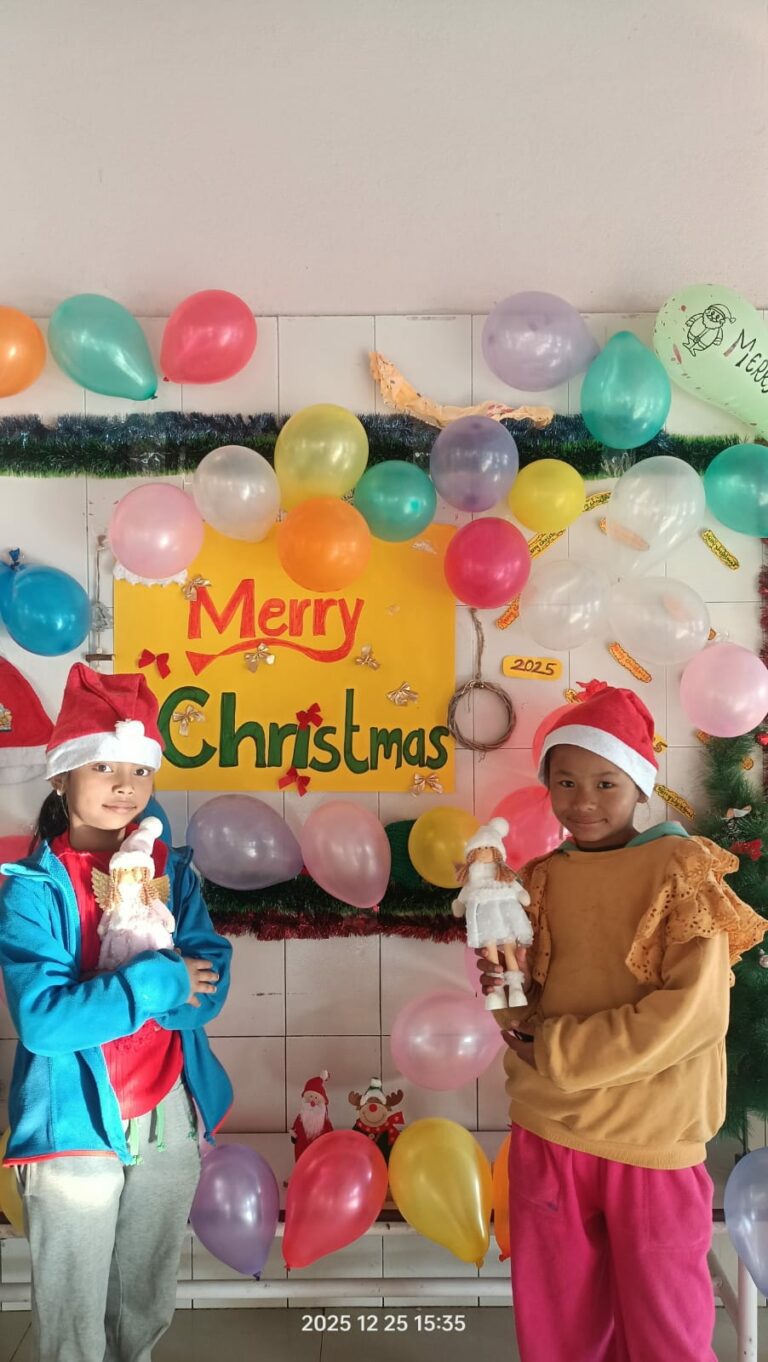
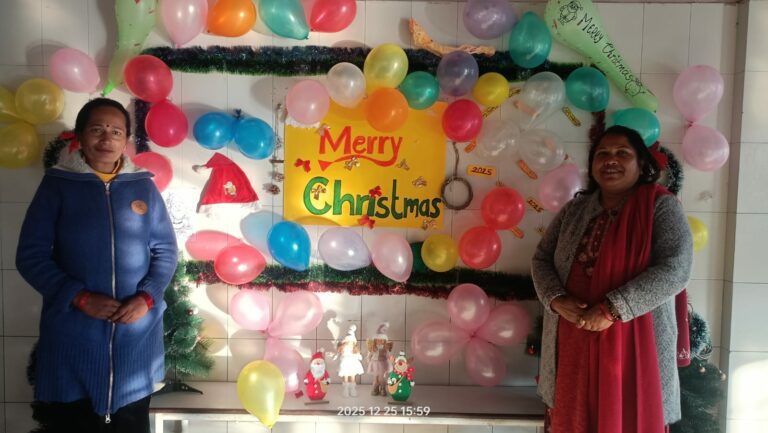
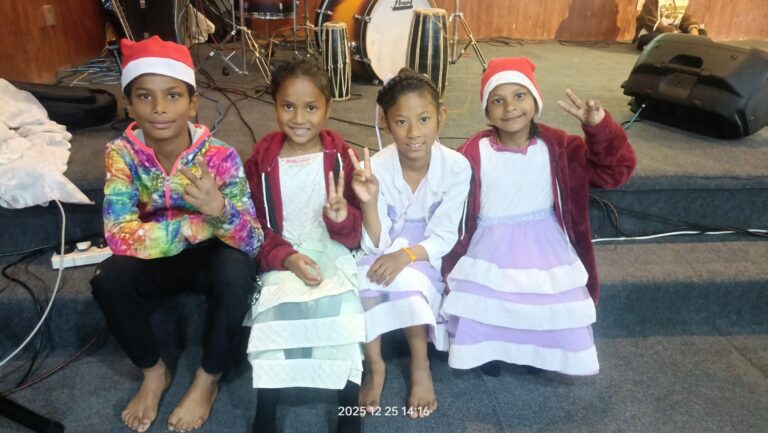
    The Children’s Home joyfully celebrated Christmas with great enthusiasm and a strong sense of togetherness, marking the occasion both within the home premises and at the church located just beside the home. The celebration reflected the true spirit of Christmas—love, sharing, gratitude, and unity and created lasting memories for the children, staff, and well-wishers who joined the program. 

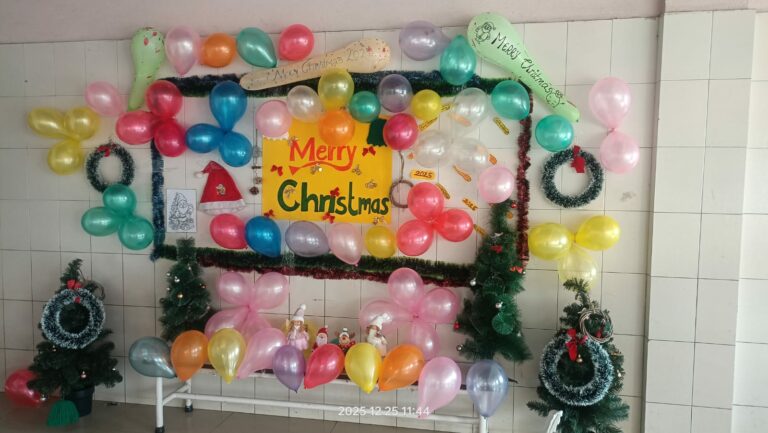
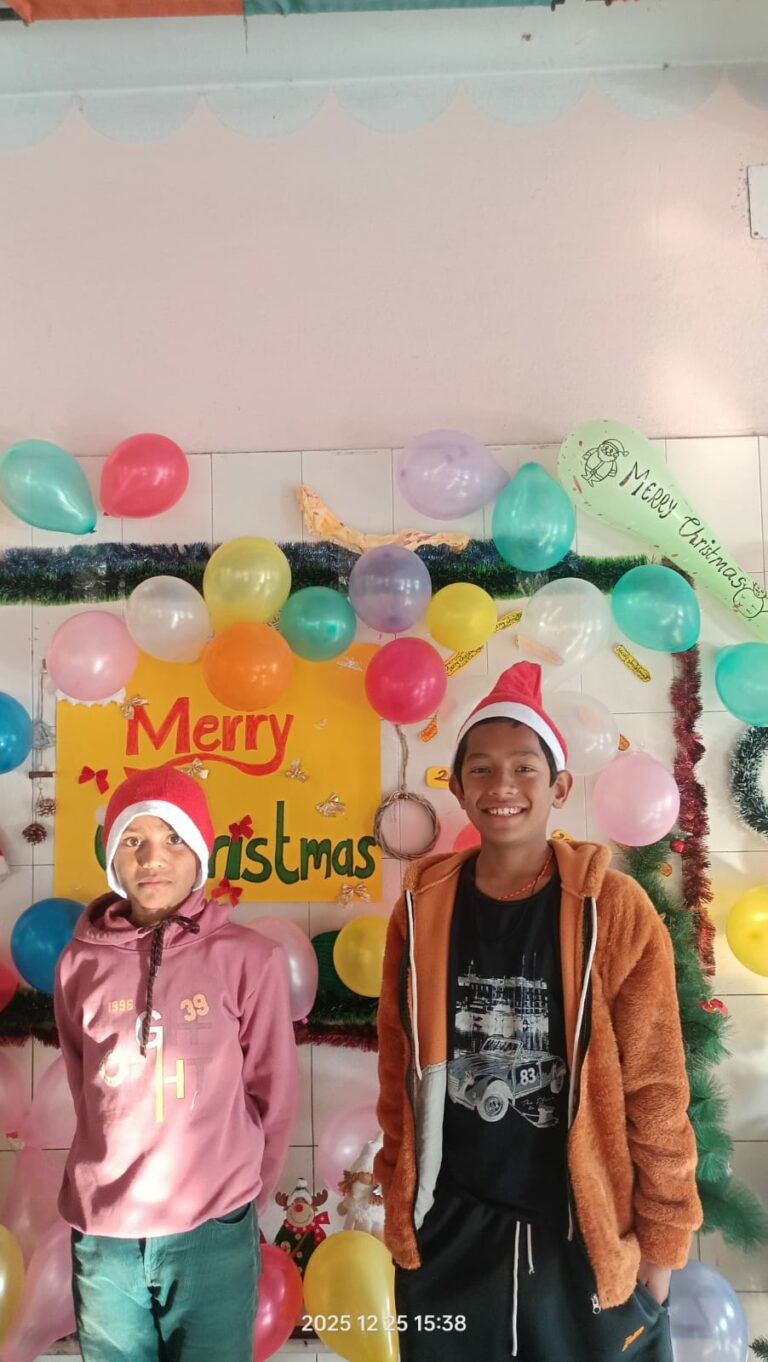
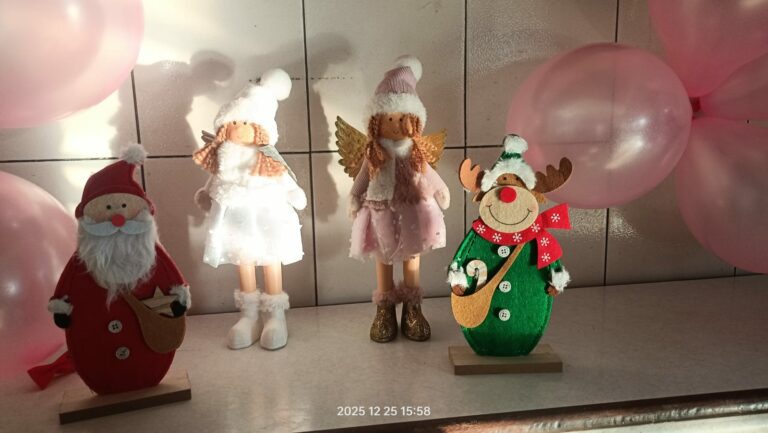
    The Christmas celebration began at the Children’s Home, where the environment was beautifully decorated with lights, Christmas trees, stars, and festive ornaments. The hall was filled with warmth and excitement as children of different age groups gathered. Staff members worked closely with the children to prepare the venue, decorate the space, and organize the program, ensuring that everyone felt involved and valued. The decorations and arrangements helped create a joyful atmosphere, making the children feel special and appreciated. 

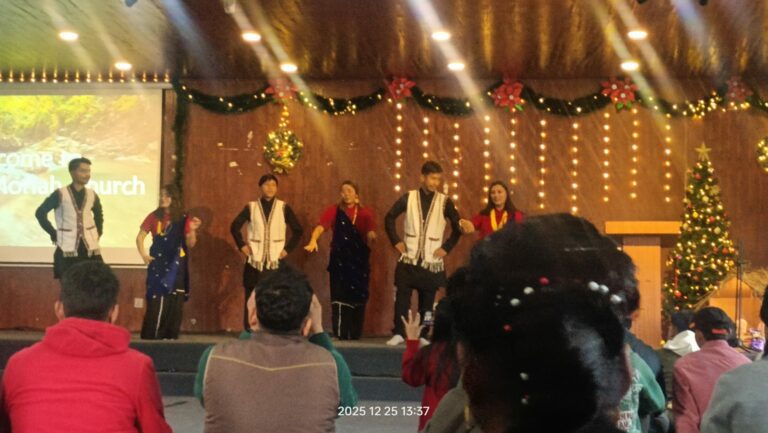
    A short program was organized at the home, which included Christmas songs, carol singing, and small performances by the children. The children confidently participated in group songs and individual presentations, expressing happiness and excitement through music and smiles. These performances not only showcased their talents but also helped build their confidence and sense of belonging. Staff members and guests encouraged the children with applause and kind words, making the moment even more meaningful. 

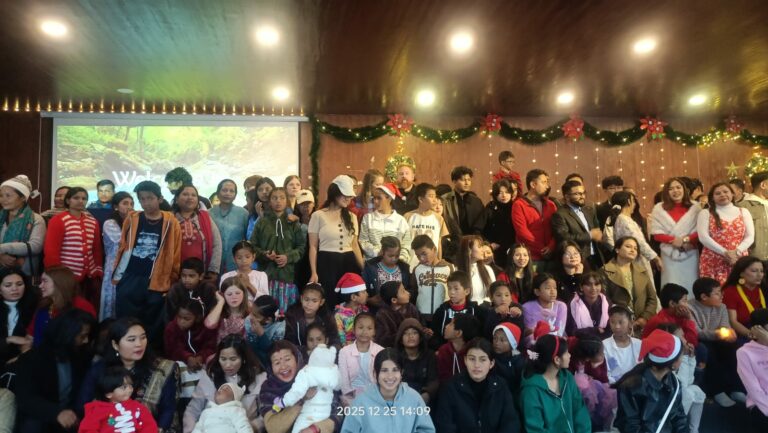
    Following the celebration at the home, the children, staff, and guests proceeded to the church located just beside the Children’s Home. The proximity of the church made it convenient for everyone to attend together as a group. At the church, the children participated in a Christmas service, where prayers, hymns, and messages focused on peace, love, hope, and compassion. The service helped the children understand the spiritual significance of Christmas and encouraged them to reflect on values such as kindness, forgiveness, and helping others. 

    The church celebration was a special experience for the children, as many of them had the opportunity to actively take part in singing hymns, dancing and listening to the Christmas message in a calm and respectful environment. The presence of church members, caregivers, and supporters made the children feel supported by a wider community beyond the Children’s Home. This interaction strengthened the bond between the home and the local community. 

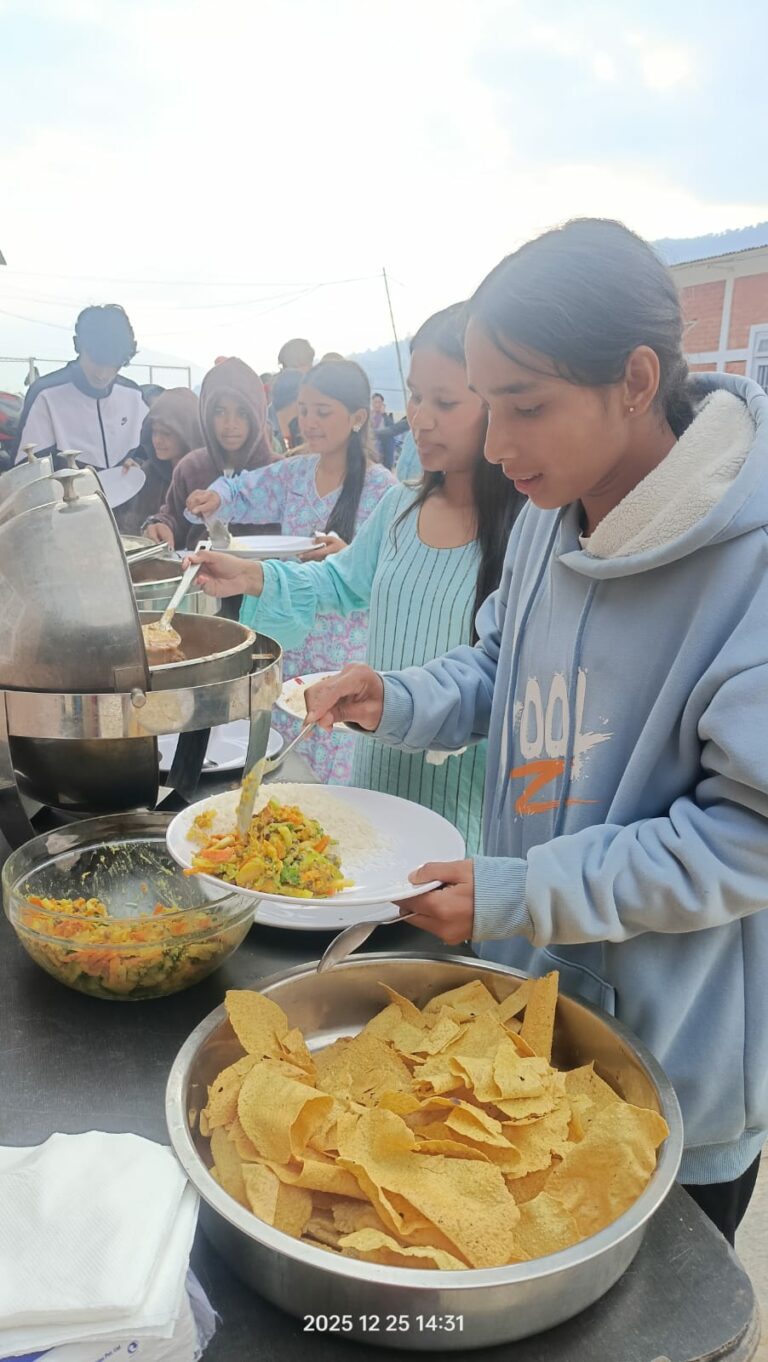
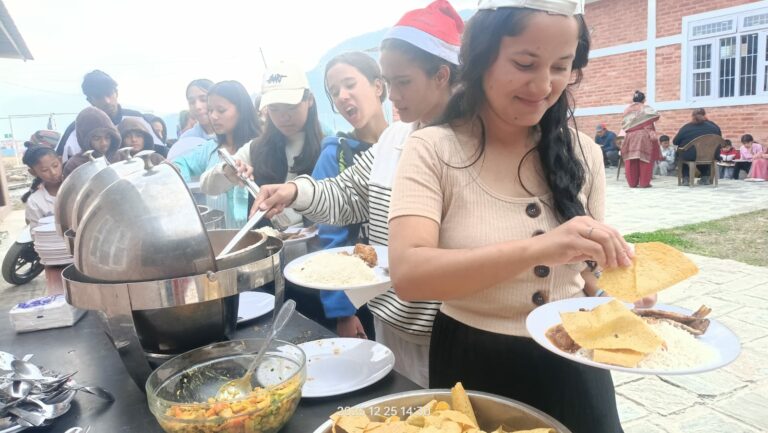
    After the church program, everyone returned to the Children’s Home, where the celebration continued with group photographs, sharing of meals, and distribution of small gifts and treats. The children were especially delighted to receive Christmas gifts, which brought smiles and excitement to their faces. Sharing food together further strengthened the sense of family and togetherness within the home. 

    Overall, the Christmas celebration was a meaningful and joyful occasion for the Children’s Home. Celebrating both at the home and at the nearby church allowed the children to experience Christmas in a holistic way combining fun, cultural expression, spiritual reflection, and community connection. The program successfully created a festive environment where the children felt loved, cared for, and included. Such celebrations play an important role in supporting the emotional wellbeing of the children and reminding them that they are part of a caring and supportive family. 

  • Children’s Home Celebrates Tihar  

    Children’s Home Celebrates Tihar  

    The festival of Tihar, also known as Deepawali or Yama Panchak, is one of the most colourful and joyous festivals celebrated across Nepal. It is a time when homes are illuminated with oil lamps, colourful rangolis decorate courtyards, and hearts are filled with happiness, love, and gratitude. At Children’s Home, this festival holds a special place as it brings together all the children and staff members in a spirit of unity, family, and devotion. This year’s celebration of Laxmi Pooja and Bhai Tika was filled with warmth, laughter, lights, and deep emotional connections that made the festival memorable for everyone. 

    As Tihar approached, the atmosphere at Children’s Home started to buzz with excitement. The children and staff began preparations several days in advance. The entire home was cleaned, decorated, and prepared to welcome Goddess Laxmi, the goddess of wealth and prosperity. The younger children took charge of decorating the living areas with colourful papers and flowers, while the older ones helped arrange diyas and prepare the materials for rangoli. 

    On the evening of Laxmi Pooja, the courtyard of the home transformed into a vibrant celebration spot. The children worked together to create a beautiful rangoli made with colourful powders in pink, green, yellow, and white hues. In the center of the rangoli, small clay lamps (diyas) were lit, radiating a warm glow that illuminated everyone’s faces. The rangoli beautifully depicted the festive spirit and the creative talents of the children. Written across the design were the words “शुभ दीपावली” (Shubh Deepawali), expressing a heartfelt wish for a happy and prosperous festival. 

    The sight of the glowing diyas, the colourful rangoli, and the children’s happy faces brought a feeling of harmony and joy throughout the home. The staff members guided the children in preparing offerings for the pooja flowers, incense, sweets, fruits, and the sacred items used to worship Goddess Laxmi. 

    The staff explained the significance of Laxmi Pooja, reminding everyone that cleanliness, honesty, and gratitude attract wealth and positivity, not just material wealth but also emotional and spiritual prosperity. The children listened attentively and participated in chanting the prayers and lighting diyas. 

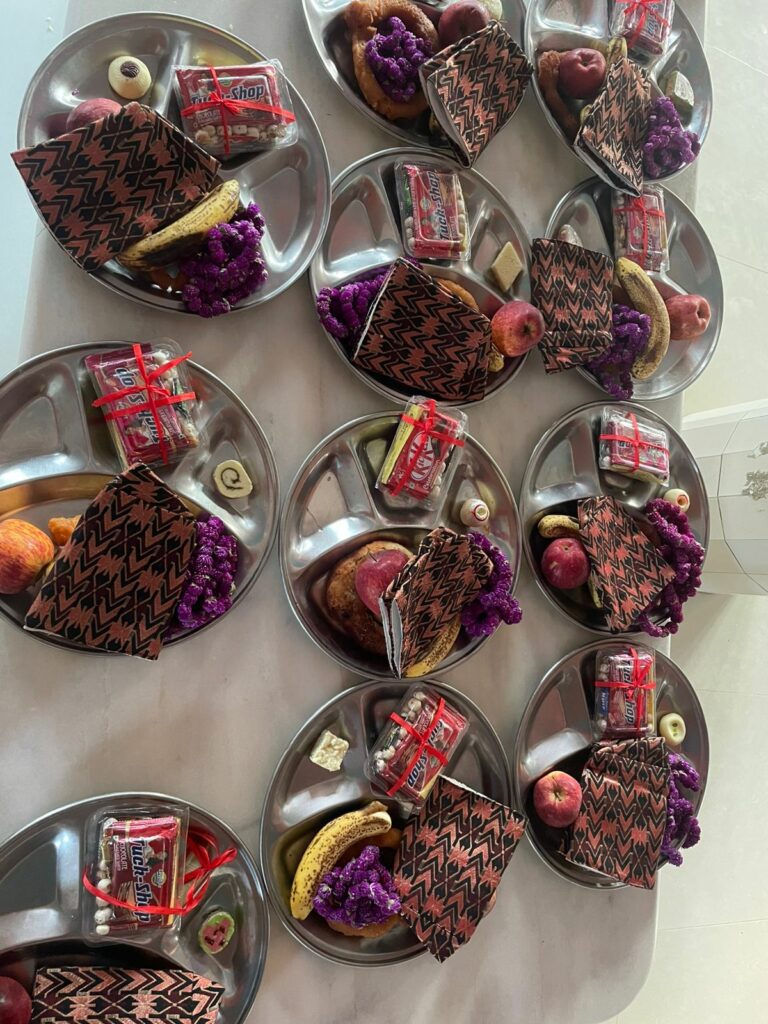
    To conclude the evening, sweets and fruits were distributed among the children, and everyone shared a special festive meal. Music and dance followed, with children performing songs and dances related to Tihar. The rhythmic sound of madal, clapping, and singing brought joy to everyone’s hearts. It was truly a night to remember. 

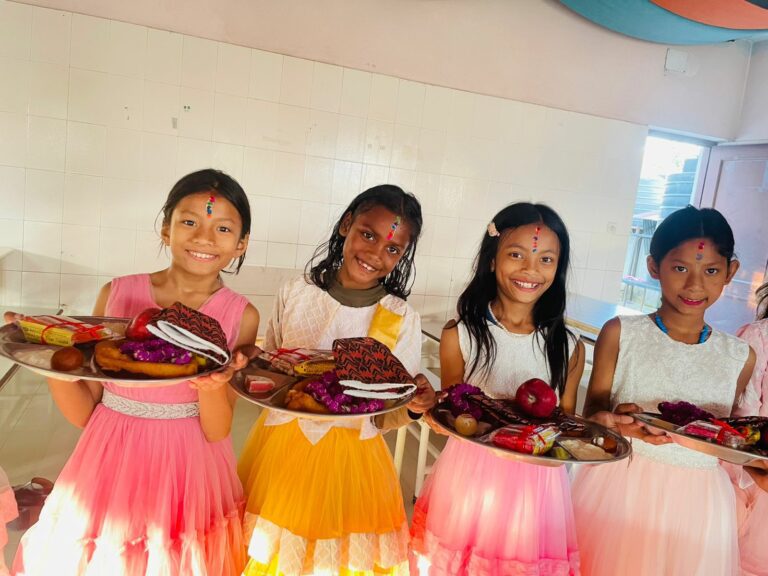
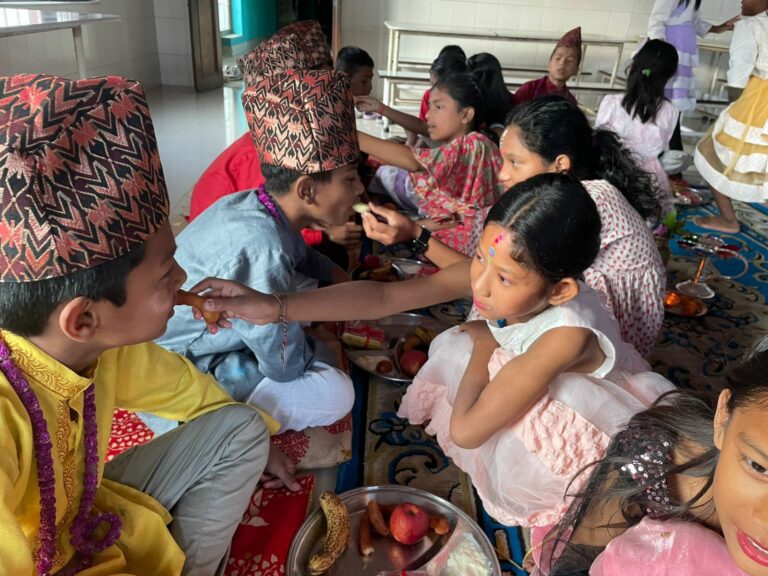
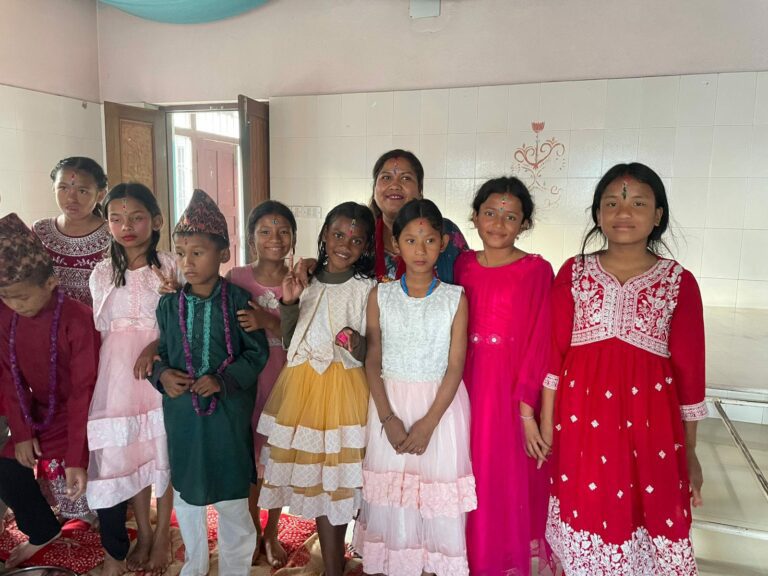
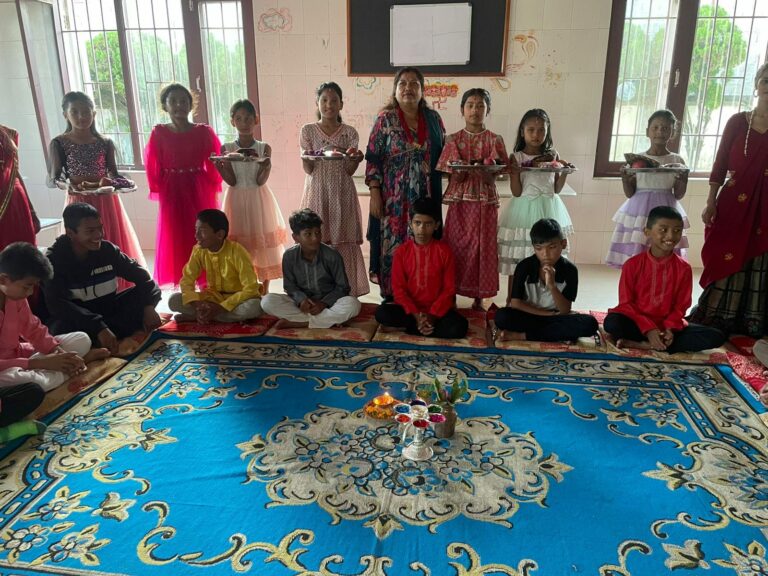
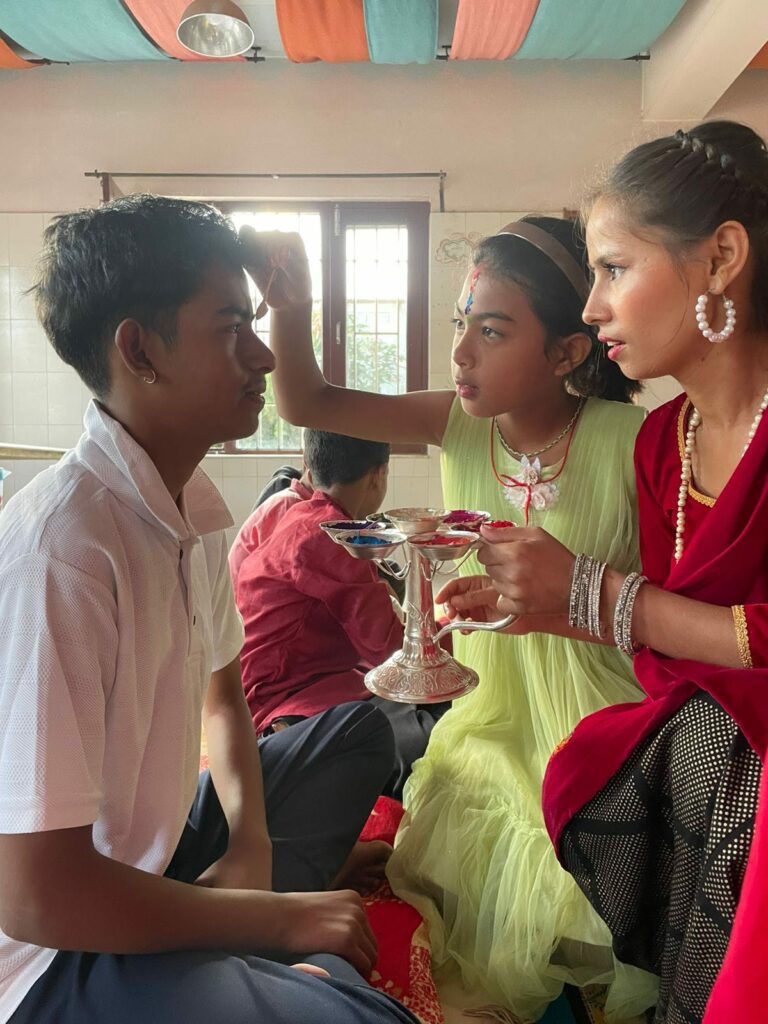
    Two days after Laxmi Pooja comes Bhai Tika, one of the most emotional and heartwarming days of the Tihar festival. It celebrates the sacred bond between brothers and sisters. On this day, sisters pray for their brothers’ long life, happiness, and prosperity, while brothers promise to protect and support their sisters. 

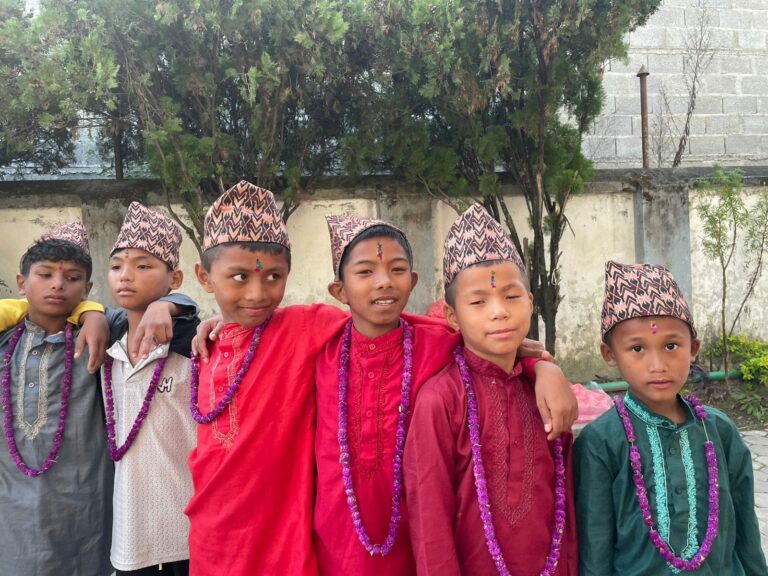
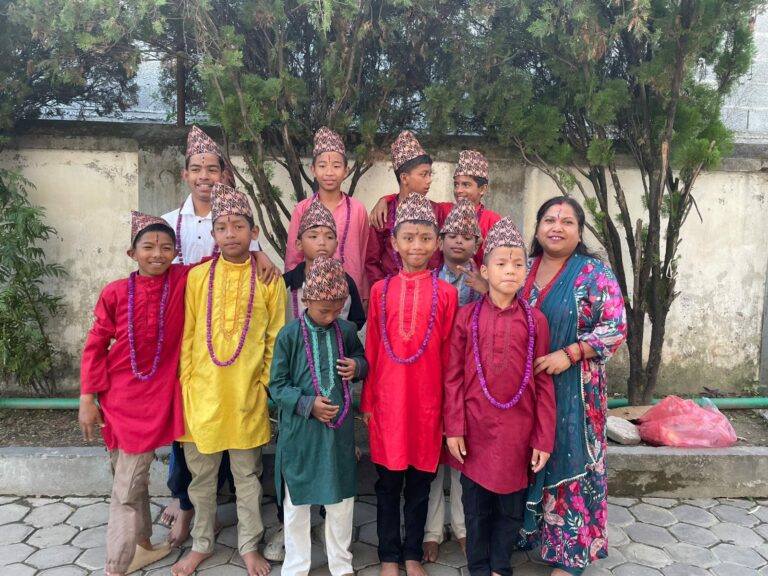
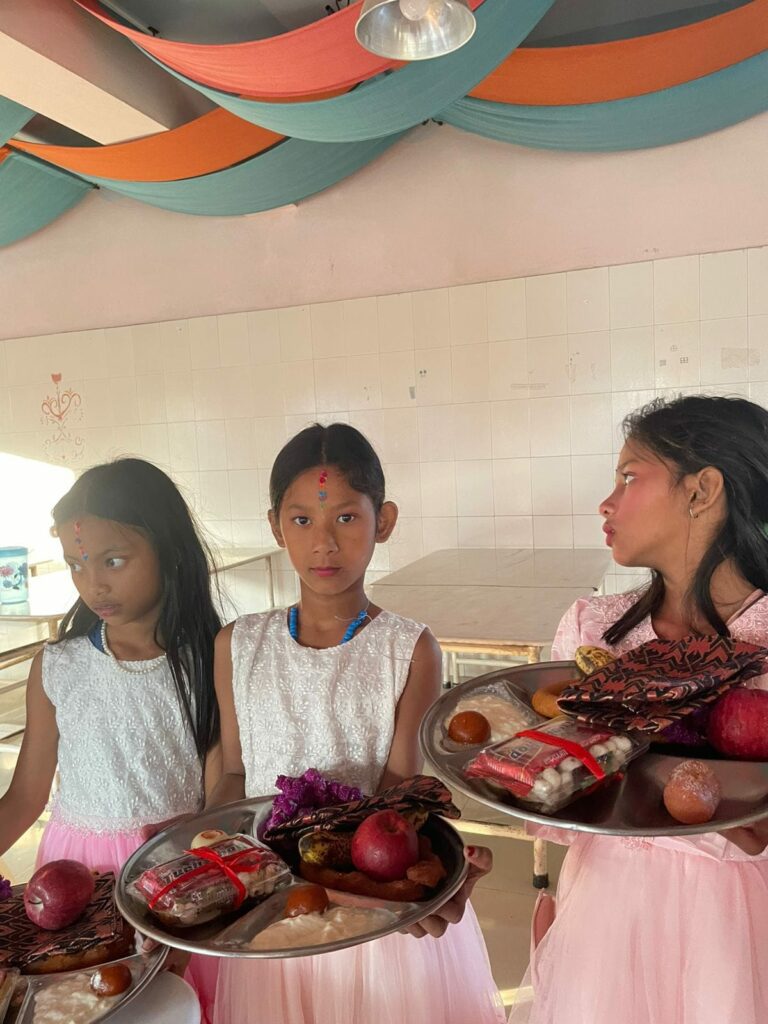
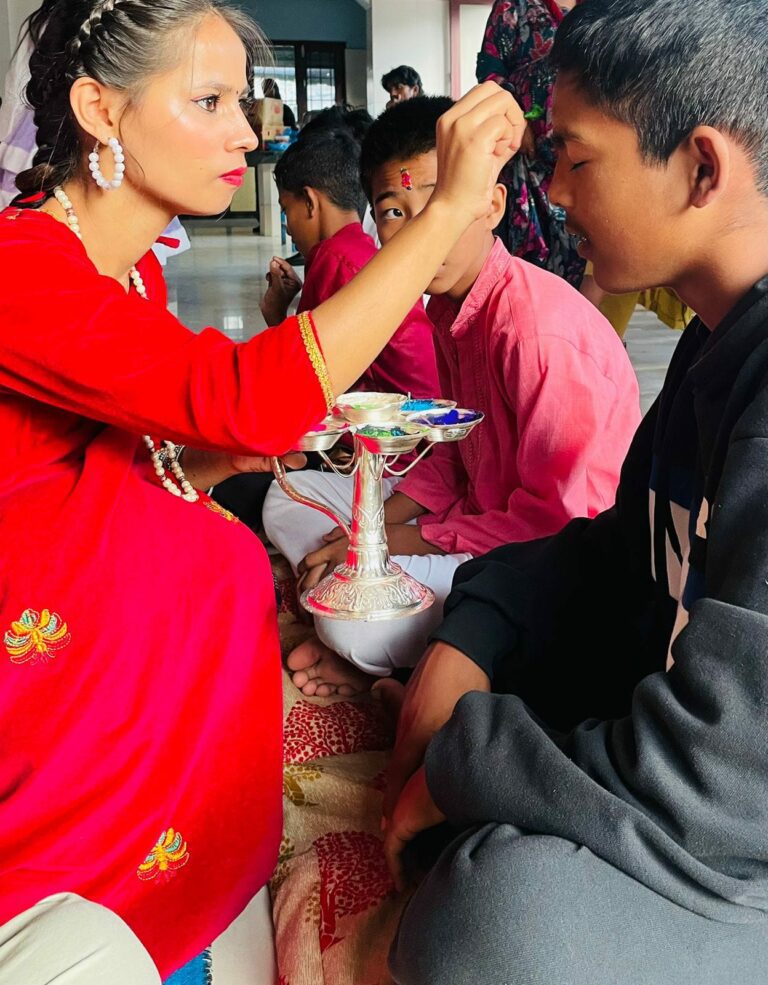
    At Children’s Home, this tradition was beautifully adapted so that every child could participate, whether they had siblings or not. The older girls prepared the pooja items colourful tika powders (red, yellow, green, blue, and white), garlands made of sayapatri (marigold) and makhamali flowers, sweets, and gifts. The boys helped in setting up the space and arranging chairs and mats. 

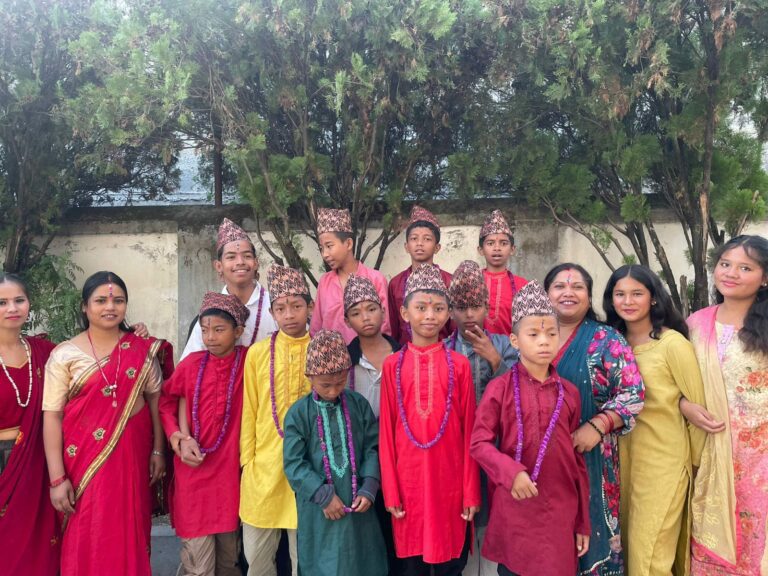
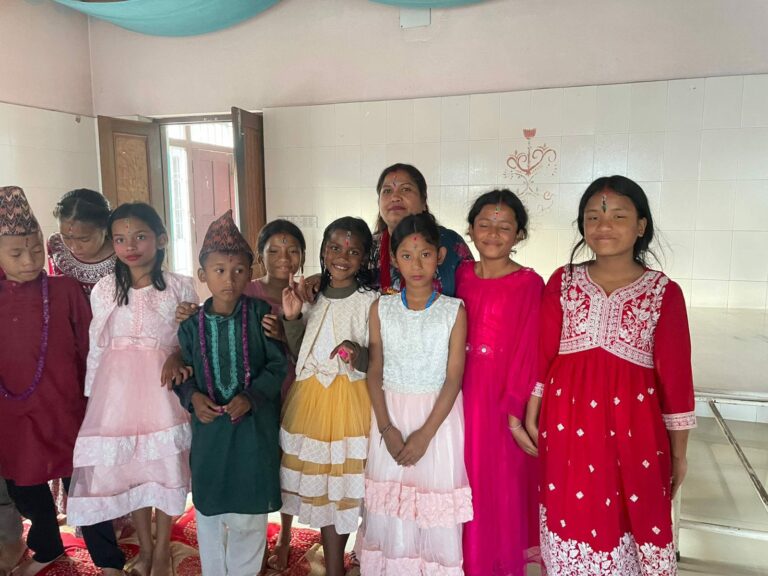
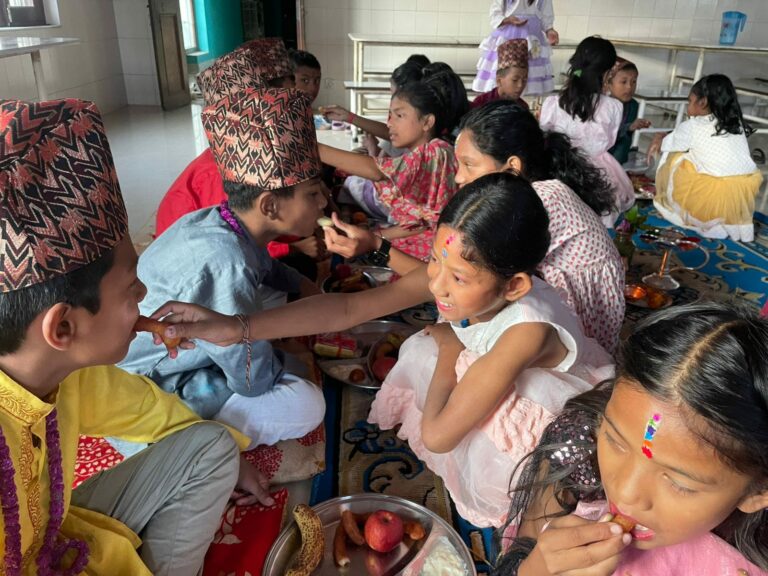
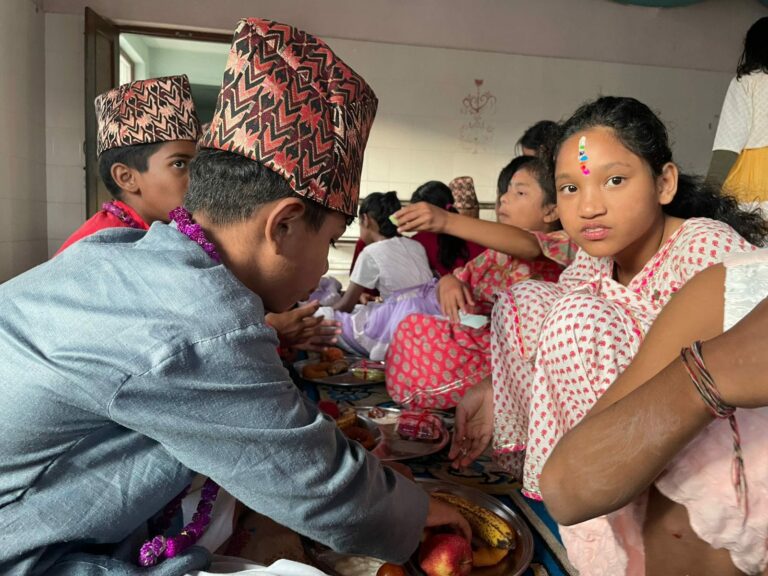
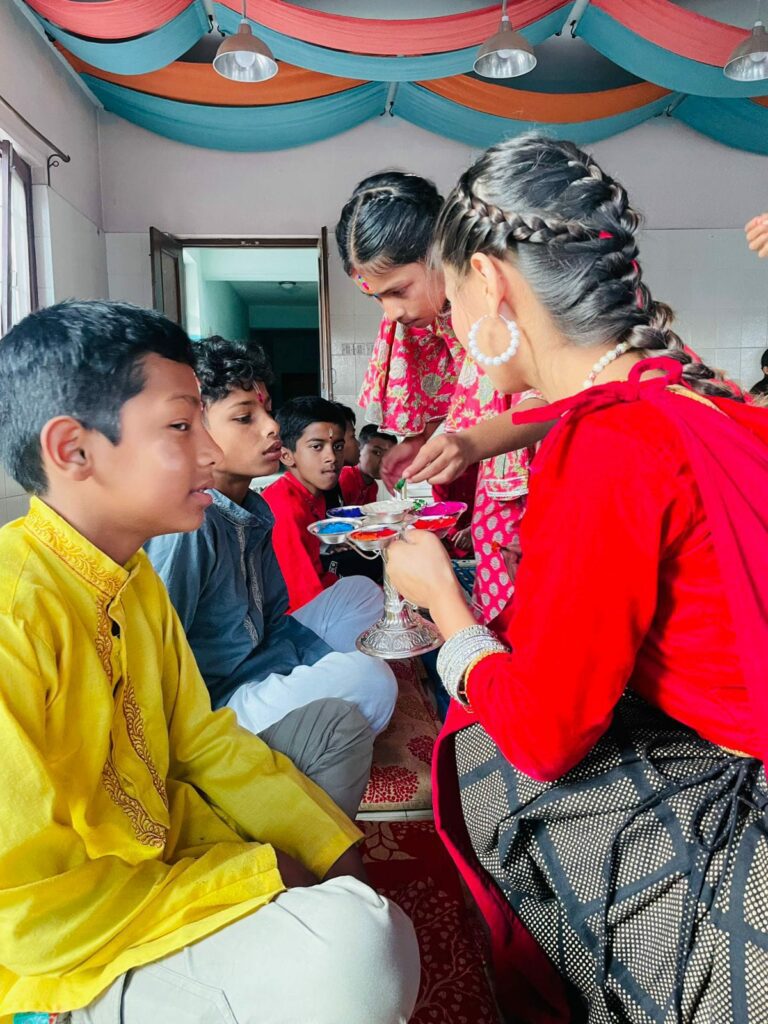
    When the ceremony began, the girls applied the seven-coloured tika on their brothers’ foreheads, symbolizing blessings from nature and divine protection. Each tika colour carried a special meaning red for energy, yellow for wisdom, green for peace, blue for strength, white for purity, orange for prosperity, and pink for love. The boys, in return, put tika on their sisters’ foreheads and offered small gifts or sweets as a token of love and appreciation. 

    The children who did not have biological siblings also participated by exchanging tika and blessings with one another, reinforcing the sense of unity and togetherness that defines Children’s Home. The staff members also joined in the ritual, adding to the warm, familial atmosphere. 

    After the tika ceremony, everyone enjoyed a grand festive lunch together. The menu included traditional Nepali dishes such as sel roti, pulao, meat curry, achar, and various sweets. The dining area was filled with laughter, chatter, and the sound of music playing in the background. It was a true family moment for everyone. 

    The Laxmi Pooja and Bhai Tika celebrations at Children’s Home were a beautiful expression of unity, love, and cultural pride. The bright lights, colourful decorations, traditional attire, and shared moments of worship and laughter made the event memorable for everyone. It was not just a festival but a reminder of the importance of togetherness, gratitude, and hope. 

    The glowing diyas symbolized not only the triumph of light over darkness but also the collective strength and positivity that shines within the Children’s Home family. The rangoli represented the creativity and teamwork of the children, while the Bhai Tika ritual showed the unbreakable bond of love and care that connects everyone, regardless of blood relations. 

    As the day came to an end, the smiles on the children’s faces reflected the true spirit of Tihar joy, harmony, and love. The festival once again strengthened the feeling that Children’s Home is not just a place to live, but a family that celebrates every moment of life together. 

  • Dashain Celebration at Children’s Home – A Joyful Cultural Gathering 

    Dashain Celebration at Children’s Home – A Joyful Cultural Gathering 

    October 2nd

    Dashain, one of the most significant and widely celebrated festivals in Nepal, symbolizes the triumph of good over evil and is a time of family reunion, blessings, and joy. This grand festival, celebrated by Hindus across the country and beyond, holds deep cultural and religious importance. At its core, Dashain honours the victory of the goddess Durga over the demon Mahishasura, representing the ultimate win of virtue over vice. 

    In Nepalese households, Dashain is a time of festivity, marked by rituals, the exchange of blessings, family gatherings, and an abundance of delicious food. It usually spans 15 days, with each day having its own religious significance. People clean and decorate their homes, wear new clothes, fly kites, play traditional games, and receive tika (a mixture of rice, yogurt, and vermillion) and Jamara (barley grass) from elders as a symbol of blessings for health, happiness, and prosperity. 

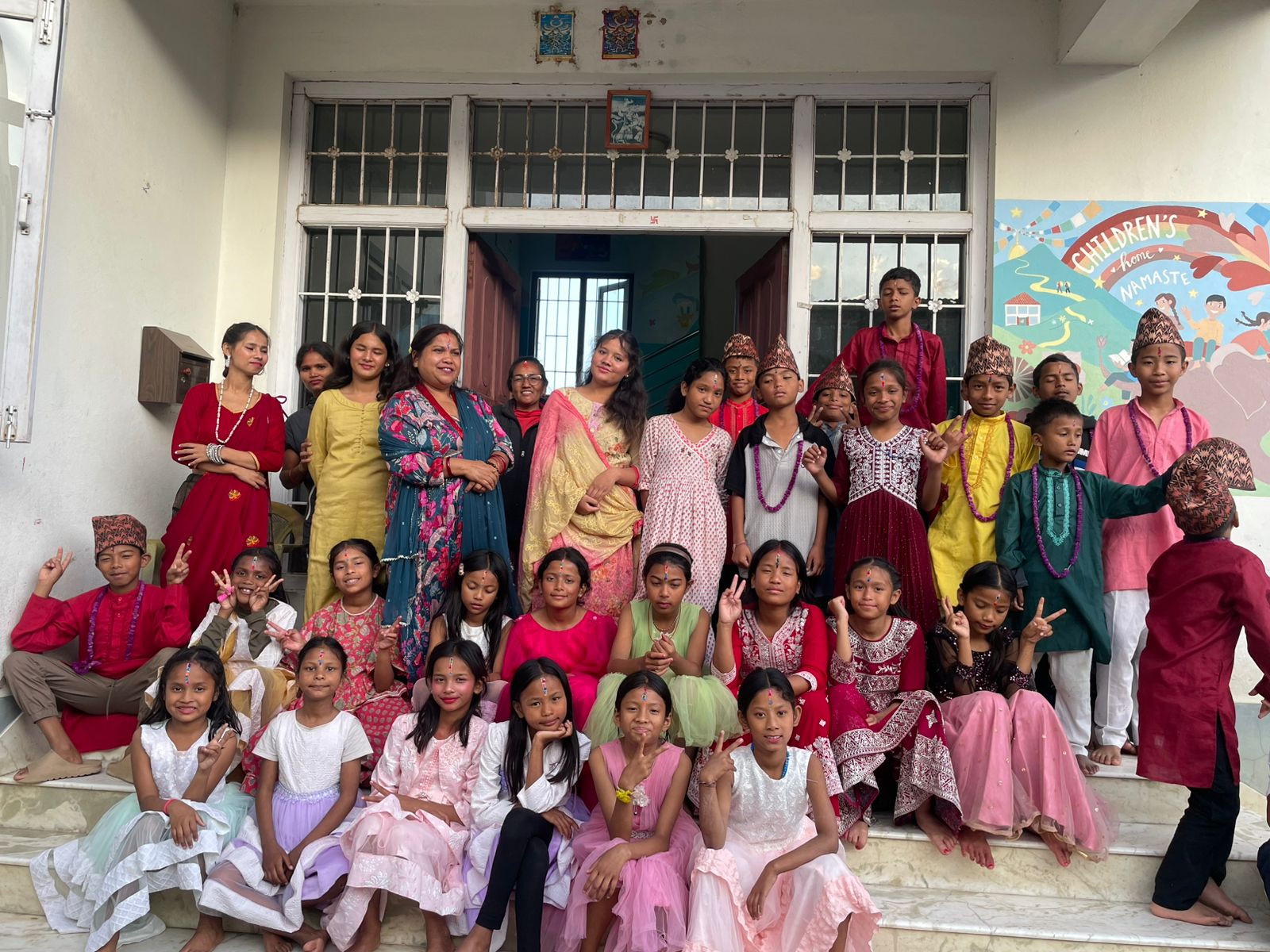
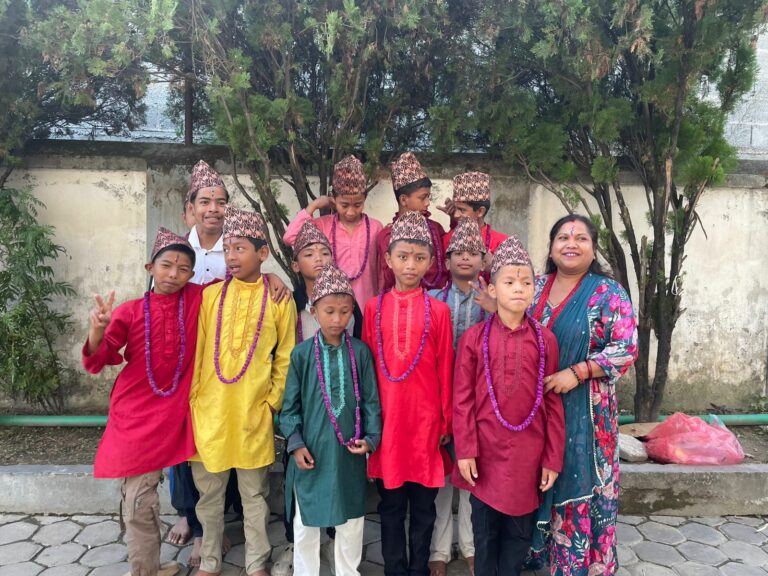
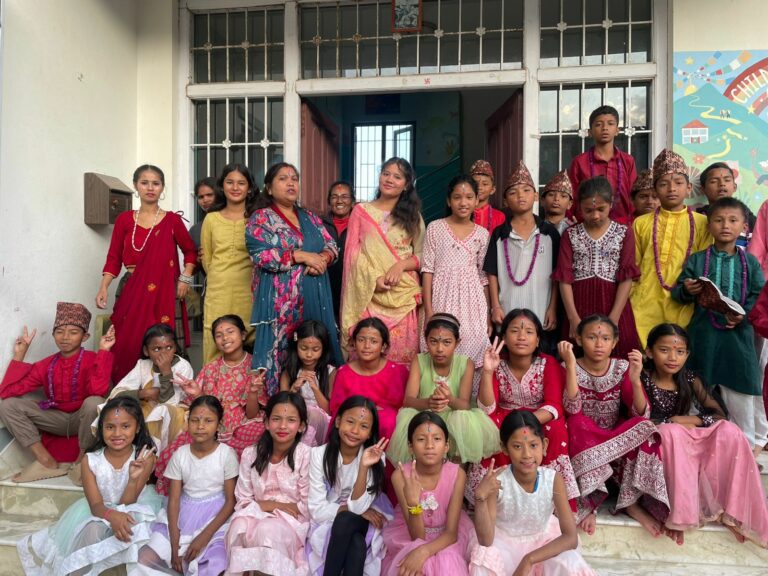
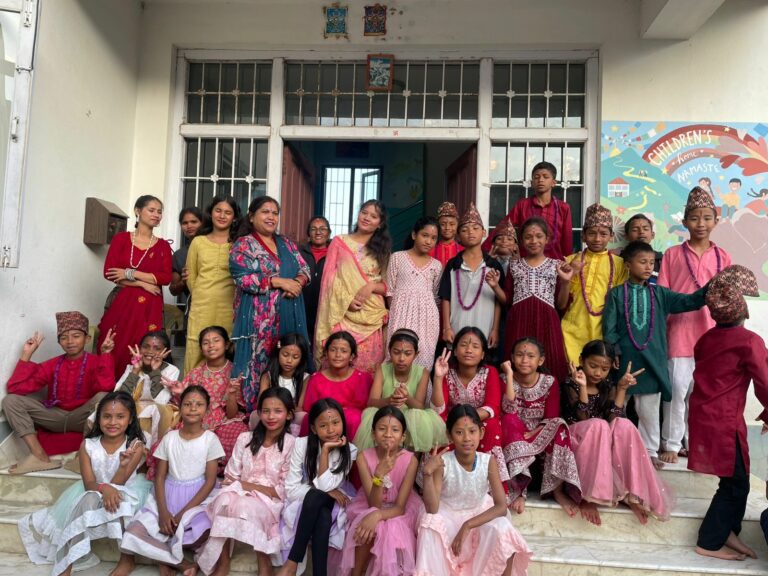
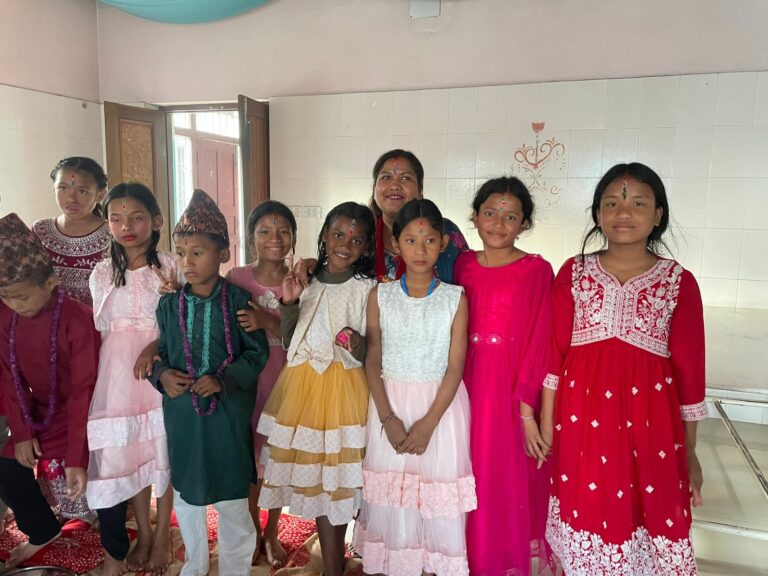
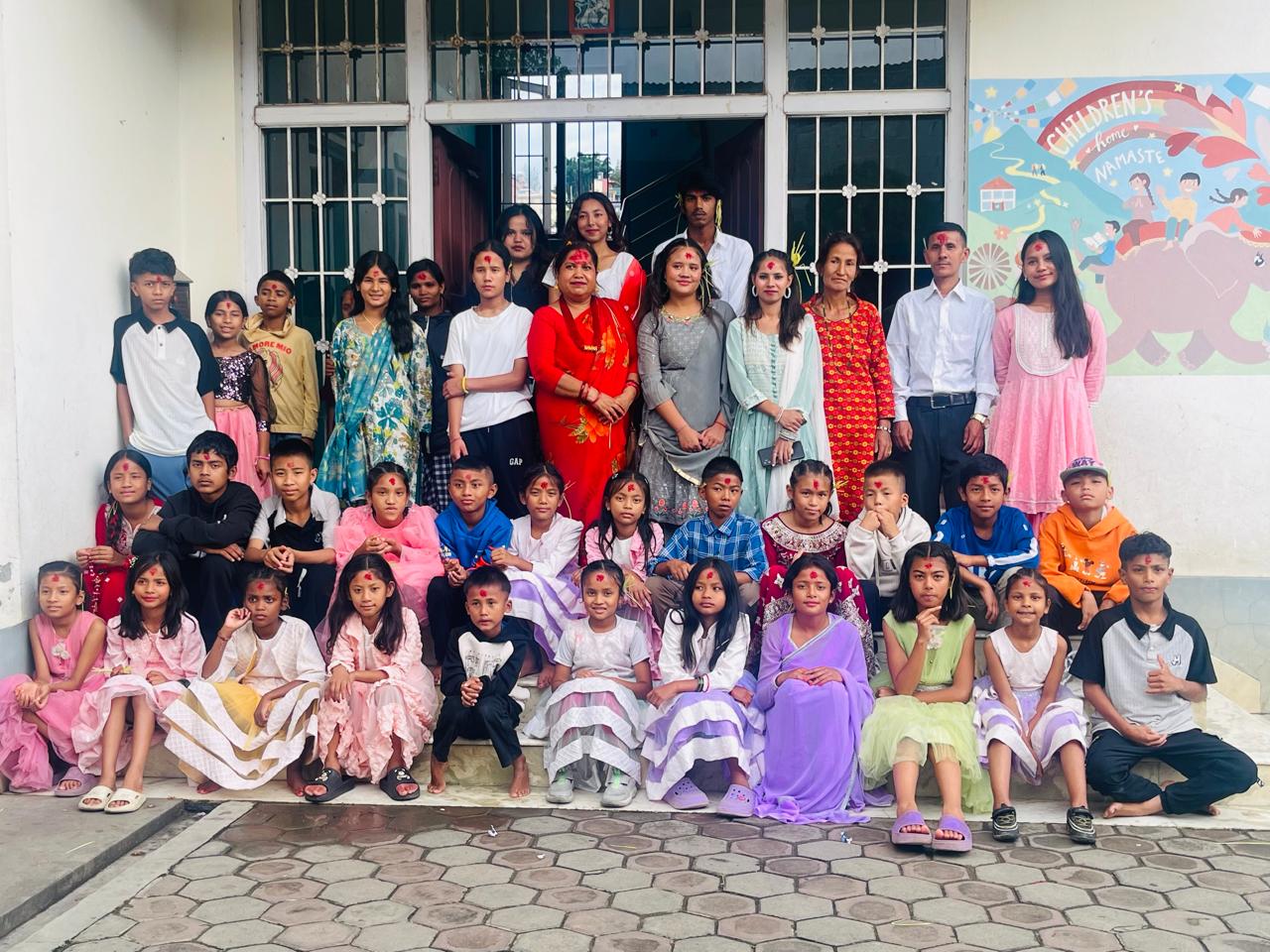
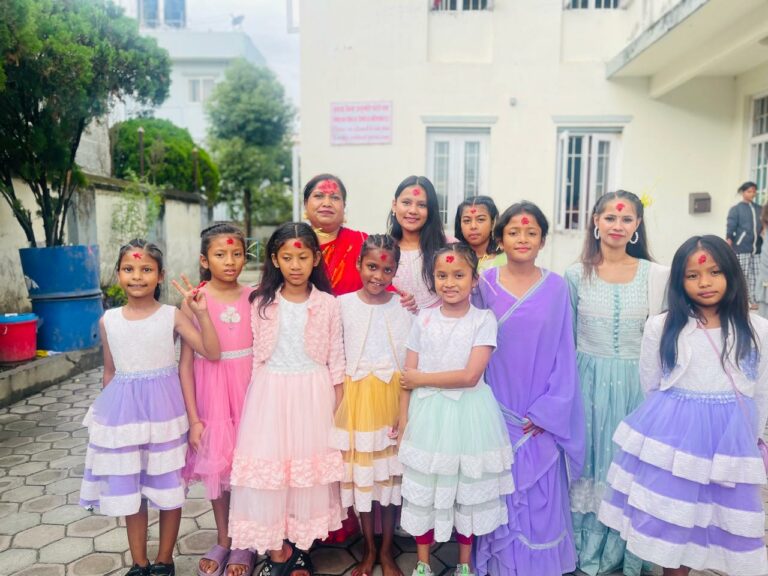
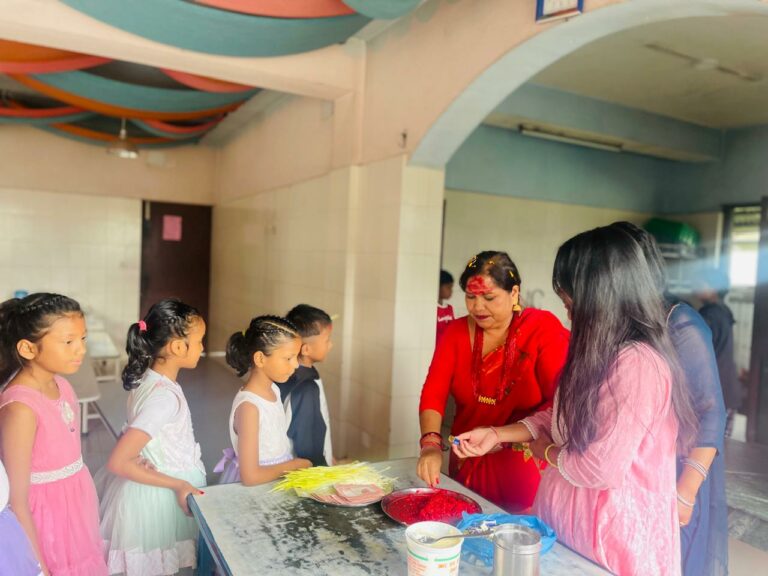
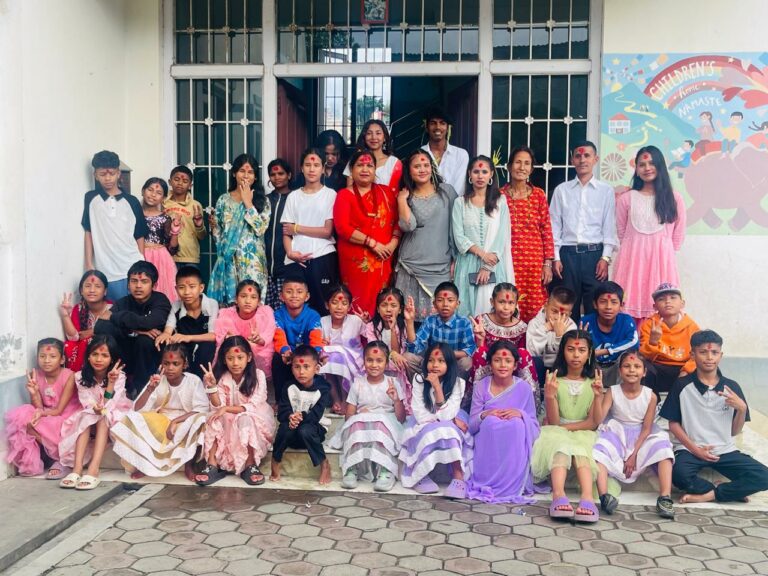
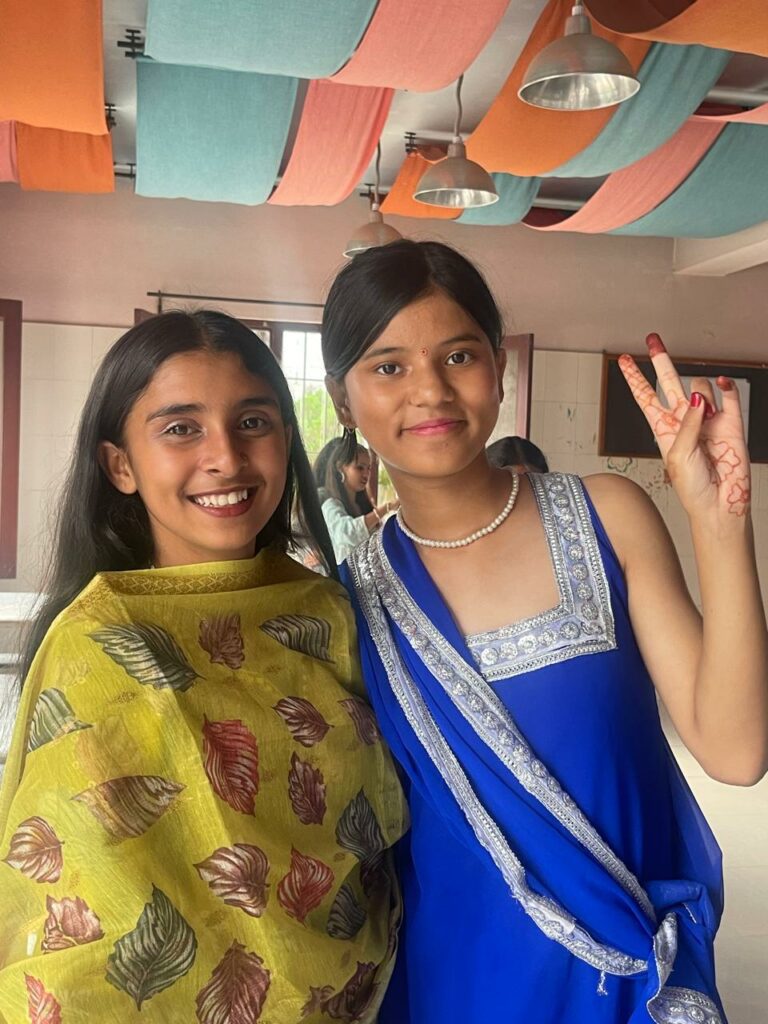
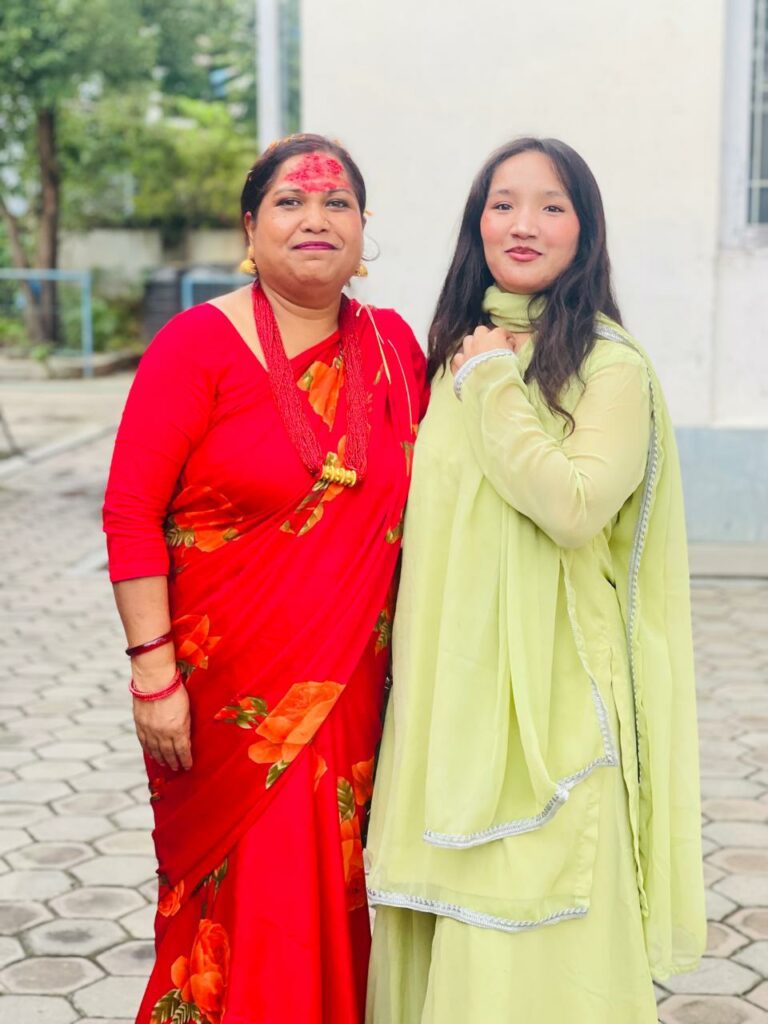
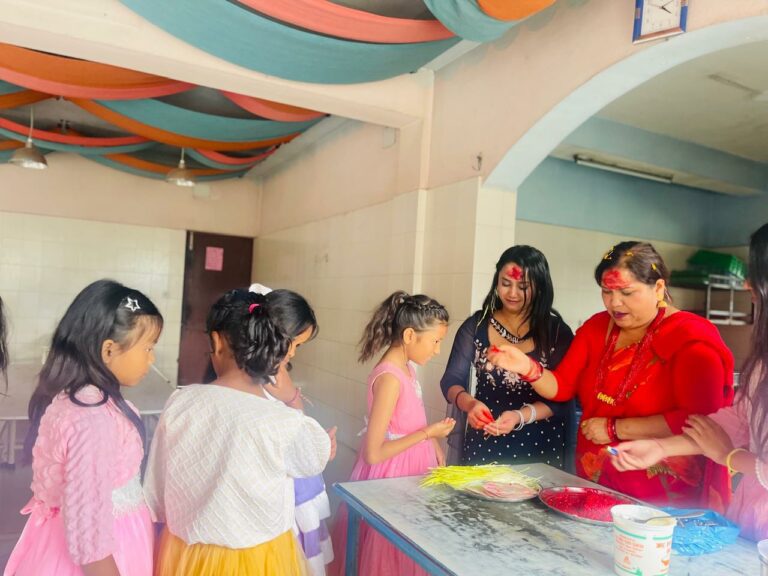
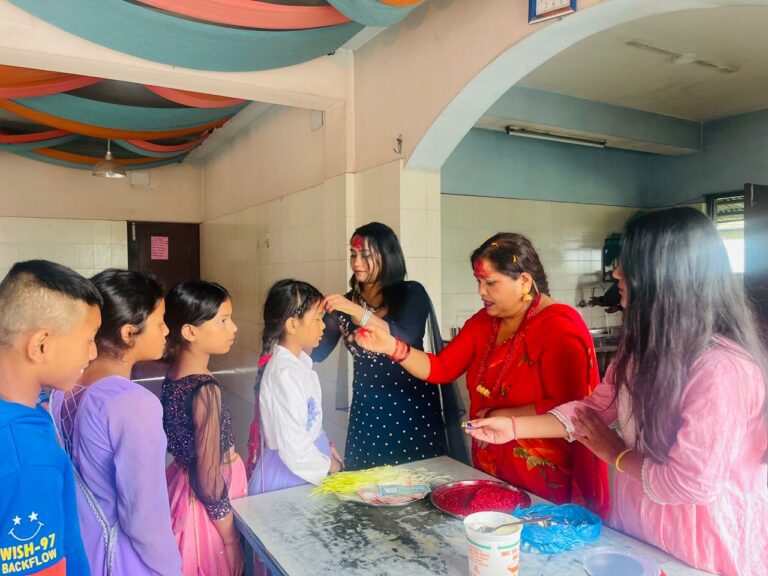
    This year, Dashain was celebrated with immense enthusiasm at a Children’s Home, as seen in the photos. The atmosphere was filled with warmth, unity, and joy. For children who may not have the traditional family setting to celebrate with, the home provided a loving environment where cultural traditions were honoured, and everyone felt a part of something special. 

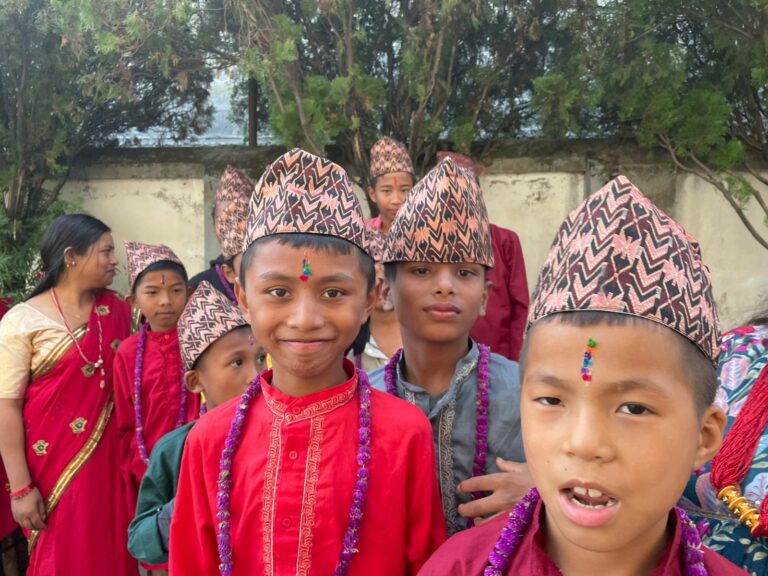
    The celebration began with days of preparation. The children and staff worked together to clean and decorate the premises. Colourful decorations were hung around the rooms and corridors, and a special space was arranged for tika ceremonies. The children, dressed in beautiful traditional and festive outfits, added a vibrant charm to the day. Girls wore bright dresses, and boys wore neatly dressed shirts, some even in traditional attire. 

    The spirit of Dashain was also reflected in the environment—walls were decorated with Dashain-themed posters, and the whole atmosphere exuded positivity and unity.  

    Tika and Jamara Ceremony 

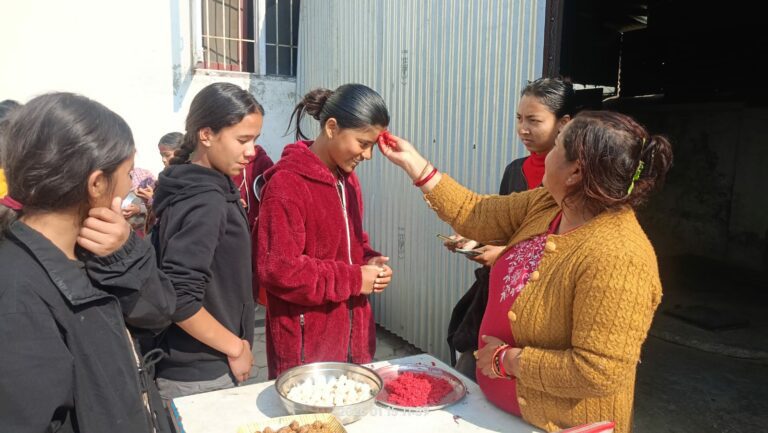
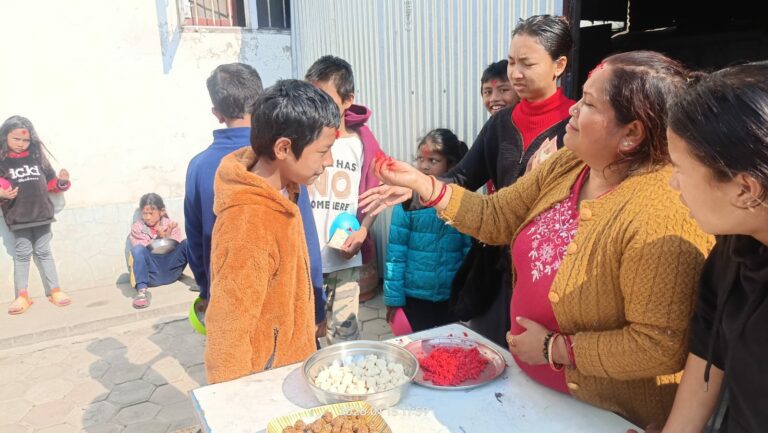
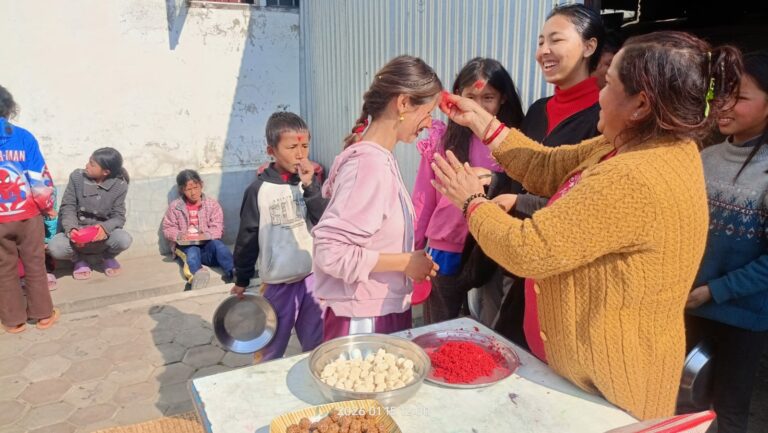
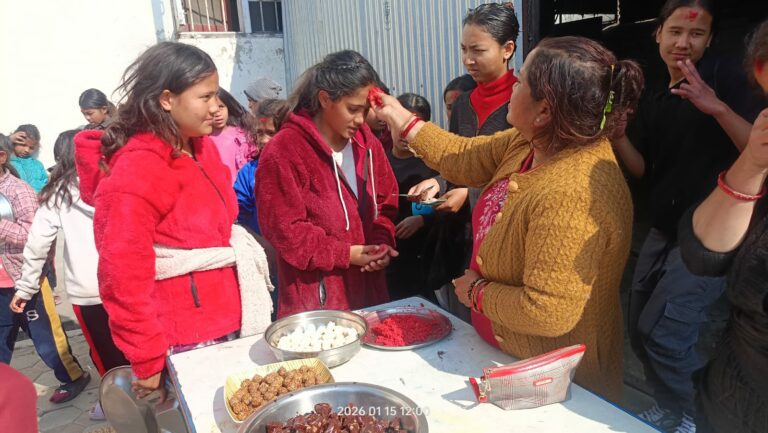
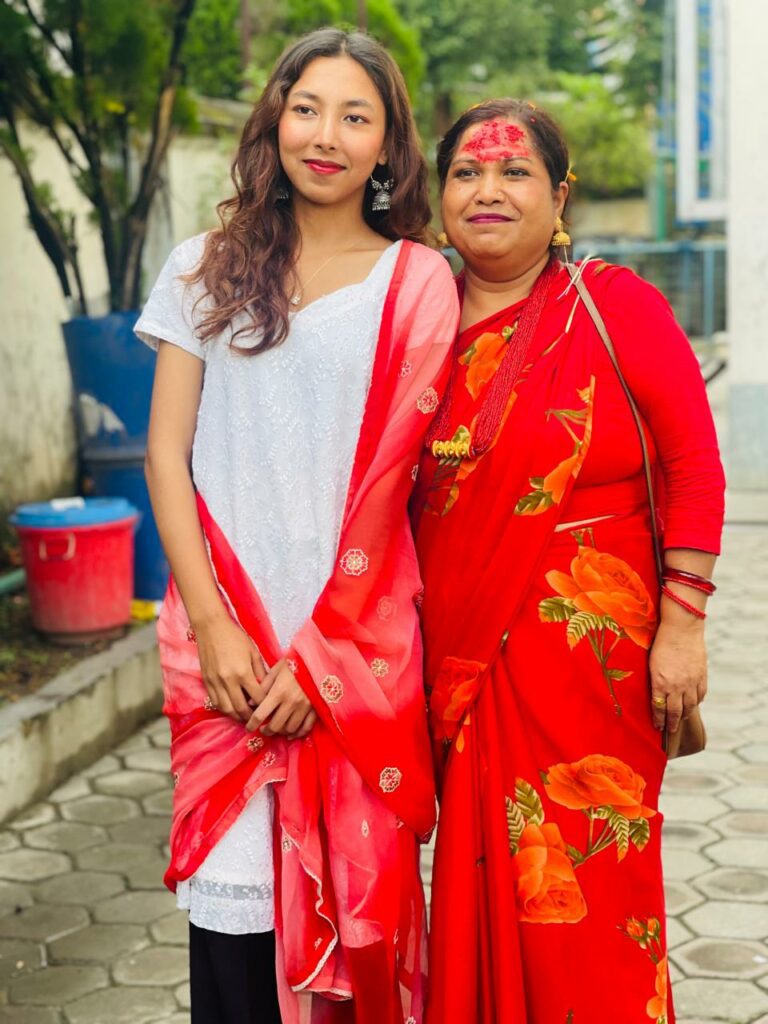
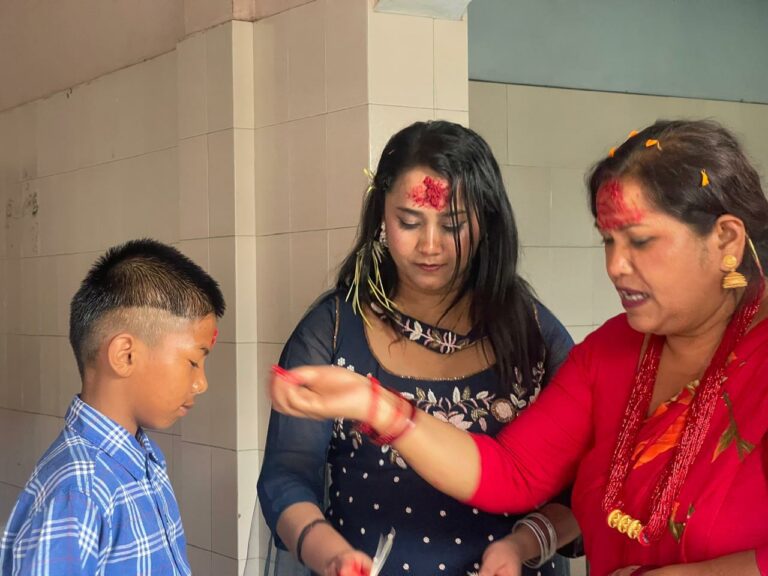
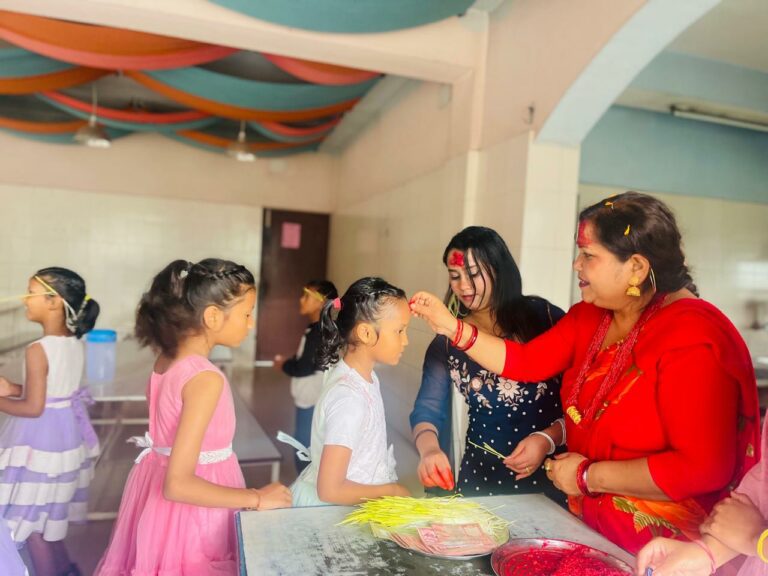
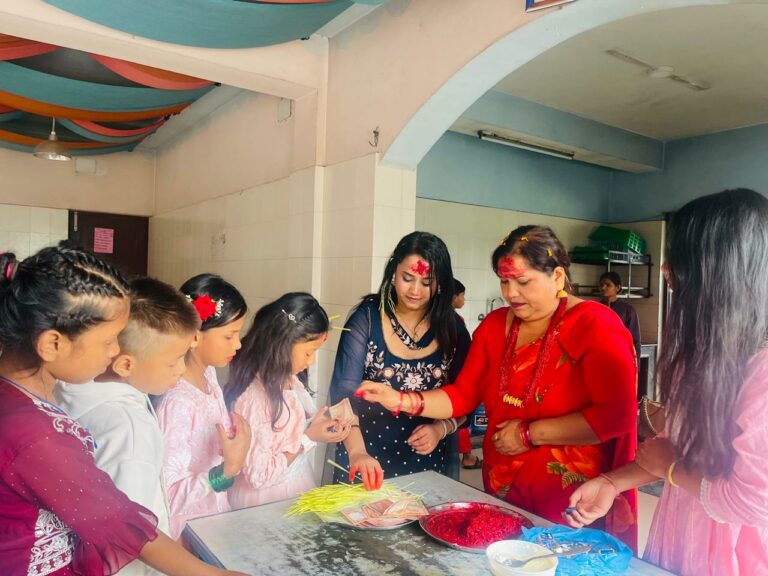
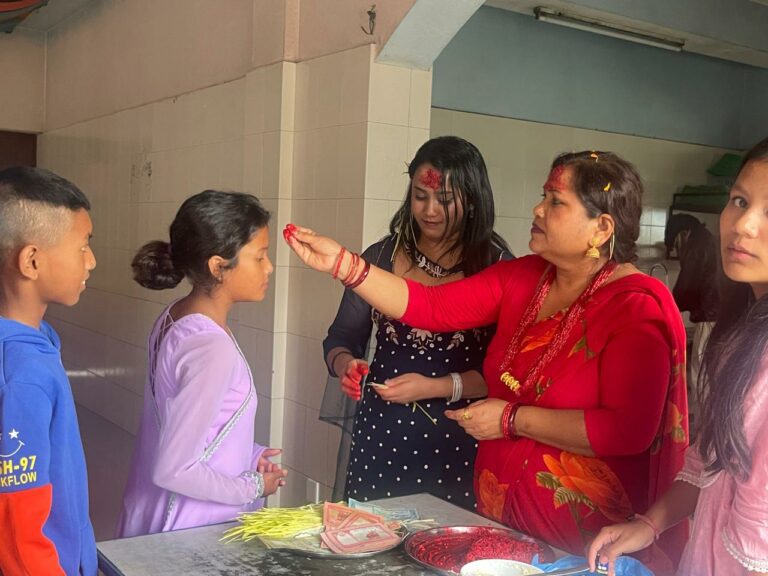
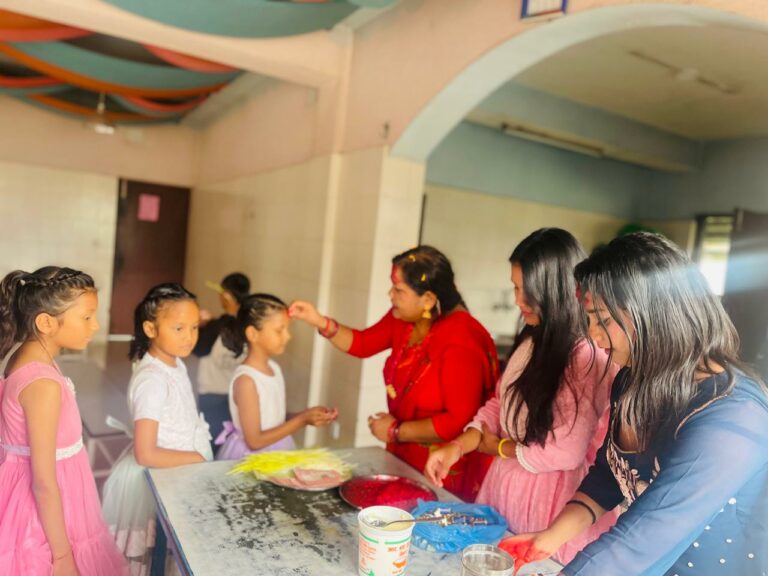
    One of the most heartwarming moments of Dashain is the tika and Jamara ceremony, which is a symbolic act of receiving blessings from elders. At the children’s home, this ritual was carried out with love and devotion. In the photos, we see Mrs. Saru in a red traditional dress applying tika on the forehead of Children’s. The expressions on their faces show the emotional significance of this act. The tika, made of red vermillion mixed with yogurt and rice, is placed on the forehead, while Jamara is placed on the head as a blessing for a bright future. 

    In a traditional home setting, children receive tika from their parents and elder relatives. However, in the children’s home, the caregivers and senior members of the staff took on this role with immense care and warmth. Each child came forward one by one to receive tika and Jamara, accompanied by kind words, smiles, and sometimes small gifts or money, just like in a typical family celebration. 

    This ceremony highlighted the importance of love and belonging, regardless of blood ties. The staff’s dedication and the children’s joy illustrated that family is not always defined by birth, but by the bonds we share. 

    Games, Music, and Dance 

    No Dashain celebration is complete without music, dance, and games. After the tika ceremony, the children engaged in singing, dancing, and traditional games. Popular Nepali songs played in the background while children took turns dancing and showcasing their talents. The courtyard echoed with laughter and cheer.  

    Many children were seen enjoying snacks and sweets that are typical of Dashain celebrations. These small yet meaningful details contributed to creating a genuine festival atmosphere, one that helped the children feel included in the cultural fabric of their community. 

    The Message of Dashain in a Children’s Home 

    Dashain is not just about rituals; it’s about values victory of good over evil, unity, blessings, gratitude, and love. For children living in a home away from their biological families, these values become even more significant. Celebrations like these install a sense of cultural identity, emotional belonging, and spiritual strength. 

    The caregivers and staff played a crucial role in making this Dashain meaningful. They didn’t just organize a celebration they gave the children memories, warmth, and a reminder that they are loved and cherished. 

    The Dashain celebration at the Children’s Home was a beautiful reflection of Nepali culture, compassion, and the spirit of togetherness. Through the tika ceremony, music, dance, and shared meals, the children experienced the joy and blessings of the festival just like any other child in Nepal. 

    These celebrations are essential in building emotional bonds and creating lasting memories for the children. They also help in preserving traditions and ensuring that every child feels valued, respected, and part of a larger family. Dashain in a children’s home isn’t just about a festival it’s about creating a sense of home, hope, and happiness. 

  • Children’s Home Celebrates Teej

    Children’s Home Celebrates Teej

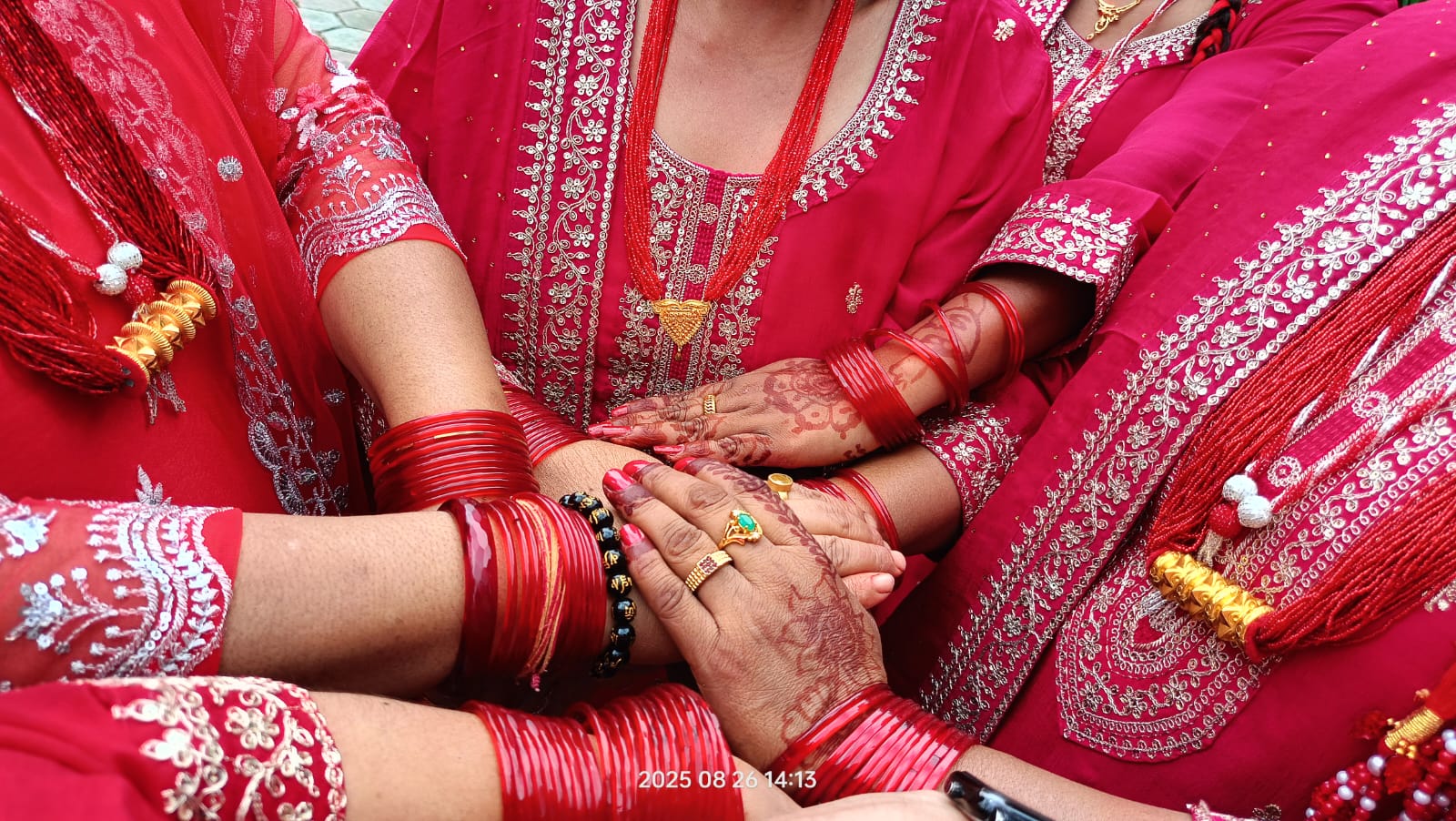
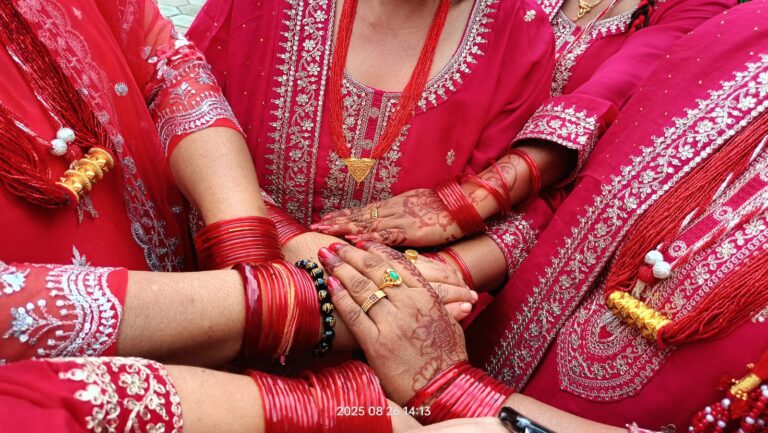
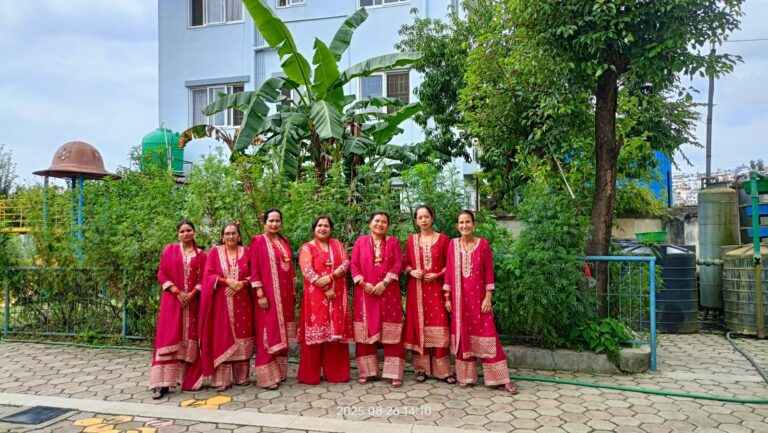
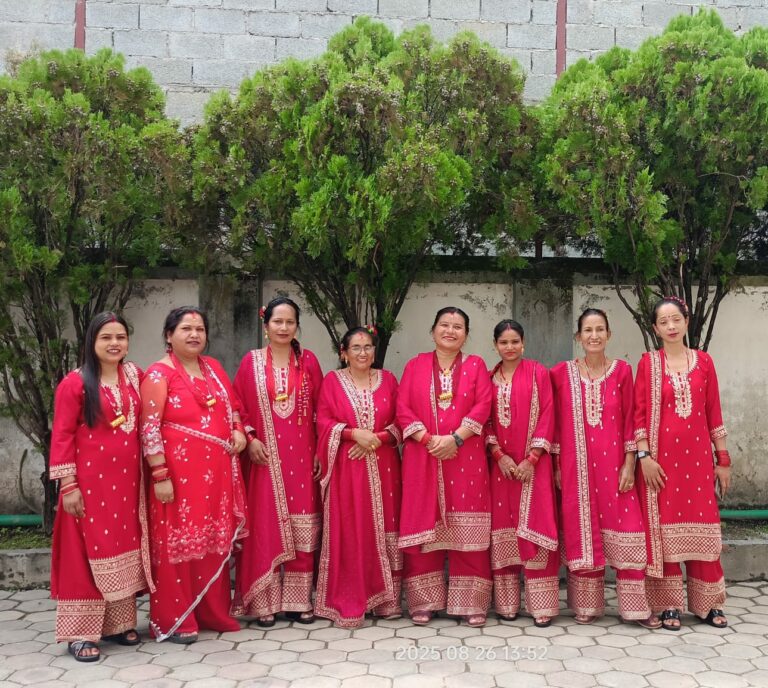
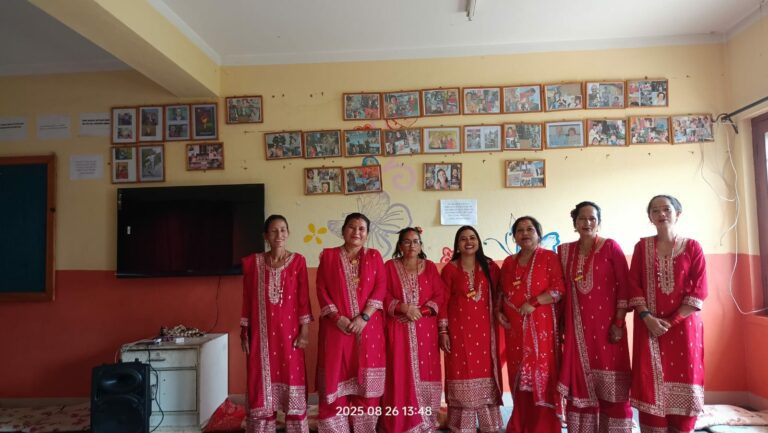
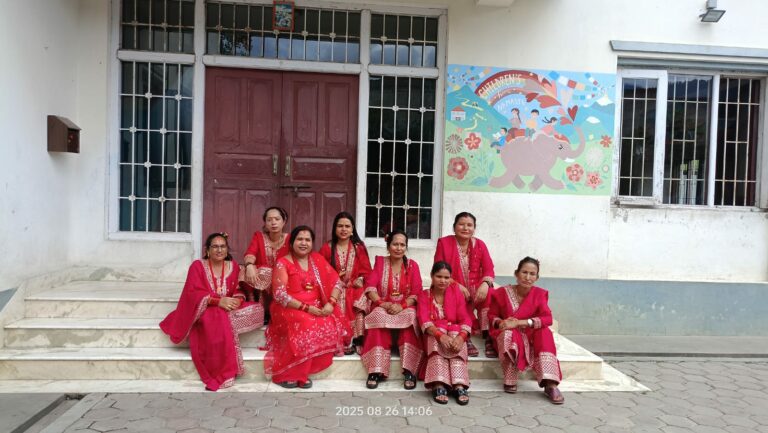
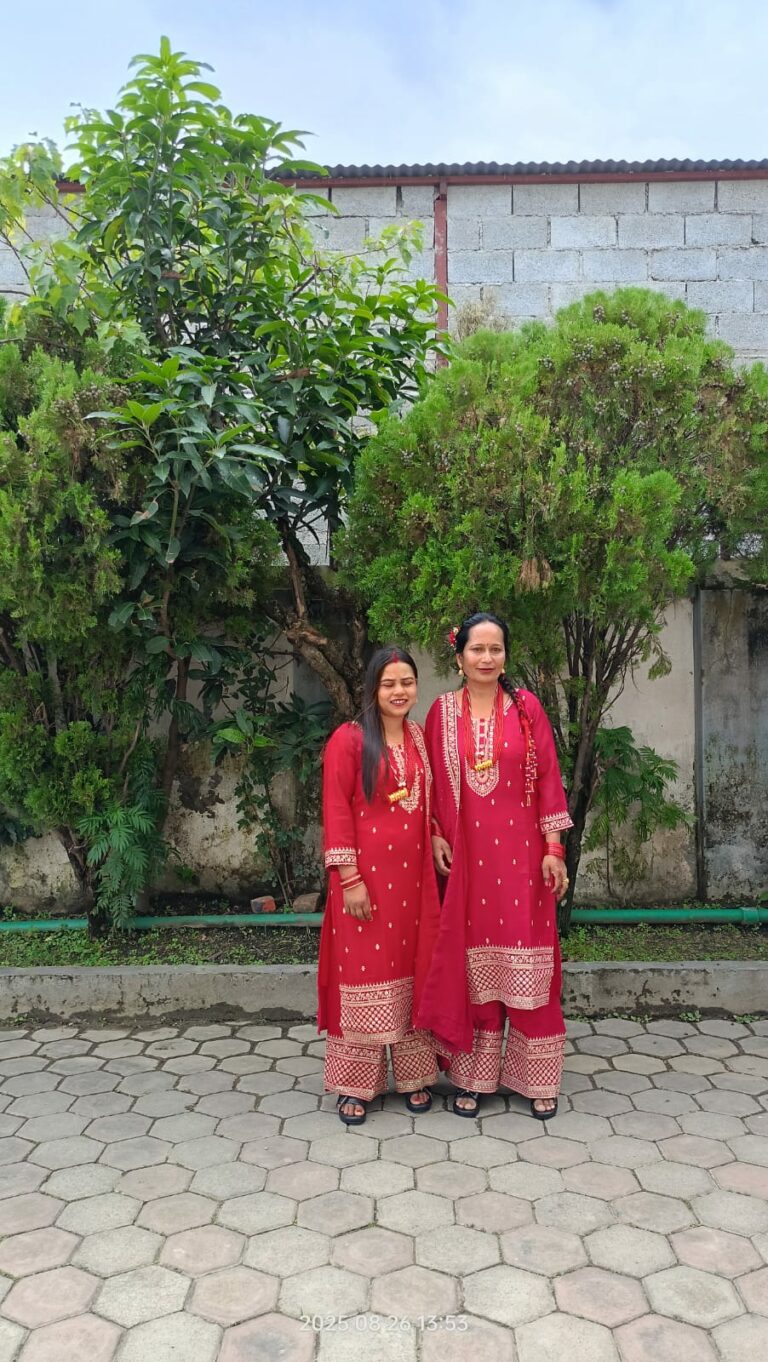
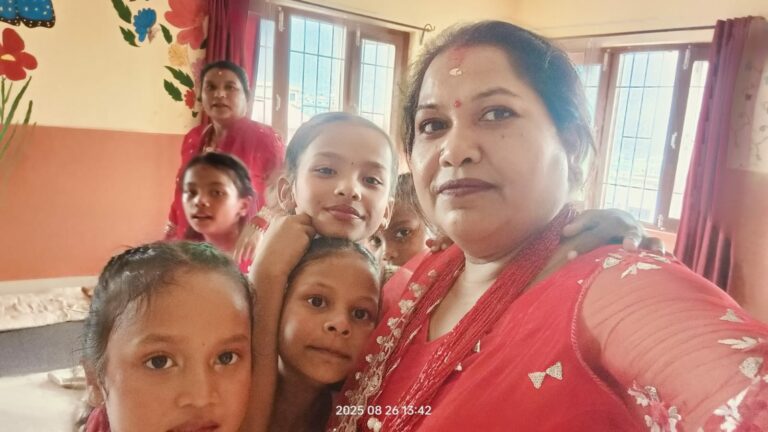
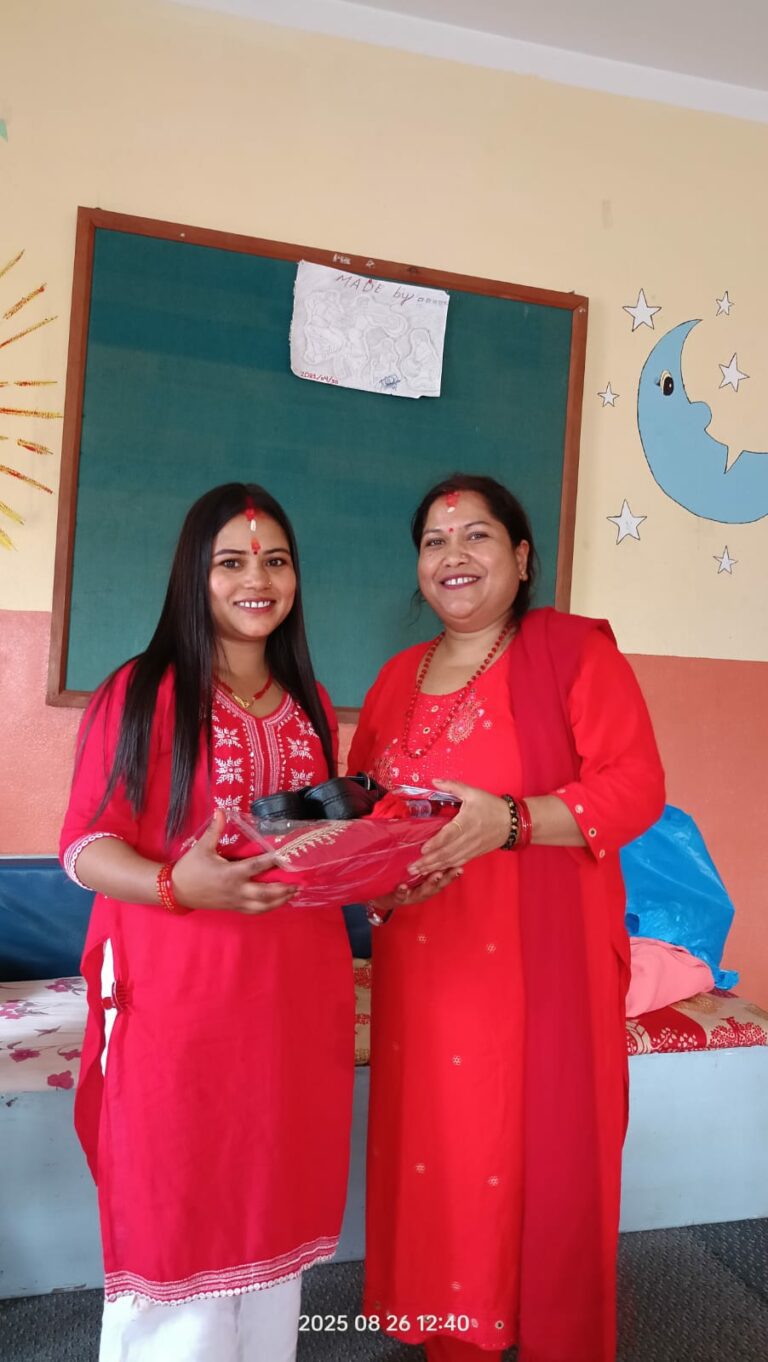
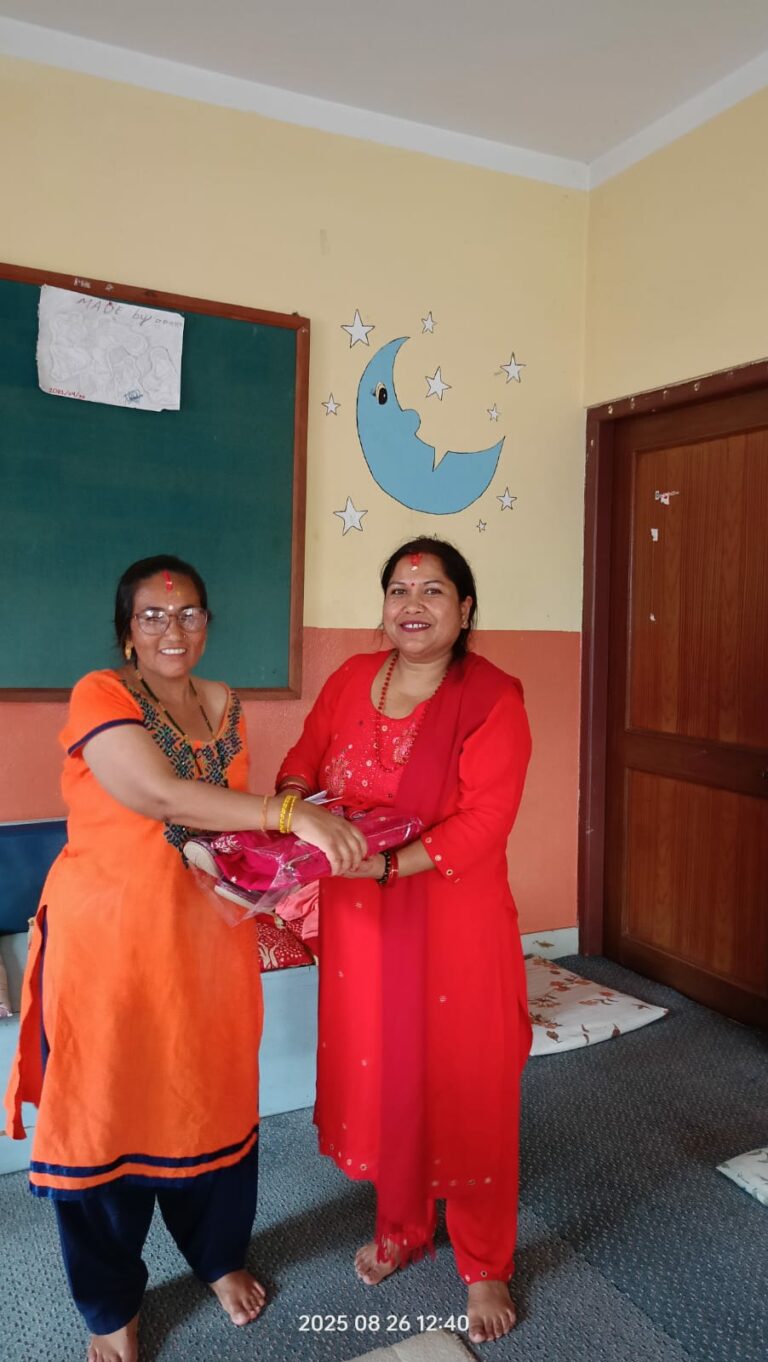
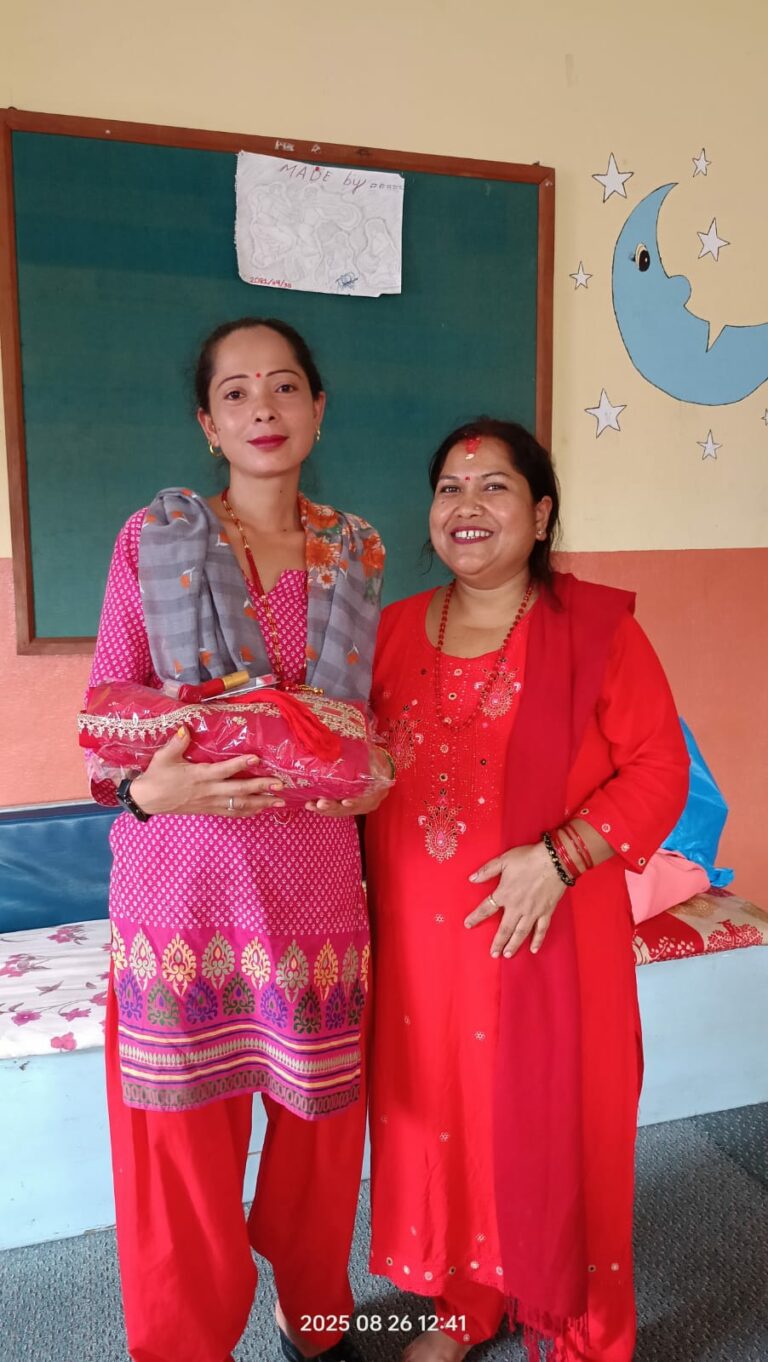
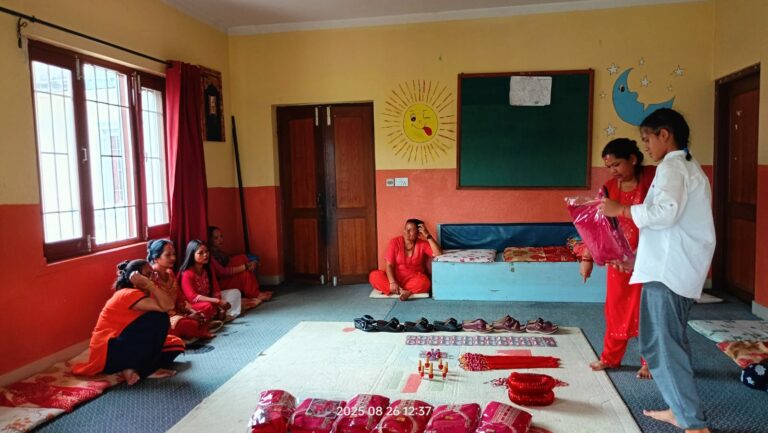
    Teej is a Hindu festival celebrated mainly by women in Nepal and parts of India, dedicated to Goddess Parvati and her union with Lord Shiva. It usually falls in August or September and this year it was in August 26th 2025 it is considered a festival of love, devotion, and well-being of family life. The celebration takes place over three days Dar Khane Din, Haritalika Teej, and Rishi Panchami. On the first day, women gather with relatives to enjoy a grand feast before beginning the fast. The second day, Haritalika Teej, is the main day of fasting, when married women pray for the long life and prosperity of their husbands, while unmarried women wish for a good husband. Women dress in red saris, wear green bangles, apply tika, and gather to sing and dance to traditional Teej songs. On the third day, Rishi Panchami, they perform purification rituals to seek forgiveness for mistakes in daily life. Teej is not only a religious observance but also a cultural celebration that strengthens sisterhood, unity, and joy among women. Temples, especially the Pashupatinath Temple in Kathmandu, become major gathering places during this time. Overall, Teej reflects devotion, cultural pride, and the special bond between women, their families, and their faith.


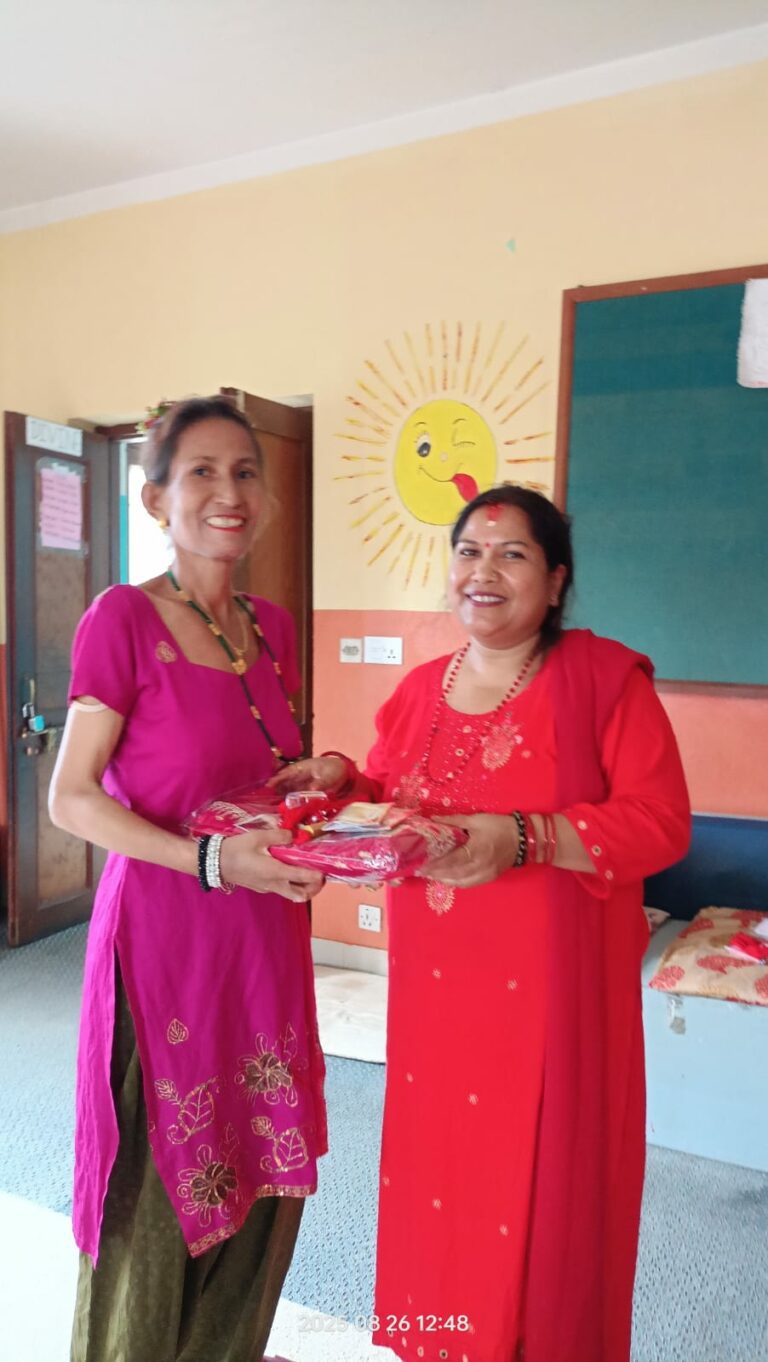
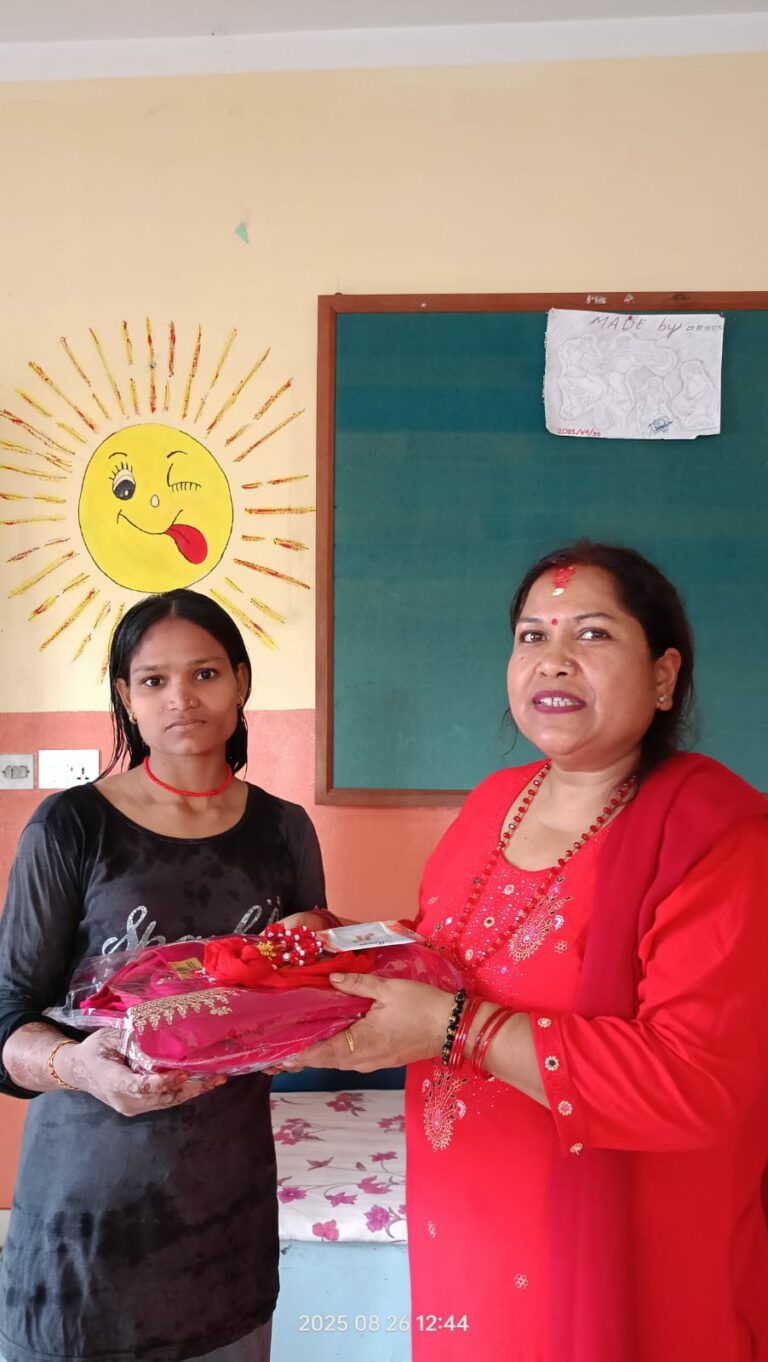
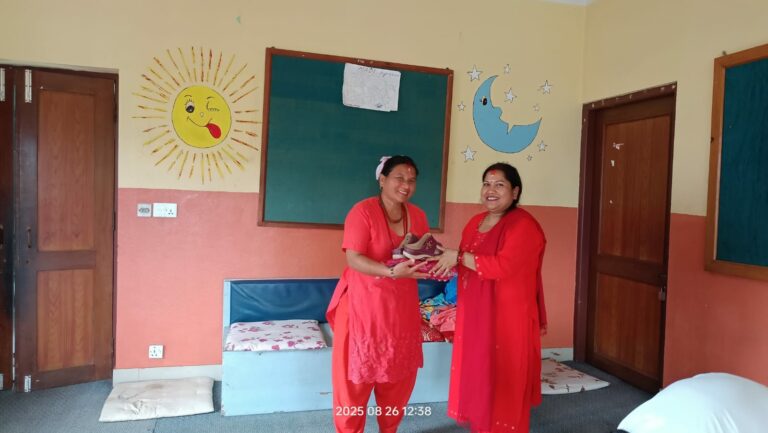
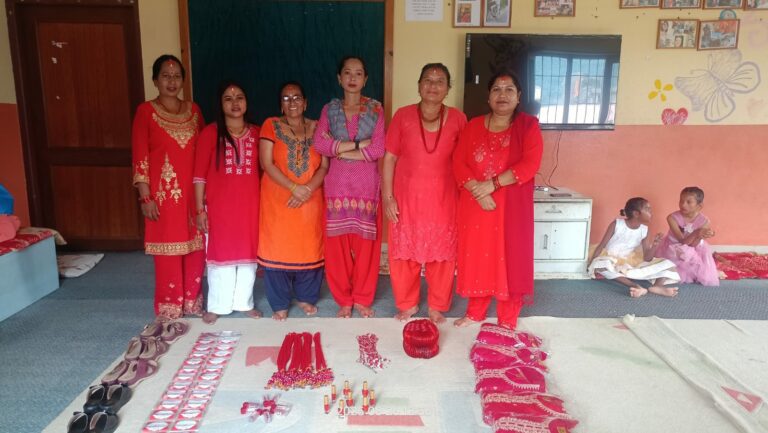
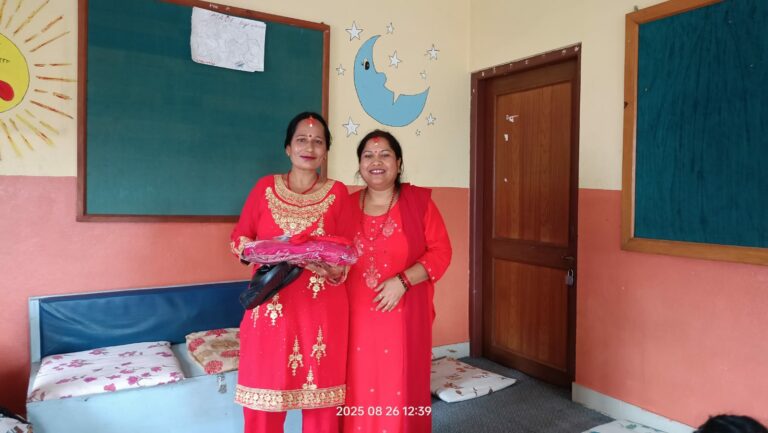
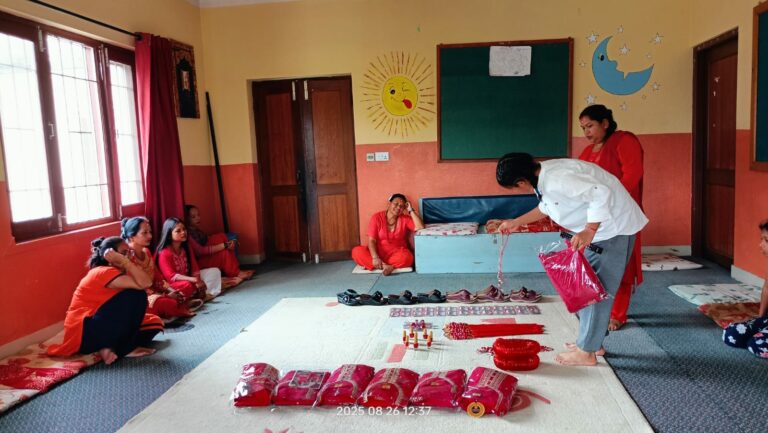
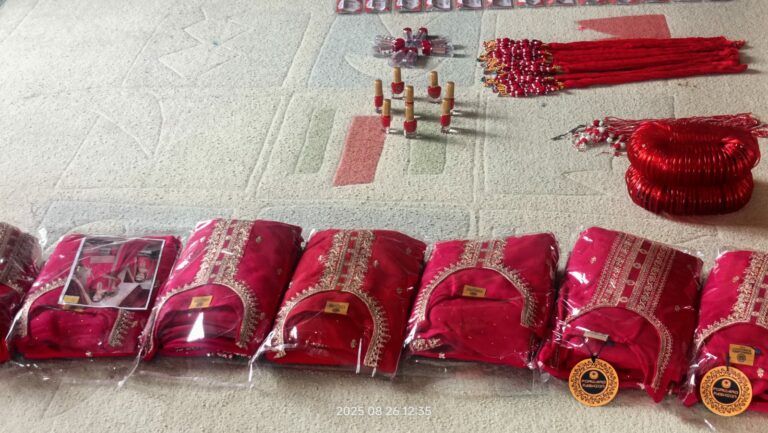
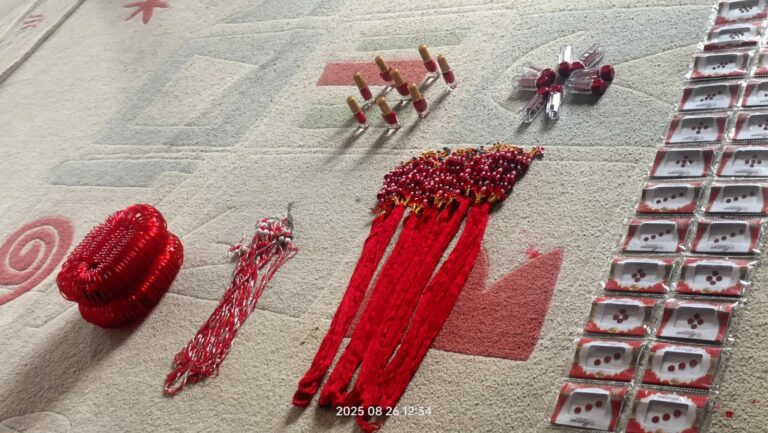
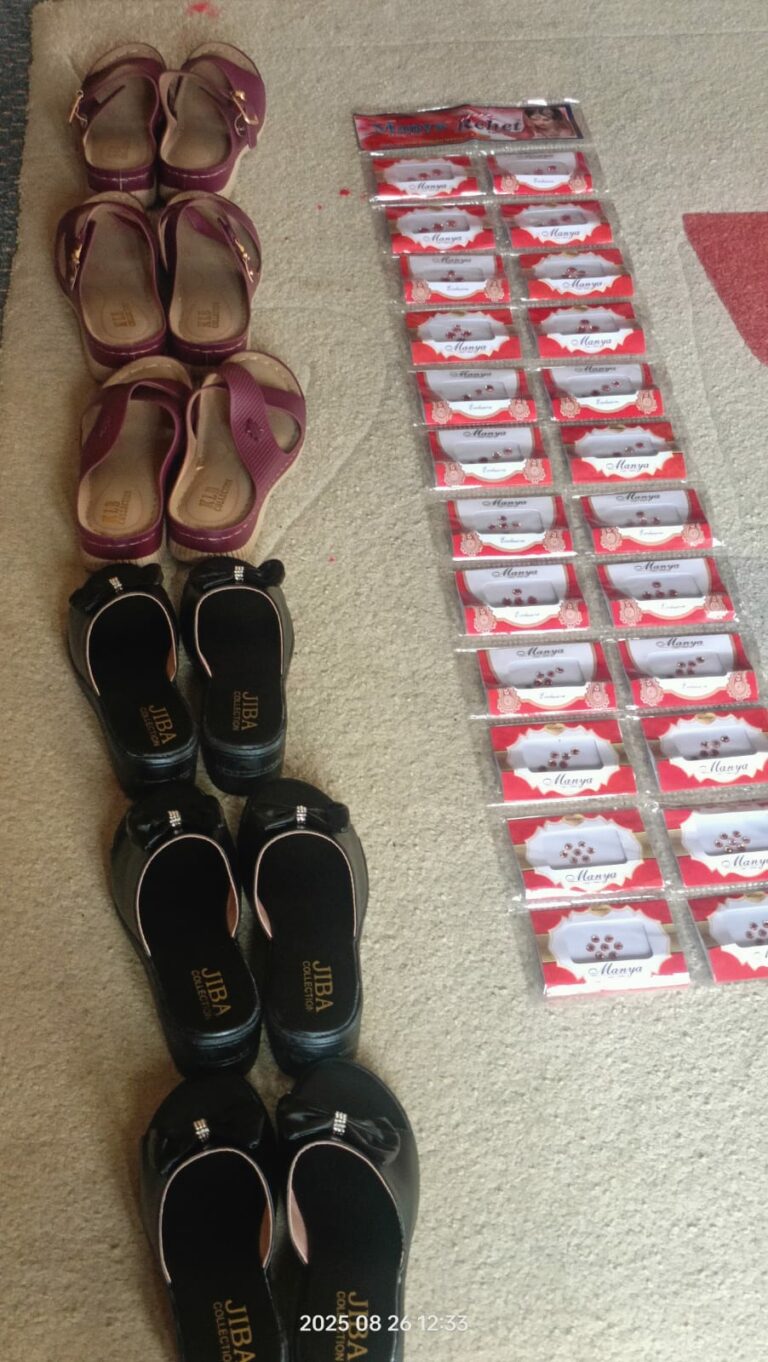
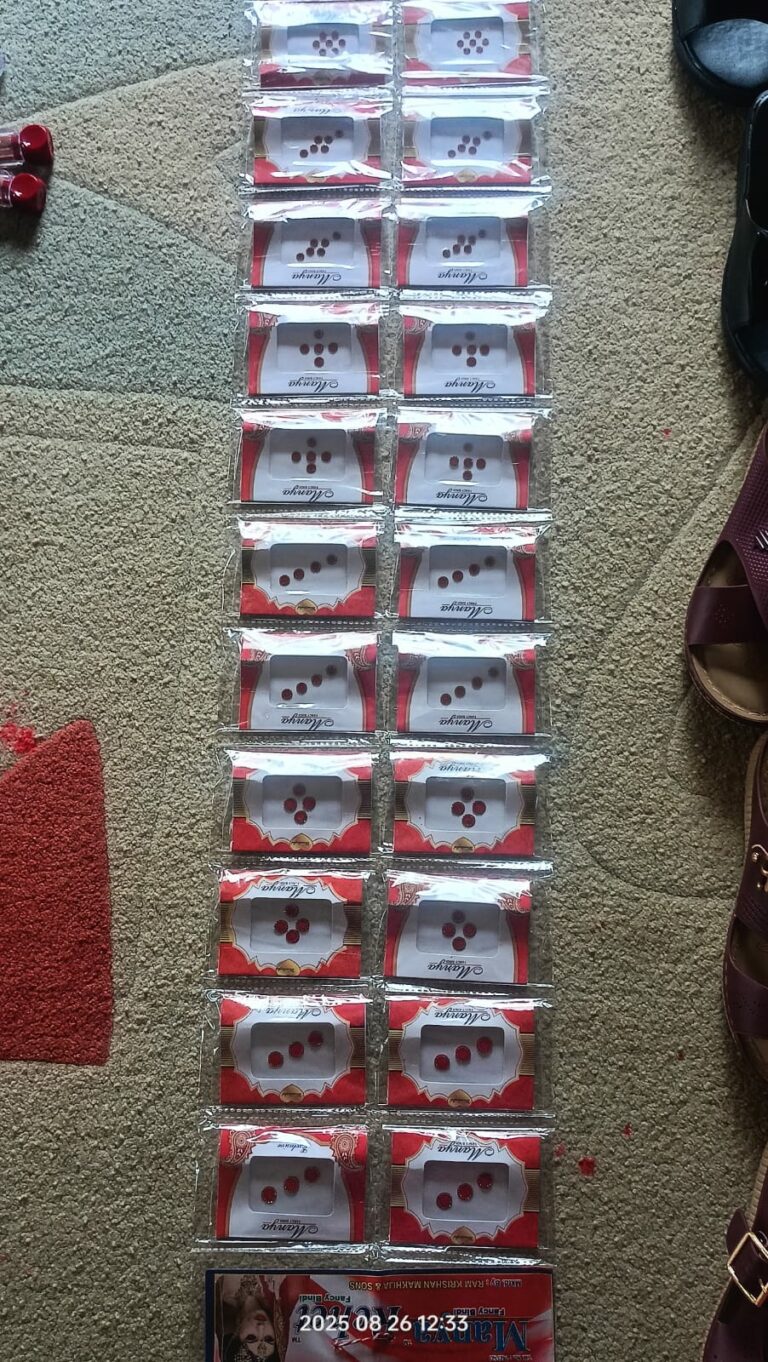
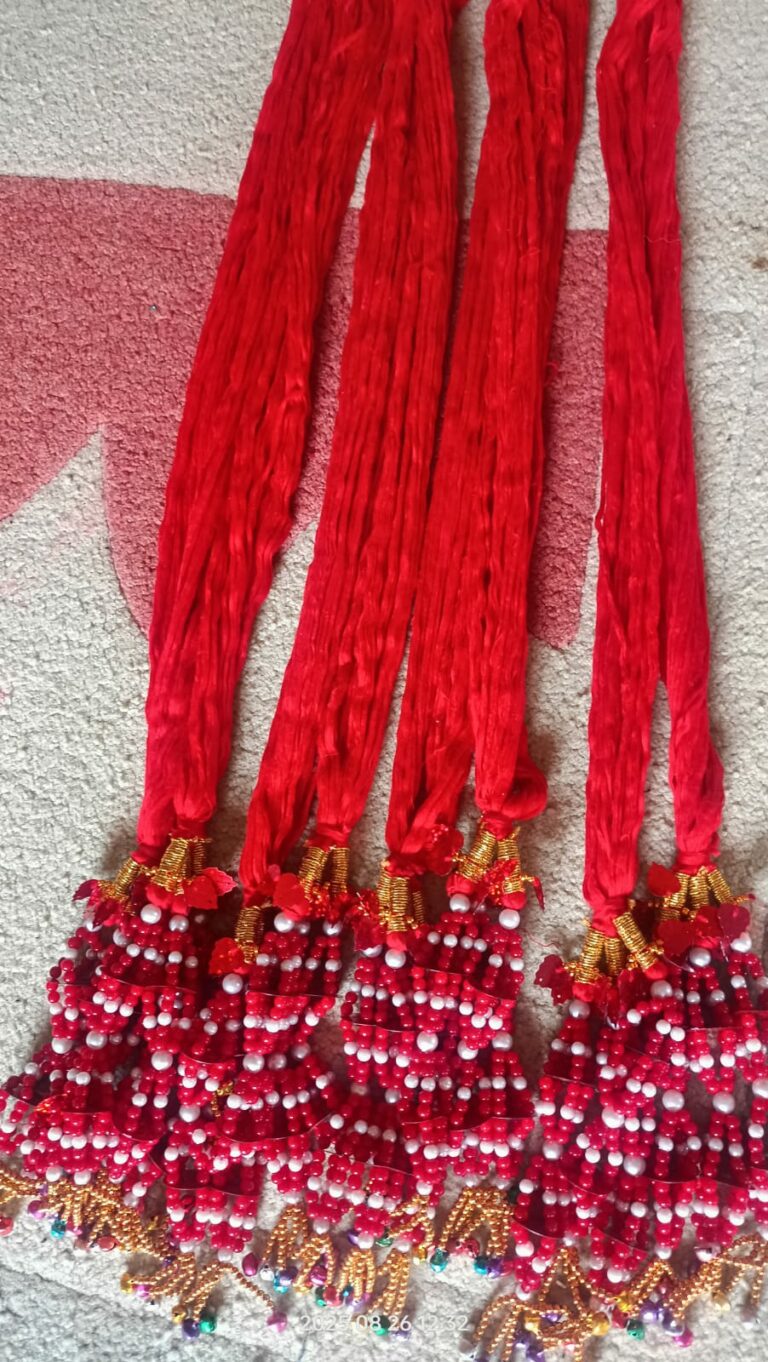
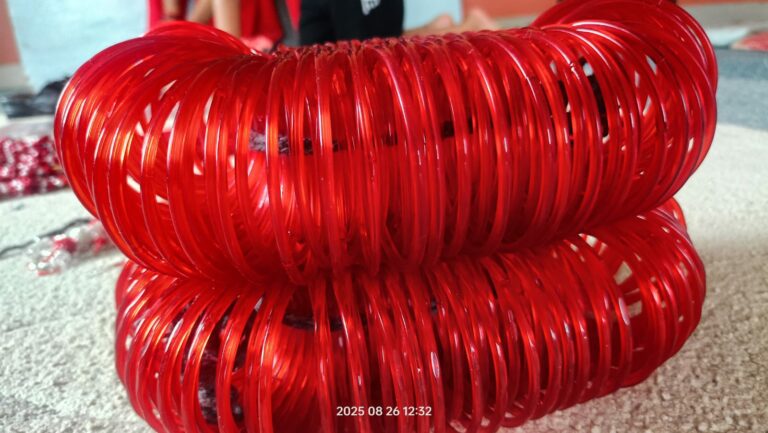
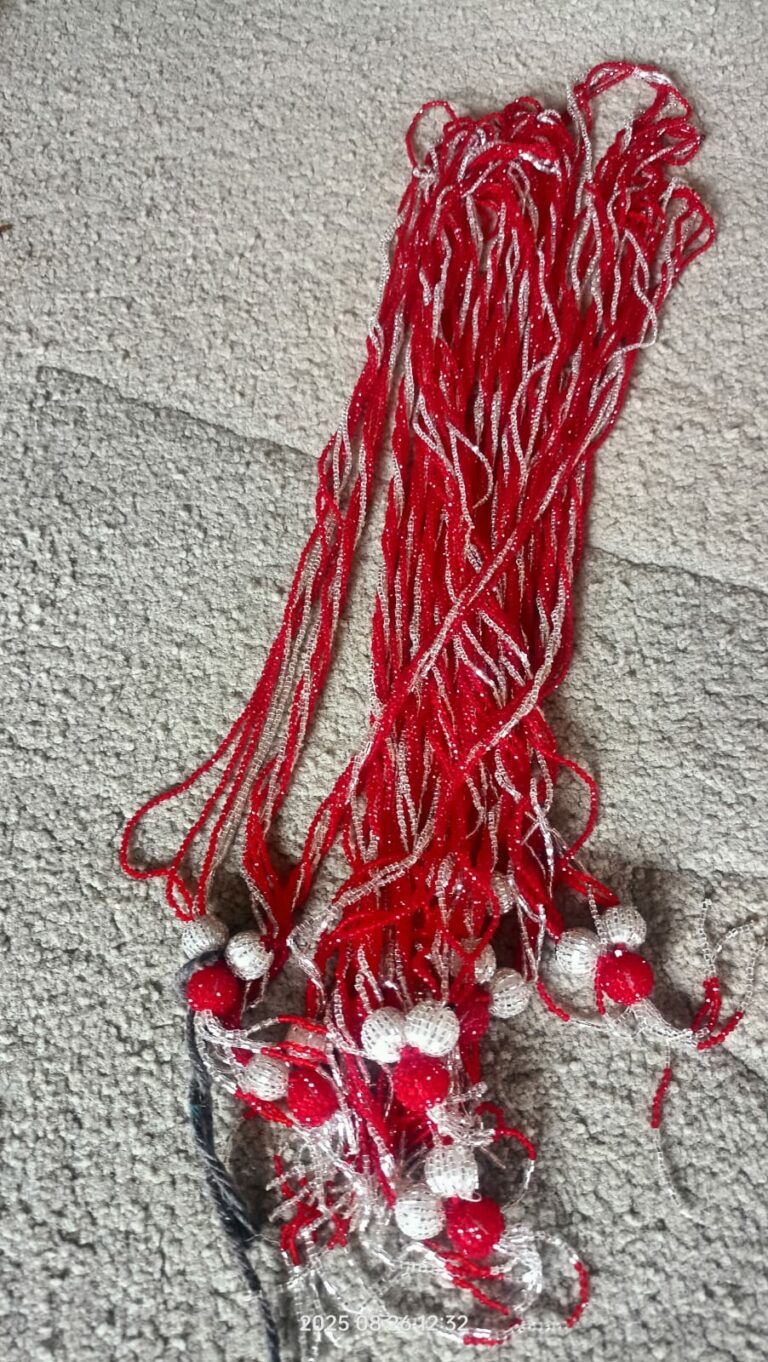
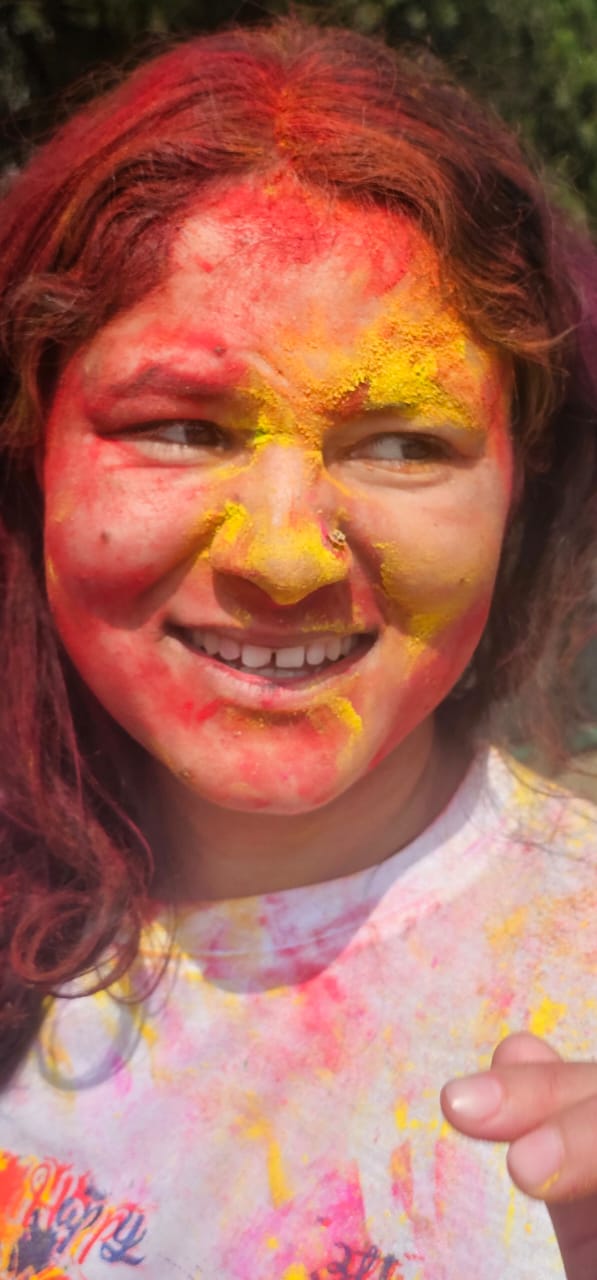
    On the 26th of August, we joyfully celebrated Teej at our Children’s Home together with the staff members and the children. To mark this special occasion, all the staff were gifted traditional red kurthas, chura (bangles), lacha dhago (hair accessories) along with makeup items such as nail polish, lipstick, tika and potey (beaded necklaces), which are considered significant symbols of Teej. The staff wore these traditional outfits and observed fasting as part of the ritual. Some of the children also participated in the fast, showing great enthusiasm and respect for the cultural practice. Throughout the day, the children learned about the importance of Teej, its religious significance, and the traditions that have been passed down through generations. The celebration was filled with joy, unity, and cultural pride, giving the children not only an opportunity to observe rituals but also to experience the deeper meaning of togetherness and devotion that Teej represents. It became a memorable event where both staff and children connected through shared traditions, songs, and festive spirit.
     

    In conclusion, the Teej celebration at the children’s home was not only a festive occasion but also a meaningful cultural experience for both the staff and children. It strengthened the bond among everyone, highlighted the importance of preserving traditions, and provided the children with valuable exposure to their cultural heritage. The event was a reminder of the joy that comes from unity, respect for customs, and shared celebrations, leaving behind cherished memories for all.

  • Children’s Home Celebrates Janai Purnima and Raksha Bandhan

    Children’s Home Celebrates Janai Purnima and Raksha Bandhan

    9th AUGUST 2025

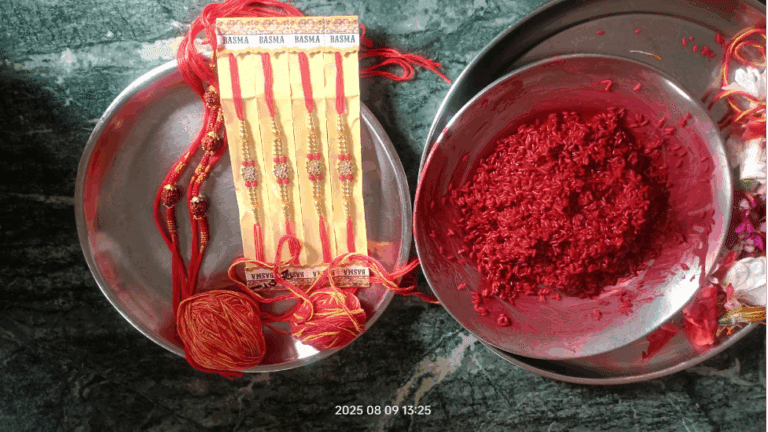
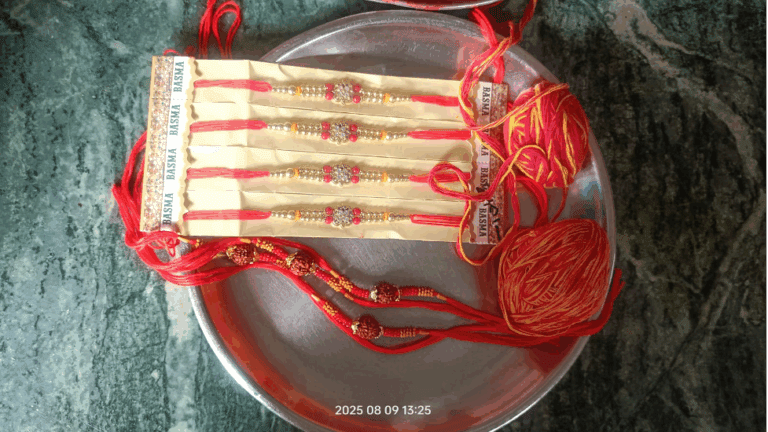
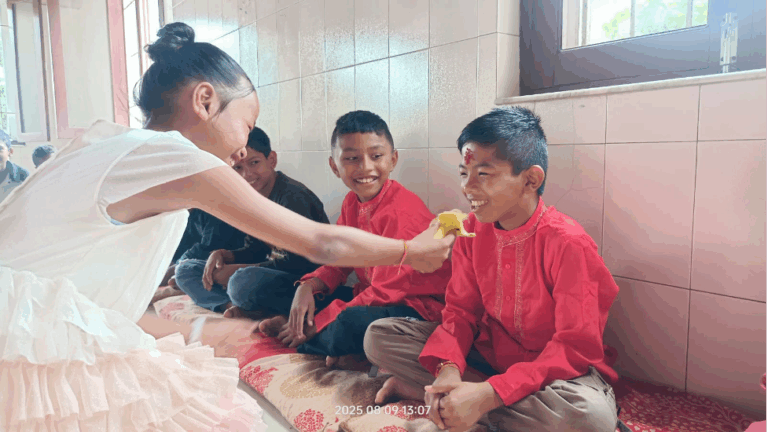
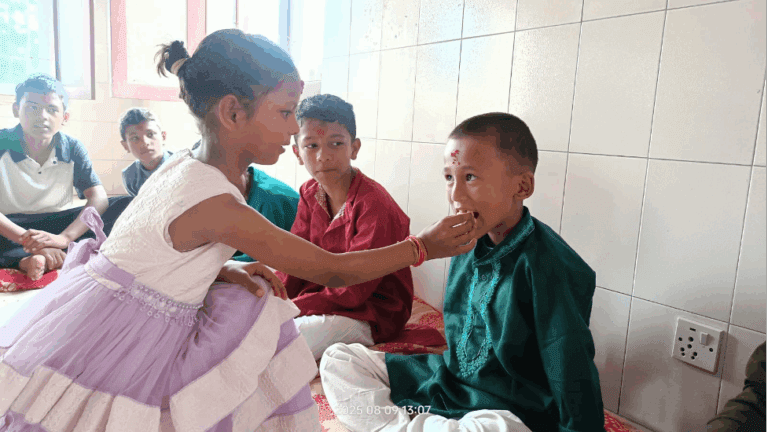
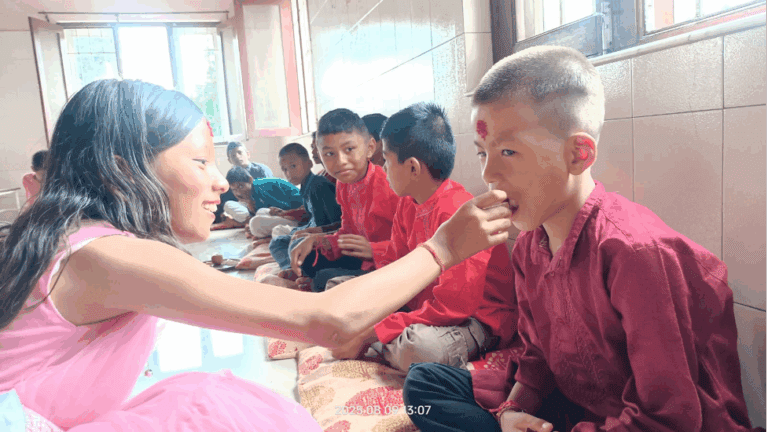
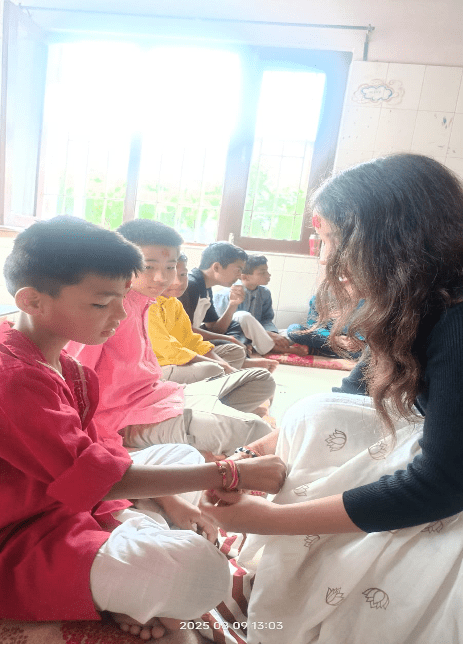
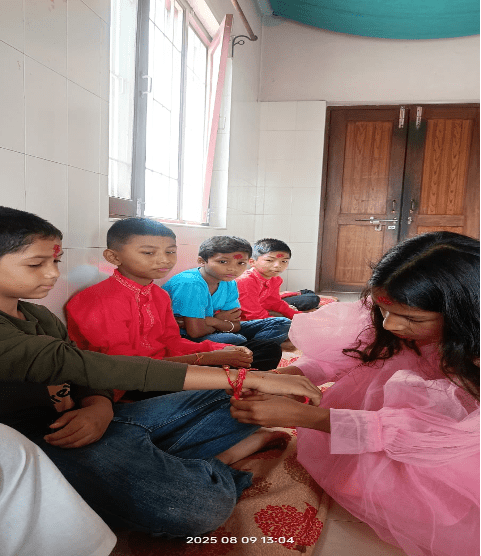
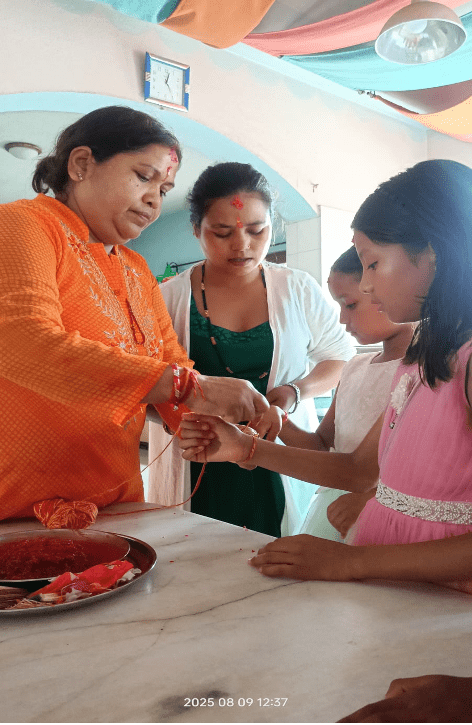
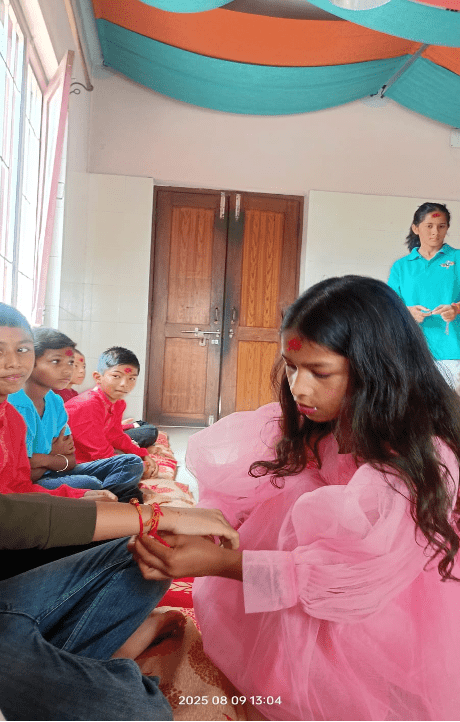
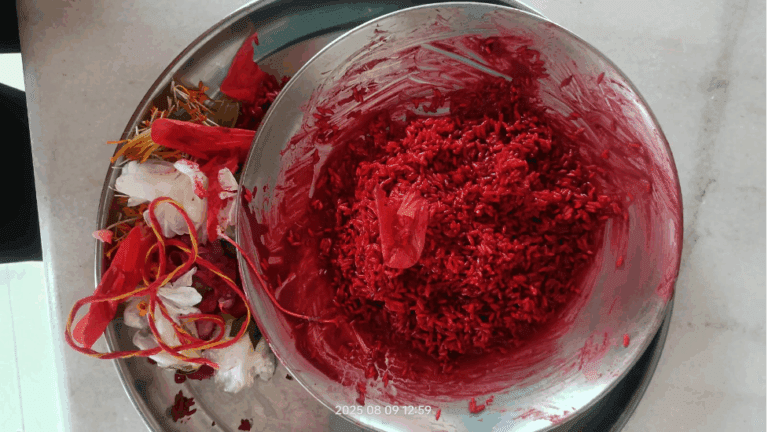
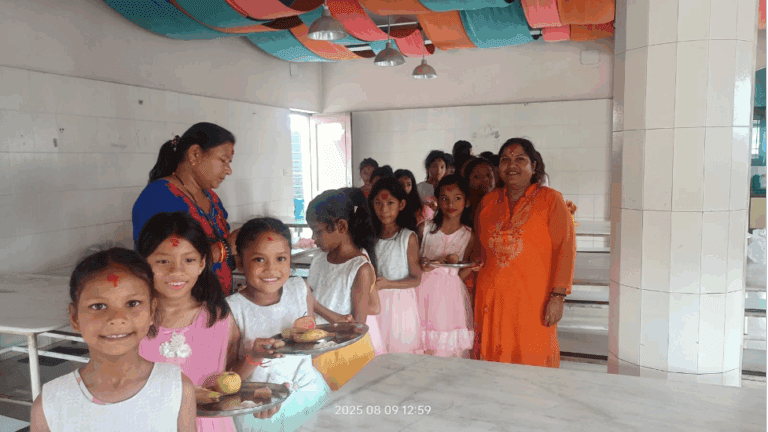
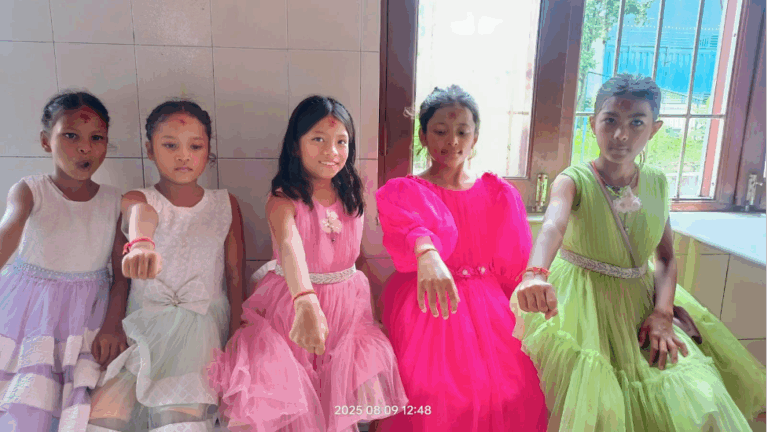
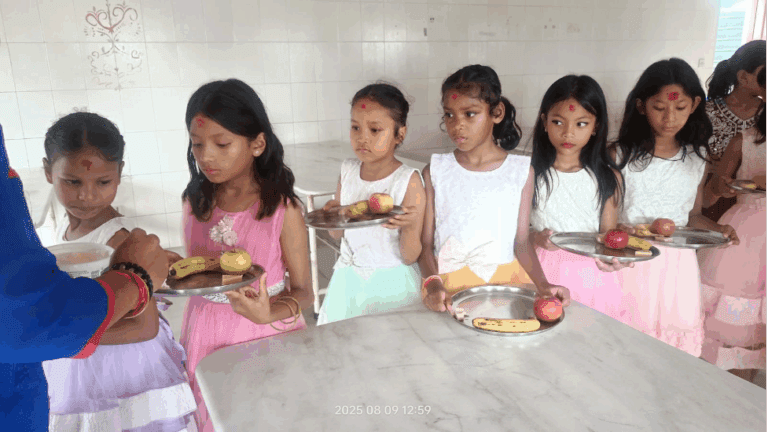
    In Nepal, Janai Purnima and Raksha Bandhan are celebrated on the same day during the full moon of the month of Shrawan. Janai Purnima is mainly observed by Hindu men of the Brahmin and Chhetri communities, who renew their sacred thread, known as the Janai, in a ritual that symbolizes purity, spiritual commitment, and a fresh start to religious vows. On this occasion, priests also tie a sacred protective thread, or Doro, on the wrists of devotees, believed to bring blessings and safeguard them from harm. Raksha Bandhan, meaning “bond of protection,” is also marked on this day, where sisters tie a Rakhi or Doro on their brothers’ wrists, praying for their well-being and promising mutual care. In return, brothers offer gifts or blessings. In Nepal, this tradition extends beyond families, as people of all ages receive the protective thread from priests, making it both a personal and community celebration.


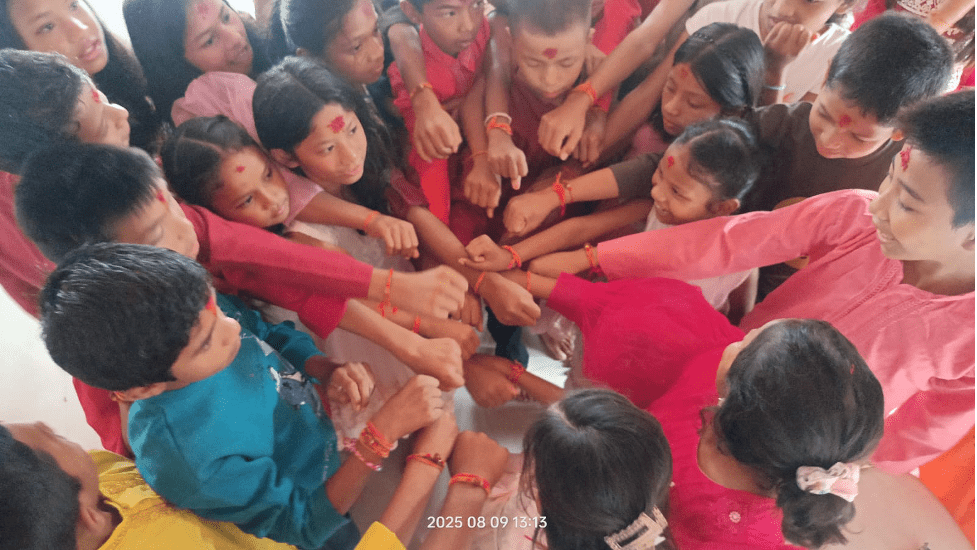
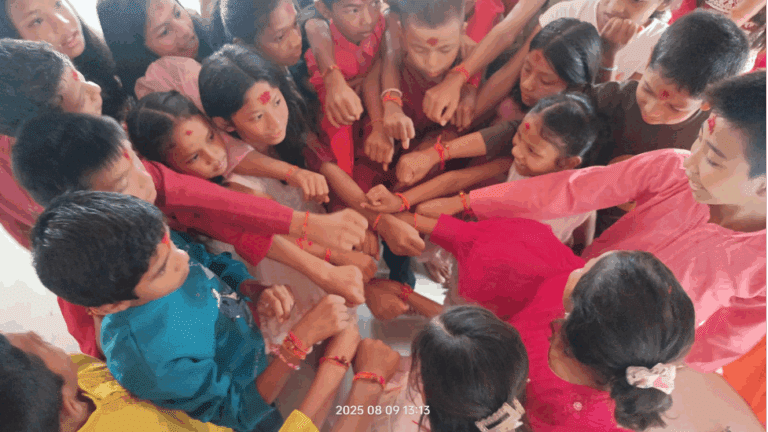
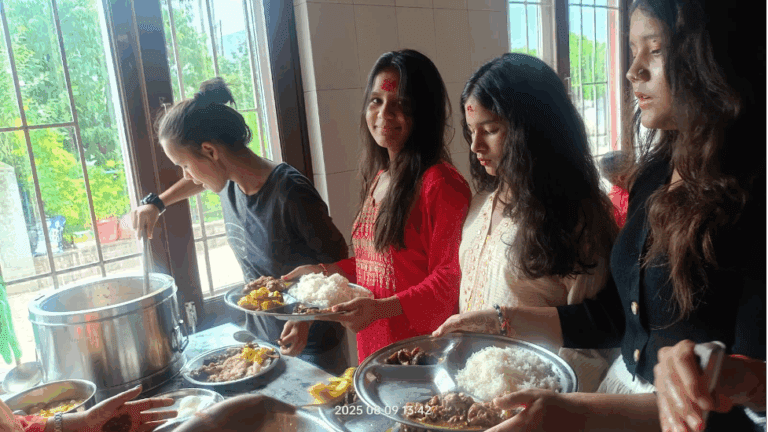
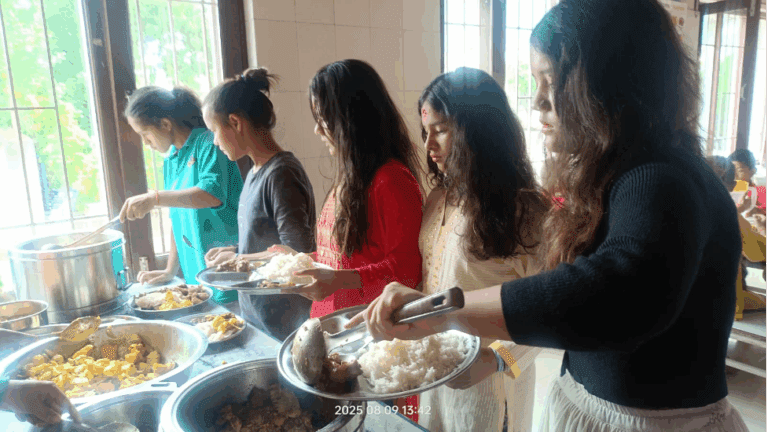
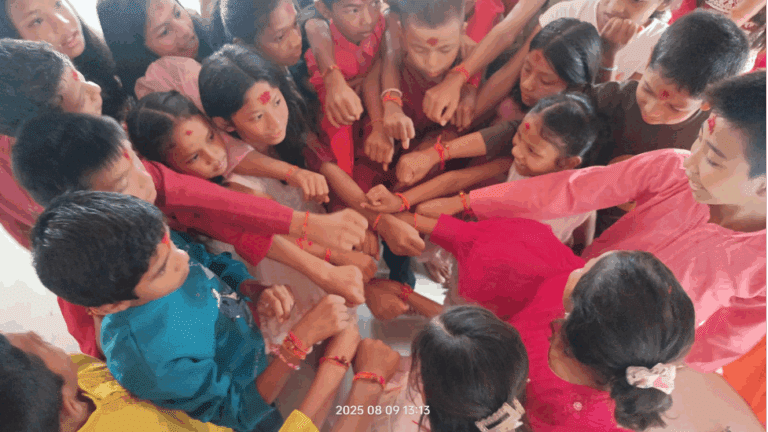
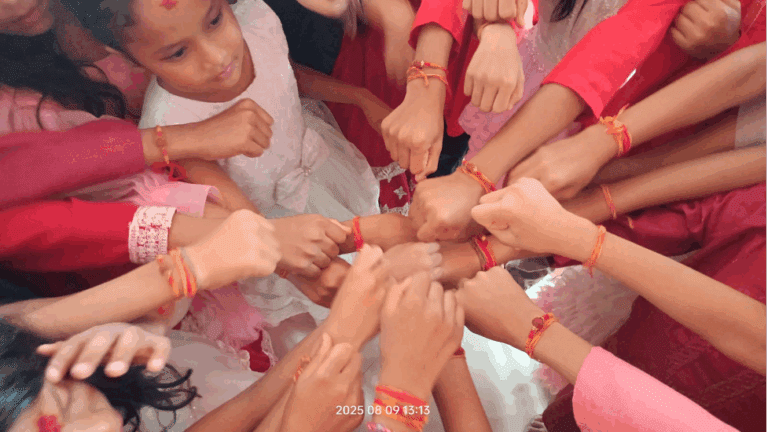
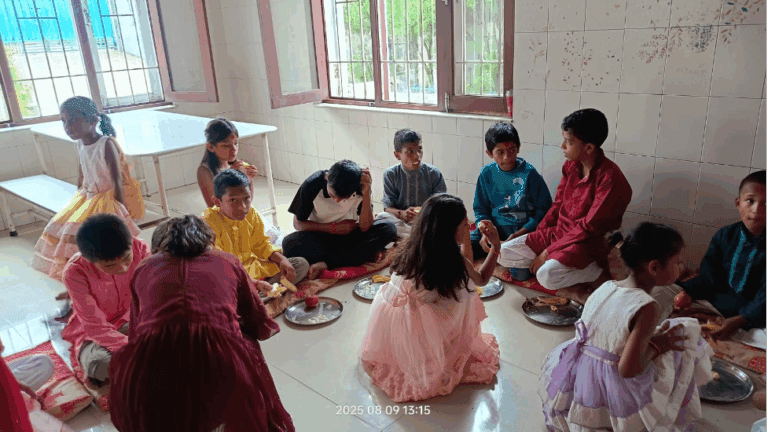
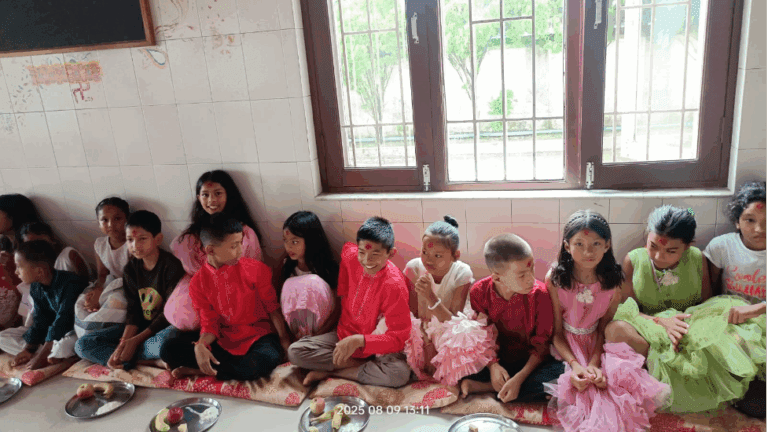
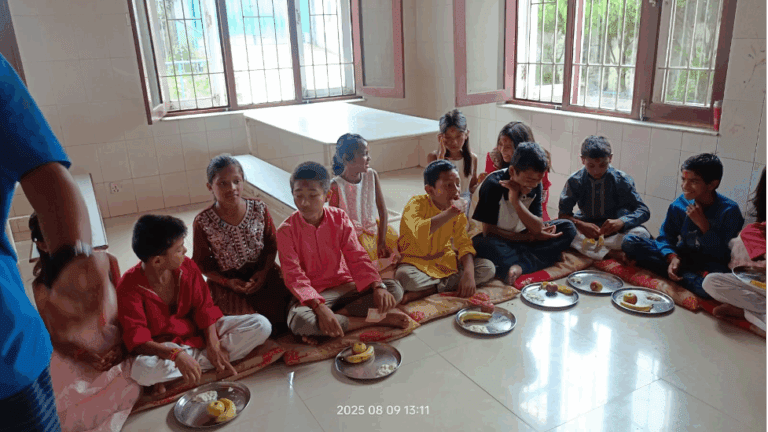
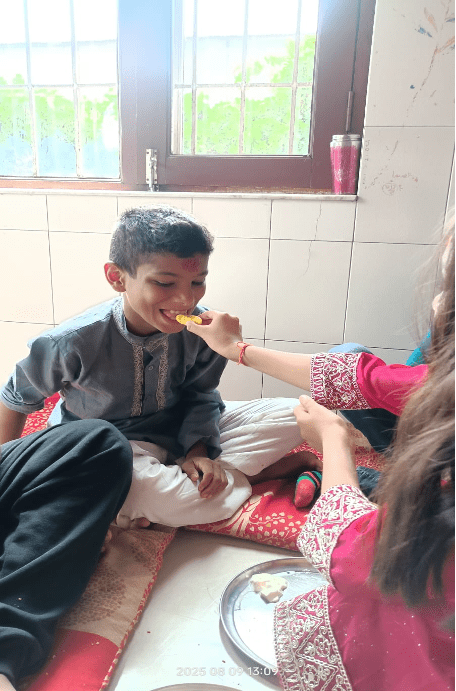
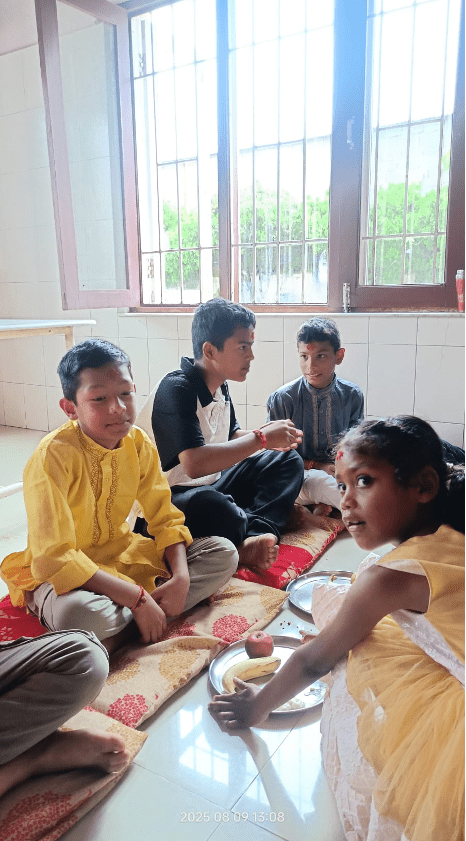
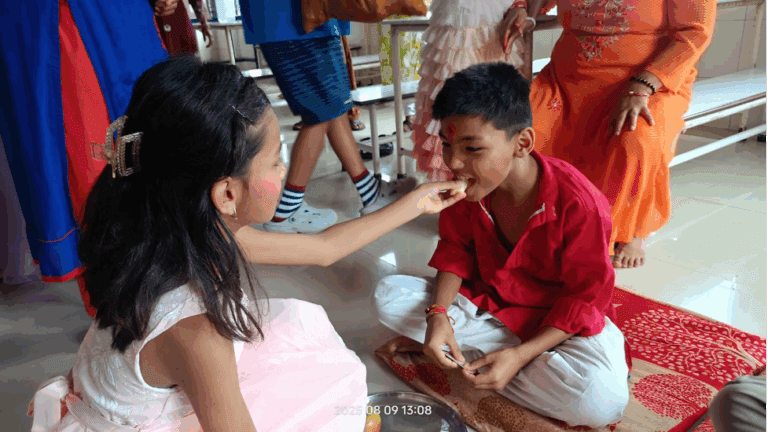
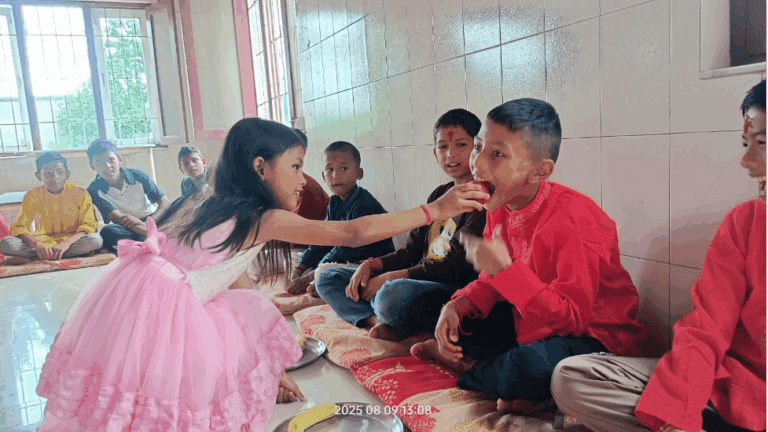
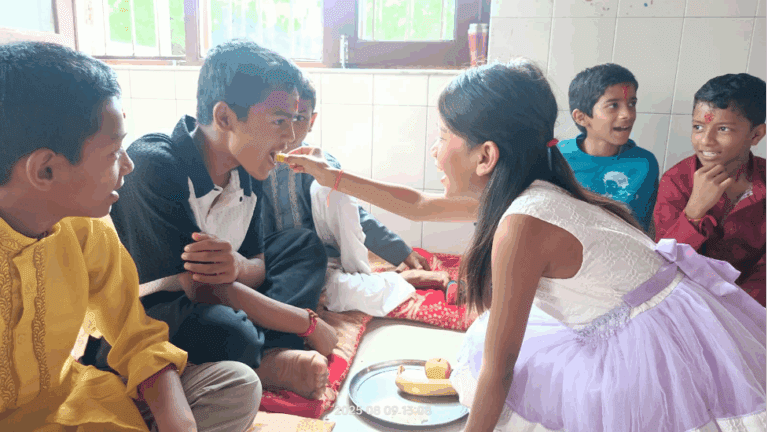
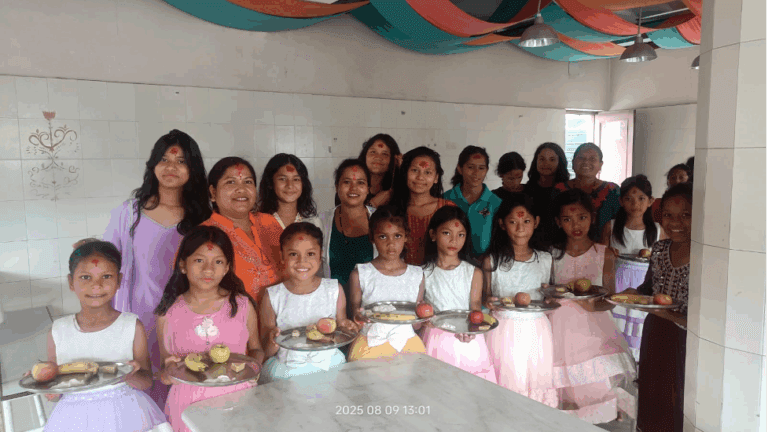
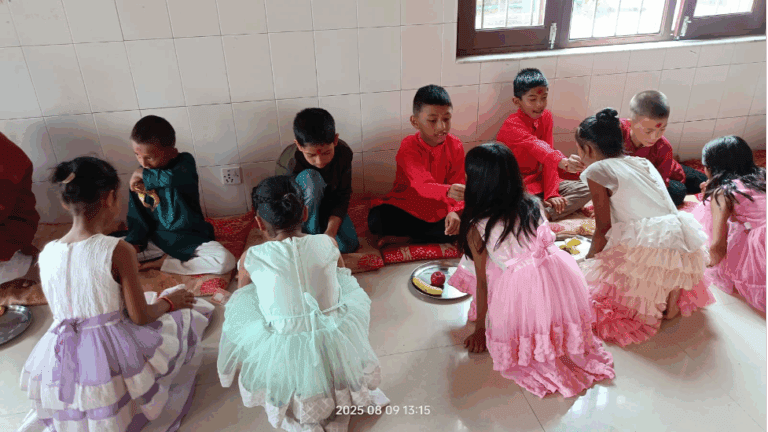
    In the Children’s Home, the kids joyfully celebrated Raksha Bandhan by tying colorful rakhis on each other’s wrists, symbolizing love, care, and protection. The girls tied rakhis for the boys, placed rakhi tika on their foreheads, and offered fruits and sweets along with warm wishes for their good health and happiness. In return, the boys expressed their gratitude and promised to protect their sisters. After the rituals, everyone enjoyed a delicious meal together, making the day even more special. The celebration was filled with laughter, smiles, and a strong sense of togetherness, allowing the children to embrace both the cultural traditions and the joy of sharing moments as one family. The day was filled with laughter, songs, and playful moments, making it not just a celebration of tradition but also a reminder of the family bond the children share in the Home. This special occasion helped them feel loved, valued, and connected, strengthening their sense of belonging and unity.

  • Children’s Home Celebrates Nag Punchami

    Children’s Home Celebrates Nag Punchami

    JULY 2025

    Nag Panchami is a centuries-old Hindu festival celebrated on the fifth day of the bright lunar fortnight (Shukla Paksha) of the month of Shrawan, which usually falls in July or August. The festival is dedicated to Nagas divine serpent deities who hold an important place in Hindu, Buddhist, and local Nepali traditions. In Nepal, the day carries a unique blend of religious reverence, agricultural importance, and environmental awareness.


    According to belief, Nagas are the guardians of water sources such as rivers, springs, lakes, and wells. In an agrarian society like Nepal, water is essential for rice cultivation and sustaining life, so worshipping the Nagas is seen as a way to invite good rainfall, ensure agricultural prosperity, and protect the land from droughts or floods. Mythological stories, including Lord Krishna’s victory over the serpent Kaliya Naag and references in scriptures like the Mahabharata and Skanda Purana, reinforce the idea of Nagas as powerful protectors and providers.


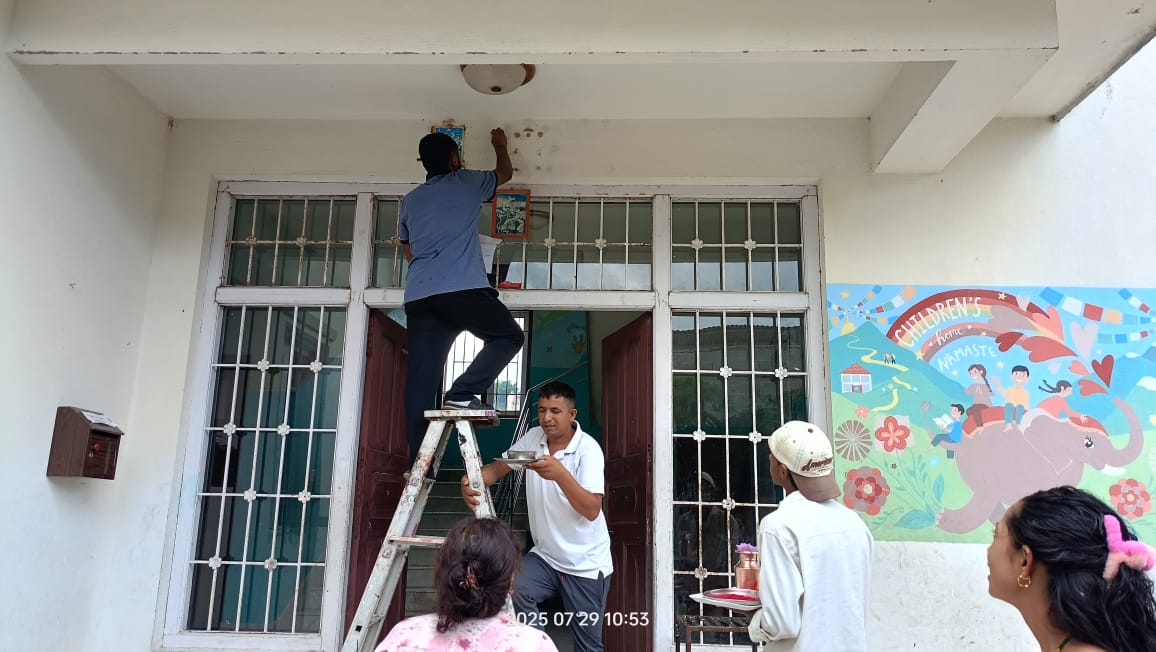
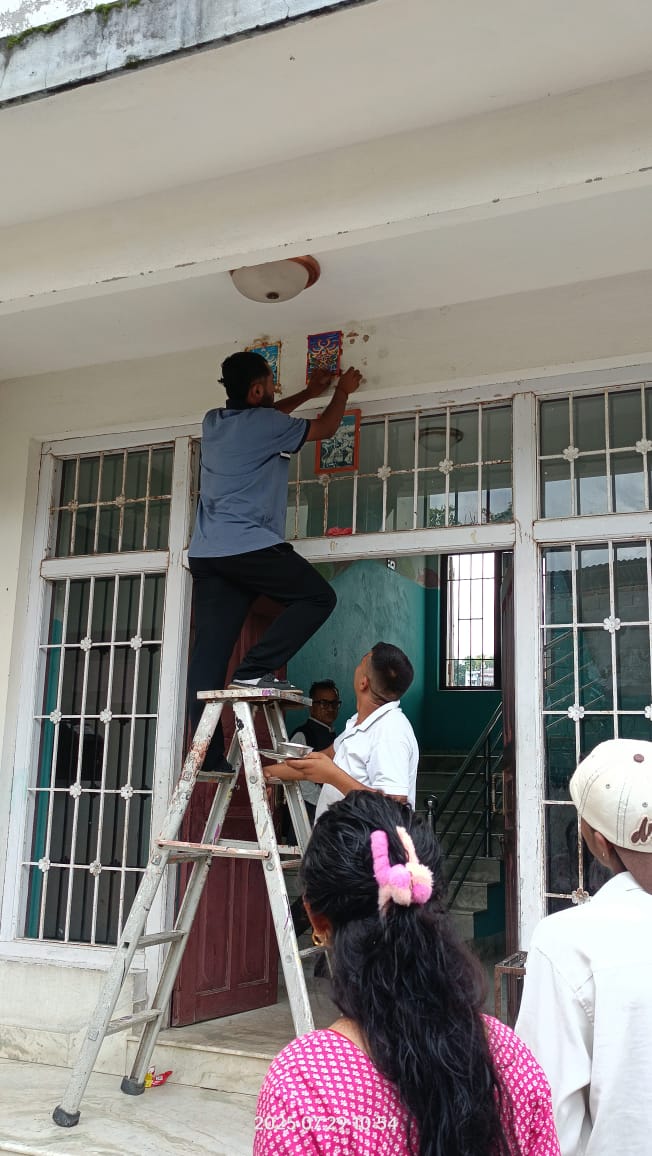
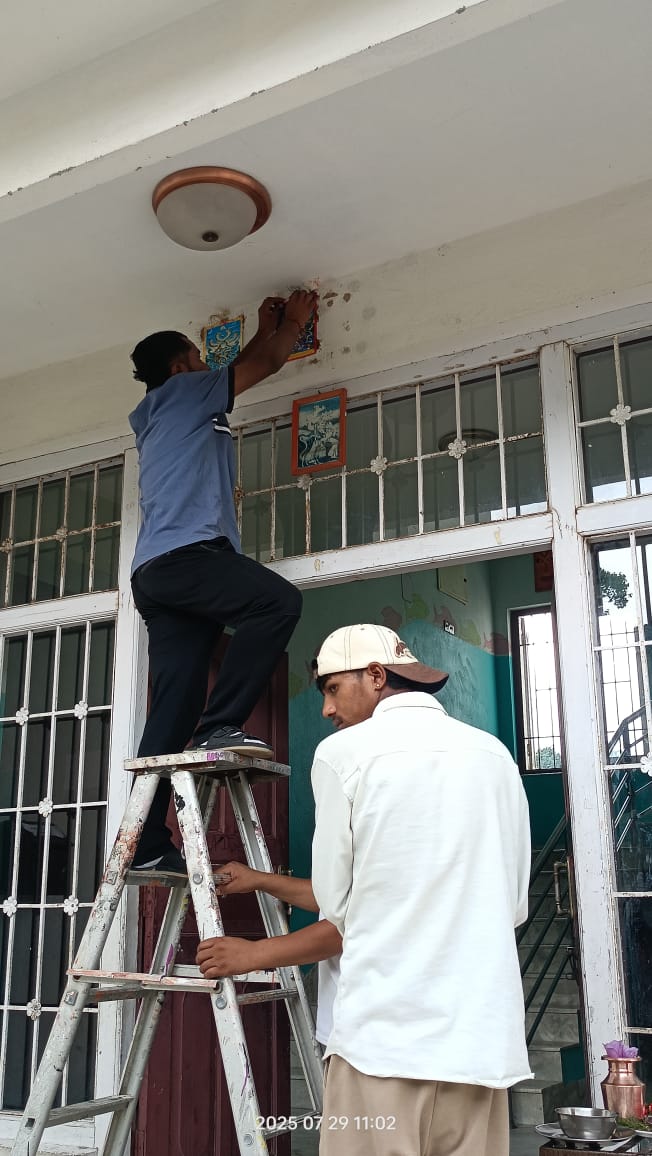
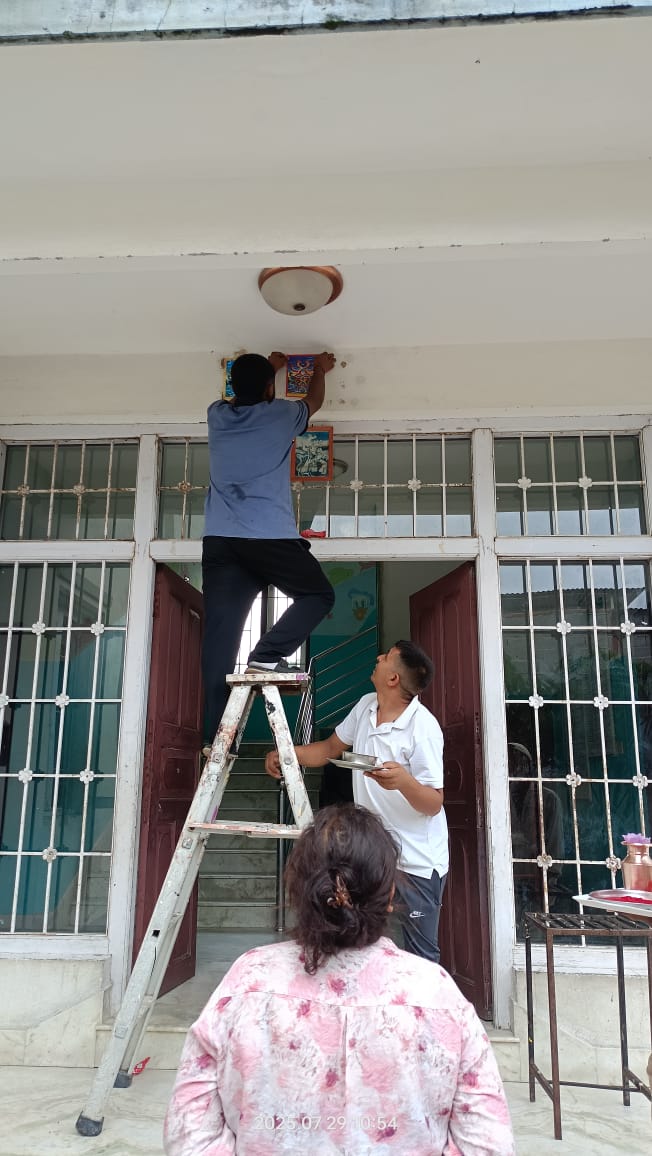
    On this day, families paste printed or hand-drawn images of Nagas above the entrance of their homes to ward off misfortune and evil spirits. Devotees visit sacred sites such as Nag Pokhari in Kathmandu, Taudaha Lake, and other snake-related shrines to offer milk, rice pudding (kheer), flowers, red powder (abir), and dubo grass. In many rural areas, people also perform rituals near wells, ponds, and fields, symbolically honoring nature and the water cycle.


    Beyond its spiritual dimension, Nag Panchami serves as a traditional reminder of the need to respect and conserve water resources, avoid polluting natural habitats, and live in harmony with all creatures, including snakes. It reflects Nepal’s deep-rooted culture of combining faith, environmental stewardship, and community celebration into one festival that has been passed down for generations.
     

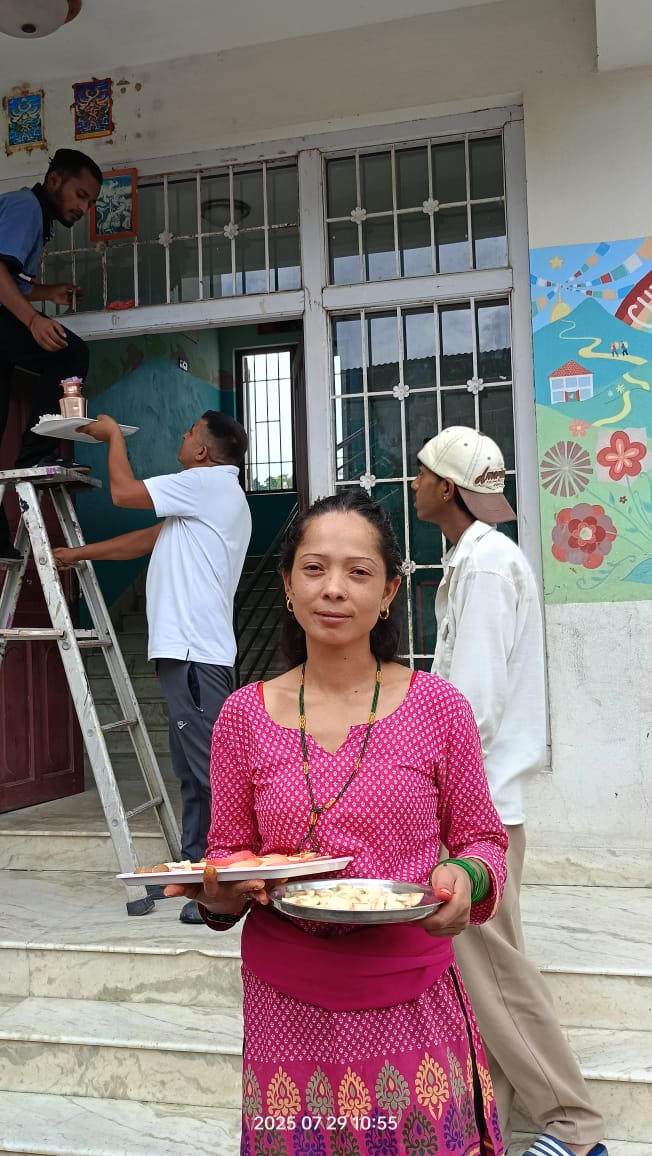
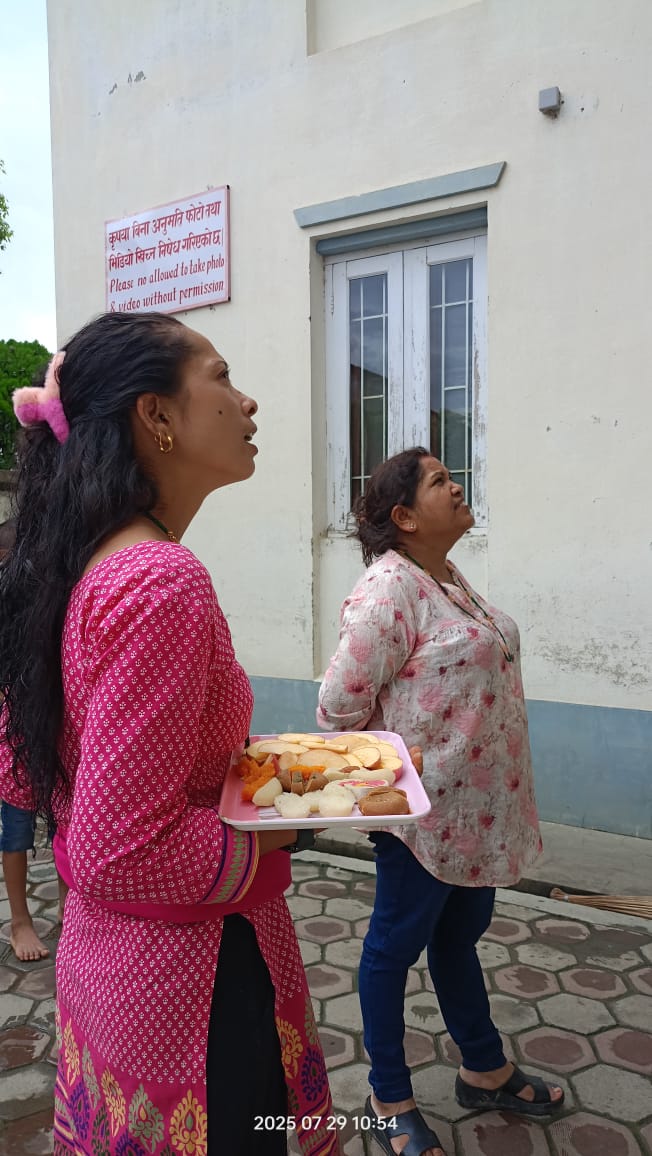
    At the Children’s Home, we observed Nag Panchami by honoring the traditional custom of pasting Naga images above the entrance of our home. This symbolic act represents seeking the blessings and protection of the divine serpent deities, who are believed to guard against misfortune and ensure prosperity. The children joyfully participated in the activity, learning about the cultural and religious significance of Nag Panchami, including the role of Nagas as protectors of water sources and the importance of respecting nature. Through this simple yet meaningful celebration, we preserved an age-old tradition while also helping the children connect with Nepal’s rich cultural heritage.

  • Children’s Home Celebrates Shrawan 15 Kheer Khani Din

    Children’s Home Celebrates Shrawan 15 Kheer Khani Din

    31st July 2025

    Shrawan 15, also known as Kheer Khane Din, is a traditional day celebrated in Nepal with the special preparation and sharing of kheer a sweet rice pudding made with milk, rice, sugar, and ghee. Observed on the 15th day of the Nepali month of Shrawan (around late July or early August), this day marks the mid-point of the holy month of Shrawan, which is considered auspicious, especially for religious activities and fasting. Families prepare kheer as an offering to deities and also as a way to bond over a special meal. It symbolizes purity, prosperity, and cultural unity. People often share kheer with neighbors, friends, and community members, promoting togetherness and goodwill. In many schools, homes, and institutions, the day is celebrated with simple gatherings where everyone enjoys a bowl of warm, delicious kheer.

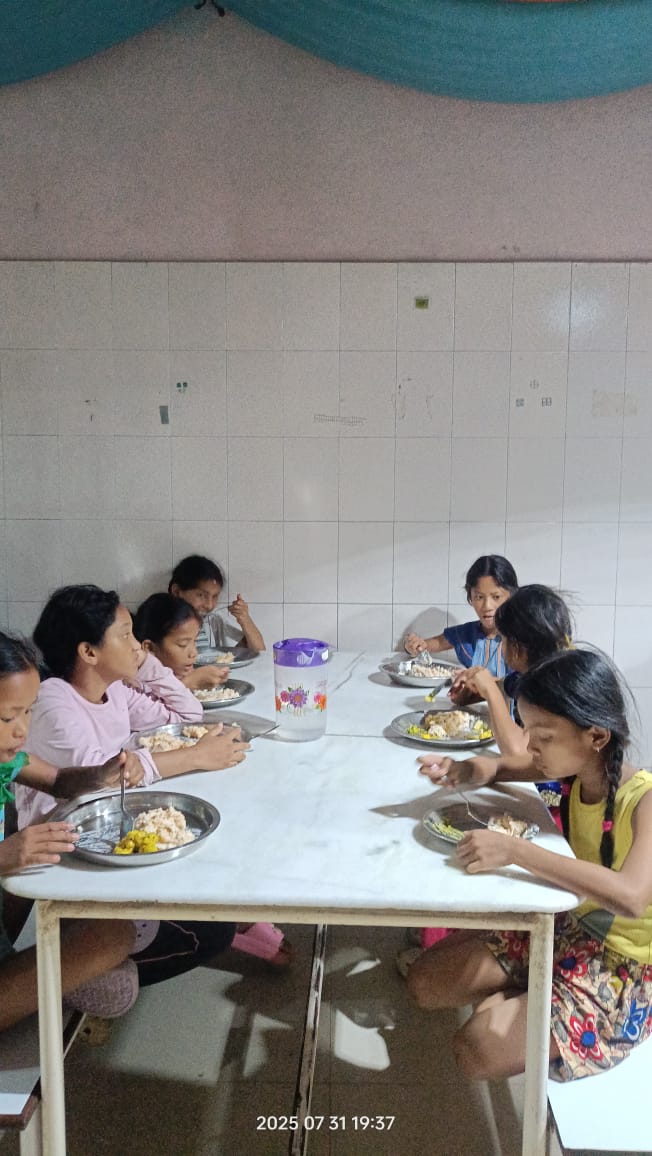
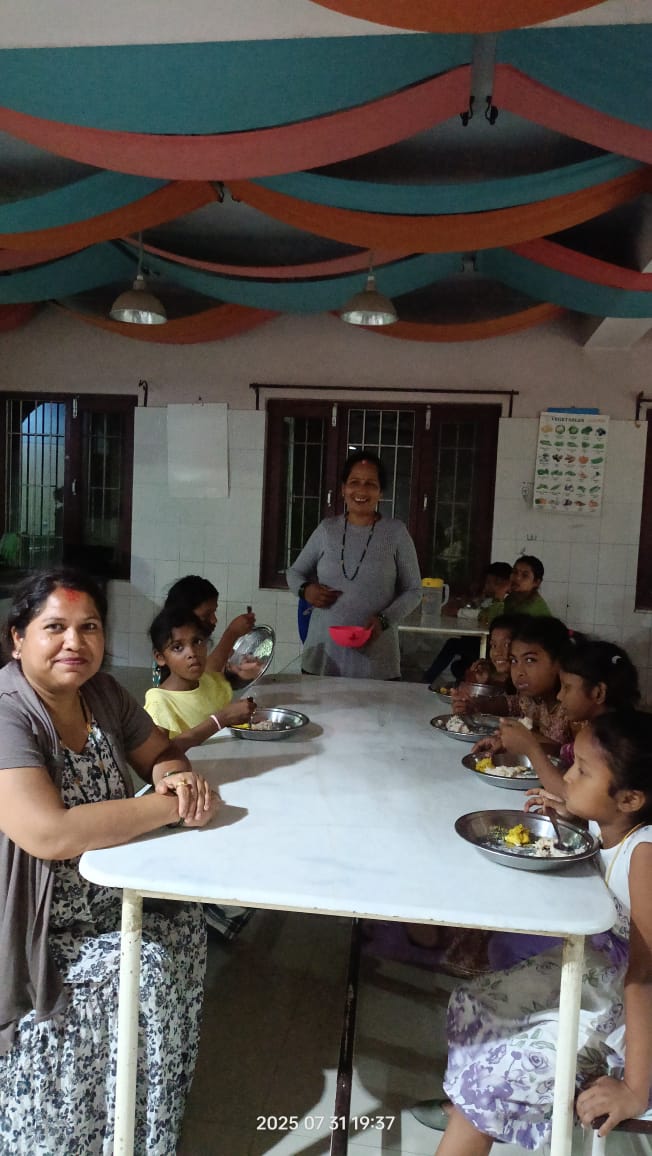
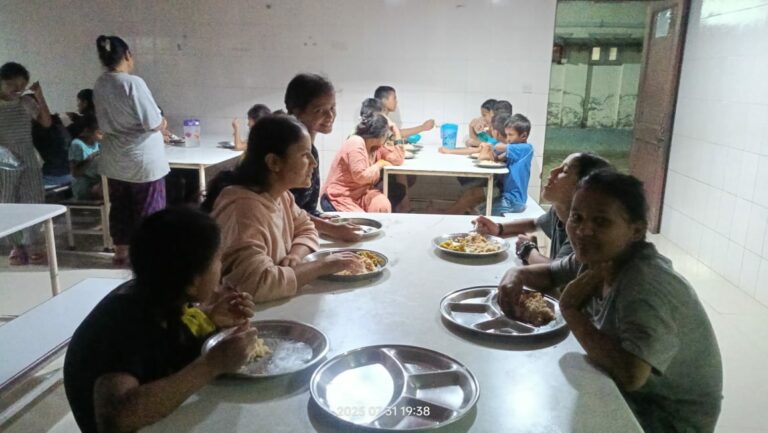
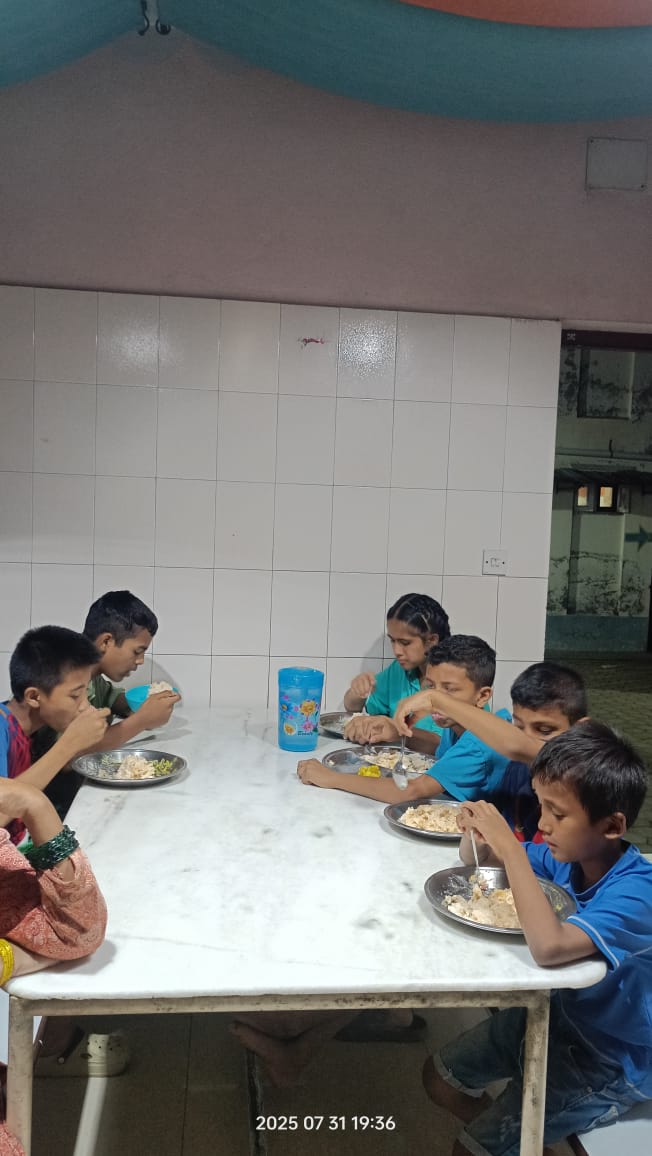
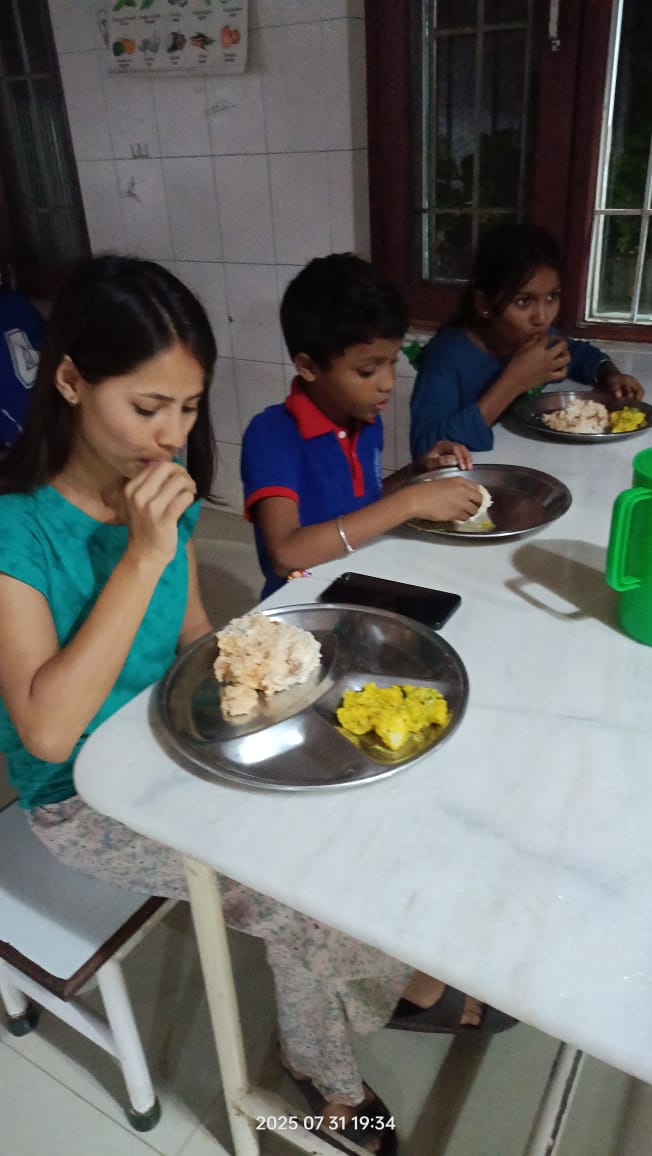
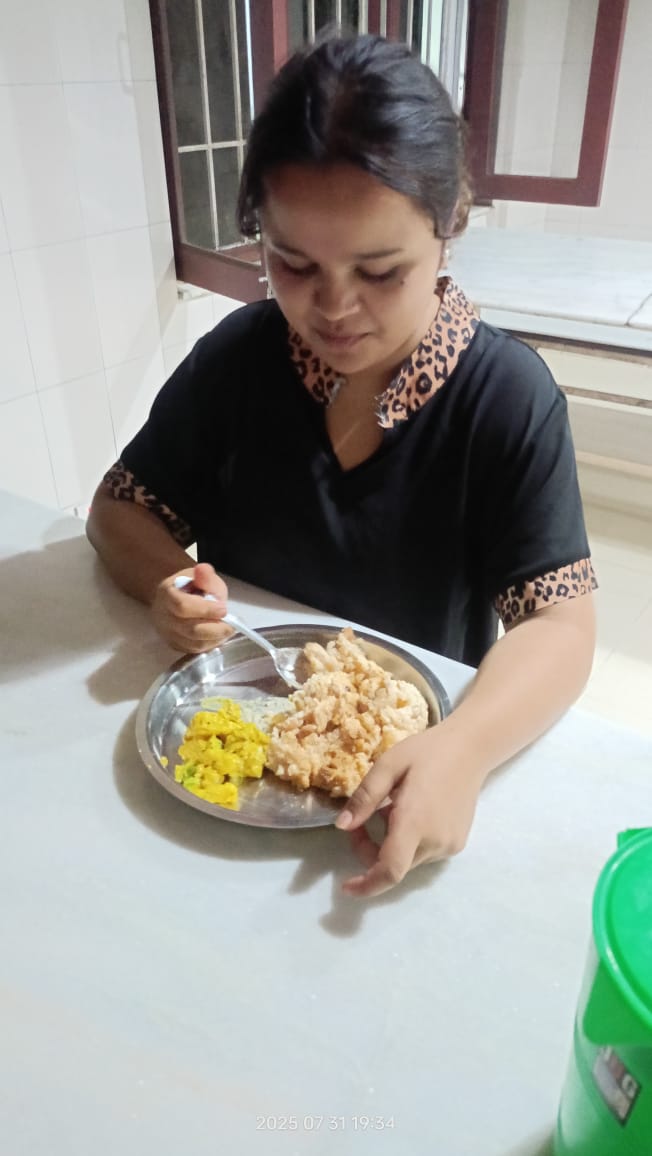
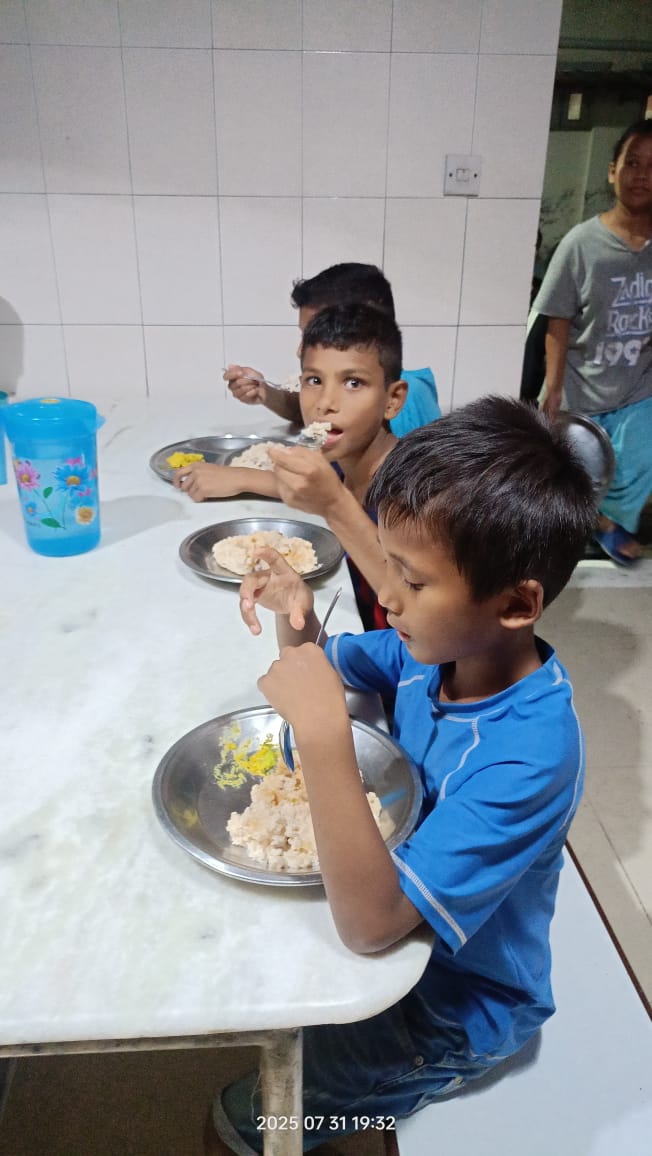
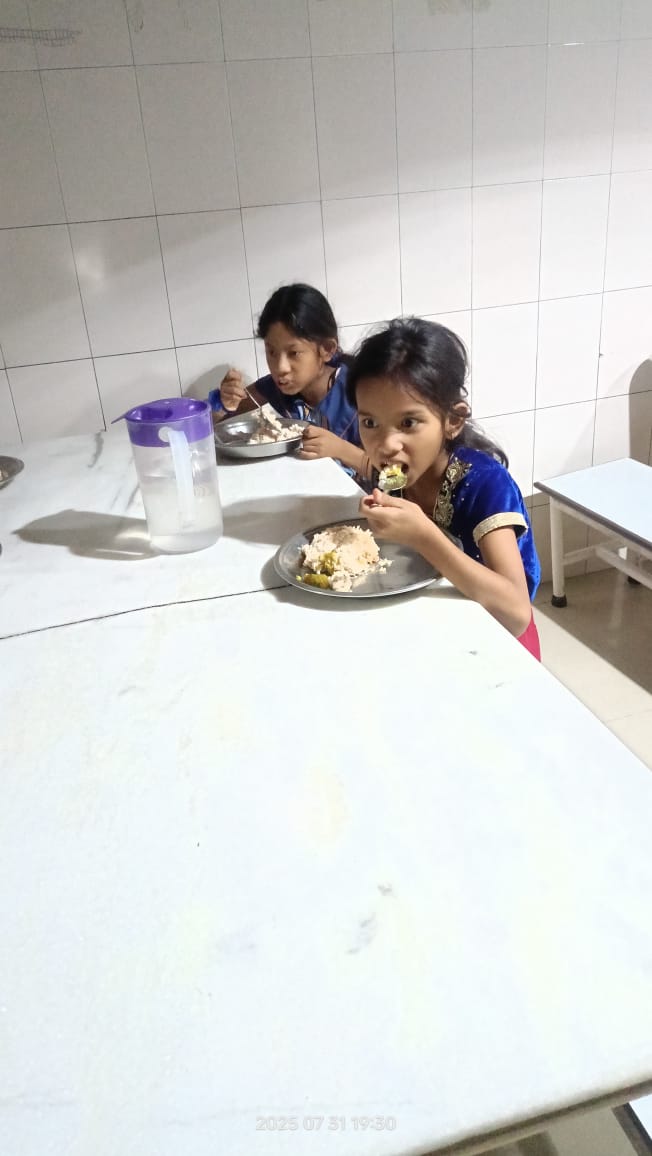
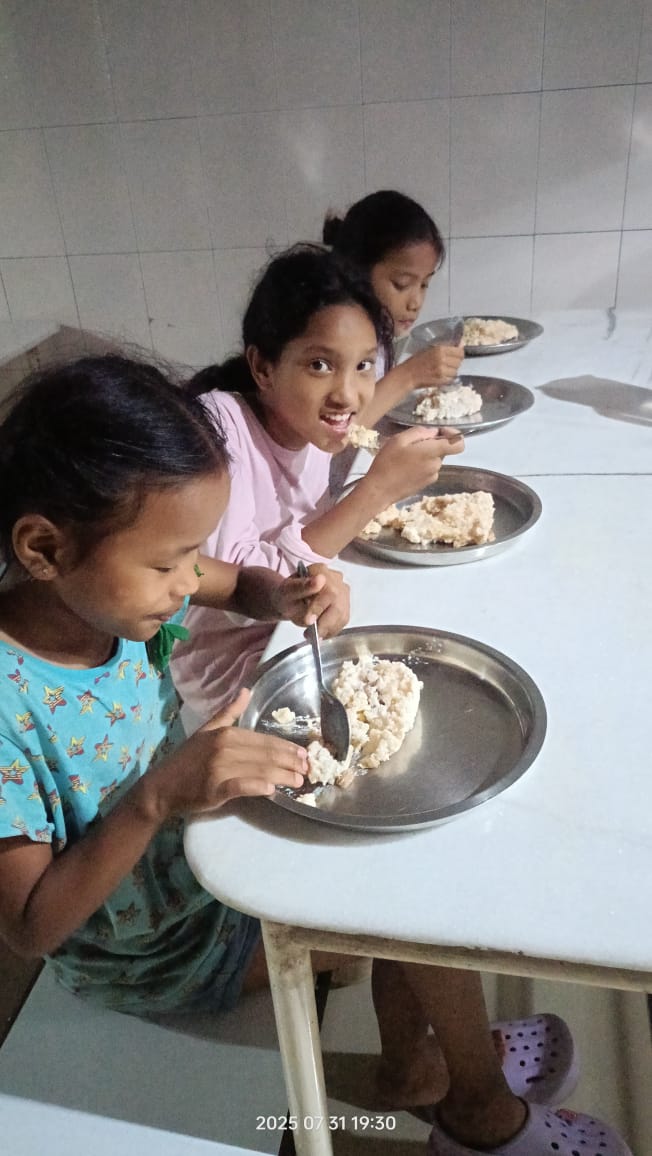
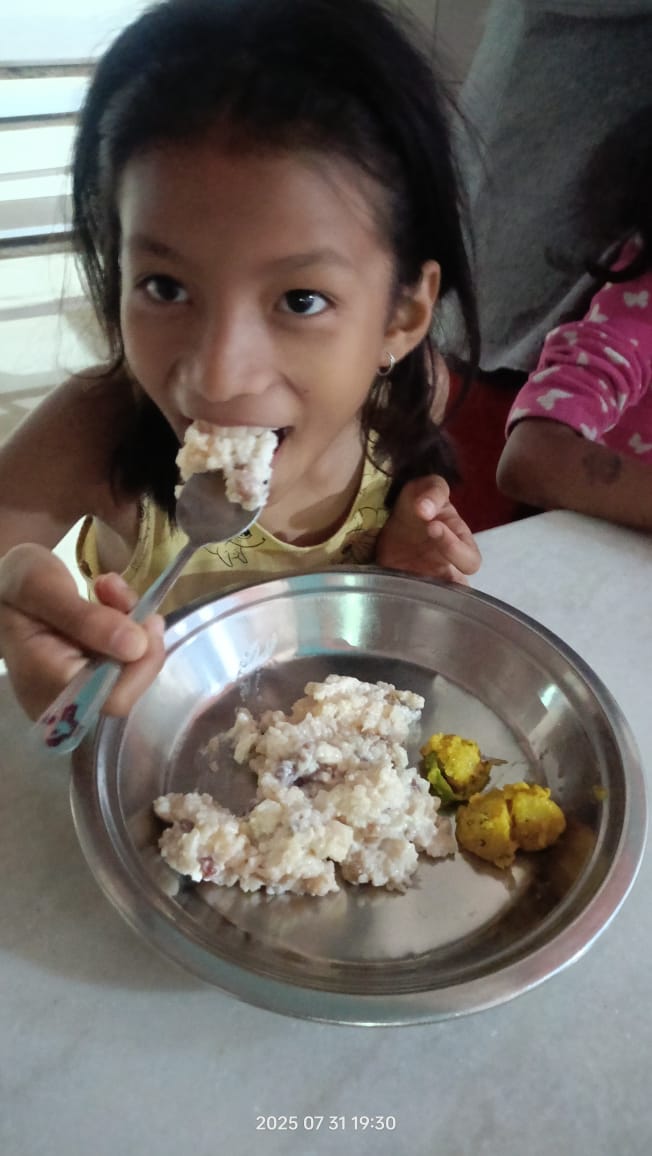
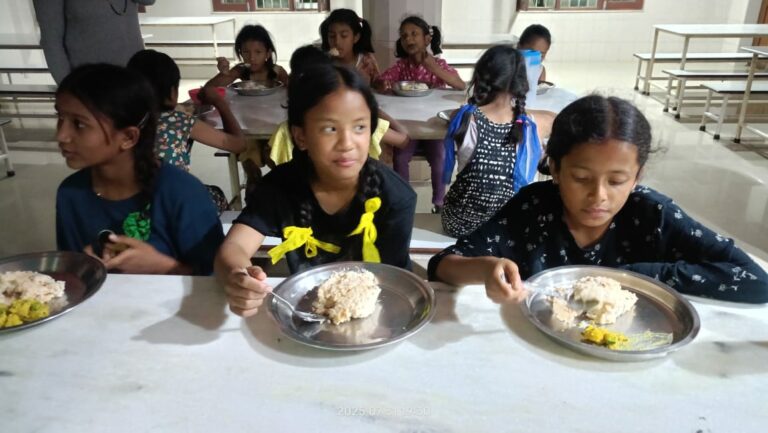
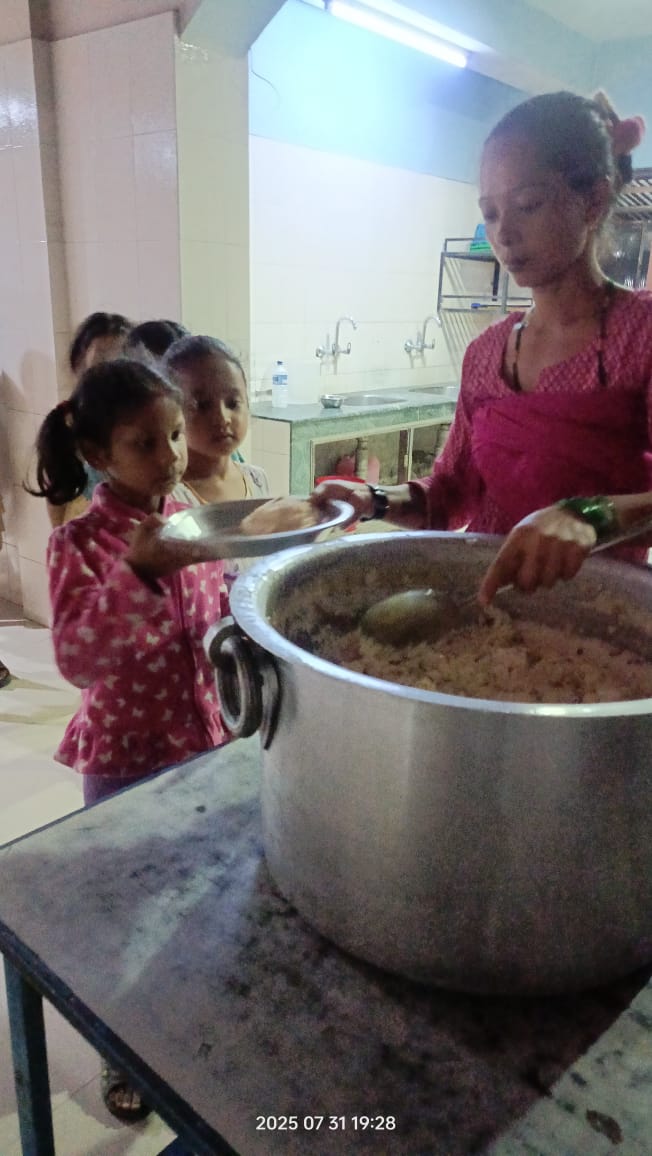
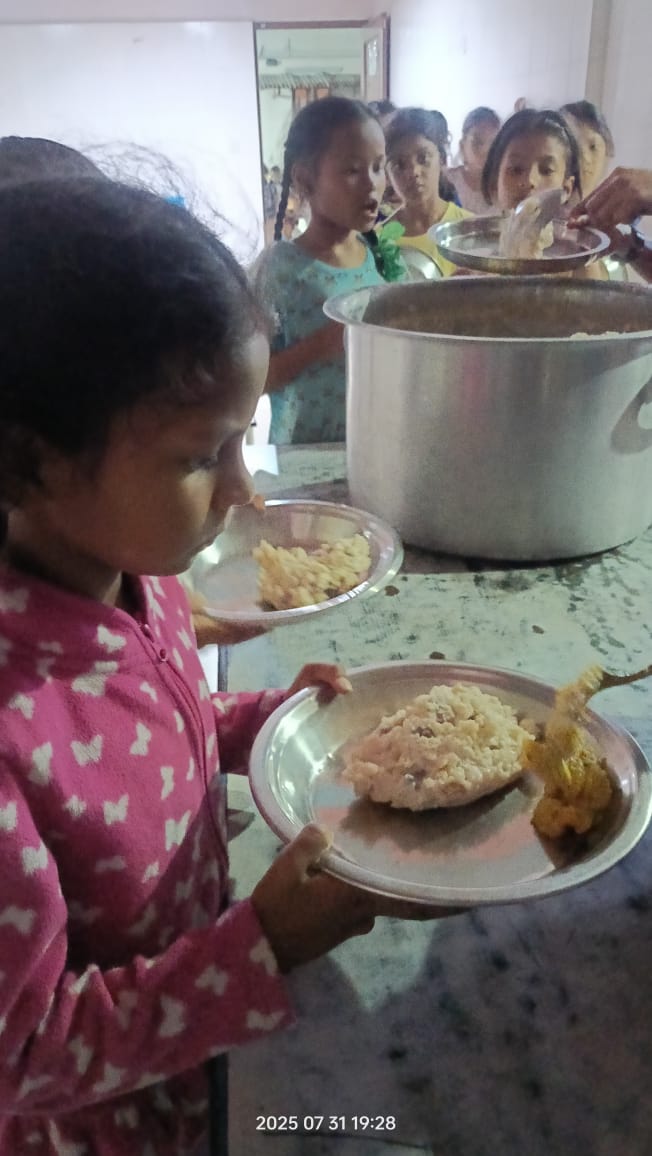
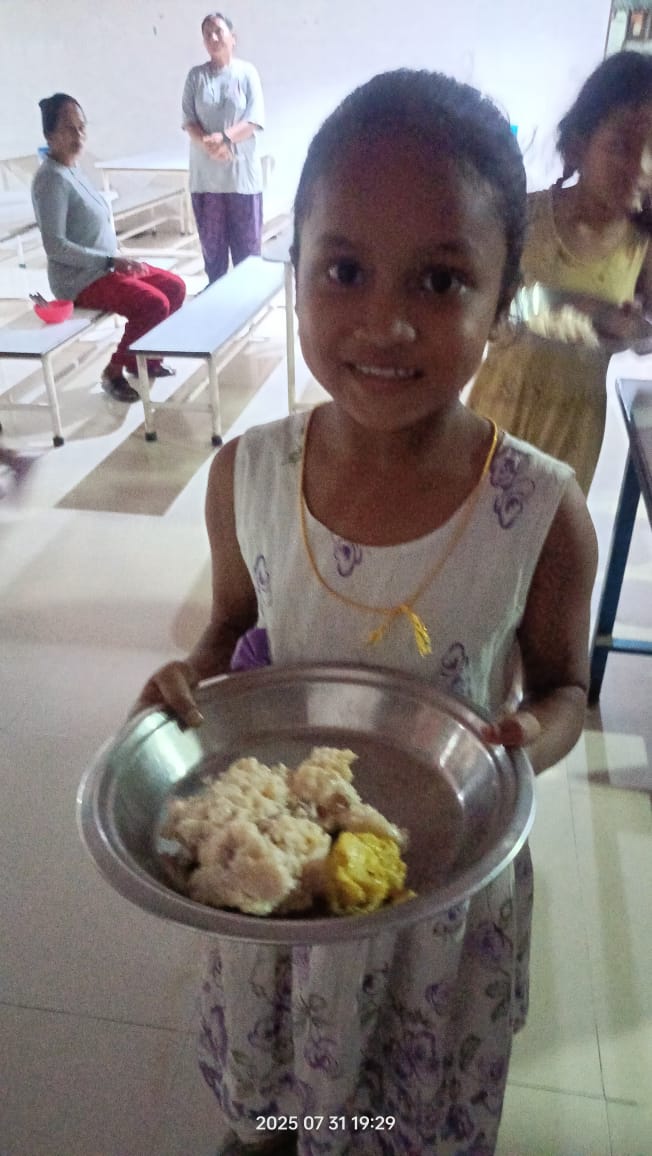
    On the evening of Shrawan 15 (July 31, 2025), the Children’s Home joyfully celebrated Kheer Khane Din, a traditional day in Nepali culture that brings people together through the sharing of kheer (rice pudding). The atmosphere was warm and cheerful, with everyone gathered around the dining tables to enjoy a special meal.A warm and delicious bowl of kheer was specially prepared and served to everyone. The children enjoyed the treat with great joy and enthusiasm. This simple celebration not only allowed them to experience a meaningful Nepali tradition but also encouraged a sense of togetherness, cultural pride, and happiness within the home.

    The photos capture heartfelt moments of the children and staff enjoying the delicious kheer along with other traditional dishes. Smiles, laughter, and meaningful conversations filled the dining space. The children were visibly excited, and the staff members shared the meal with them like a big family, creating a sense of love, care, and unity.

    The celebration not only allowed the children to enjoy a traditional Nepali meal but also helped them connect with cultural values and the joy of togetherness.

  • Children’s Home Celebrates National Paddy Day with Dahi Chuira

    Children’s Home Celebrates National Paddy Day with Dahi Chuira

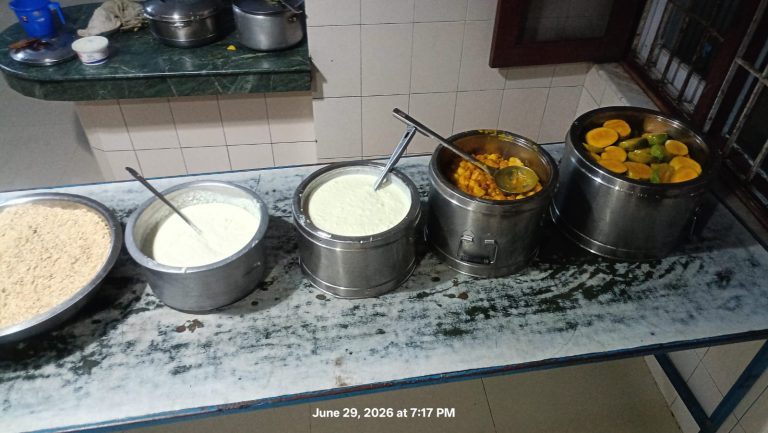
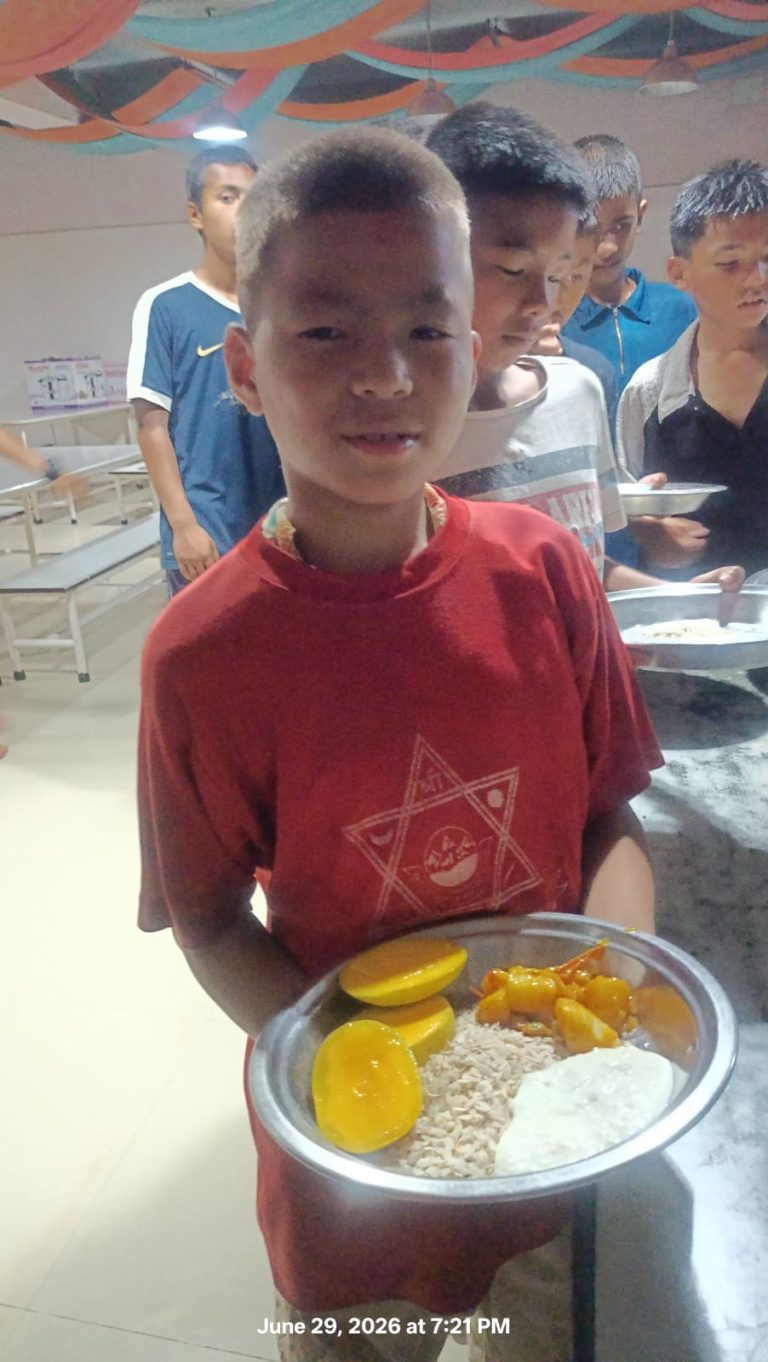
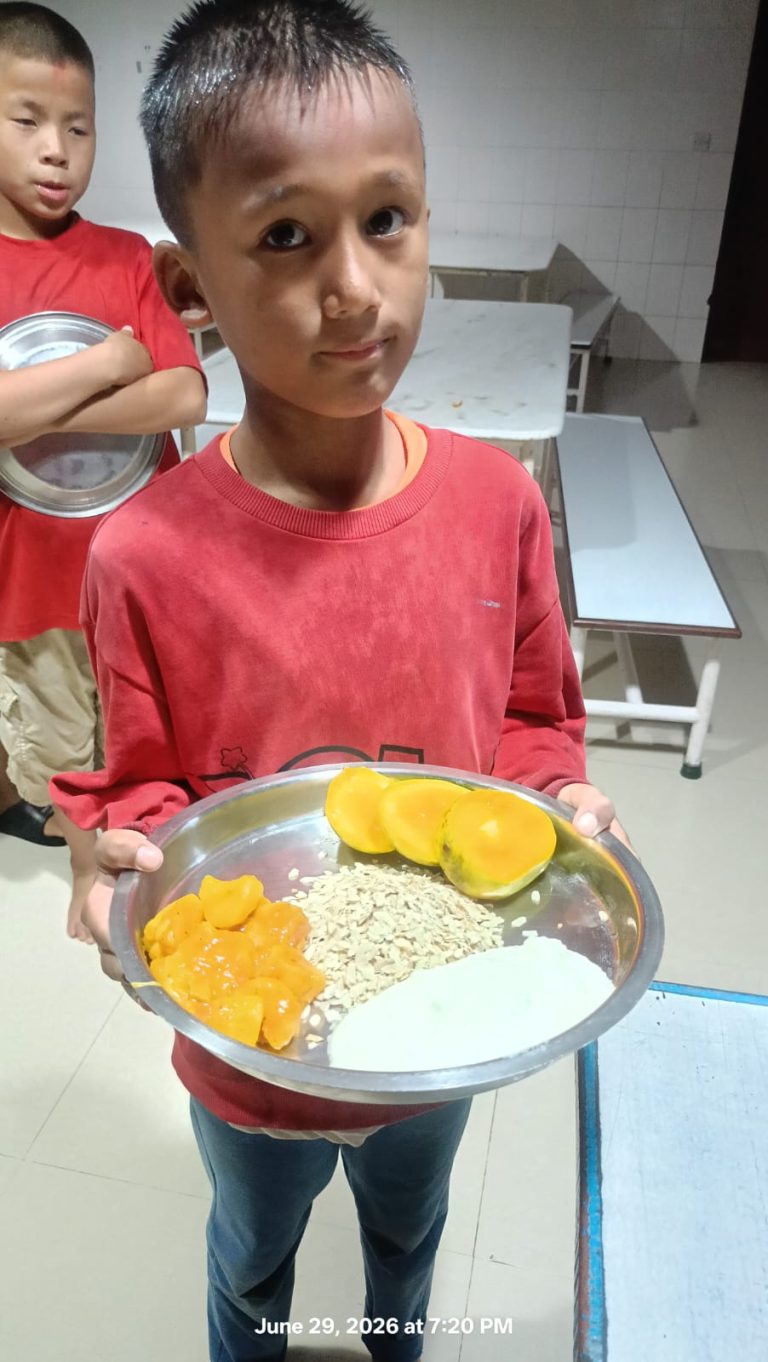
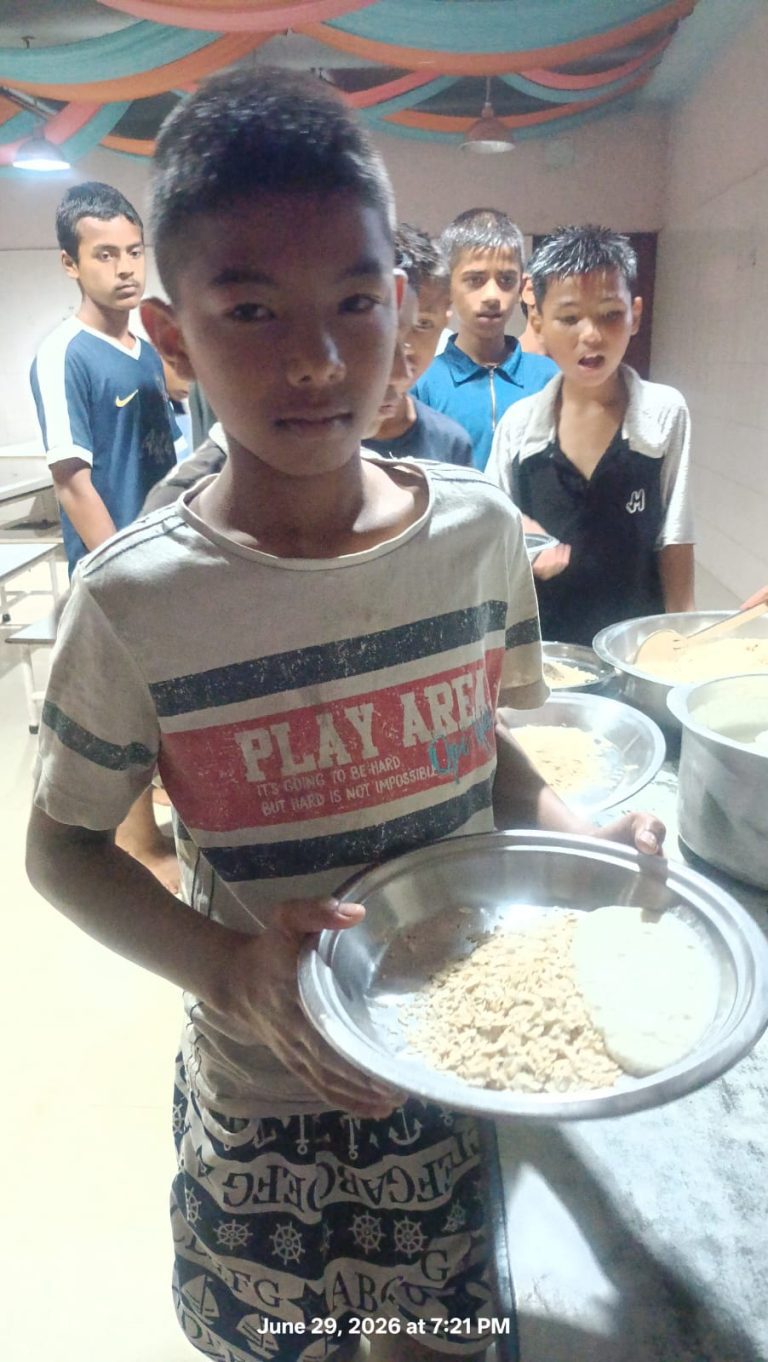
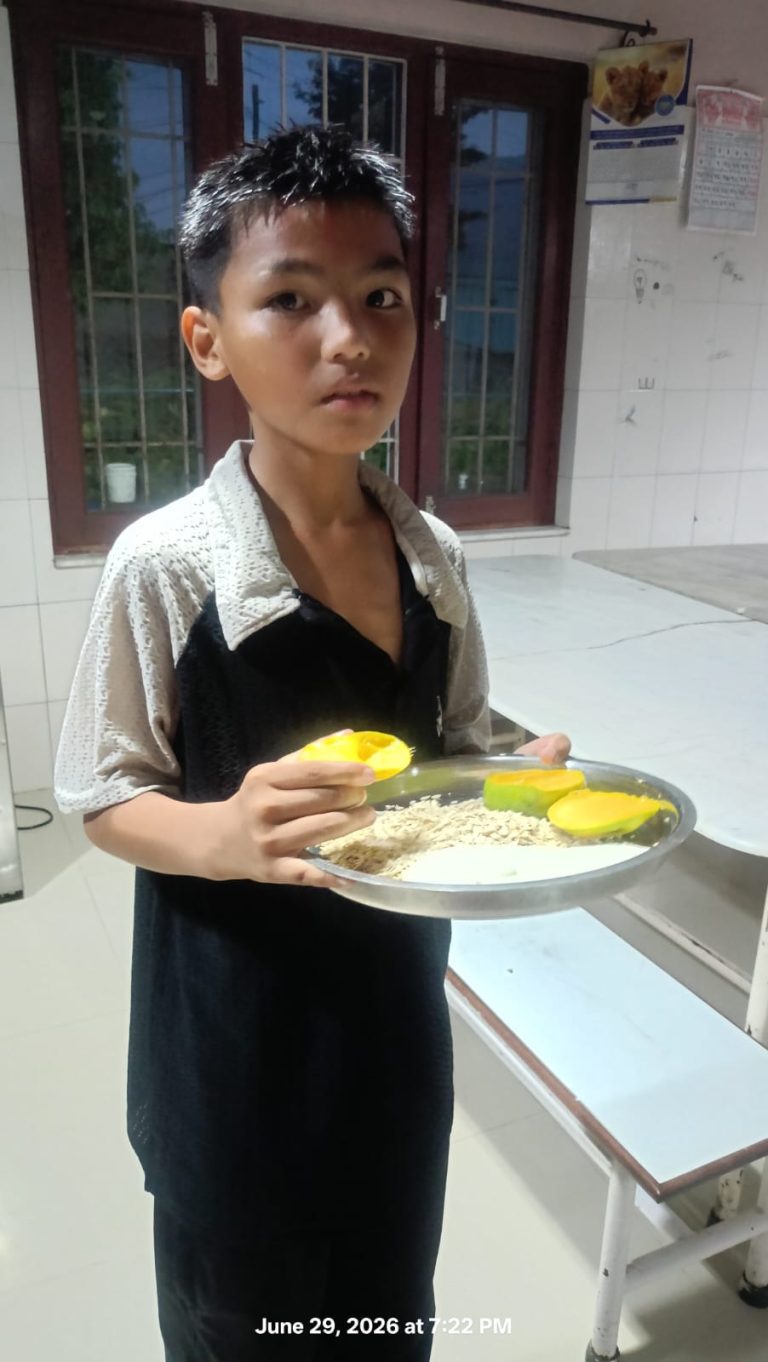
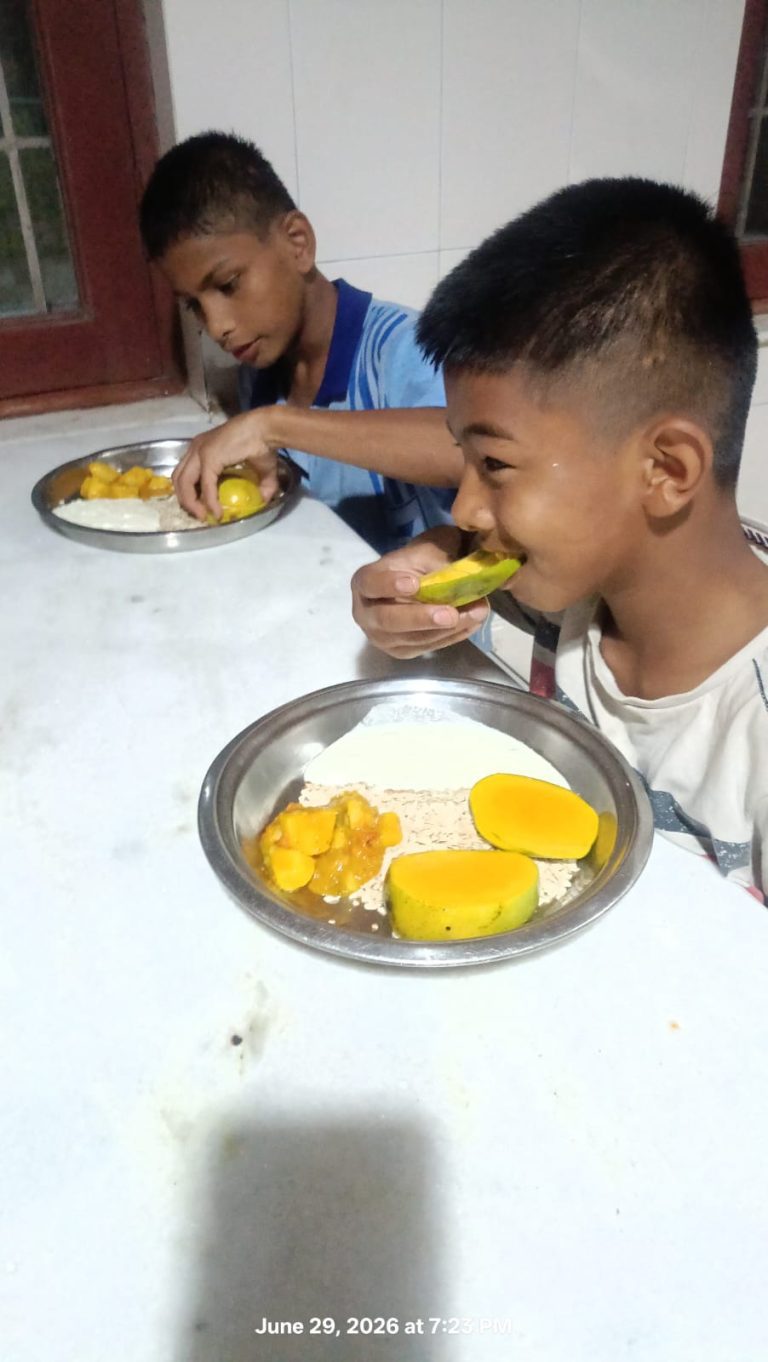
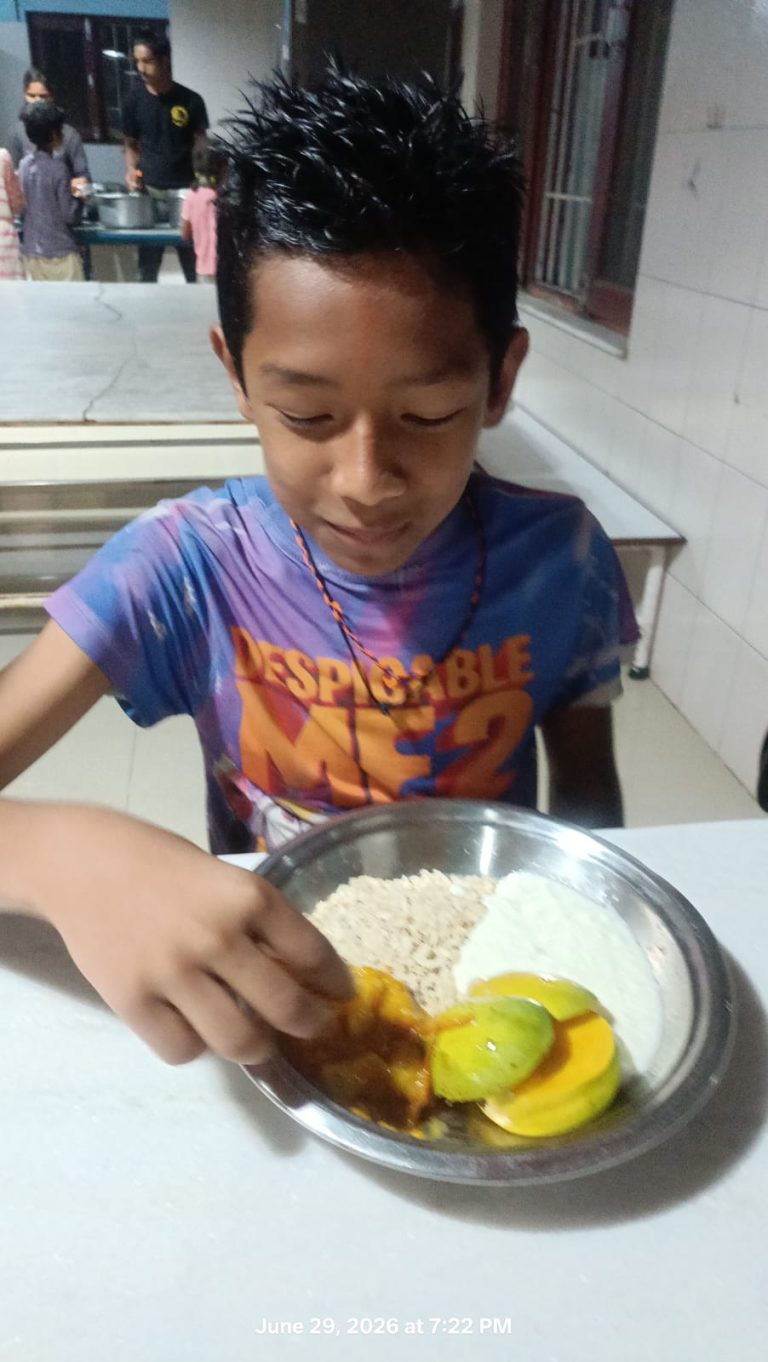
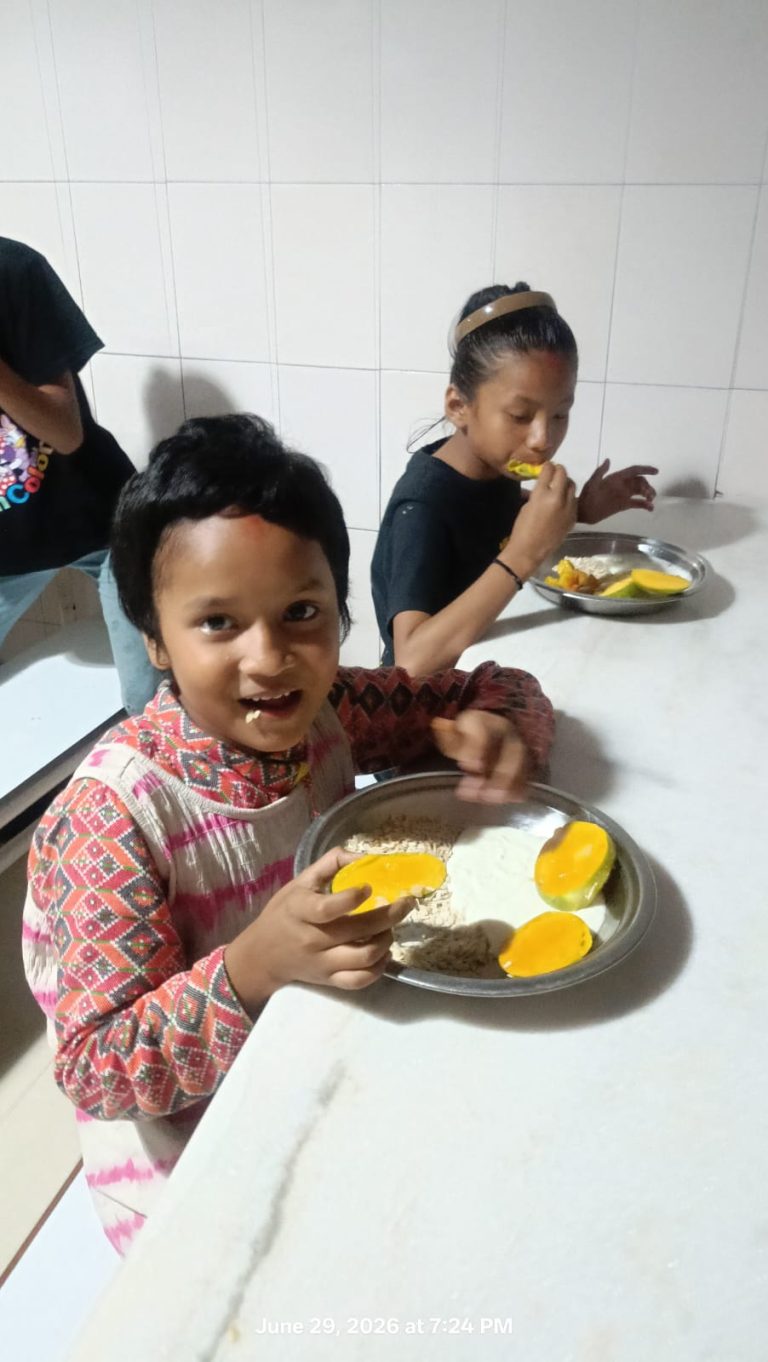
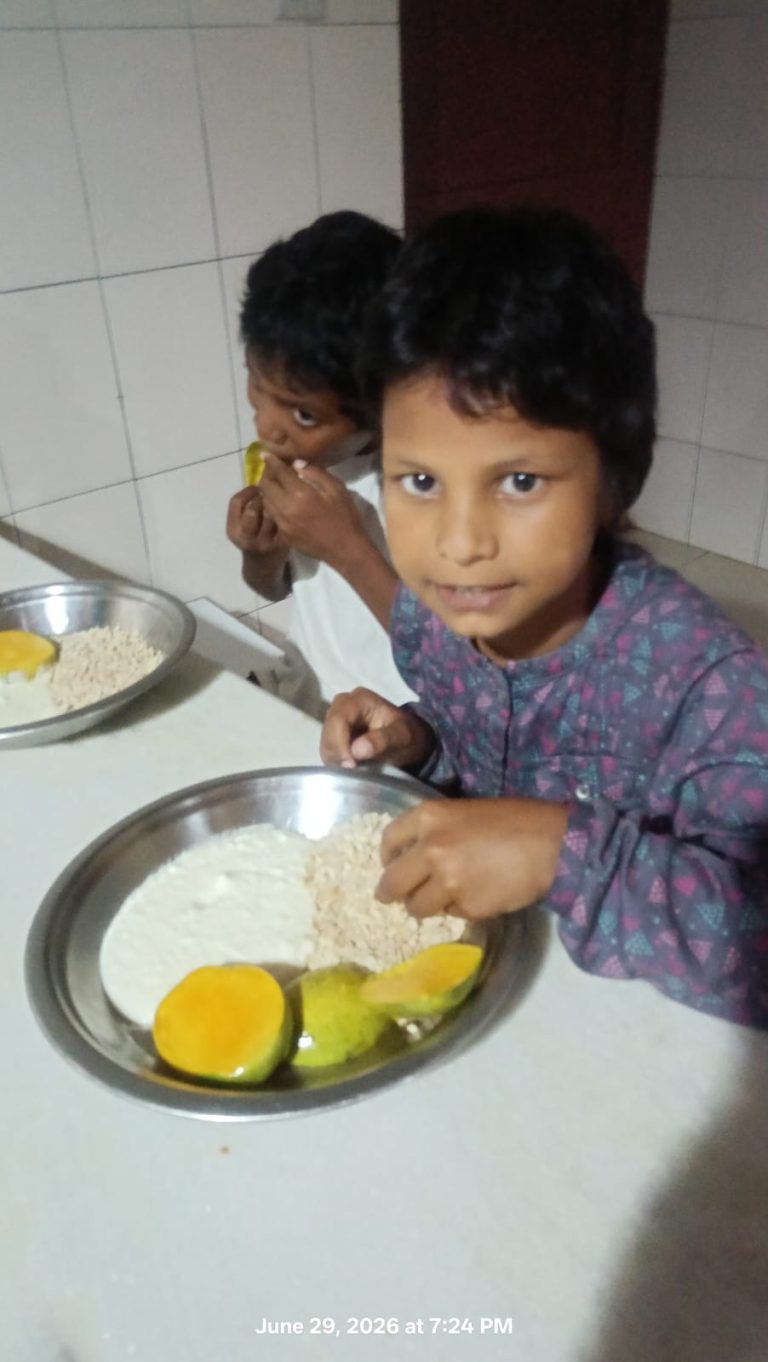
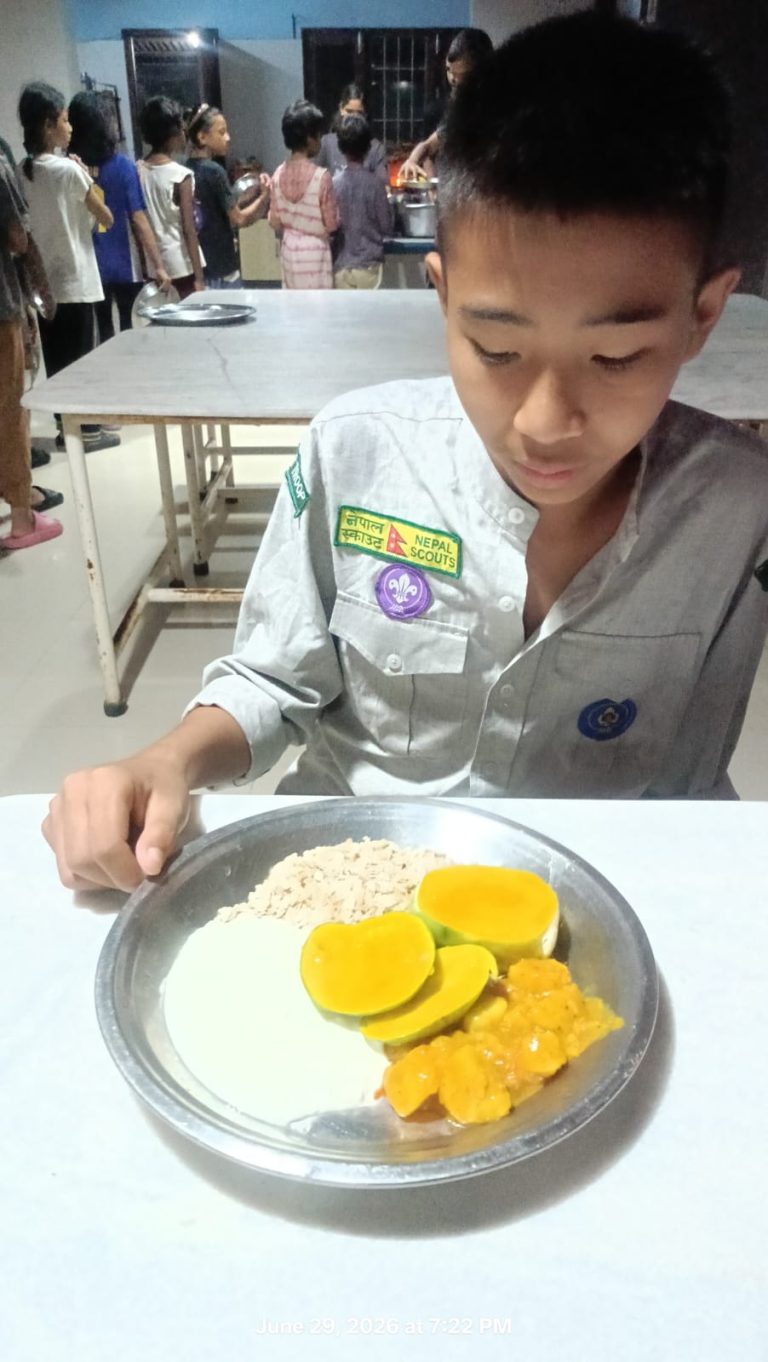
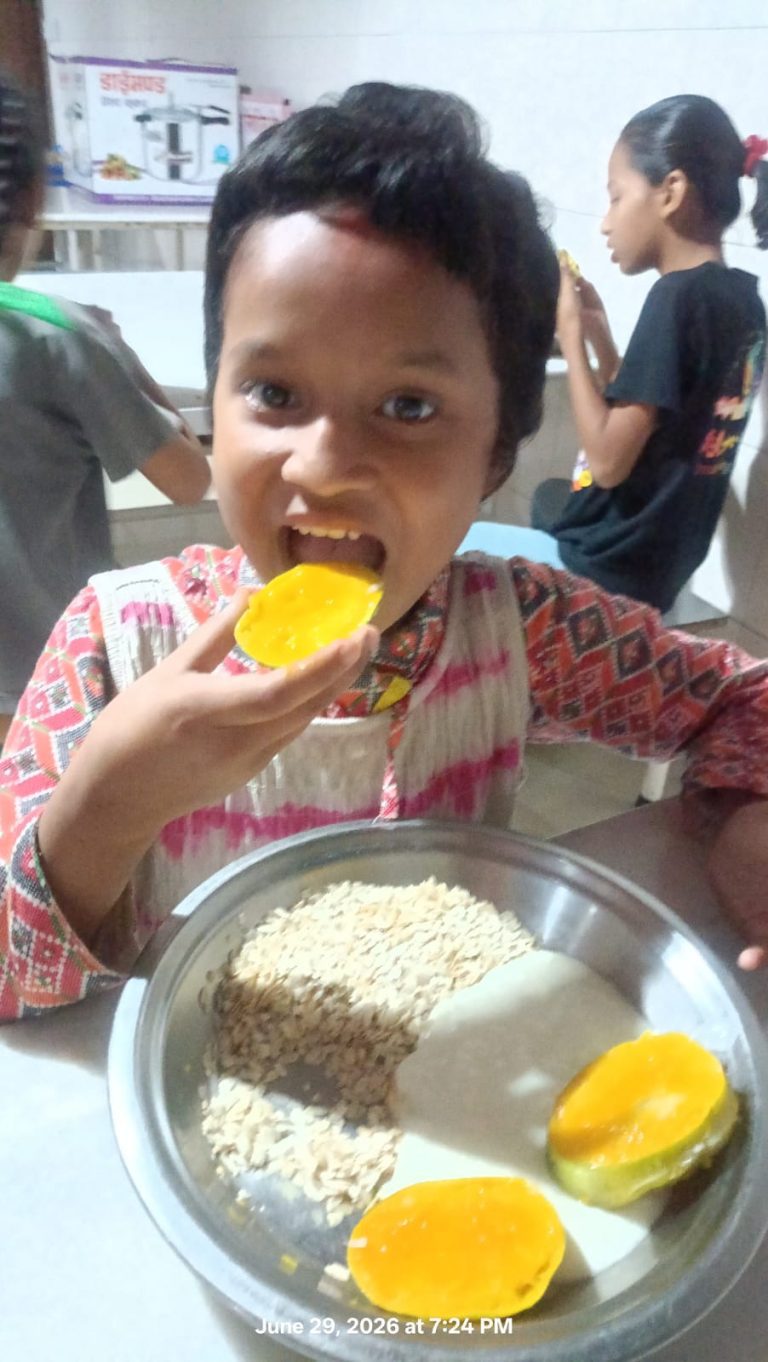
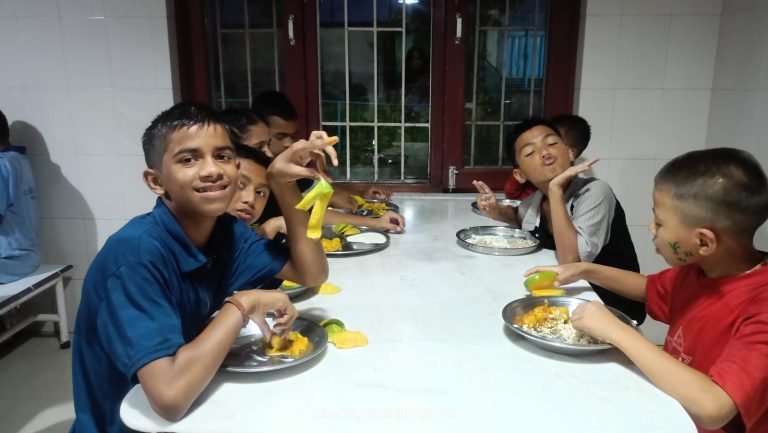
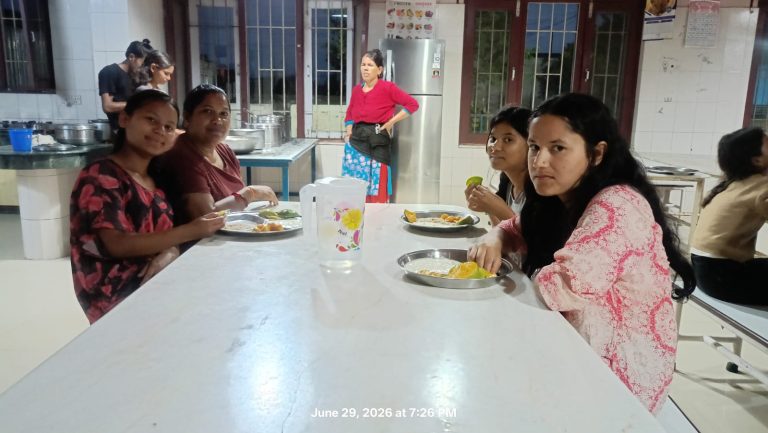
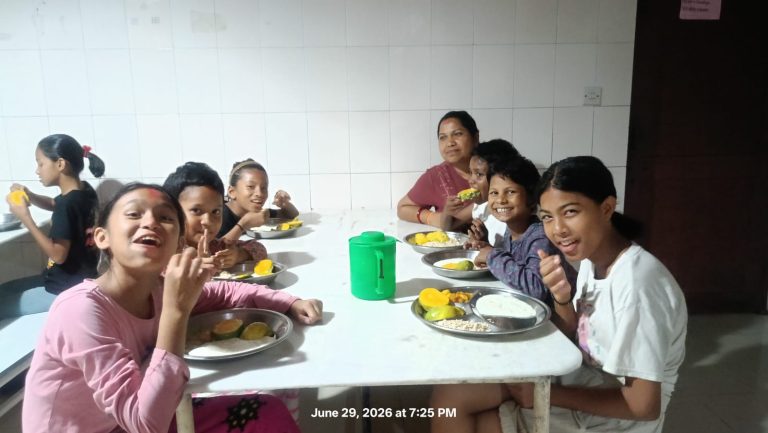
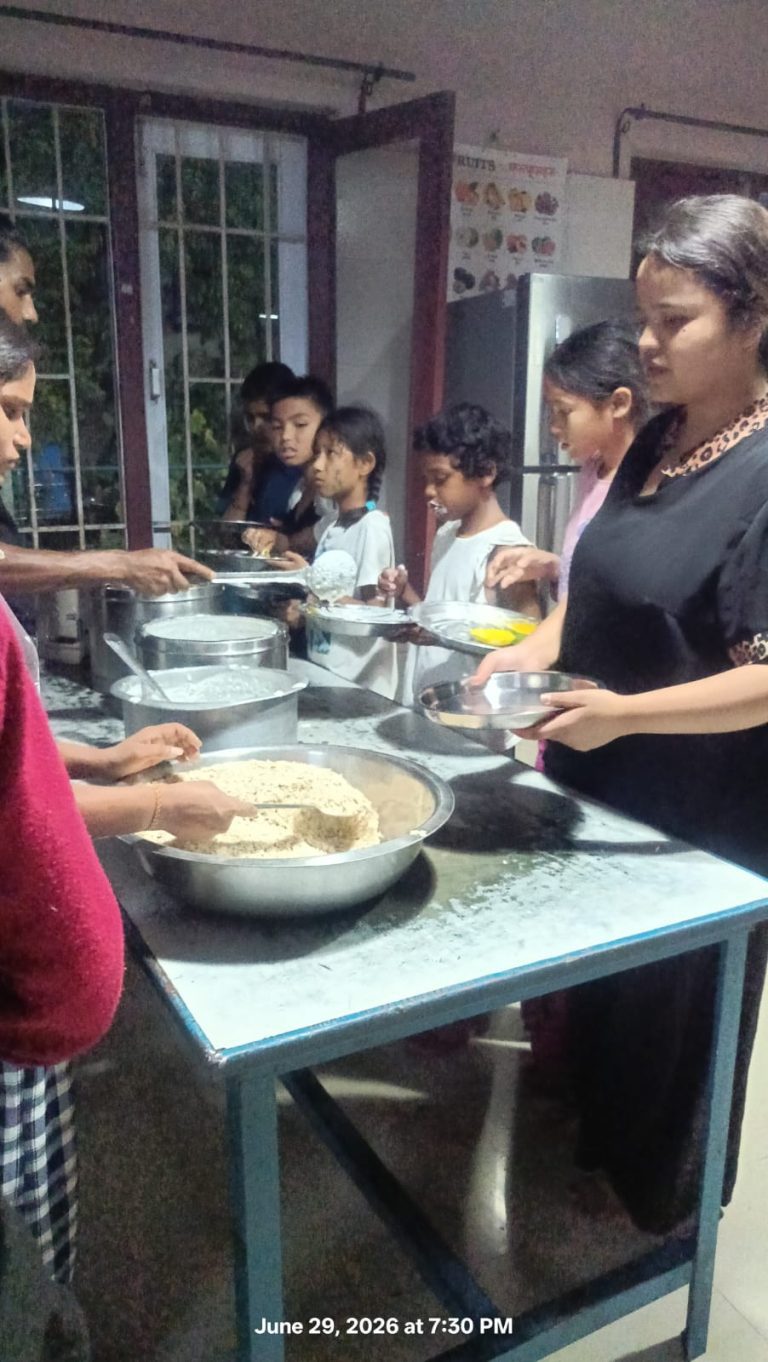
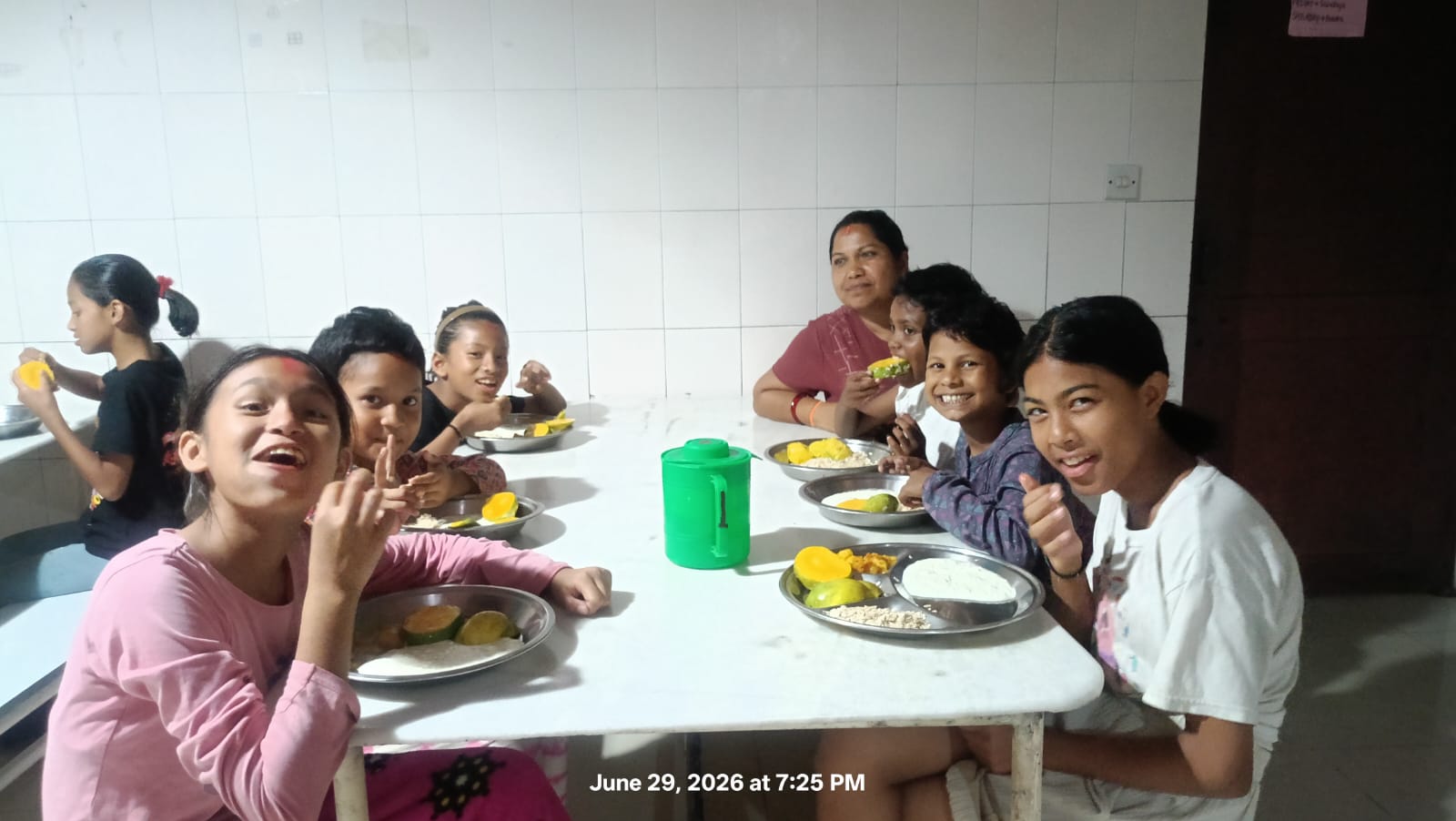
    On 29th June 2025, Children’s Home joined in the nationwide celebration of National Paddy Day (Asar 15) by sharing a traditional and symbolic meal of Chuira (Beaten Rice) with fresh curd, mango, and banana. Though the celebration was simple, it carried deep cultural and educational significance for the children, connecting them to Nepal’s agricultural heritage and the hardworking farmers who form the backbone of our nation.

    A Tribute to the Farmers of Nepal

    National Paddy Day marks the beginning of the rice planting season in Nepal, celebrated with great enthusiasm by farmers across the country. Officially recognized as a national event since 2061 BS, the day highlights the vital role that agriculture plays in our economy, identity, and way of life. It uplifts the spirit of farmers, celebrates their perseverance, and reminds the nation of their tireless work to feed us all.

    Chuira, Curd, Mango & Banana: A Meal Full of Meaning

    At the heart of the celebration at Children’s Home was a traditional meal of Chuira and Dahi (curd), enhanced with the sweetness of fresh mango and banana. This nutritious and symbolic dish is widely eaten on Asar 15 as a gesture of appreciation for the season’s first planting. The beaten rice provides energy and ease, while the curd cools the body. The addition of mango and banana adds natural sweetness, seasonal freshness, and richness to the meal, making it a perfect combination for the warm, rain-filled day of Asar.

    What is Dahi Chuira?

    Dahi Chuira is a humble and culturally rich Nepali dish made by mixing beaten rice with fresh curd. It is commonly shared during festivals and agriculture events, especially during National Paddy Day. Farmers traditionally enjoy it after hours in the fields, as a way to rest, nourish themselves, and celebrate the work they’ve begun. Beyond its nutritional value, Dahi Chuira is a symbol of gratitude, unity, and respect for labor, a tradition that connects generations.
    Tradition from the Terai Region

    In different regions of Nepal, the day is celebrated with unique customs. In the Terai, farmers bring food, locally known as jalkhai, directly to the fields. This includes thick homemade bread made from wheat flour, oil, salt, and spicy pickles. In one beloved tradition, if the landowner comes to help with planting, farmers playfully throw mud at them to chase them away. These playful customs foster a spirit of equality, humor, and strong social bonds among farming communities.
    Asar: A Season of Song and Story

    The month of Asar, when monsoon rains awaken the land, is not only about planting, it is a time of rich literary and cultural expression. Generations of farmers have passed down folk songs, poems, and sayings that celebrate the season. These creations reflect the emotional connection between people and the soil, expressing hope, struggle, and joy.

    Celebrating Hope and Unity

    Asar 15 is not just a date, it is a celebration of life, unity, and shared effort. It brings together communities in a spirt of cooperation, reminding us that when we work together, we grow together. Whether in the muddy fields or around a shared meal of Dahi Chiura, the message is the same: hope begins when we honor the earth and one another.

    Embracing the Monsoon

    The monsoon rains, so crucial for farming, are welcomed as a blessing. They represent renewal, abundance, and the promise of a fruitful season. Celebrating National Paddy Day is way of expressing our gratitude for nature, and acknowledging the delicate balance between human effort and environmental cycles that sustain life.

    Nurturing Roots at Children’s Home

    At Children’s Home, even a modest celebration like this becomes an opportunity to nurture the values of gratitude, awareness, and respect. Through the act of sharing Dahi Chuira with mango and banana, our children connected with their culture, honored the role of farmers, and learned to appreciate the hard work behind every grain of rice. We believe that planting these values in young hearts today will grow into a future rooted in compassion and understanding.

    Photos