Category: Events

Events

  • Picnic To Godavari

    Picnic To Godavari

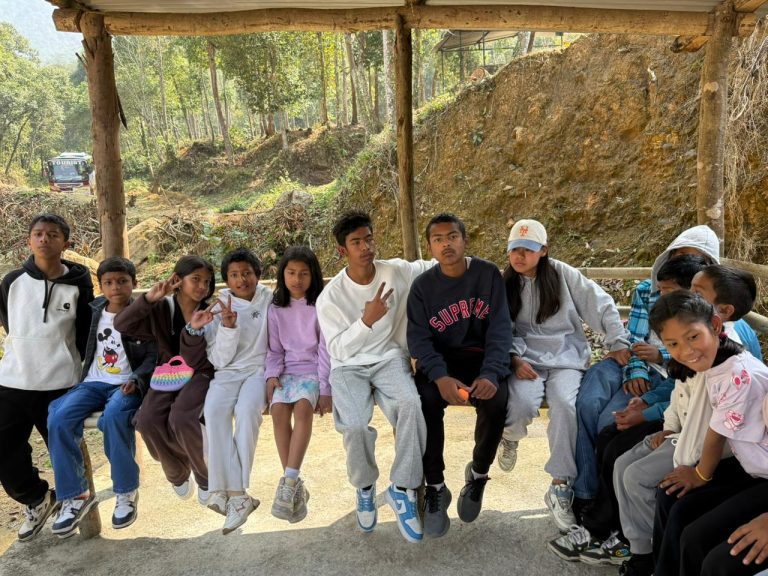
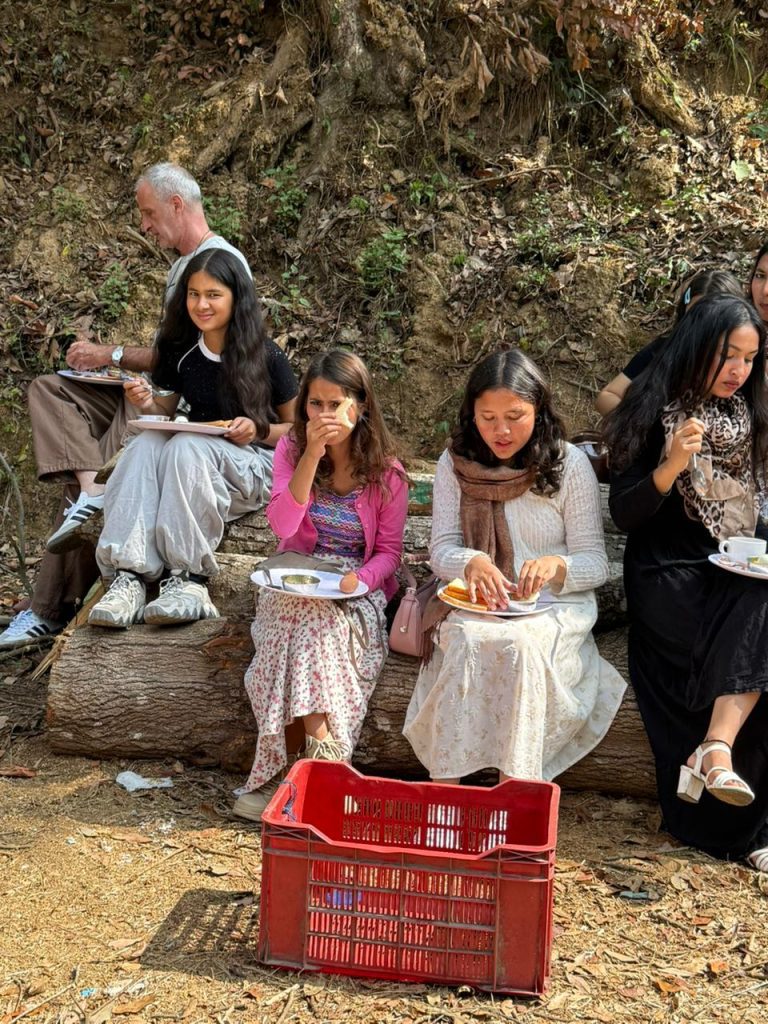
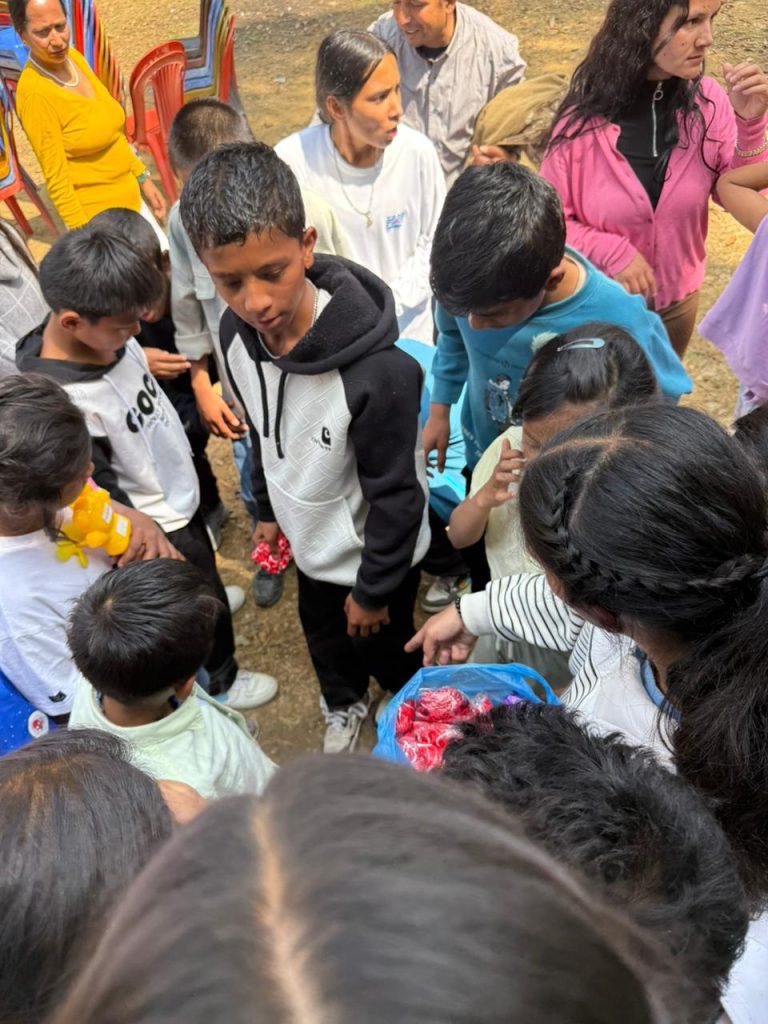
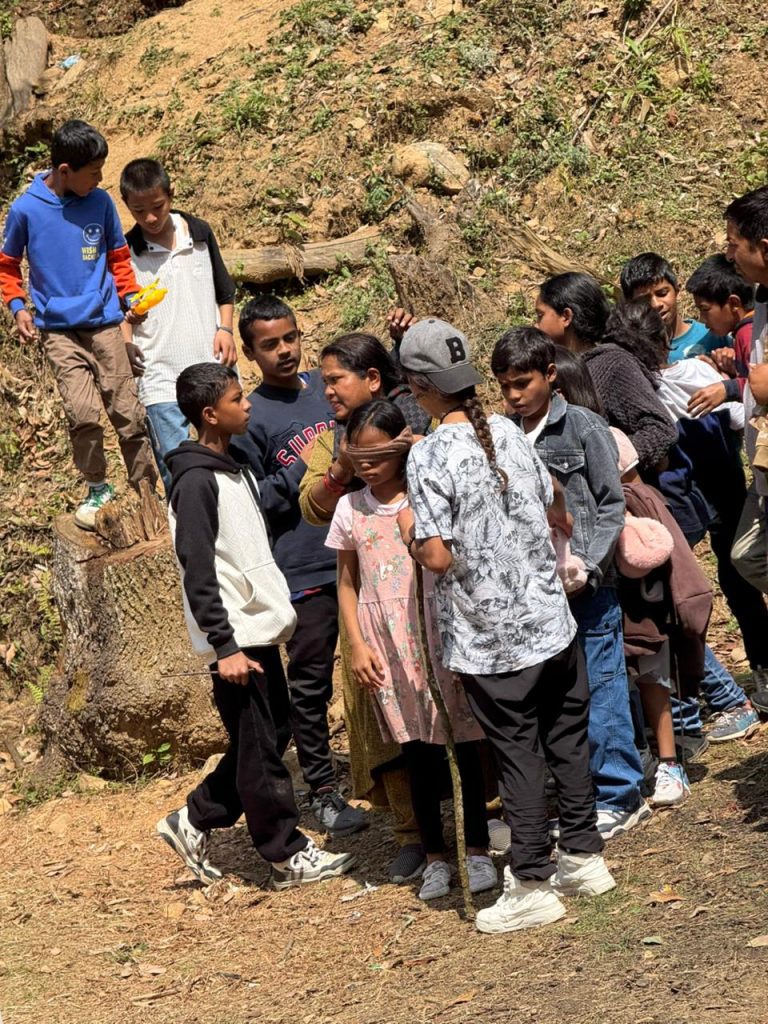
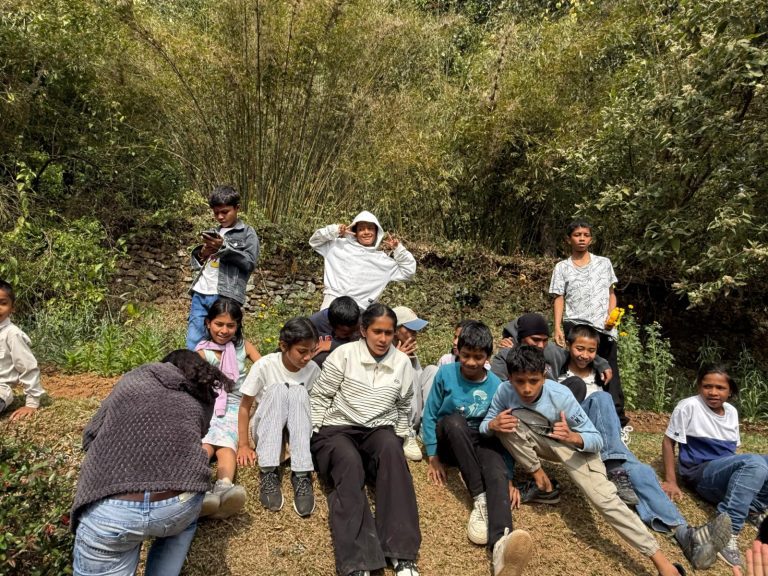
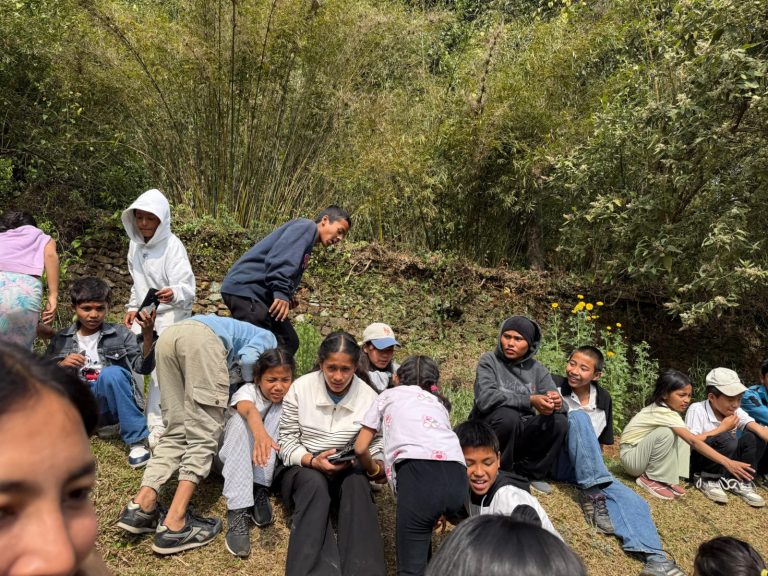
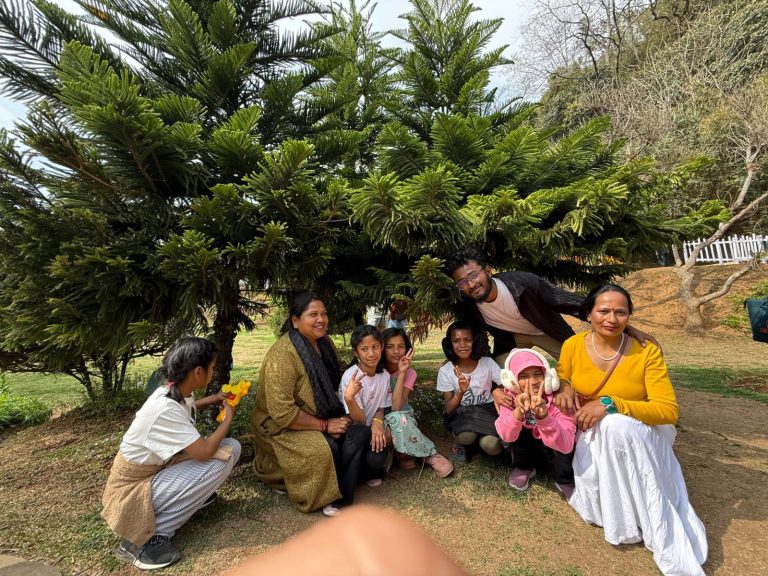
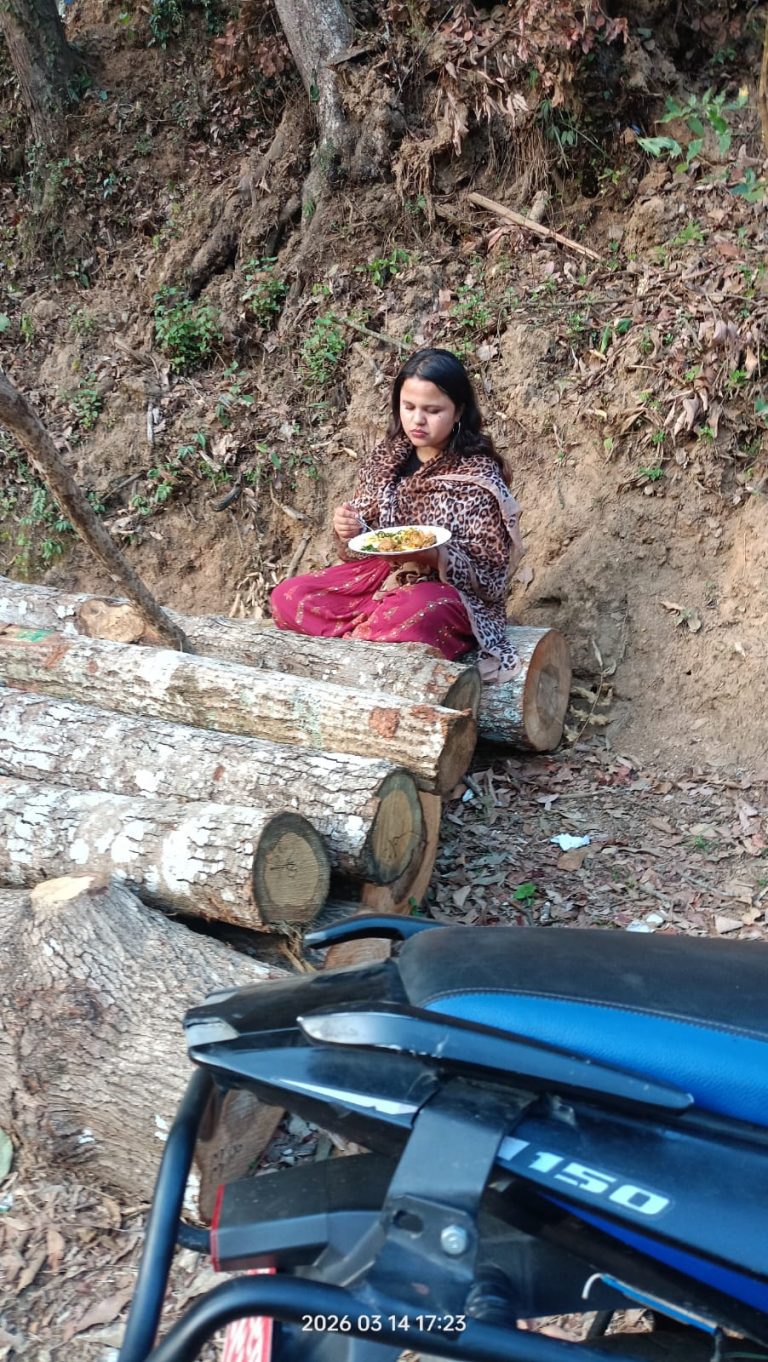
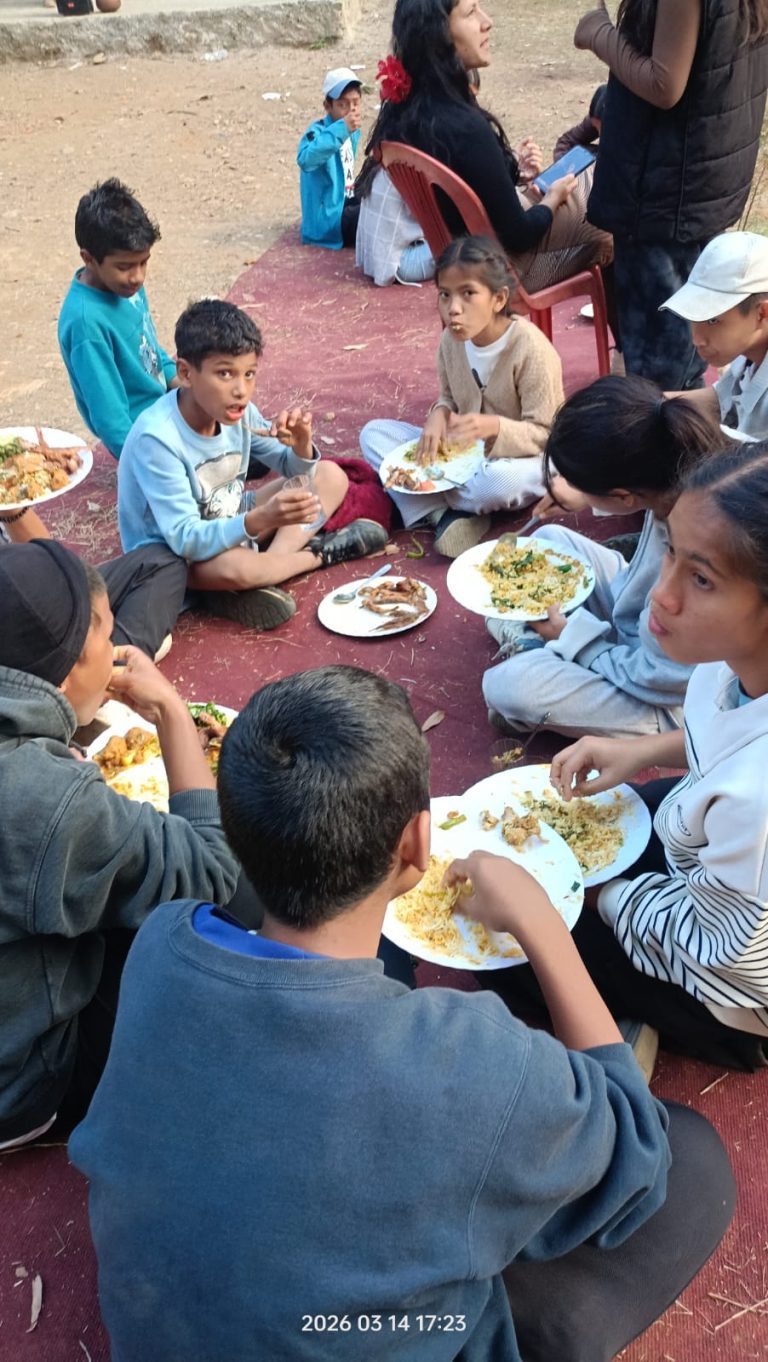
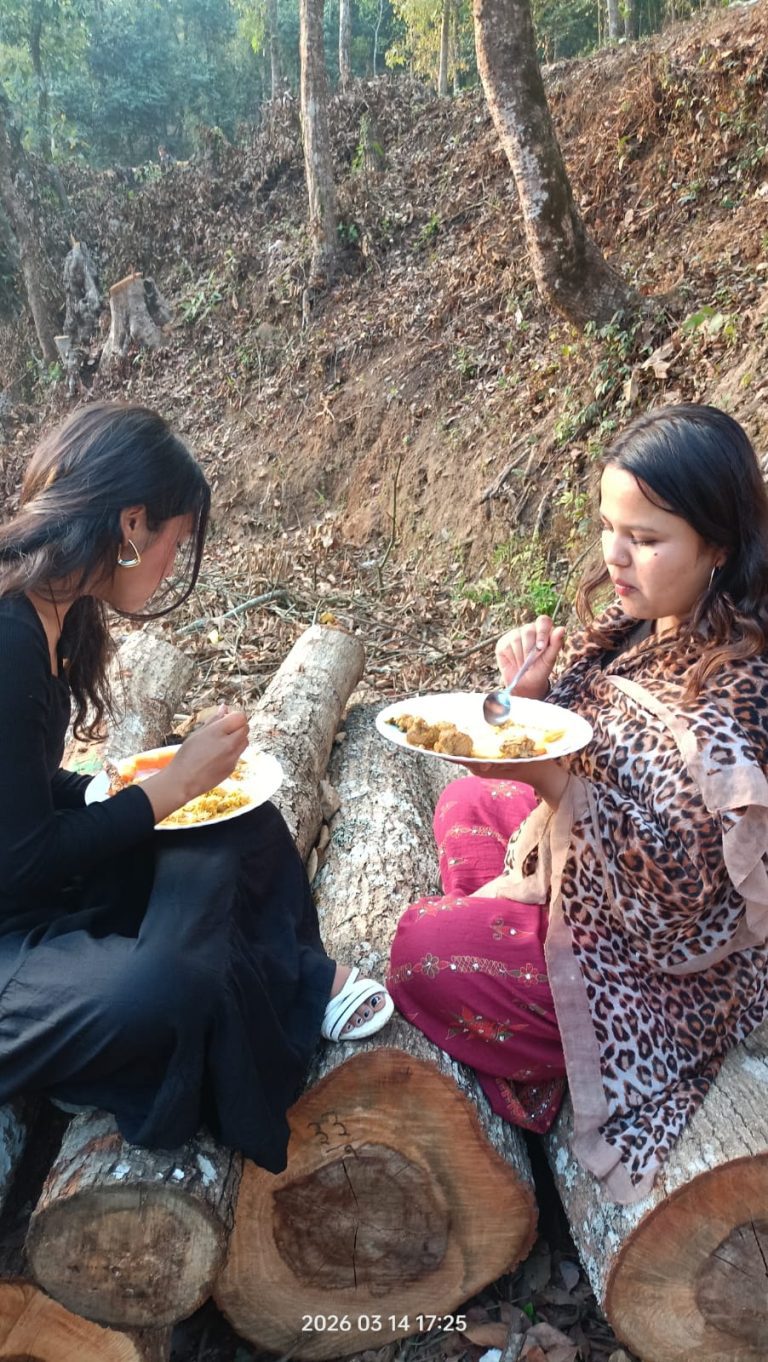
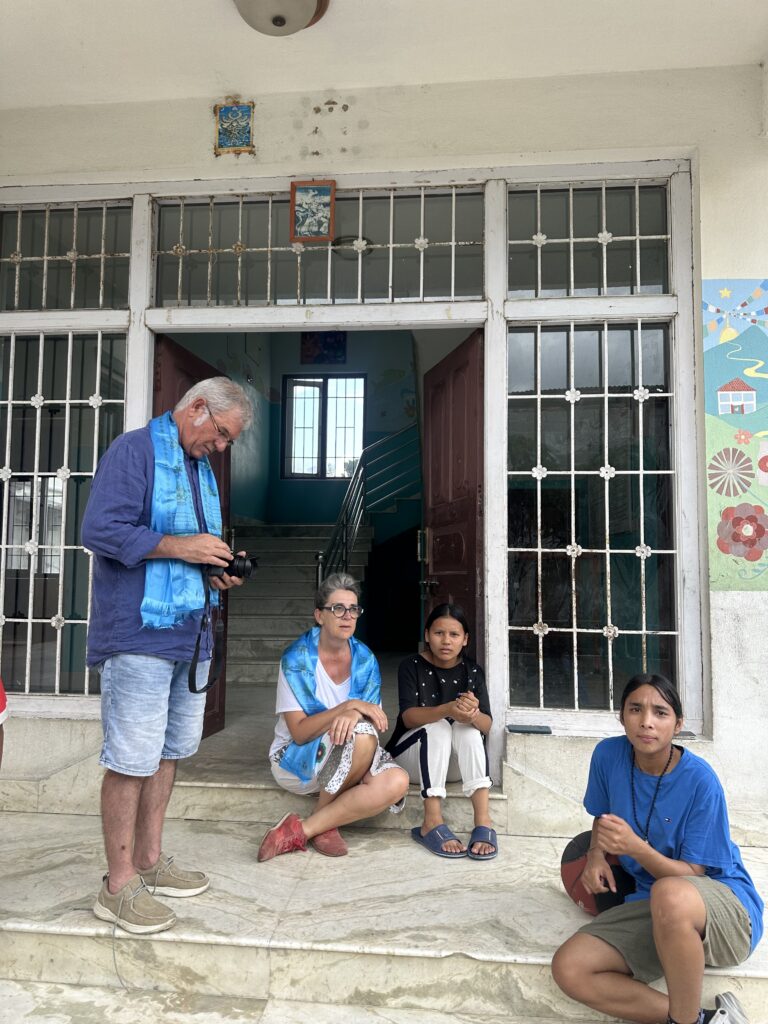
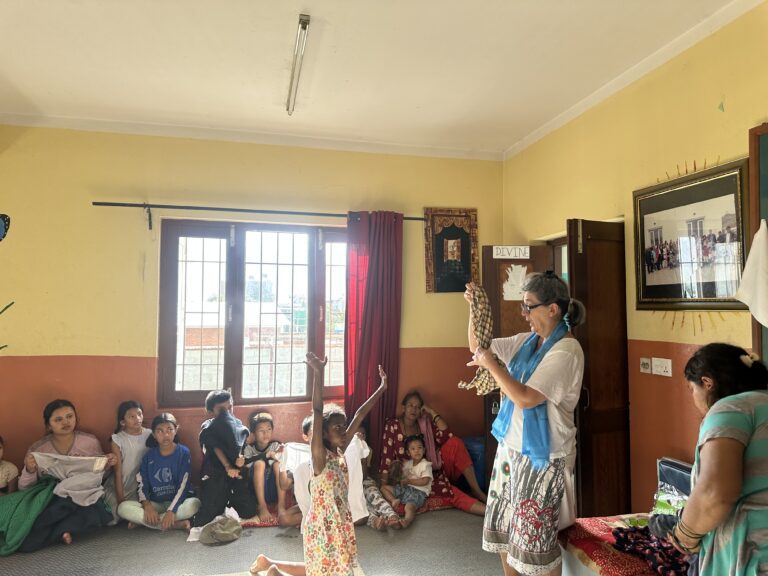
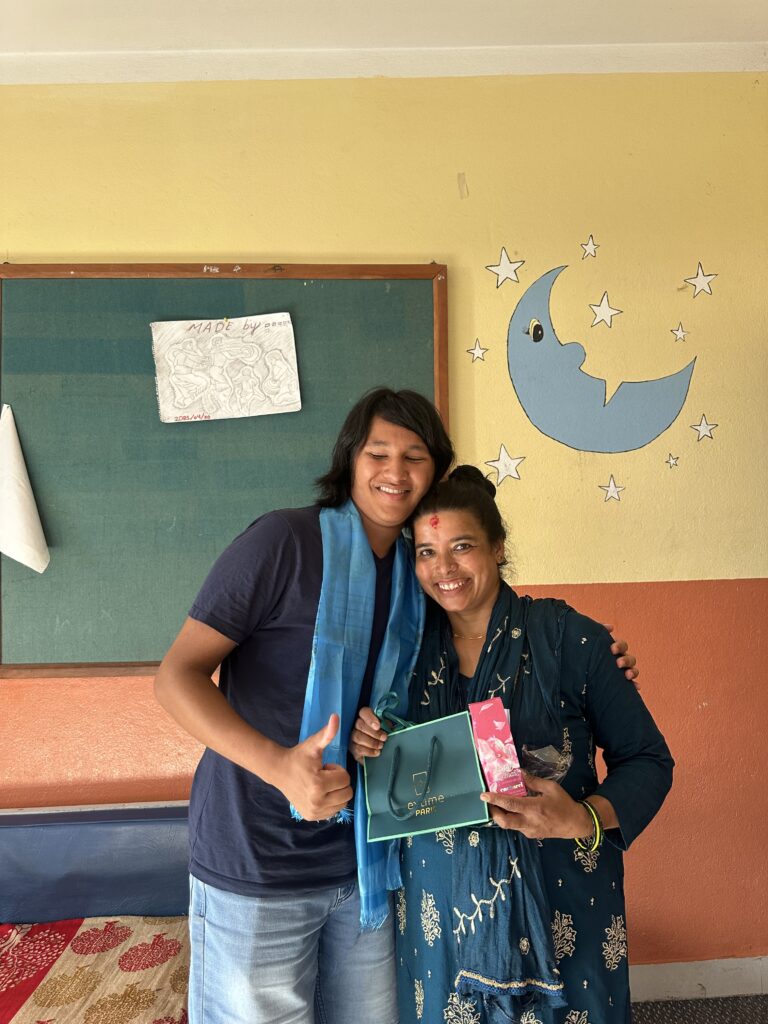
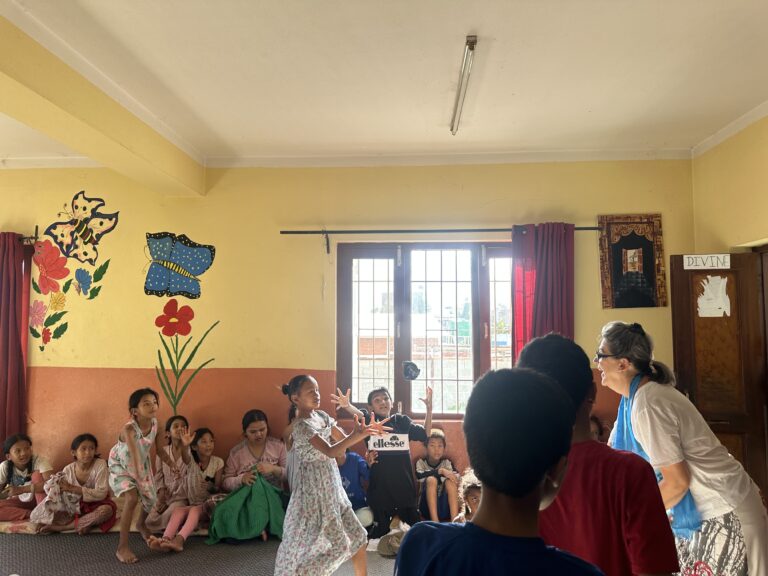
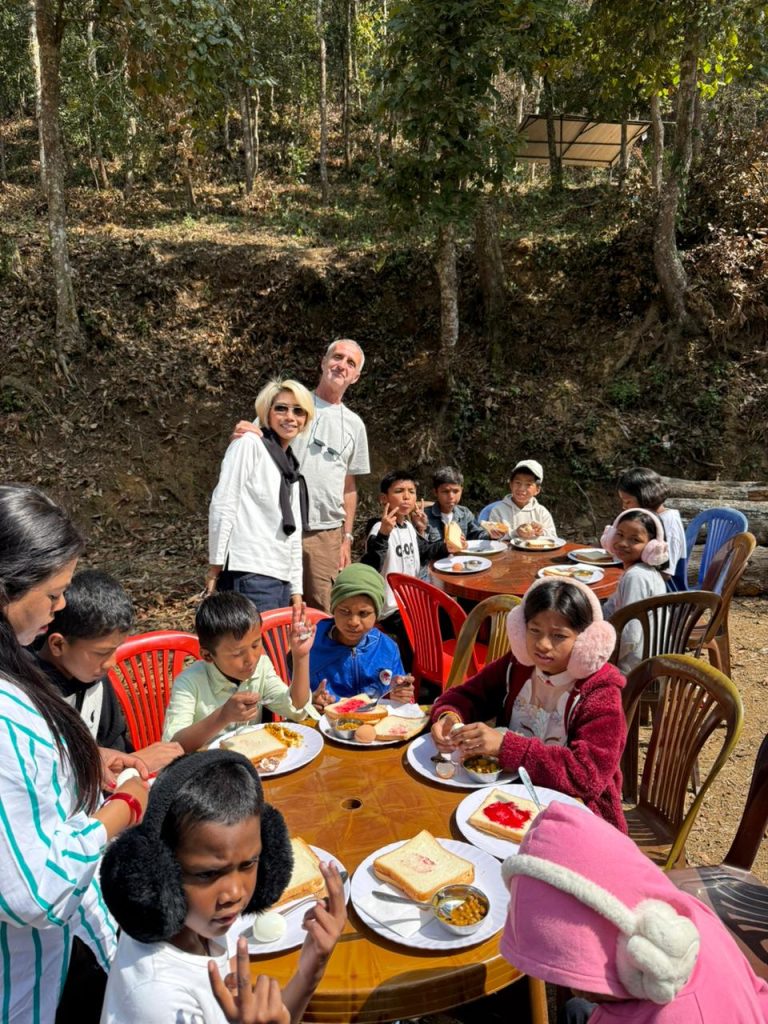
    Last Saturday was a very special and joyful day for all the children and staff members of the Children’s Home as Olivier kindly organized and took everyone for a picnic to Godavari. The day was filled with excitement, laughter, and memorable moments that allowed the children to enjoy nature and spend quality time together outside their usual routine. 

    Early in the morning, the children woke up with great enthusiasm as they prepared for the picnic. The staff members helped the children get ready, making sure everyone was dressed warmly and comfortably for the day. After everyone was prepared, the group gathered and set off for Godavari. The journey itself was enjoyable, with the children chatting happily, singing songs, and eagerly looking forward to the adventures that awaited them. 

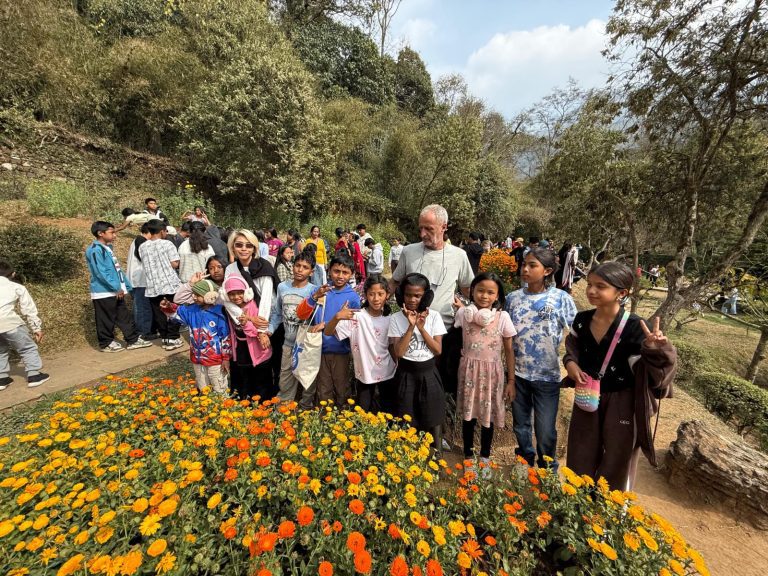
    Godavari is well known for its peaceful natural environment, greenery, and fresh air. As soon as the group arrived, the children were amazed by the beautiful surroundings. Tall trees, green hills, and open spaces created a perfect setting for relaxation and fun. The calm atmosphere provided a refreshing break from the busy life of the city. The children immediately began exploring the area, enjoying the fresh air and the beauty of nature. 

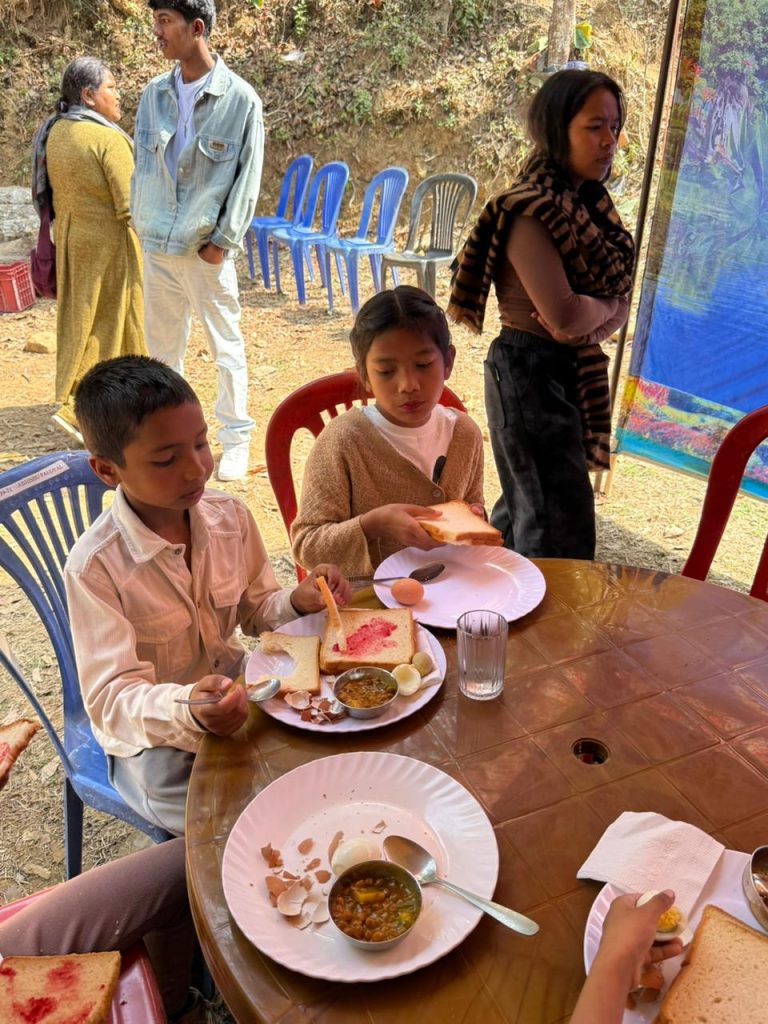
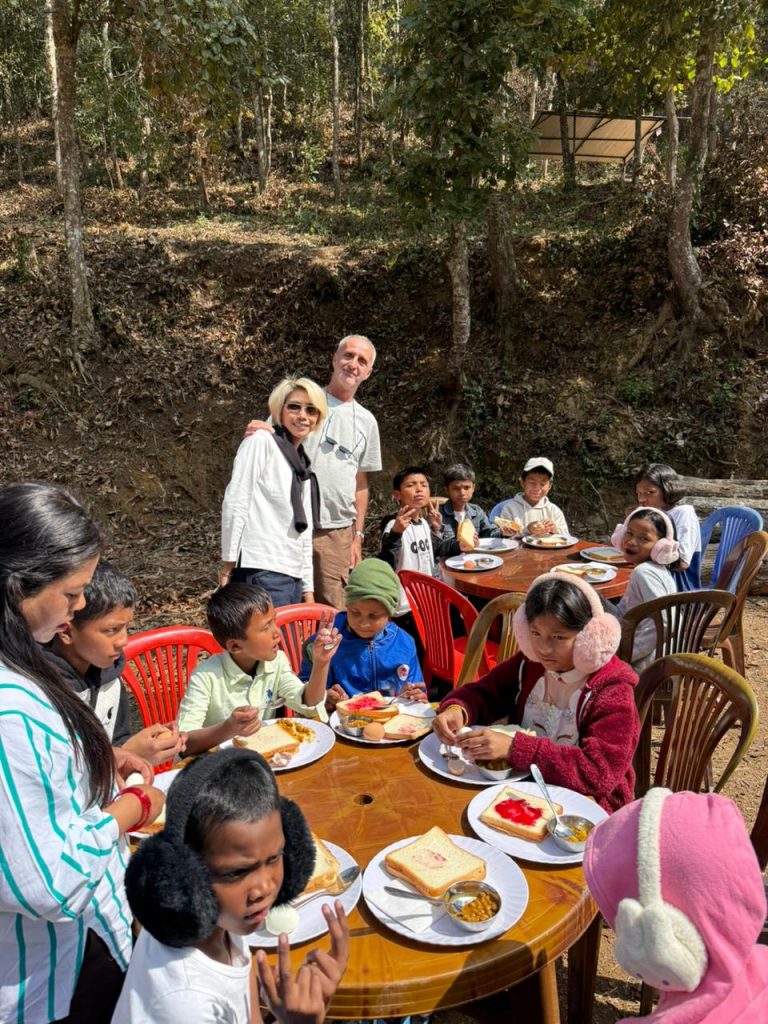
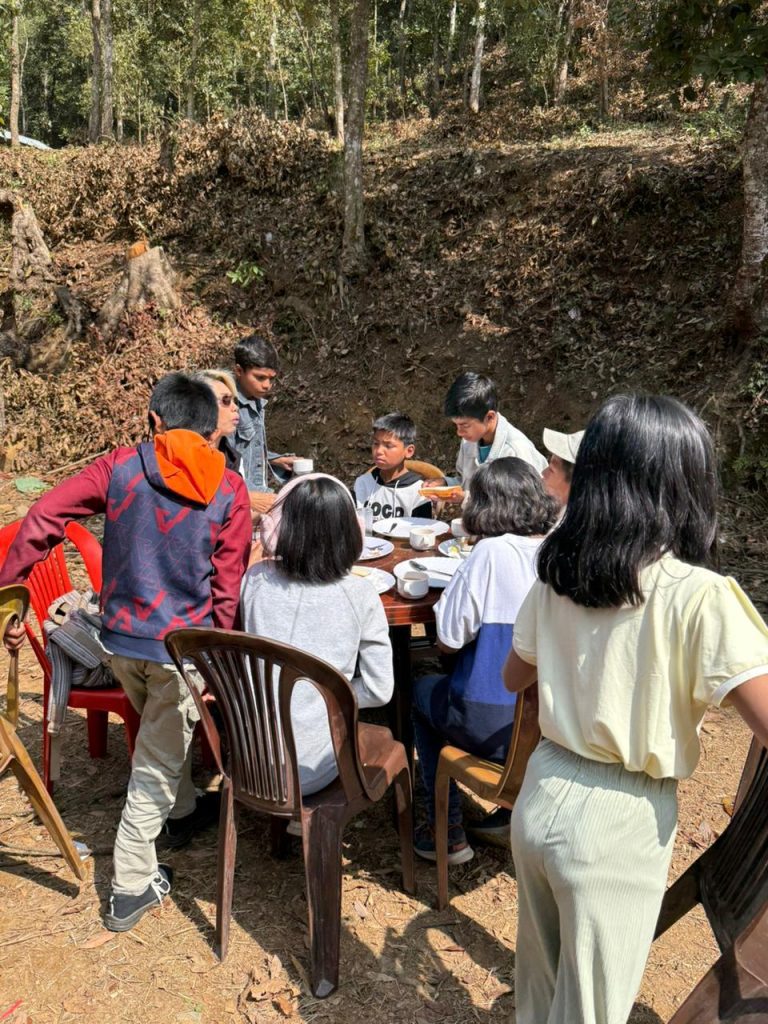
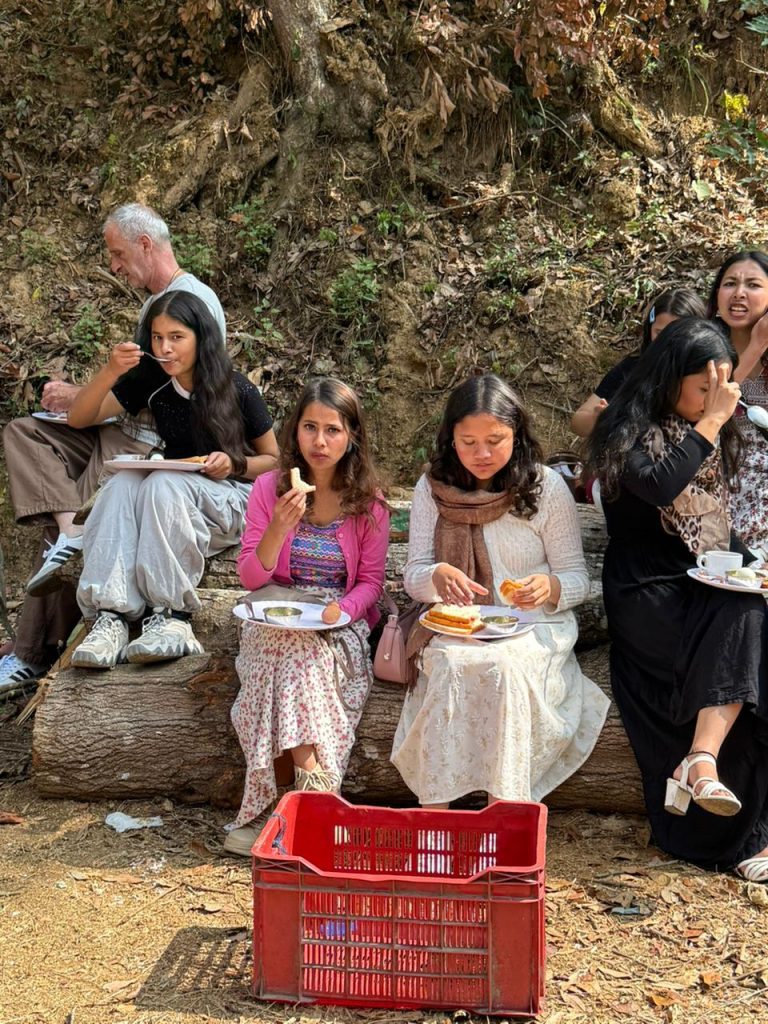
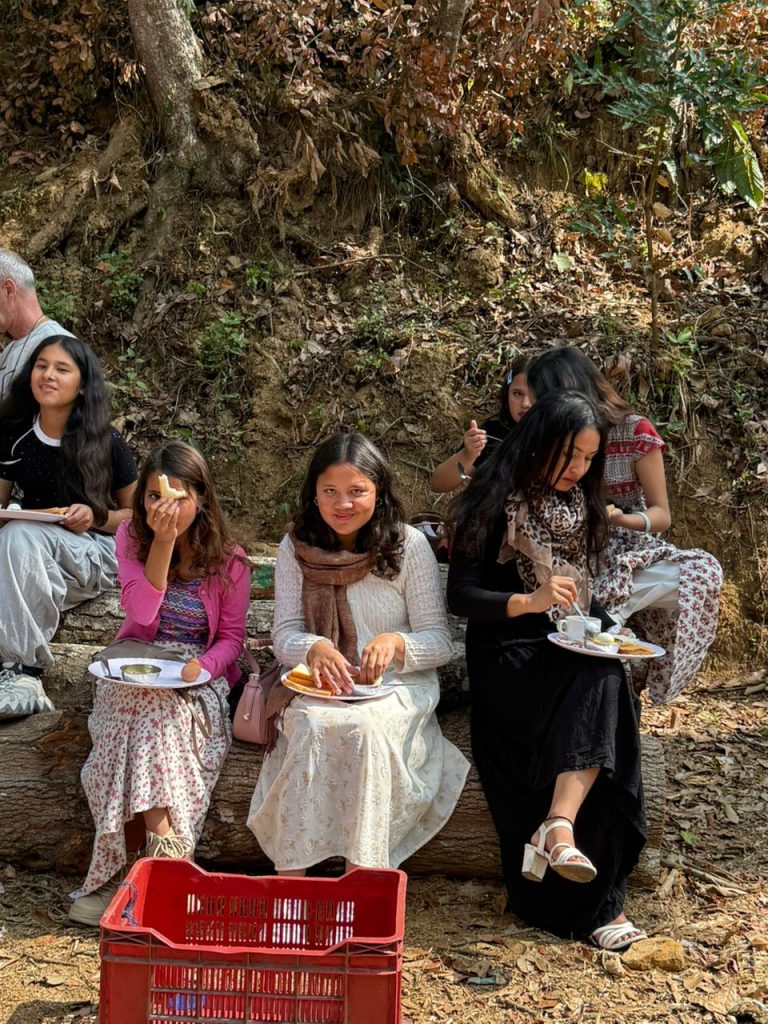
    One of the highlights of the picnic was the delicious meal that everyone shared together. Olivier thoughtfully arranged food so that the children could enjoy a special outdoor lunch. Tables and chairs were set up in the open area, and the children gathered around with great excitement. They enjoyed bread, eggs, and other simple but tasty dishes. Eating together outdoors made the meal even more enjoyable. The children laughed, talked, and shared stories while enjoying their food. For many of them, it felt like a wonderful family gathering. 

    The staff members also joined the children during the meal, making sure everyone was comfortable and had enough to eat. The atmosphere was warm and joyful. Olivier spent time with the children, talking with them, encouraging them, and making sure they were enjoying themselves.  

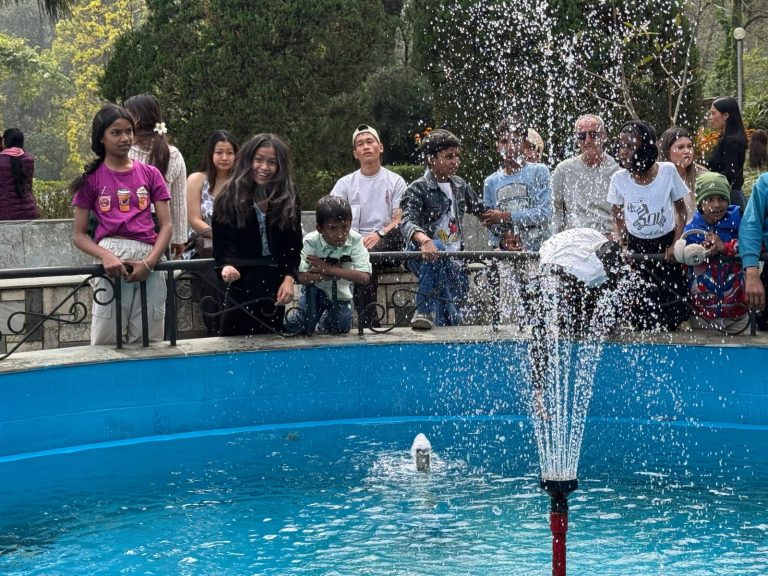
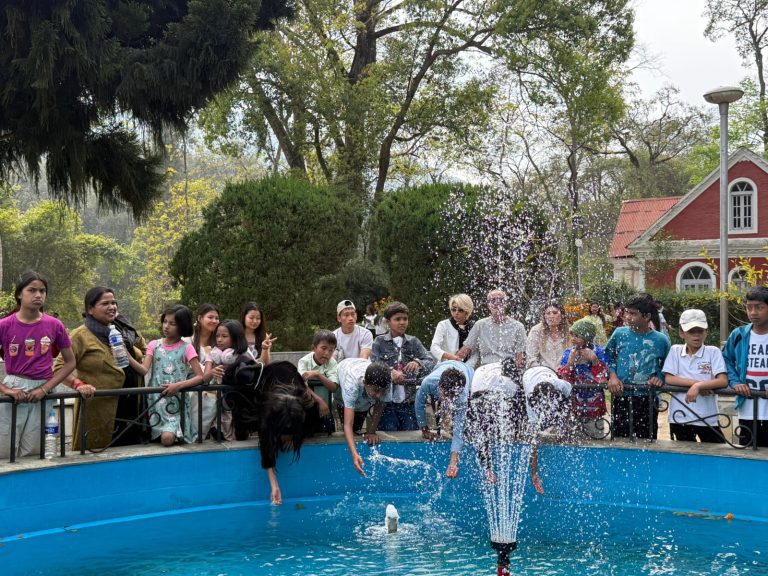
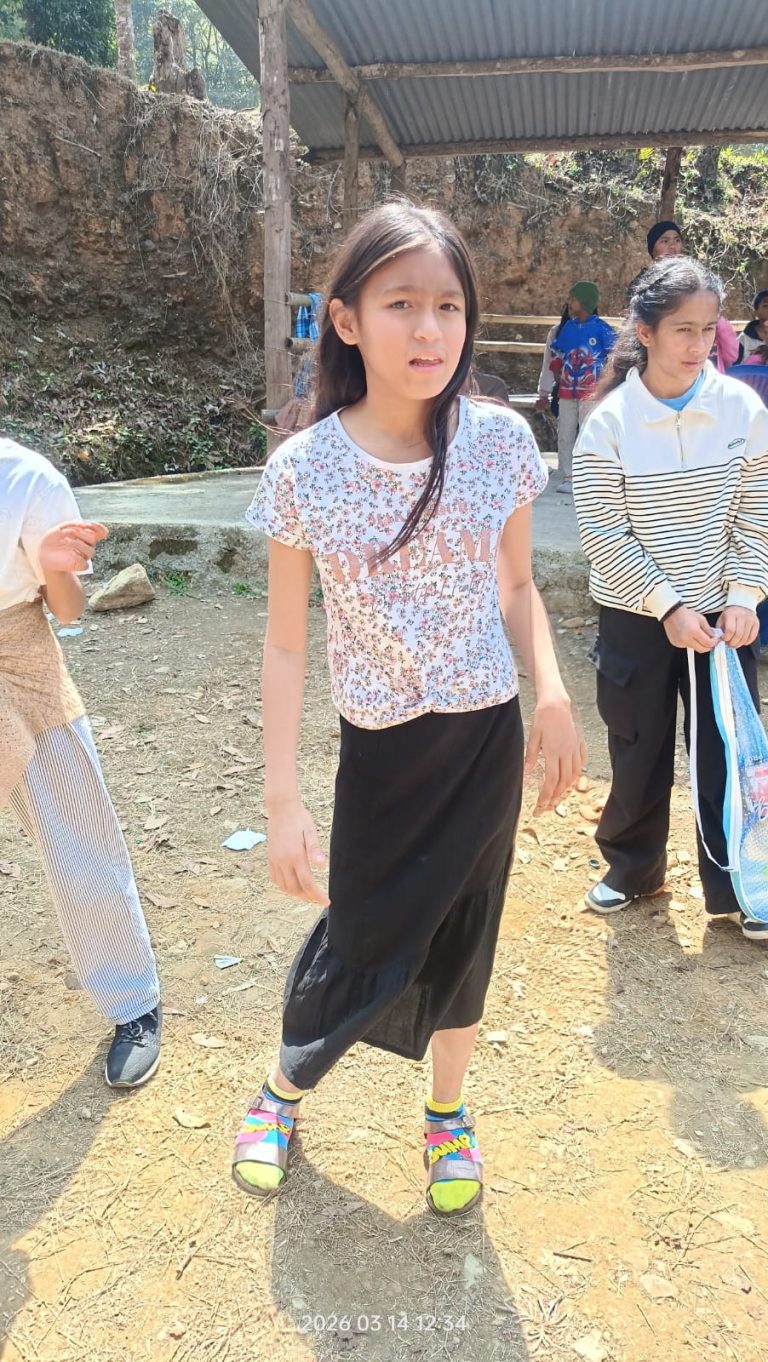
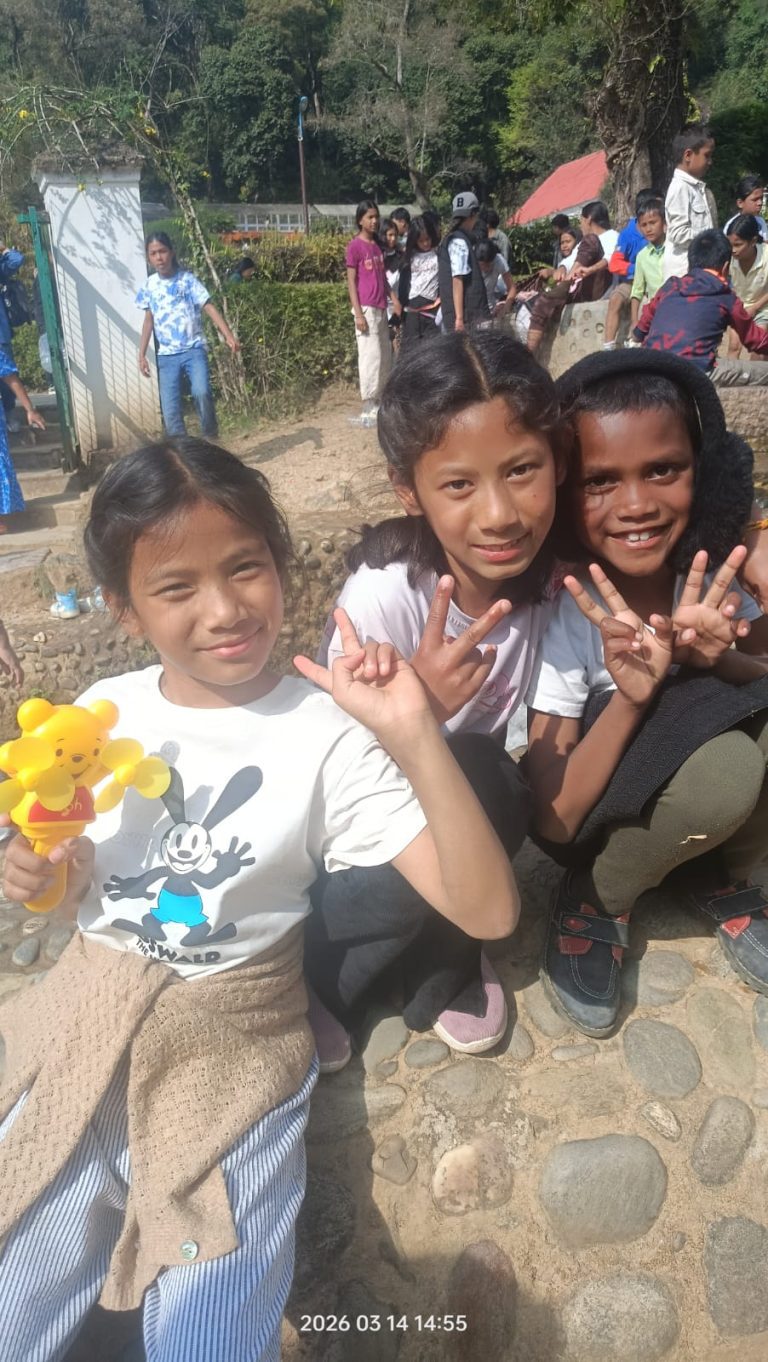
    After lunch, the children had plenty of time to play and explore. Some of them ran around the open fields, while others walked through the gardens and nearby trails. Many children enjoyed taking photos together, capturing the happy moments of the day. The laughter and excitement could be heard all around, showing how much the children appreciated the opportunity to spend time outdoors. 

    The picnic also created a wonderful opportunity for bonding between the children and the staff members. Away from their usual responsibilities, everyone was able to relax and simply enjoy each other’s company. The children interacted freely with the staff and Olivier, creating a sense of unity and belonging. These kinds of activities are very important for the emotional wellbeing of the children, as they help build positive memories and strengthen relationships. 

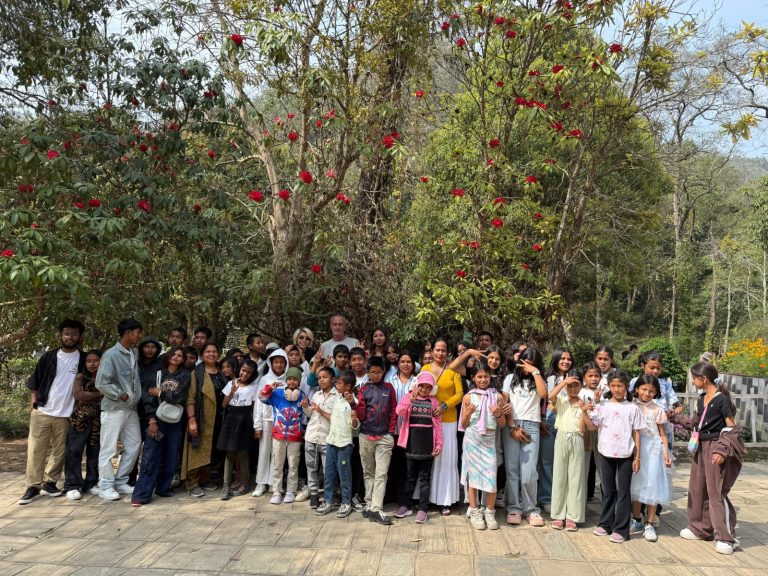
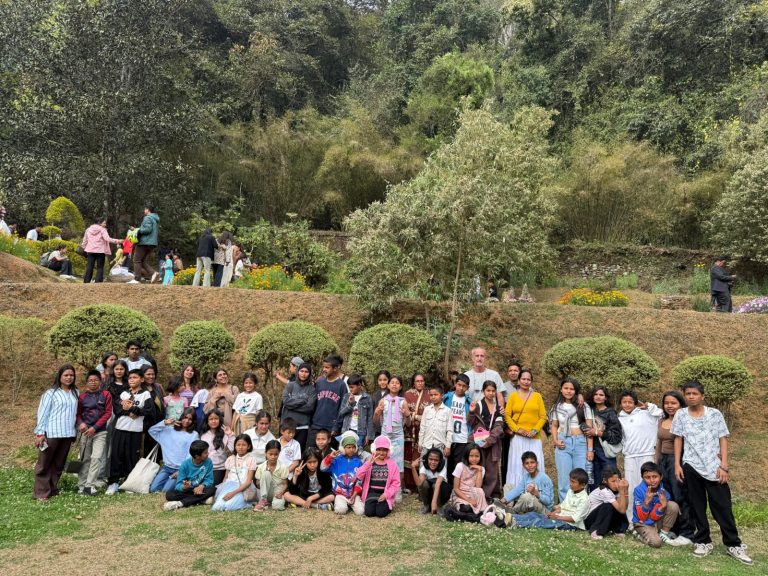
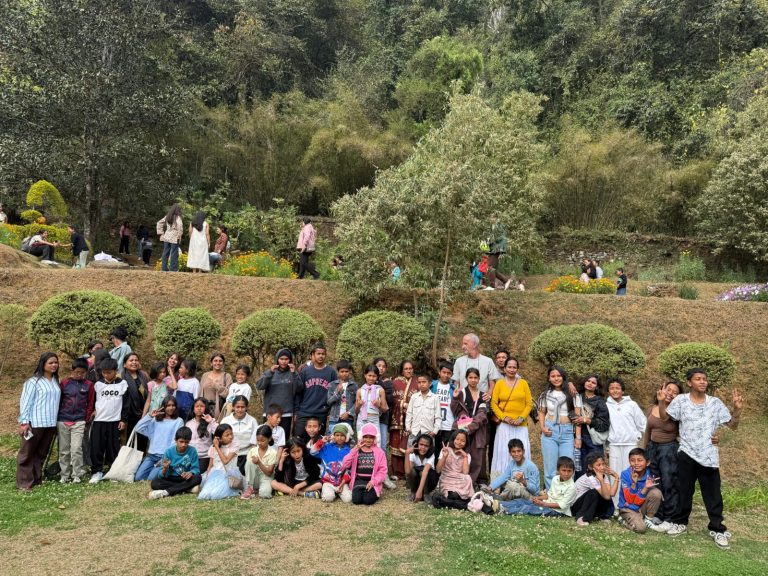
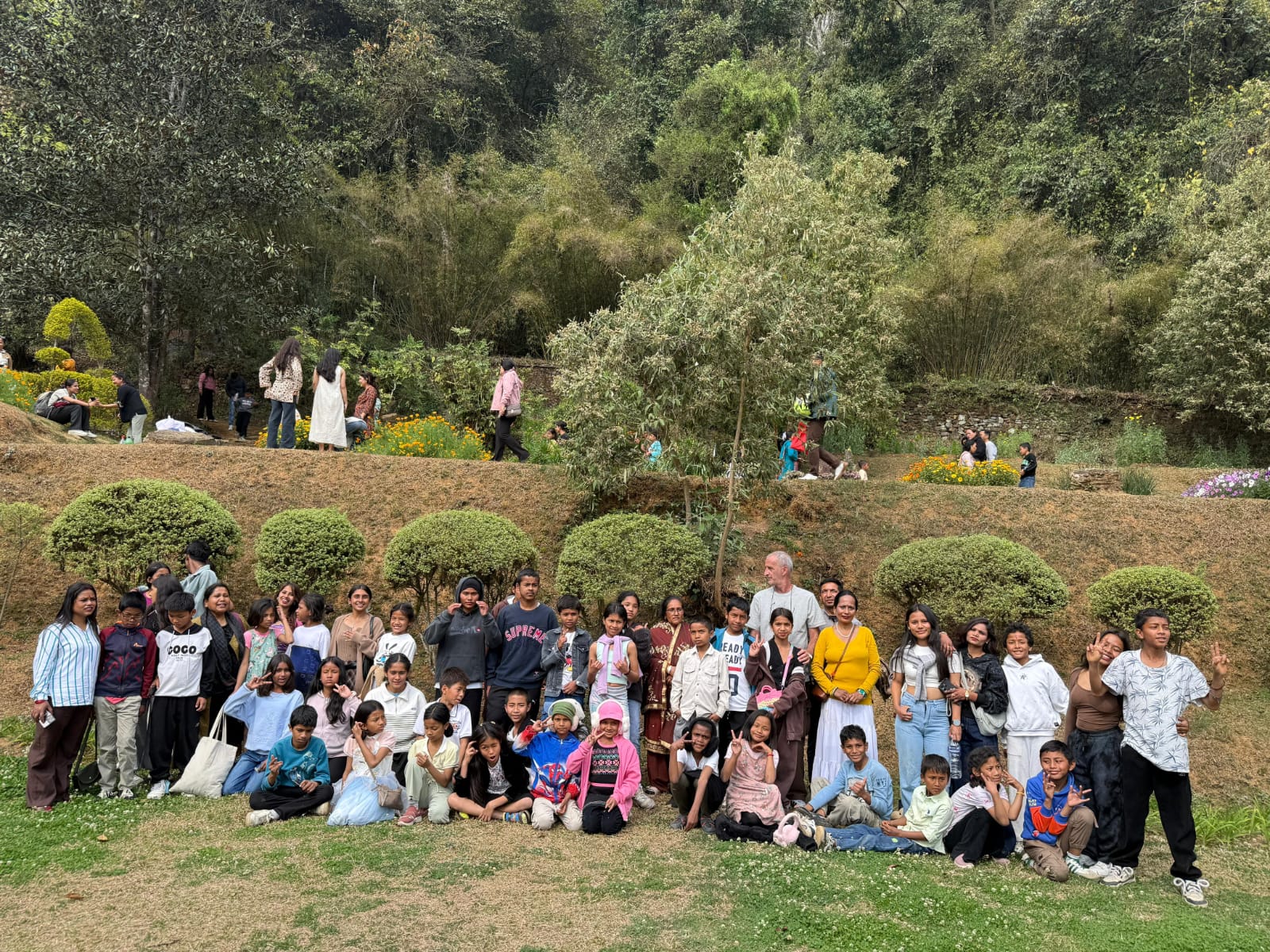
    Later in the afternoon, the group gathered again for a large group photograph. Seeing all the children and staff members standing together in the beautiful surroundings was truly heartwarming. The smiles on their faces reflected the happiness and gratitude they felt during the day. The photograph will remain a wonderful memory of this special outing. 

    As the day slowly came to an end, the children began preparing to return home. Although they were a little tired after a full day of activities, they were extremely happy and satisfied. During the journey back, many of them talked about their favourite moments from the picnic, while others quietly enjoyed the peaceful ride. 

    This picnic to Godavari was not just a simple outing; it was an important experience that brought joy, relaxation, and togetherness to the children and staff members. Such moments allow the children to feel cared for, valued, and supported. It also reminds them that there are people who genuinely care about their happiness and wellbeing. 

    The Children’s Home is deeply grateful to Olivier for organizing and supporting this wonderful picnic. Experiences like these play a significant role in the emotional and social development of the children, helping them grow with confidence and positivity. 

    Overall, the picnic at Godavari was a beautiful and meaningful day for everyone involved. It strengthened the sense of family within the Children’s Home and gave the children an opportunity to enjoy nature, friendship, and happiness. The memories created during this day will surely remain in the hearts of the children and staff members for a long time.  
  • Om Shanti Meditation Session at Children’s Home

    Om Shanti Meditation Session at Children’s Home

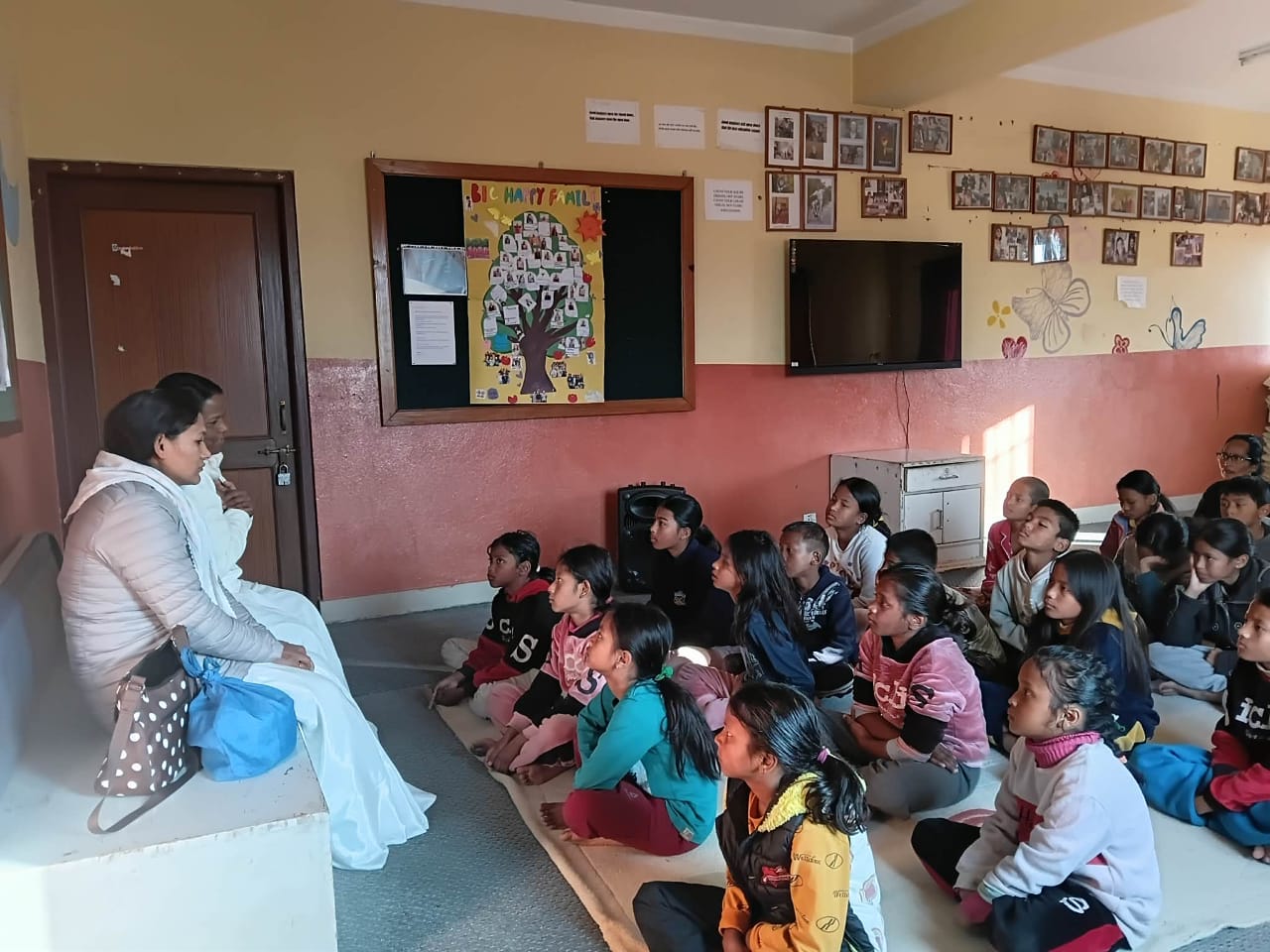
    Since last Saturday, the team from Om Shanti has kindly begun conducting weekly meditation sessions at the Children’s Home. These sessions are offered voluntarily every Saturday, reflecting their commitment to supporting the emotional and mental wellbeing of the children. 

    During each session, the instructors guide the children through simple breathing exercises, mindfulness practices, and short reflective activities. Their calm and positive approach helps the children relax, focus, and develop healthier ways of managing stress and emotions. The children participate with great interest, listening attentively and following the guided meditation with enthusiasm. 

    The environment created during these sessions is peaceful and comforting. The instructors also share short teachings on kindness, inner peace, gratitude, and positive thinking, values that help the children develop emotional strength and a positive mindset. 

    These weekly sessions have already begun to make a noticeable impact. The children look forward to Saturdays, enjoying the opportunity to learn new skills that support their personal growth. The Children’s Home truly appreciates the heartfelt effort of the Om Shanti team for dedicating their time and energy to help shape the children’s inner wellbeing. Their voluntary service has become a meaningful and valuable addition to the children’s routine. 

  • Children’s Home Celebrates Teej

    Children’s Home Celebrates Teej

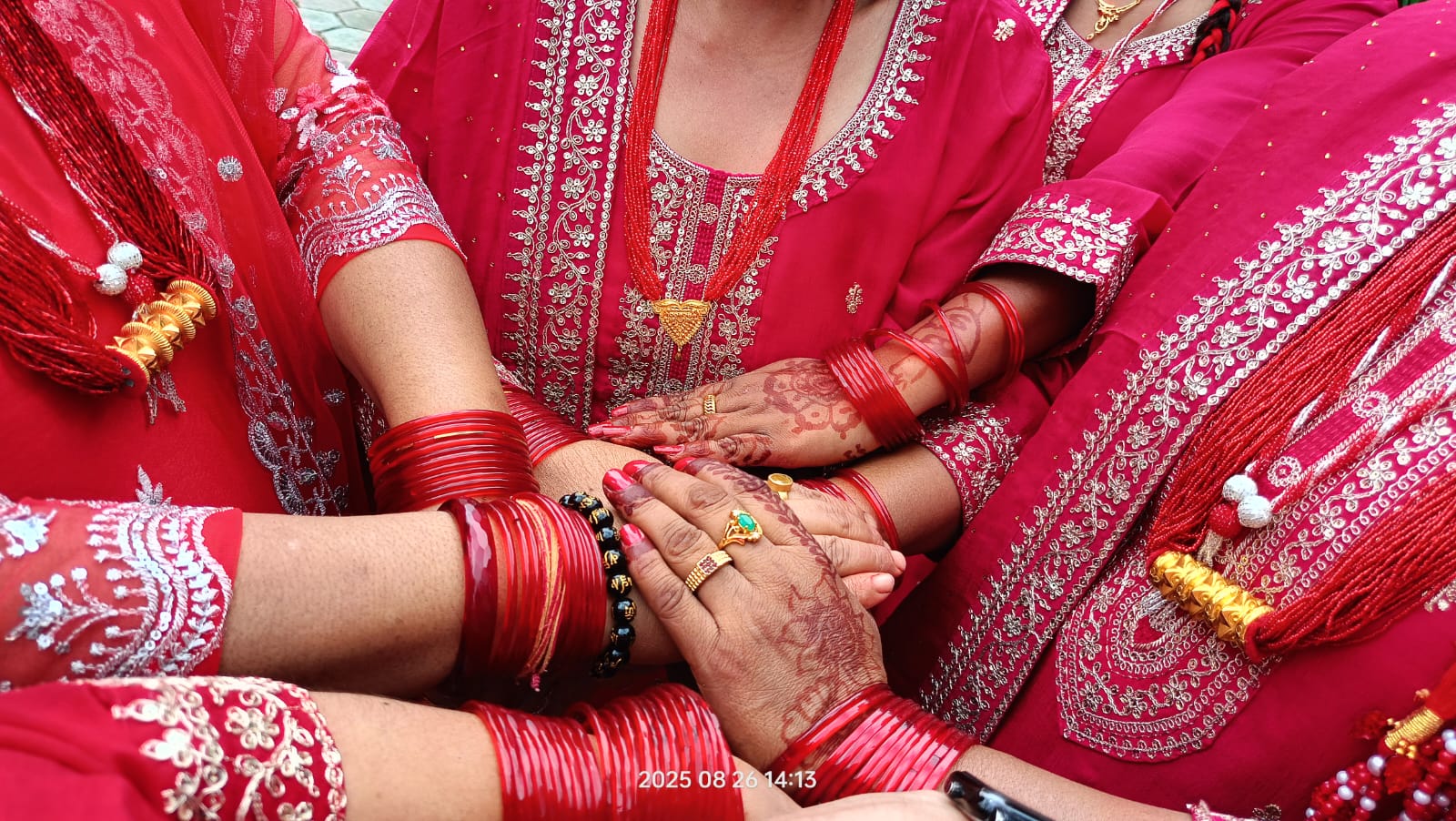
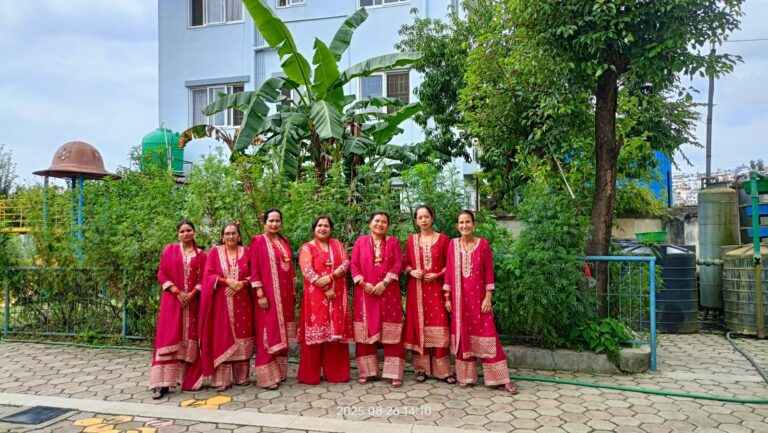
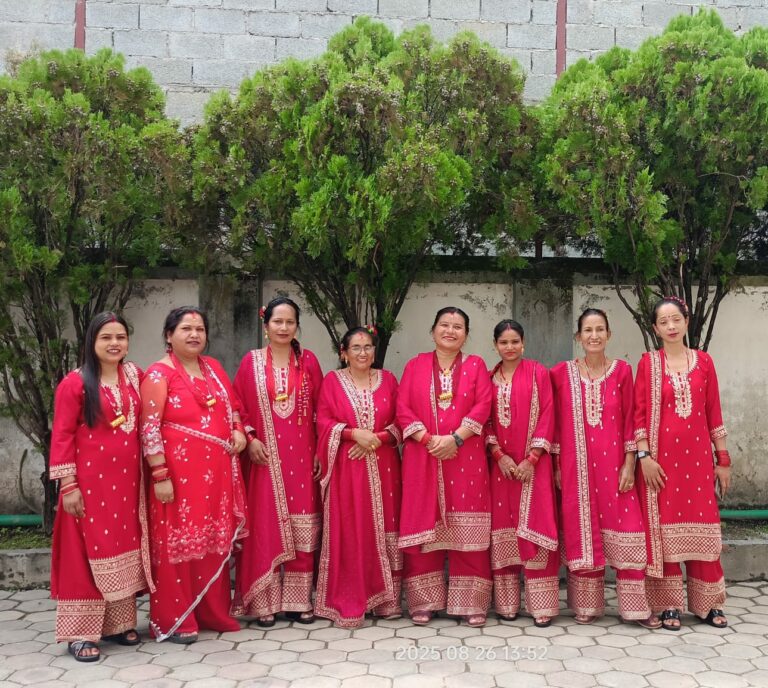
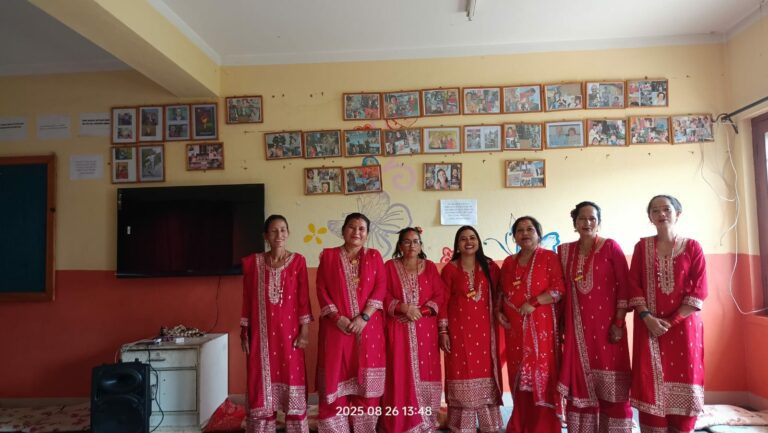
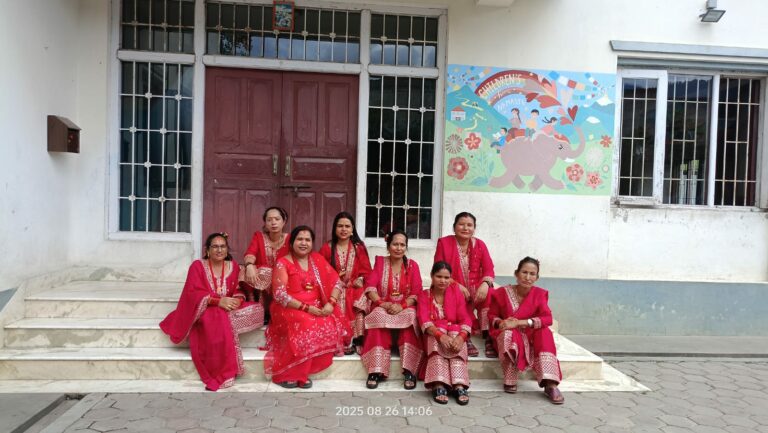
    Teej is a Hindu festival celebrated mainly by women in Nepal and parts of India, dedicated to Goddess Parvati and her union with Lord Shiva. It usually falls in August or September and this year it was in August 26th 2025 it is considered a festival of love, devotion, and well-being of family life. The celebration takes place over three days Dar Khane Din, Haritalika Teej, and Rishi Panchami. On the first day, women gather with relatives to enjoy a grand feast before beginning the fast. The second day, Haritalika Teej, is the main day of fasting, when married women pray for the long life and prosperity of their husbands, while unmarried women wish for a good husband. Women dress in red saris, wear green bangles, apply tika, and gather to sing and dance to traditional Teej songs. On the third day, Rishi Panchami, they perform purification rituals to seek forgiveness for mistakes in daily life. Teej is not only a religious observance but also a cultural celebration that strengthens sisterhood, unity, and joy among women. Temples, especially the Pashupatinath Temple in Kathmandu, become major gathering places during this time. Overall, Teej reflects devotion, cultural pride, and the special bond between women, their families, and their faith.
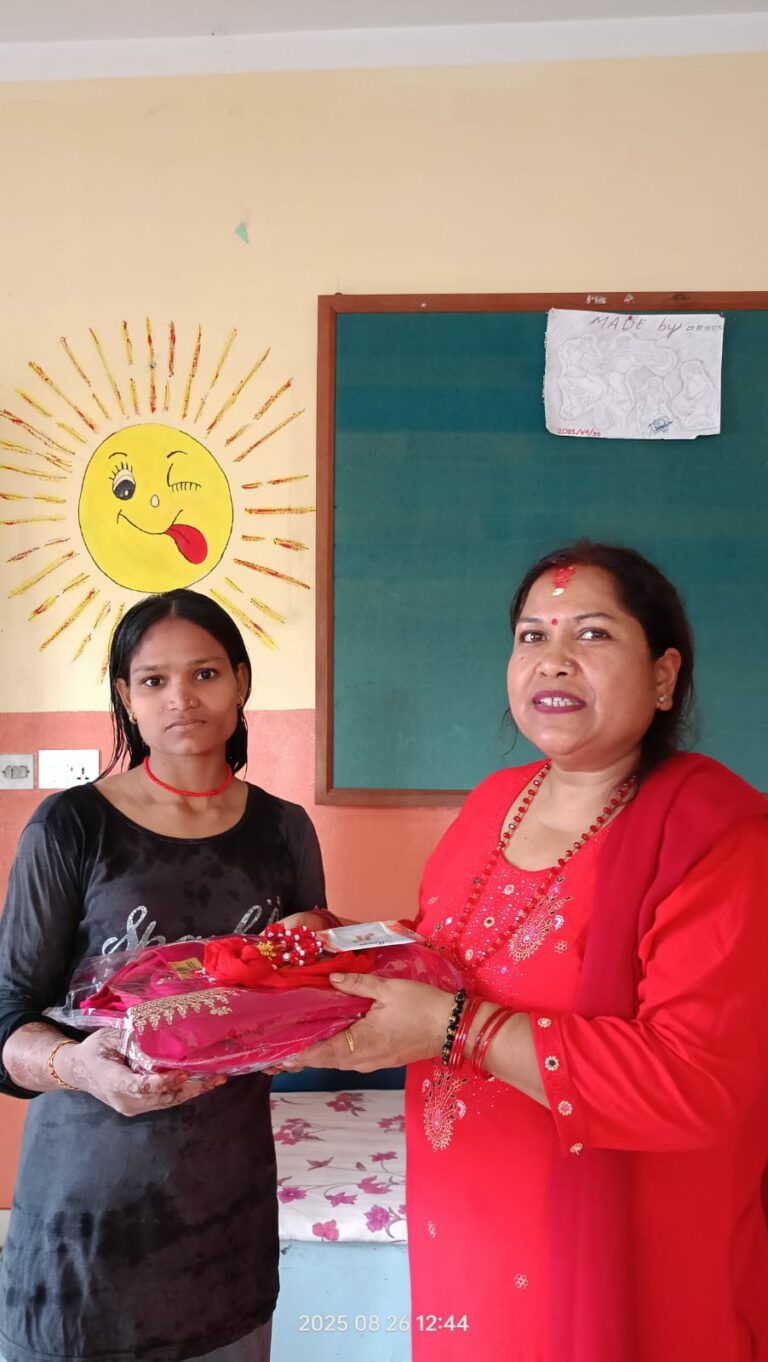
     

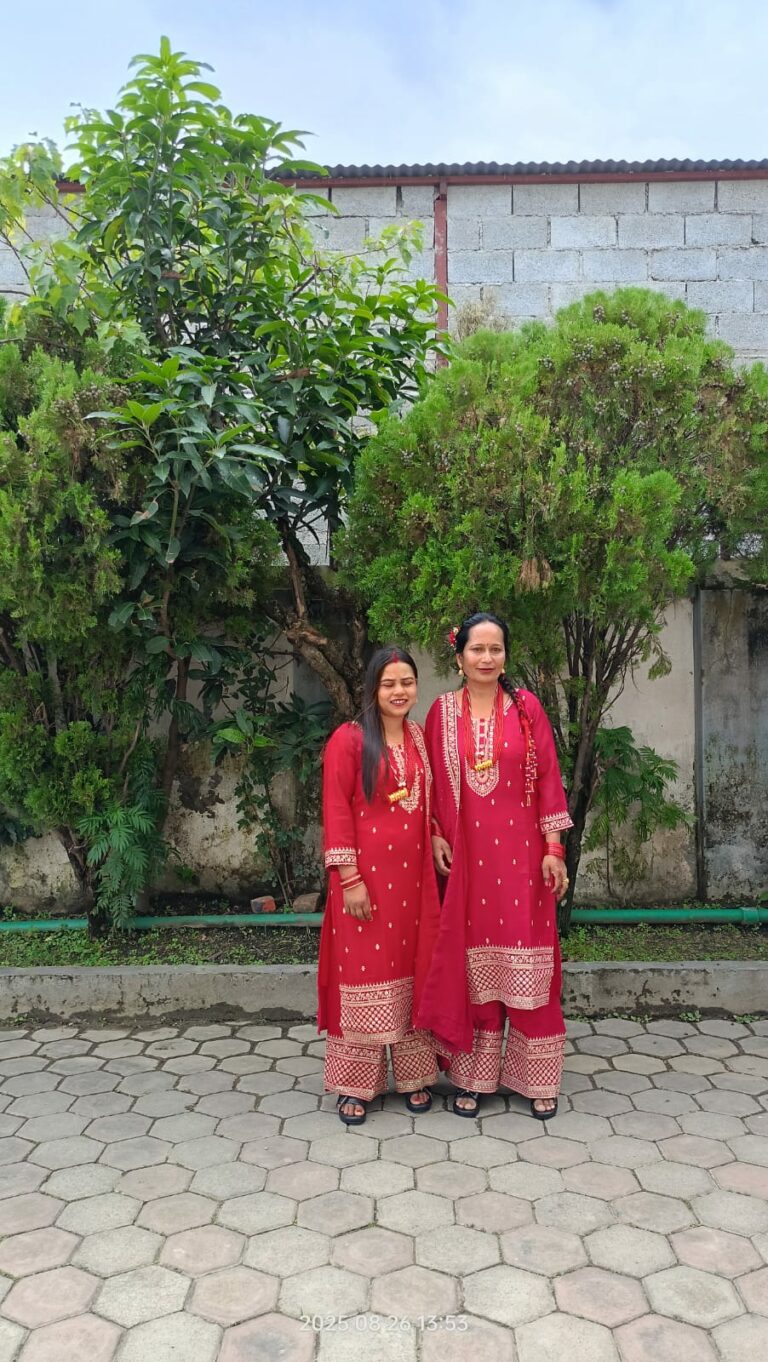
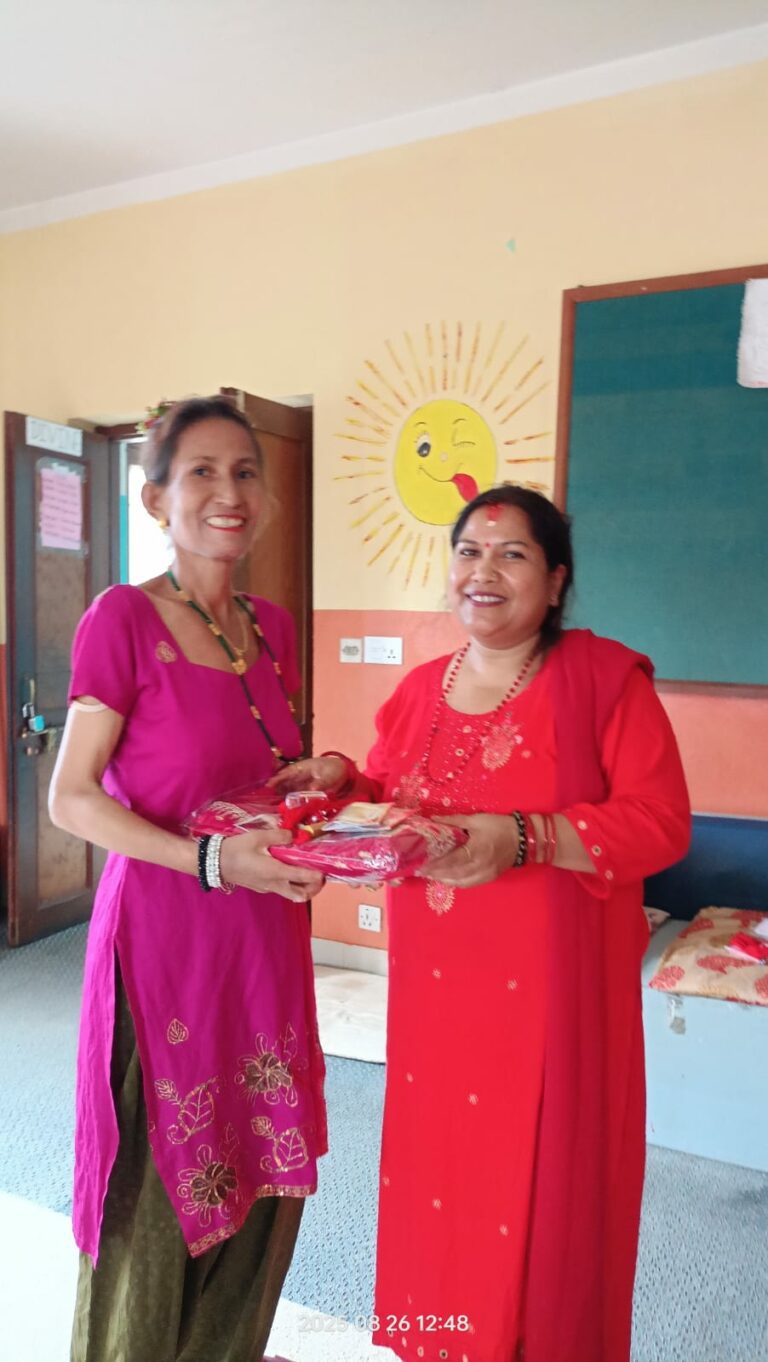
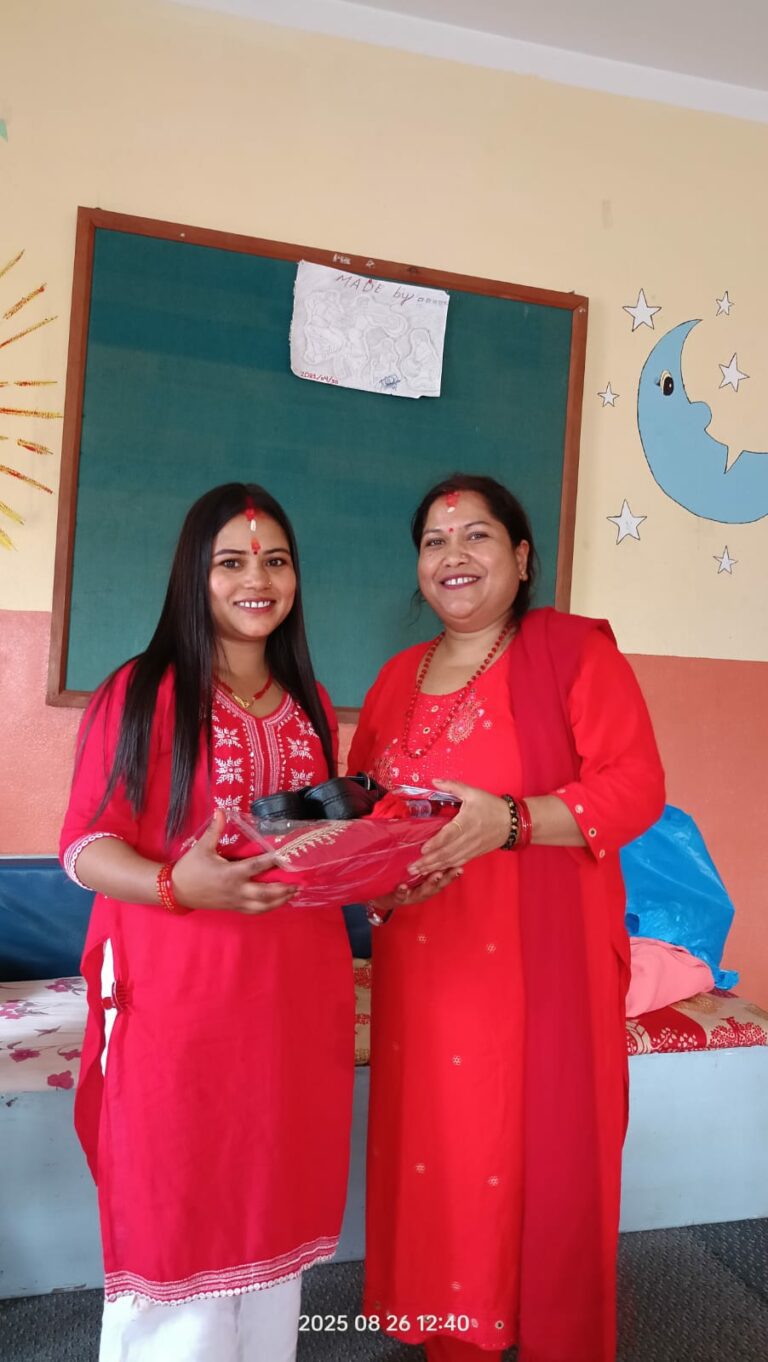
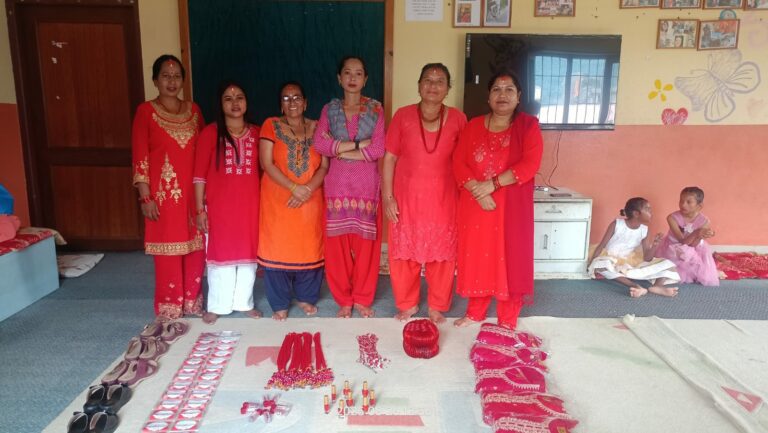
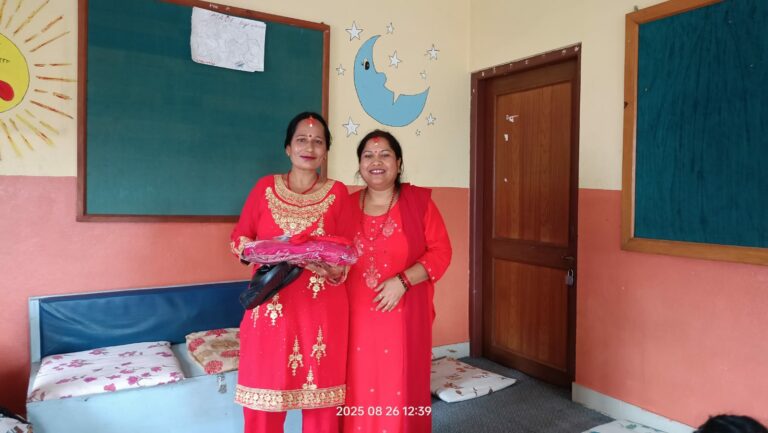
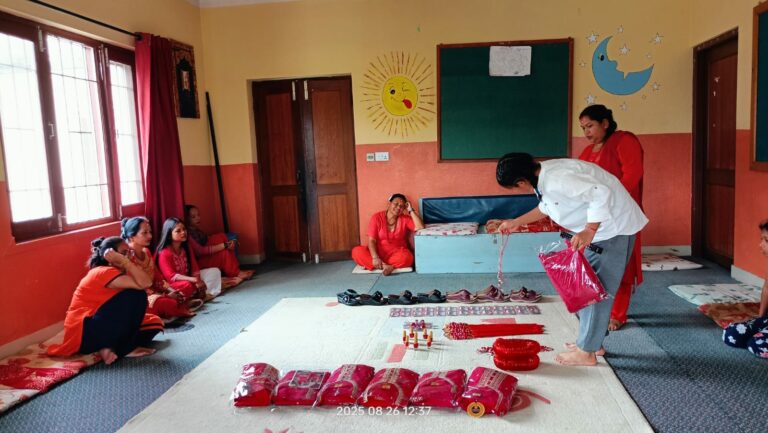
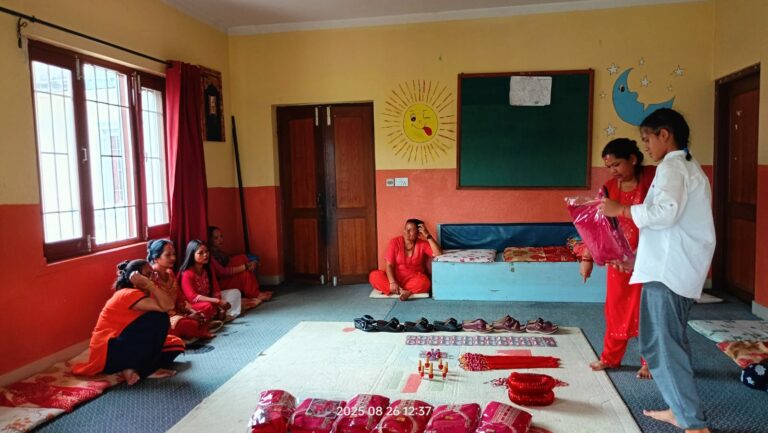
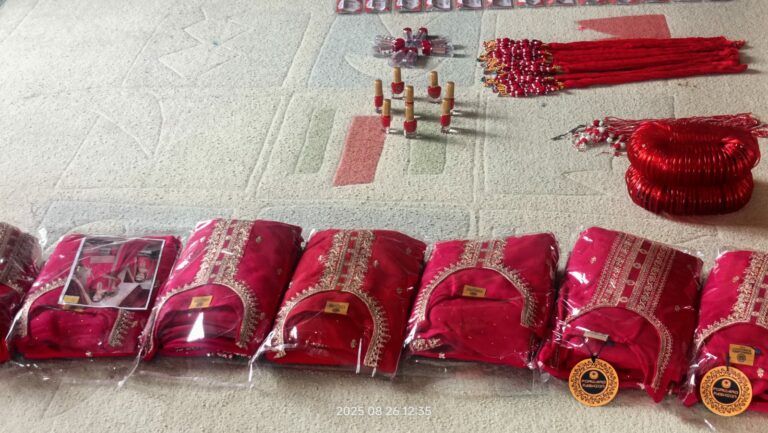
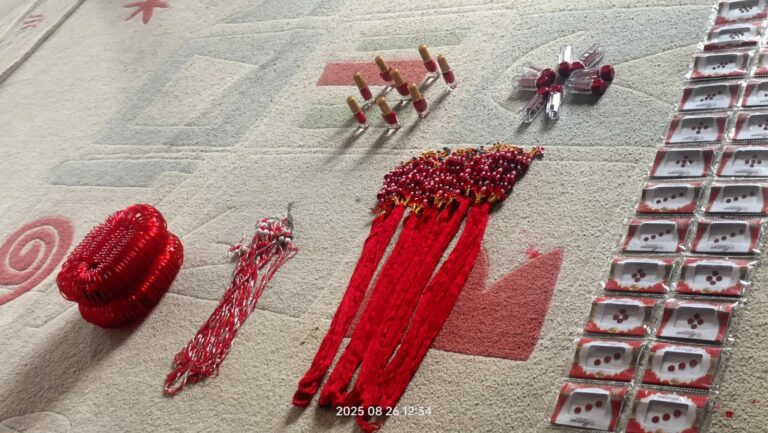
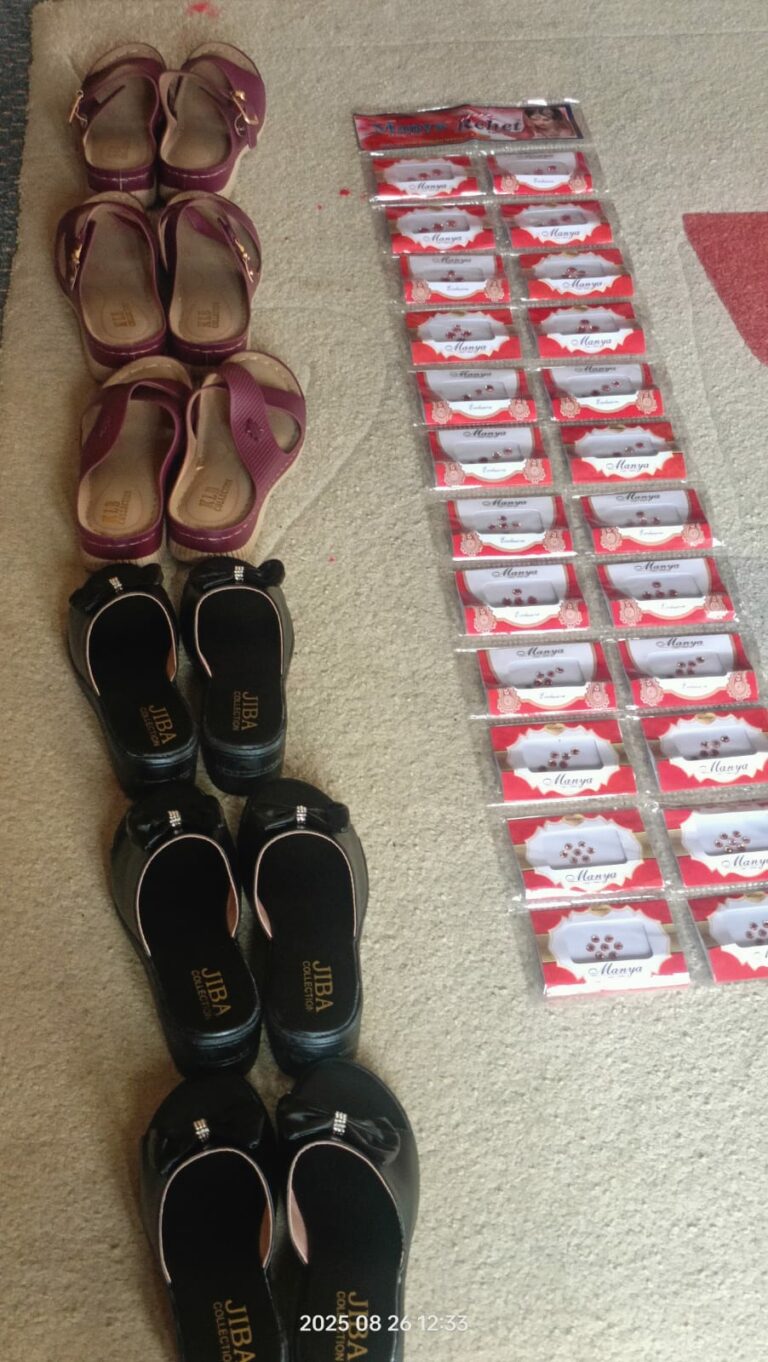
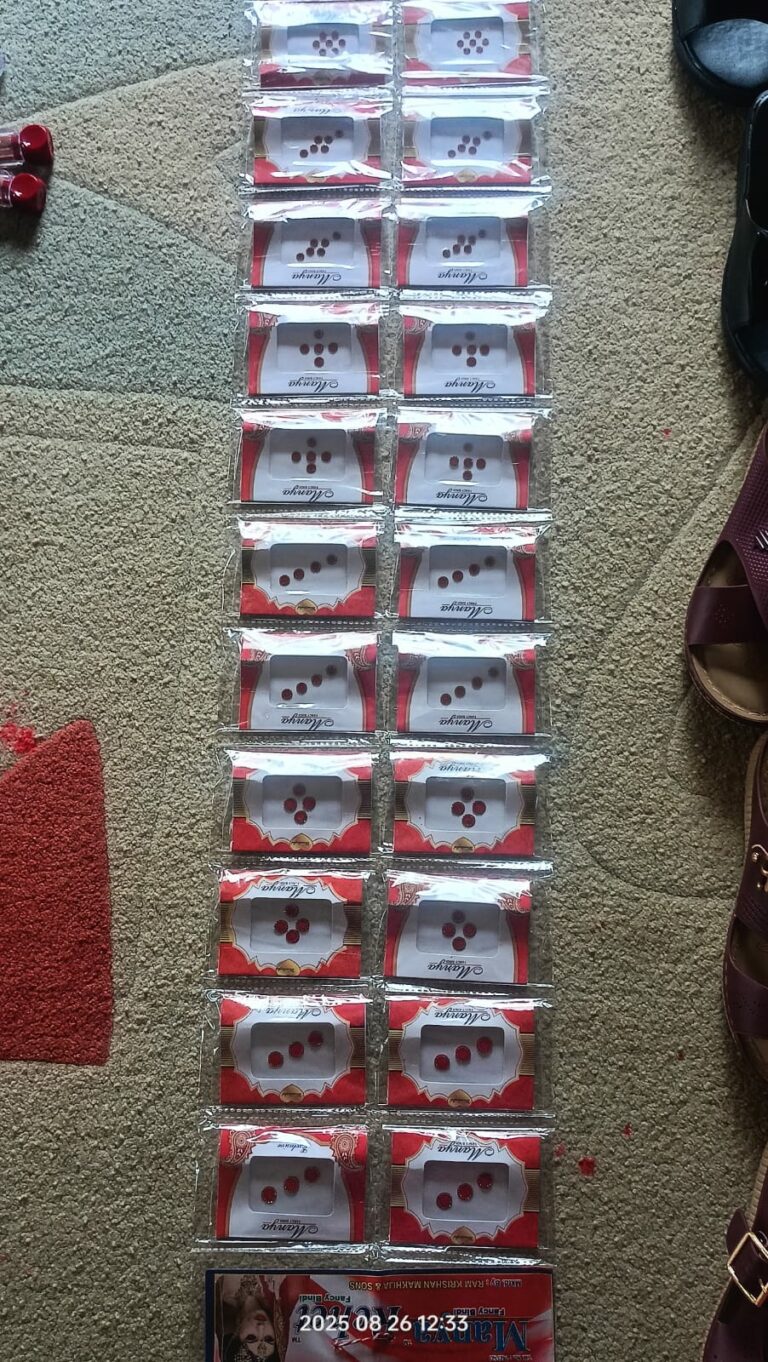
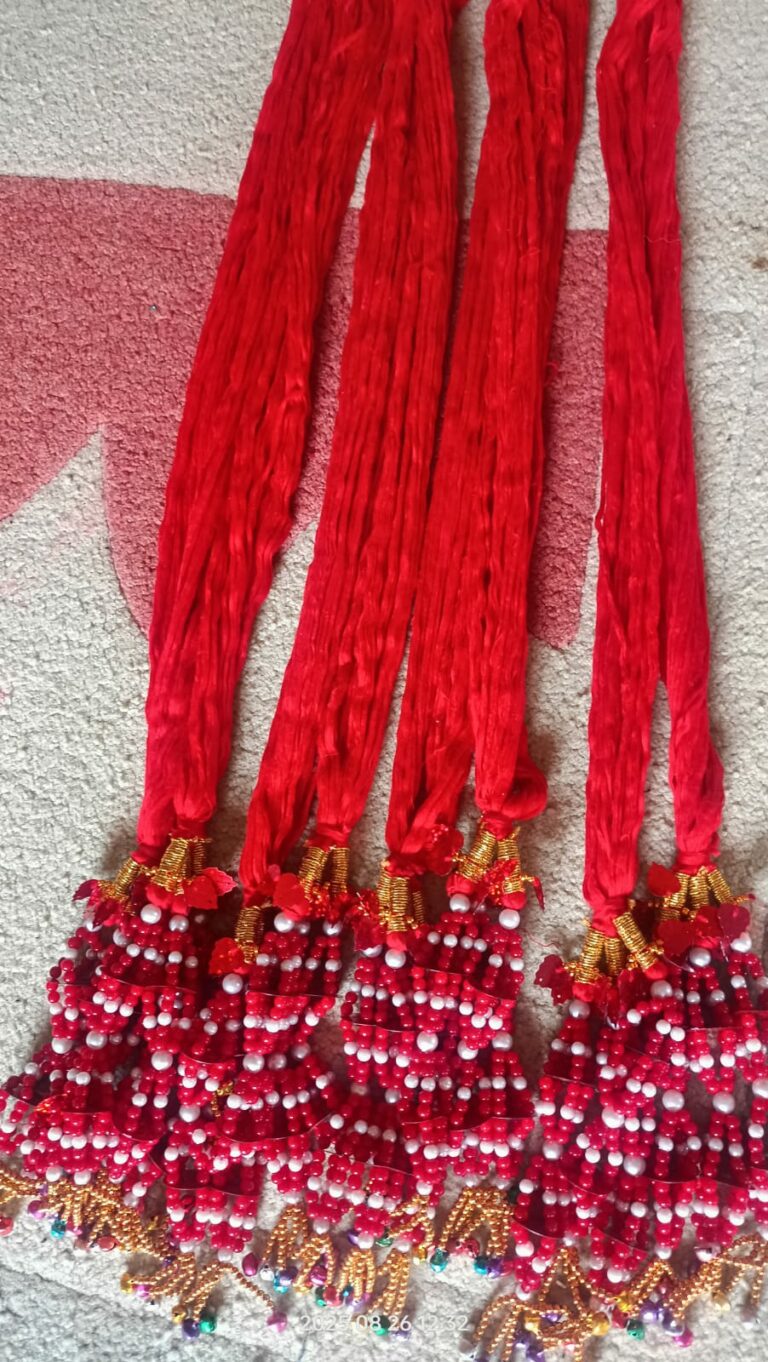
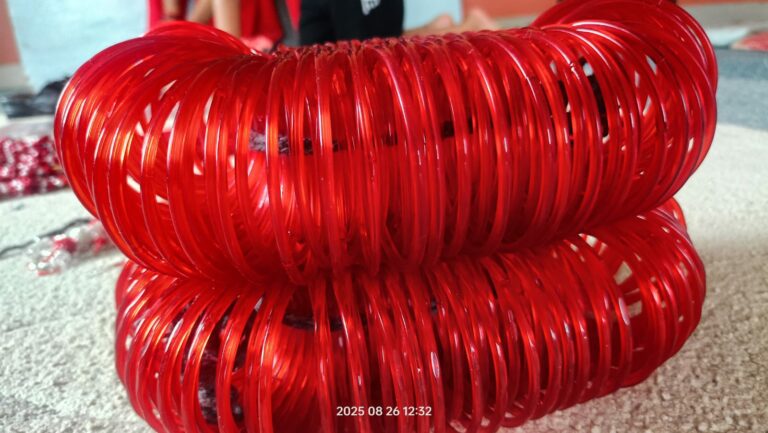
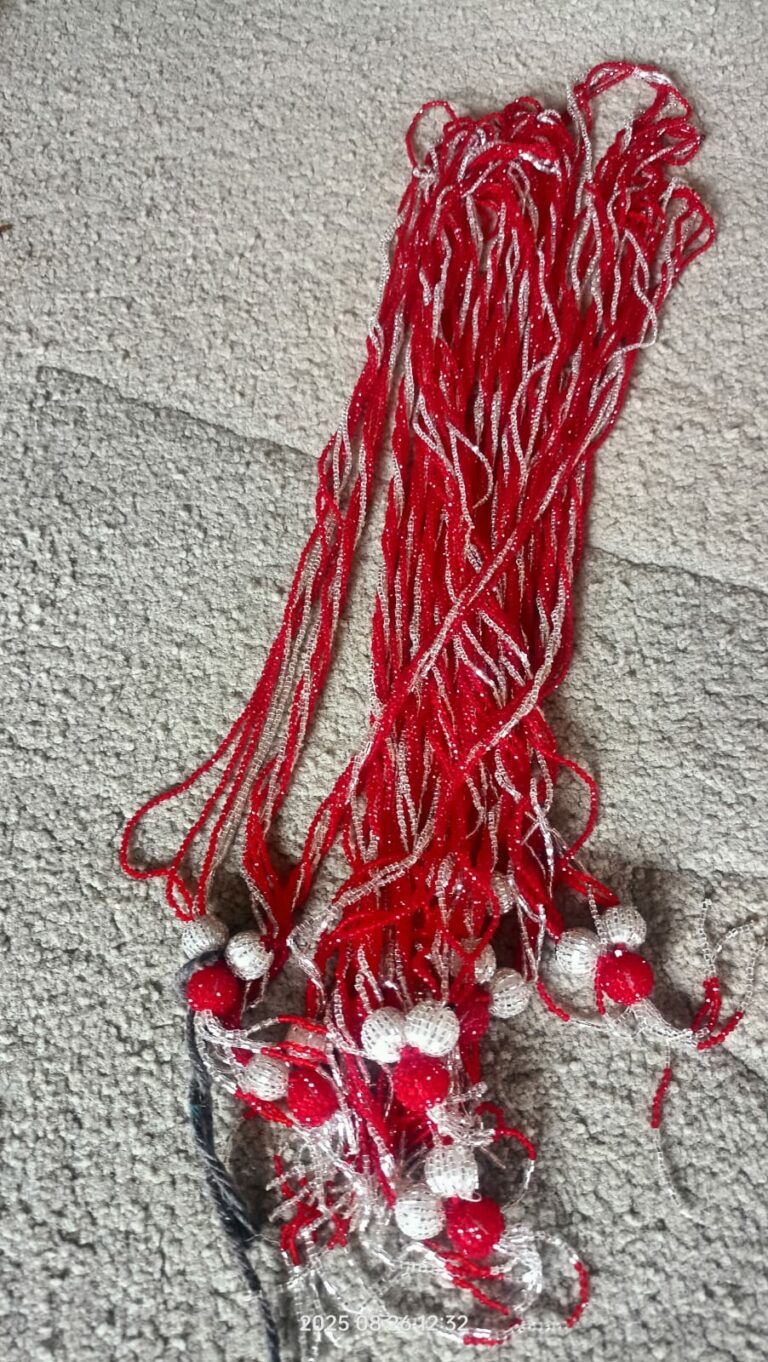
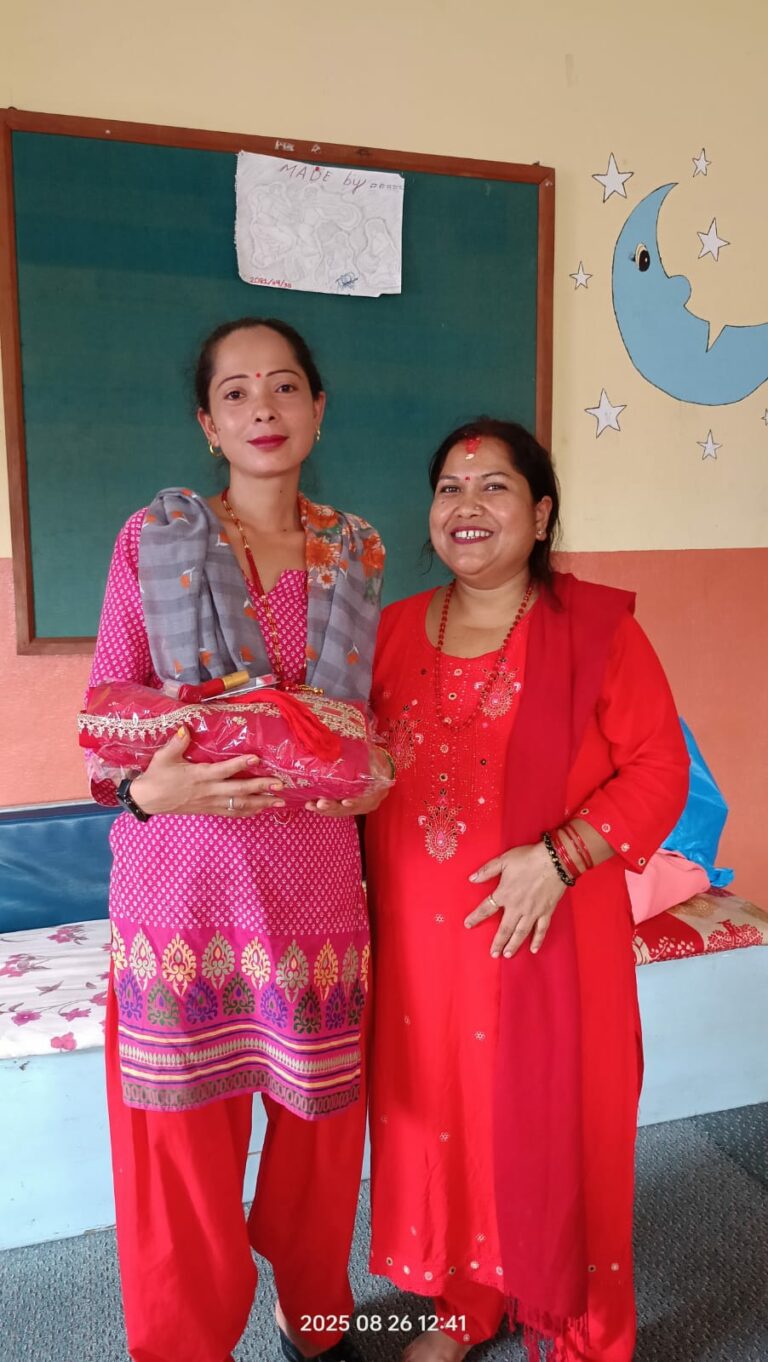
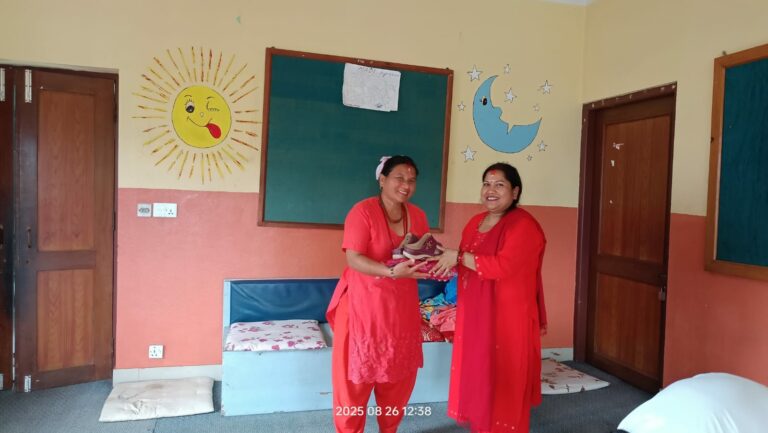
    On the 26th of August, we joyfully celebrated Teej at our Children’s Home together with the staff members and the children. To mark this special occasion, all the staff were gifted traditional red kurthas, chura (bangles), lacha dhago (hair accessories) along with makeup items such as nail polish, lipstick, tika and potey (beaded necklaces), which are considered significant symbols of Teej. The staff wore these traditional outfits and observed fasting as part of the ritual. Some of the children also participated in the fast, showing great enthusiasm and respect for the cultural practice. Throughout the day, the children learned about the importance of Teej, its religious significance, and the traditions that have been passed down through generations. The celebration was filled with joy, unity, and cultural pride, giving the children not only an opportunity to observe rituals but also to experience the deeper meaning of togetherness and devotion that Teej represents. It became a memorable event where both staff and children connected through shared traditions, songs, and festive spirit.


    In conclusion, the Teej celebration at the children’s home was not only a festive occasion but also a meaningful cultural experience for both the staff and children. It strengthened the bond among everyone, highlighted the importance of preserving traditions, and provided the children with valuable exposure to their cultural heritage. The event was a reminder of the joy that comes from unity, respect for customs, and shared celebrations, leaving behind cherished memories for all.

  • Children’s Home Celebrates Shrawan 15 Kheer Khani Din

    Children’s Home Celebrates Shrawan 15 Kheer Khani Din

    31st July 2025

    Shrawan 15, also known as Kheer Khane Din, is a traditional day celebrated in Nepal with the special preparation and sharing of kheer a sweet rice pudding made with milk, rice, sugar, and ghee. Observed on the 15th day of the Nepali month of Shrawan (around late July or early August), this day marks the mid-point of the holy month of Shrawan, which is considered auspicious, especially for religious activities and fasting. Families prepare kheer as an offering to deities and also as a way to bond over a special meal. It symbolizes purity, prosperity, and cultural unity. People often share kheer with neighbors, friends, and community members, promoting togetherness and goodwill. In many schools, homes, and institutions, the day is celebrated with simple gatherings where everyone enjoys a bowl of warm, delicious kheer.

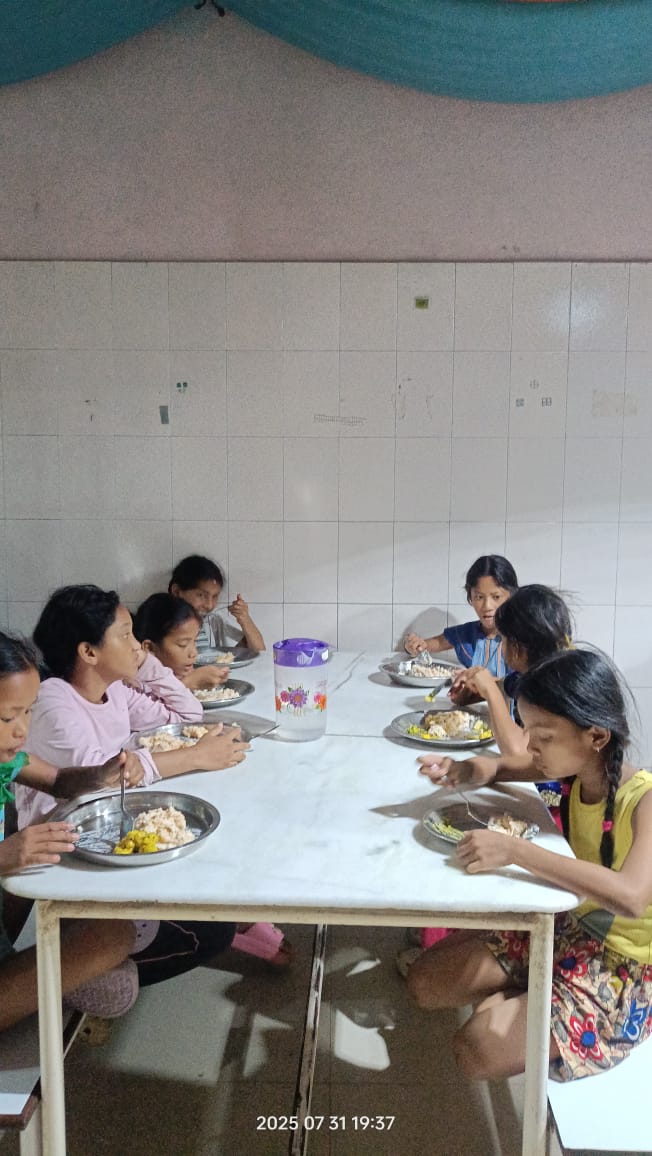
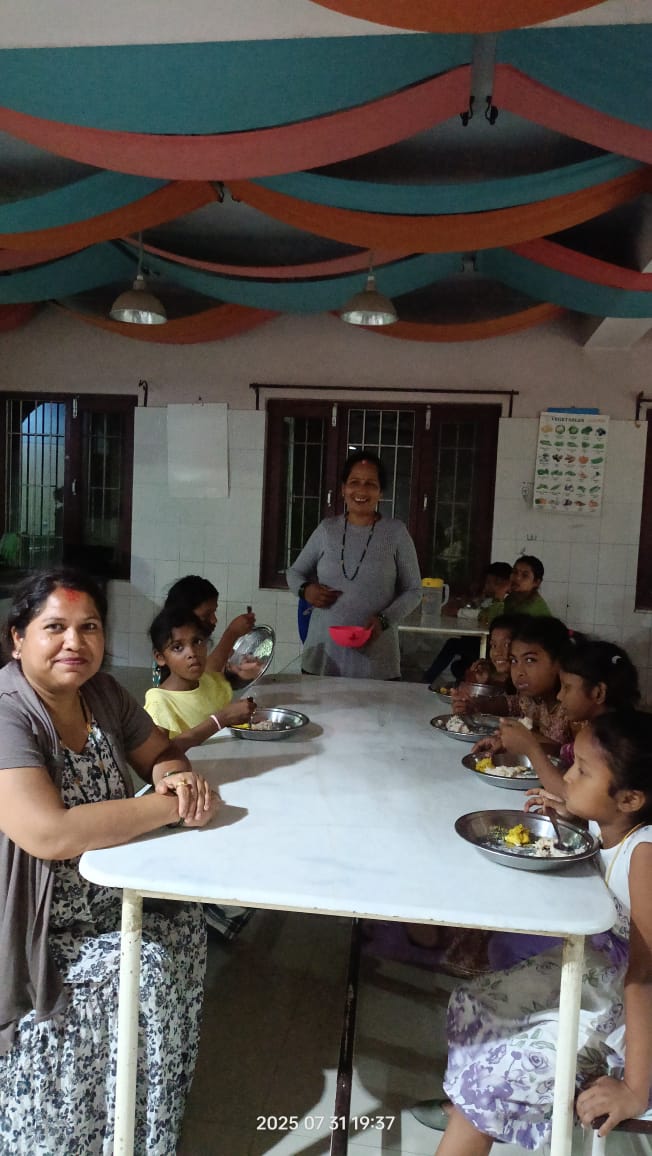
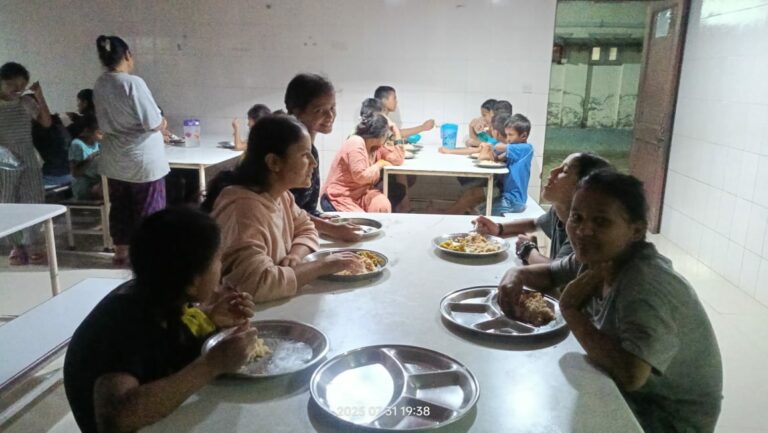
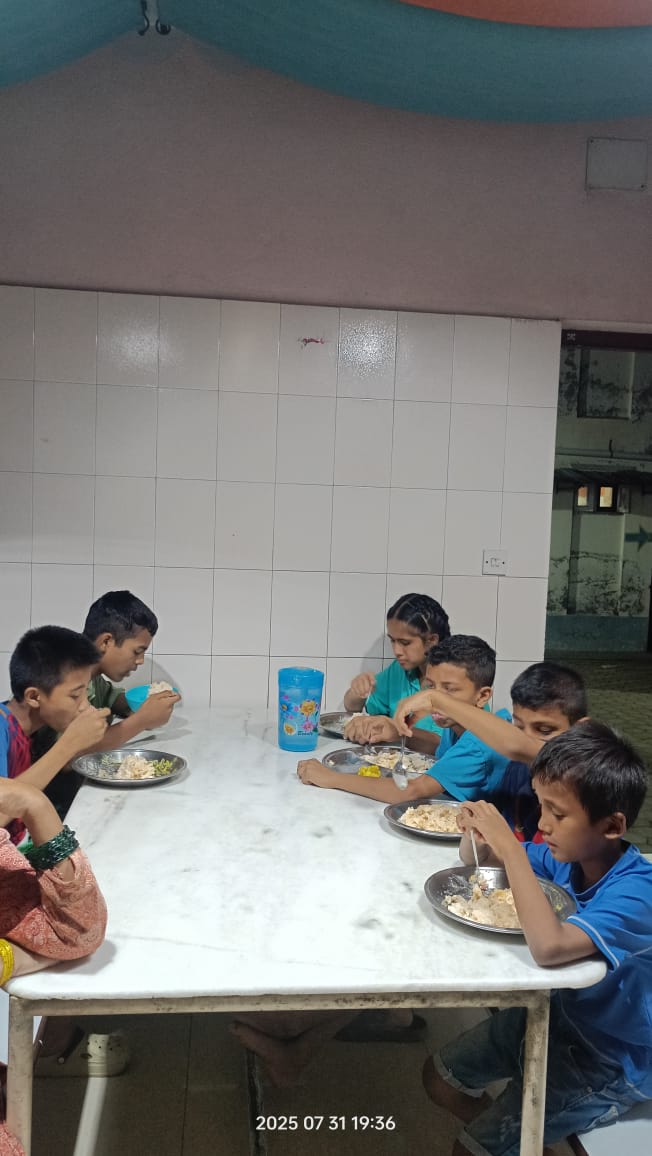
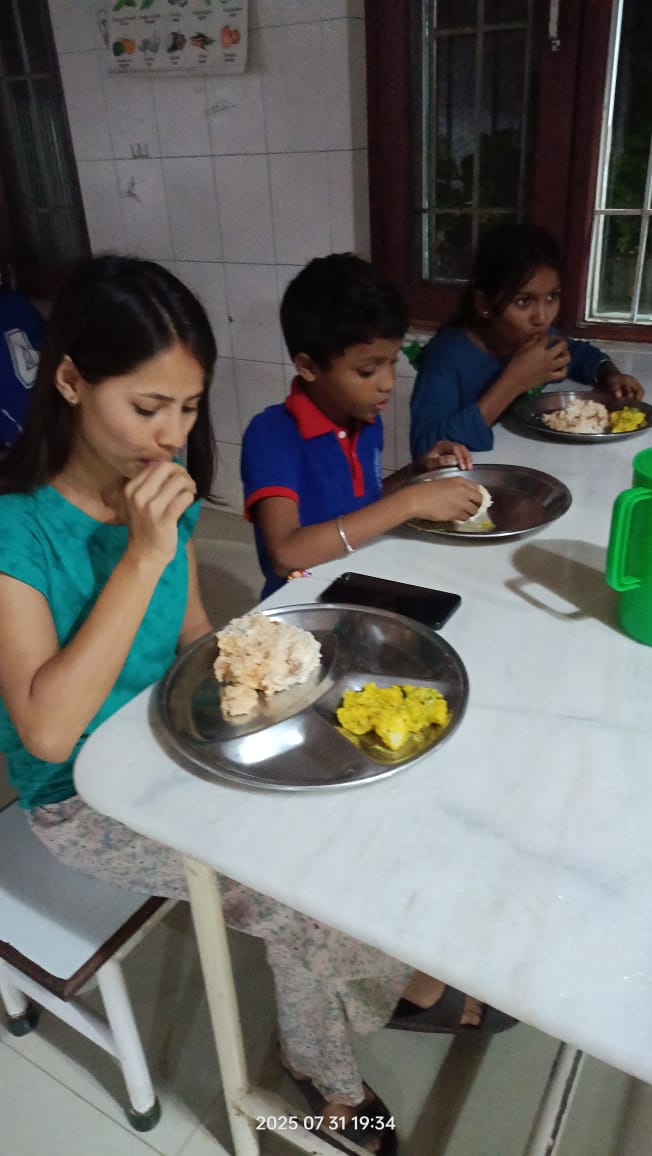
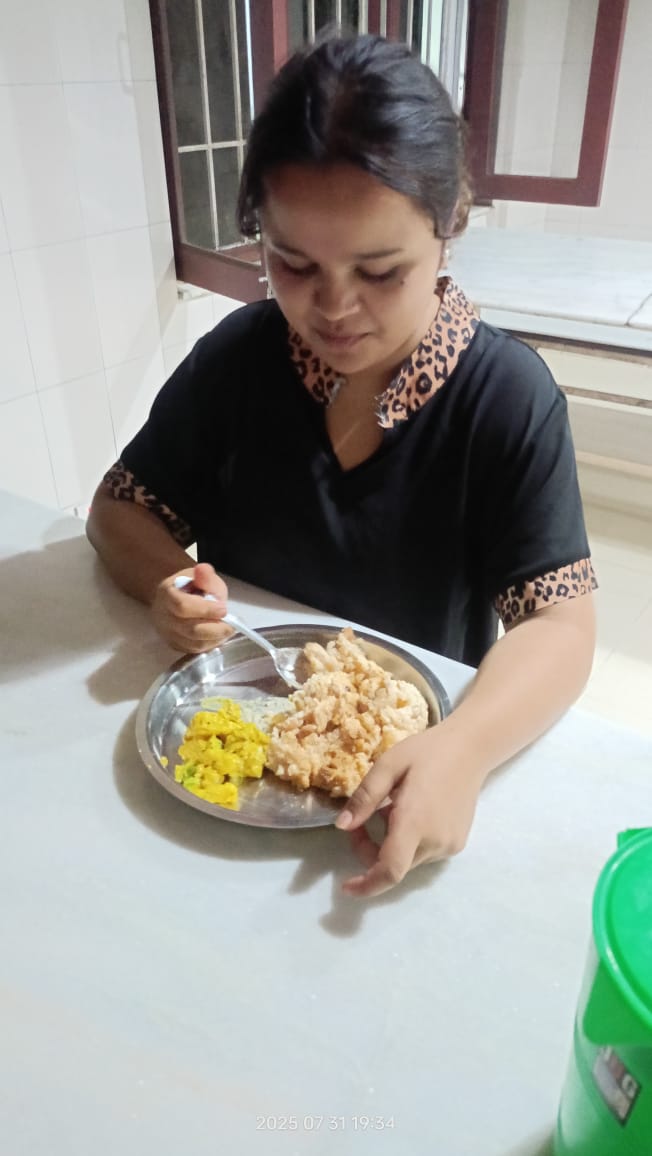
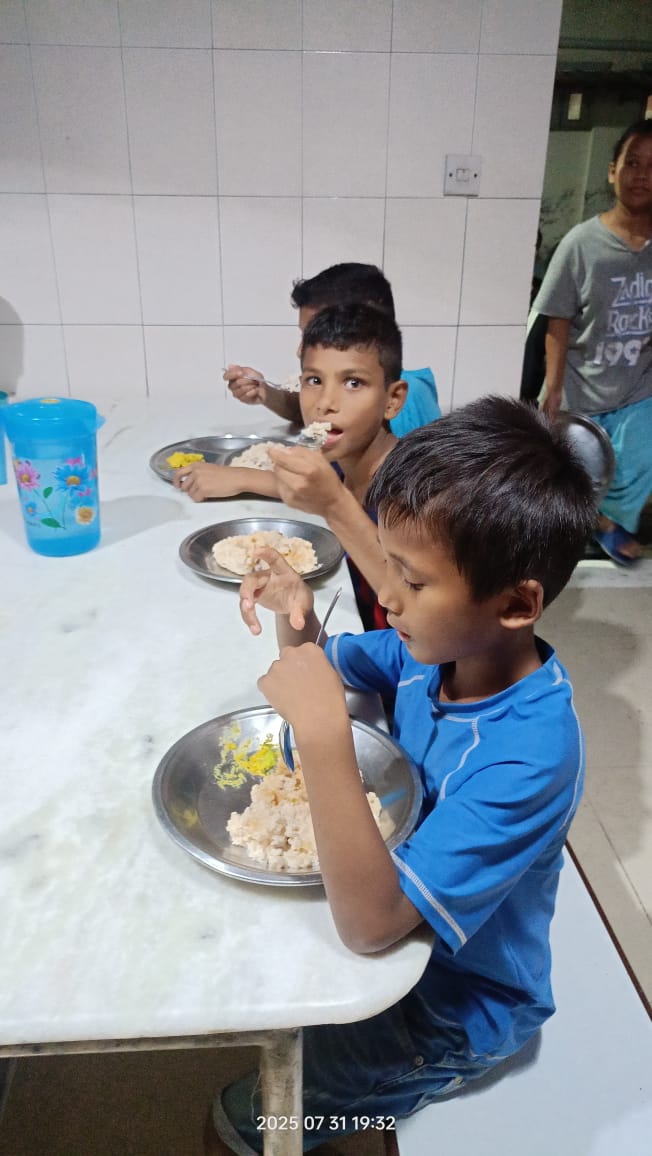
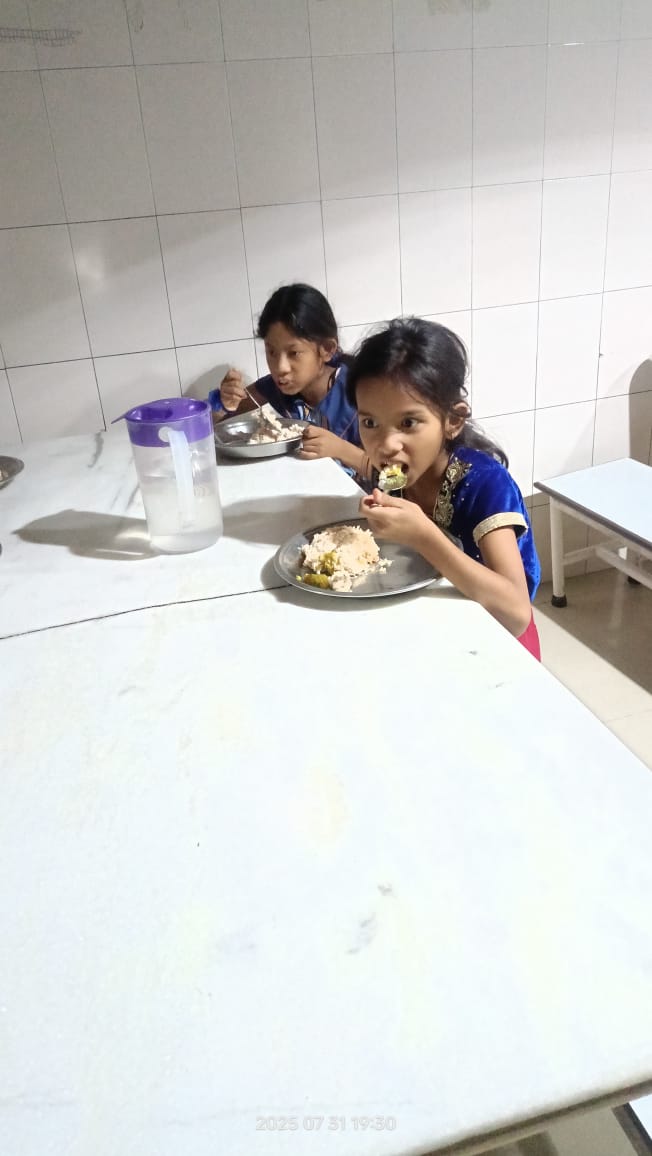
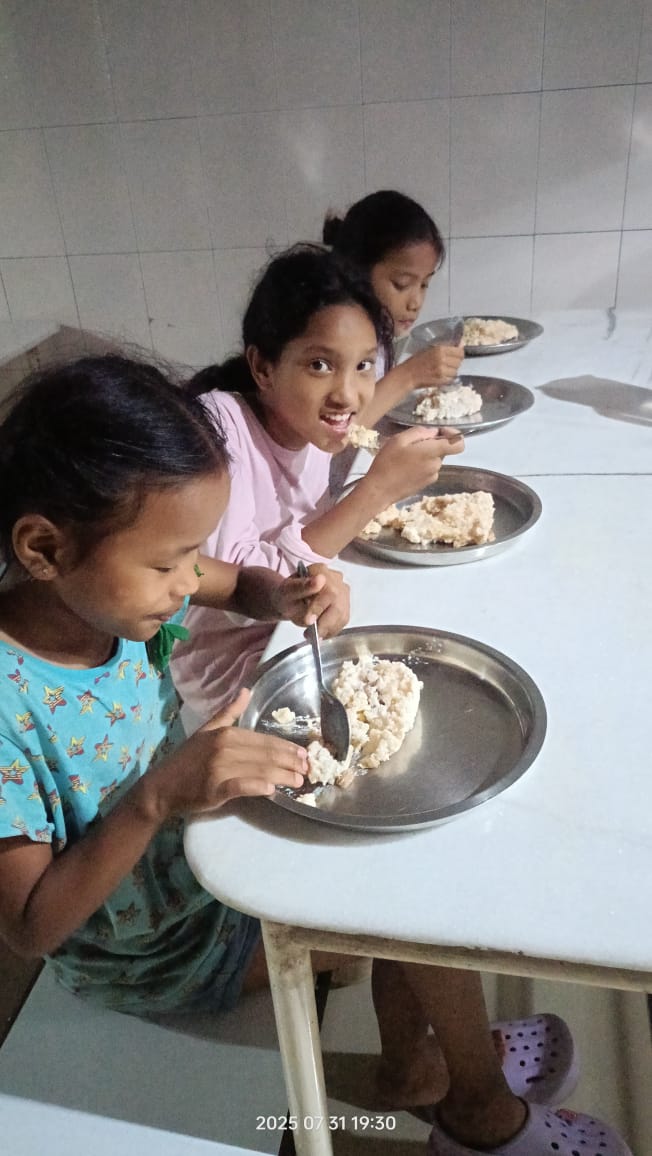
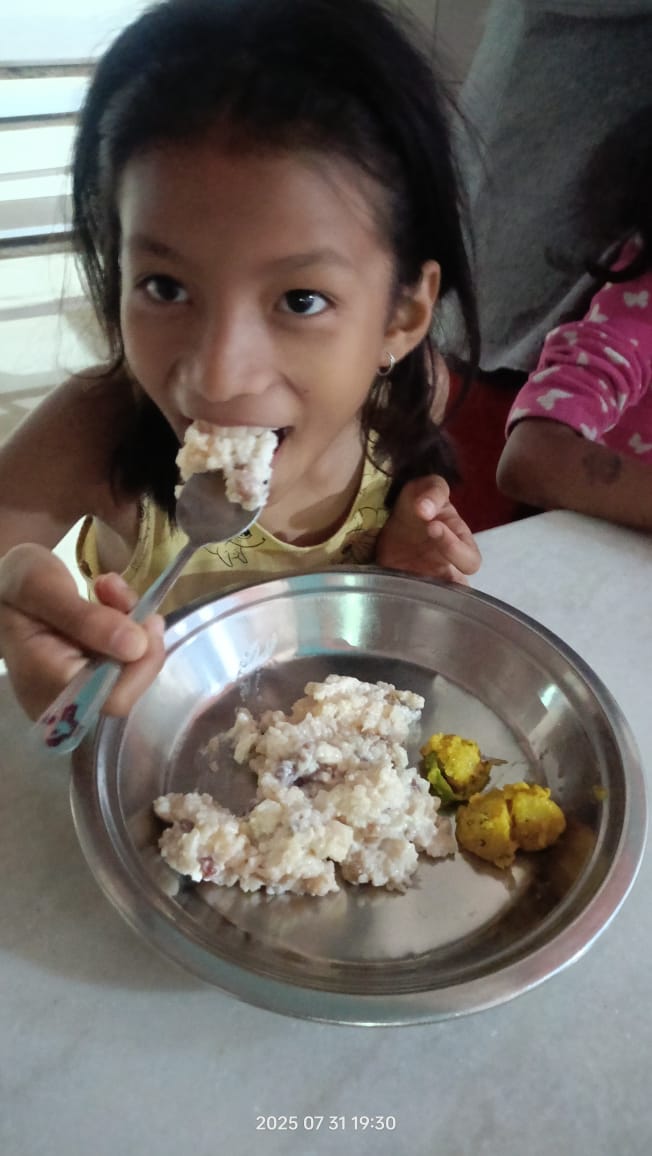
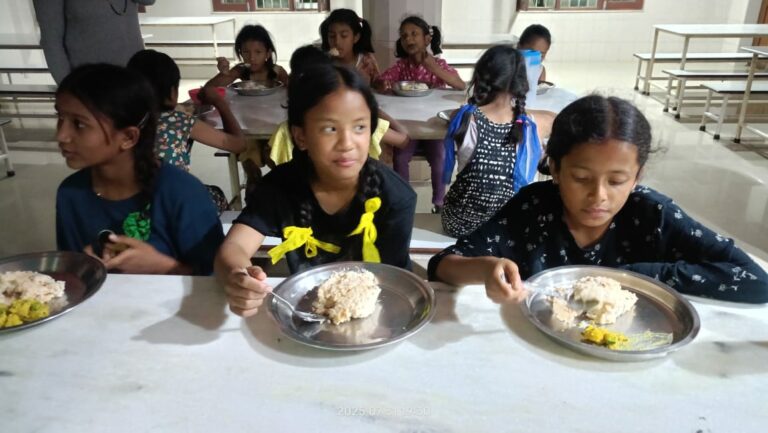
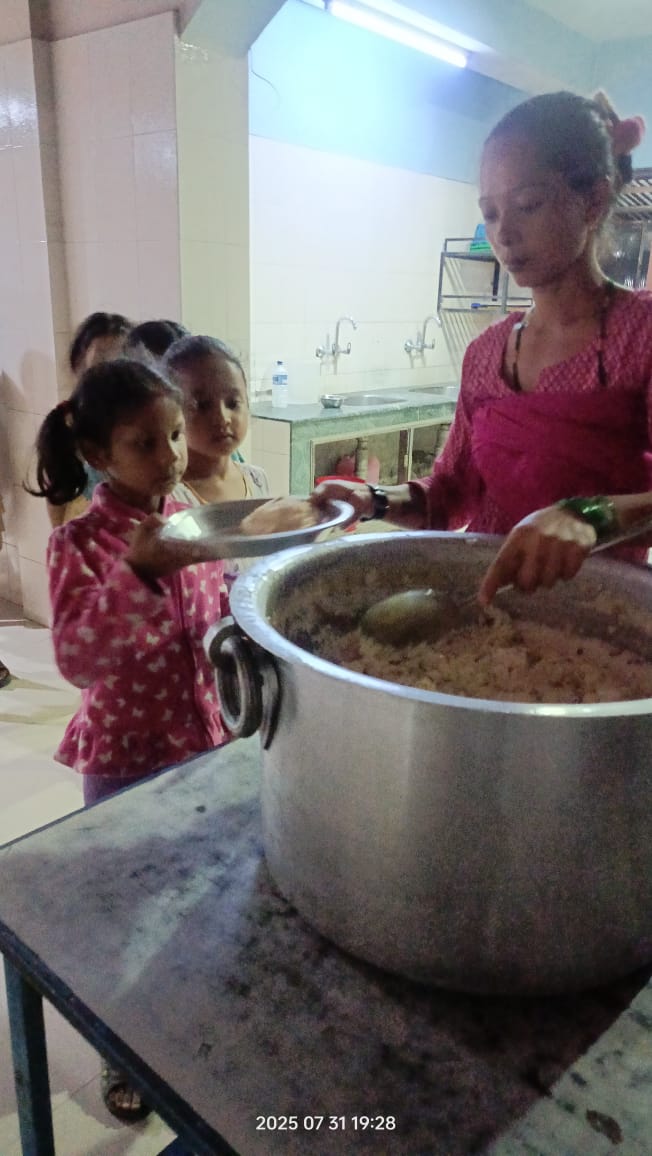
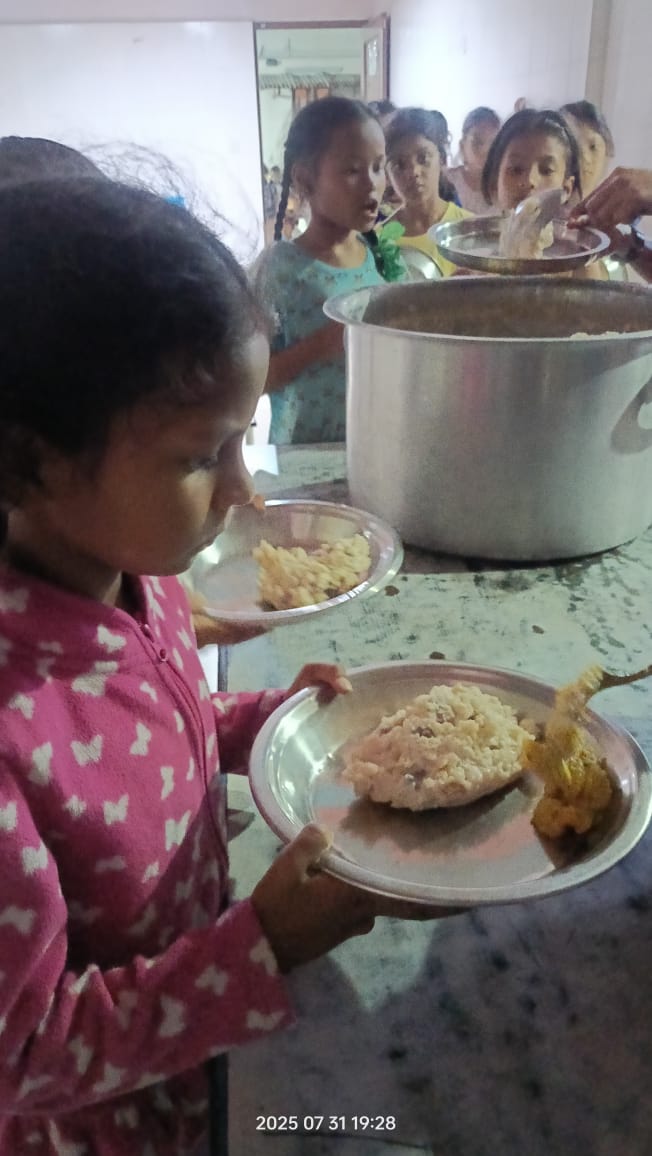
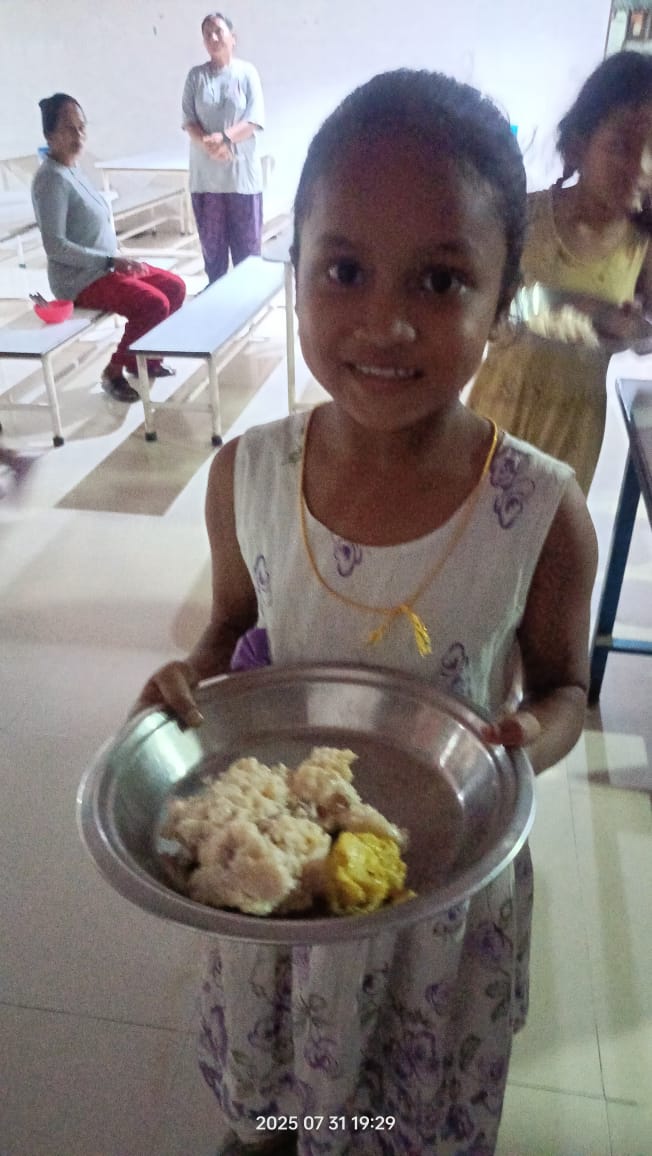
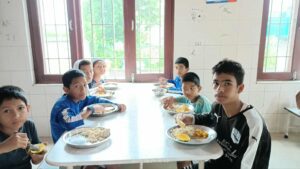
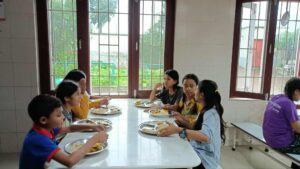
    On the evening of Shrawan 15 (July 31, 2025), the Children’s Home joyfully celebrated Kheer Khane Din, a traditional day in Nepali culture that brings people together through the sharing of kheer (rice pudding). The atmosphere was warm and cheerful, with everyone gathered around the dining tables to enjoy a special meal.A warm and delicious bowl of kheer was specially prepared and served to everyone. The children enjoyed the treat with great joy and enthusiasm. This simple celebration not only allowed them to experience a meaningful Nepali tradition but also encouraged a sense of togetherness, cultural pride, and happiness within the home.

    The photos capture heartfelt moments of the children and staff enjoying the delicious kheer along with other traditional dishes. Smiles, laughter, and meaningful conversations filled the dining space. The children were visibly excited, and the staff members shared the meal with them like a big family, creating a sense of love, care, and unity.

    The celebration not only allowed the children to enjoy a traditional Nepali meal but also helped them connect with cultural values and the joy of togetherness.

  • A Celebration: Ms. Saru’s Birthday

    A Celebration: Ms. Saru’s Birthday

    Birthdays are celebrated to honour the gift of life and to recognize the importance of each individual. They serve as a special reminder of the day someone was born and the journey they have taken so far. Celebrating a birthday is a way to express love, appreciation, and gratitude toward that person. It creates a moment to reflect on the past year acknowledging achievements, growth, and challenges and to look forward to new goals and experiences. Birthdays also strengthen relationships, as friends, family, or community members come together in joy and unity. Whether simple or grand, such celebrations make people feel valued, seen, and loved. Especially for children, birthday celebrations build confidence, emotional connection, and beautiful memories that last a lifetime.
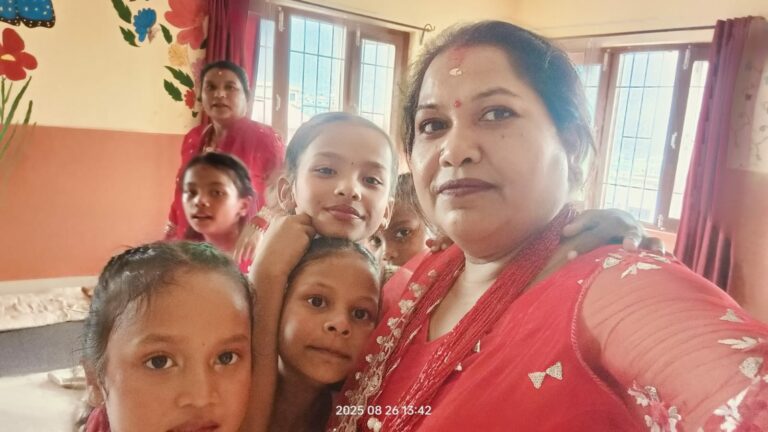
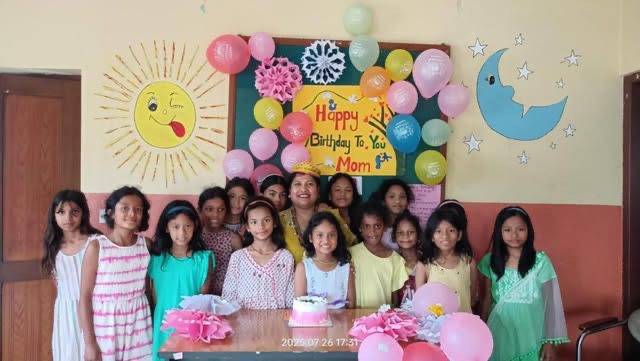
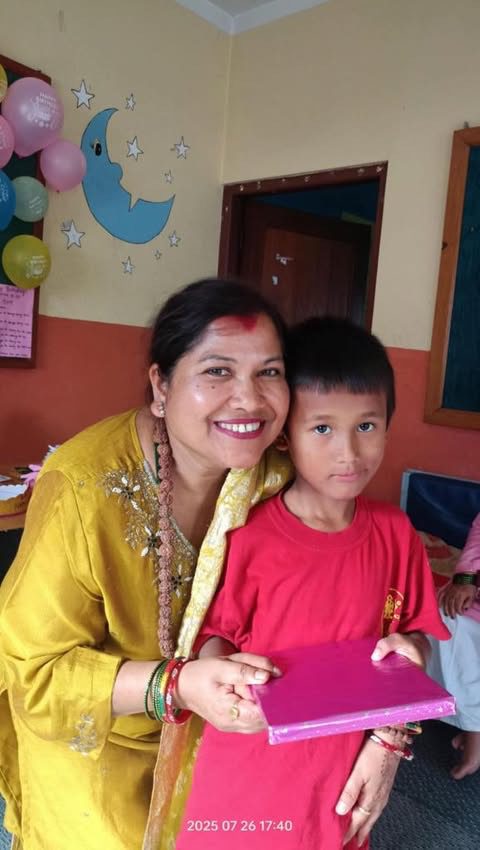
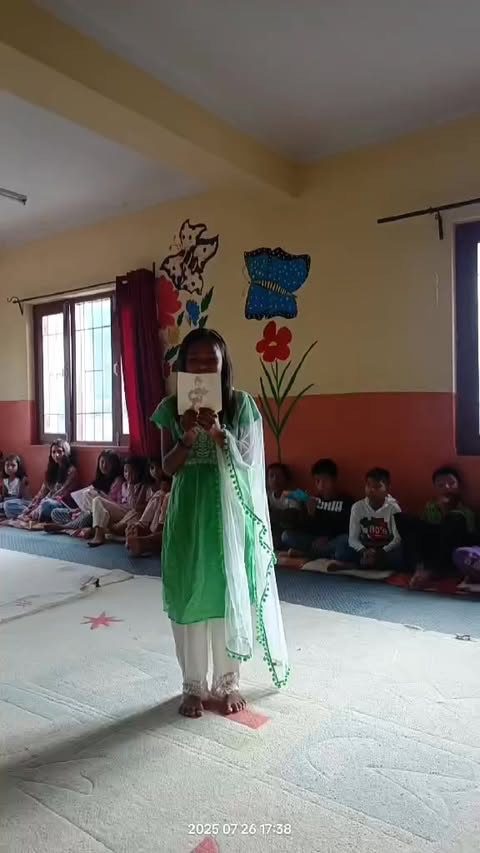
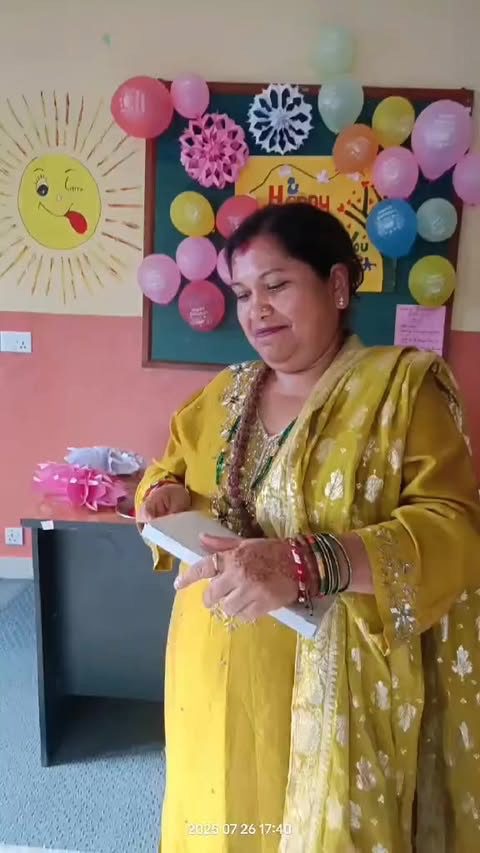
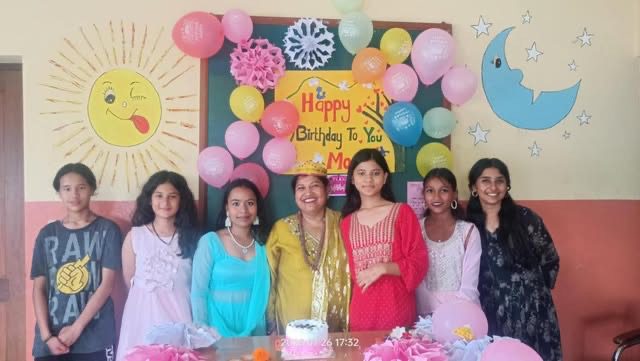
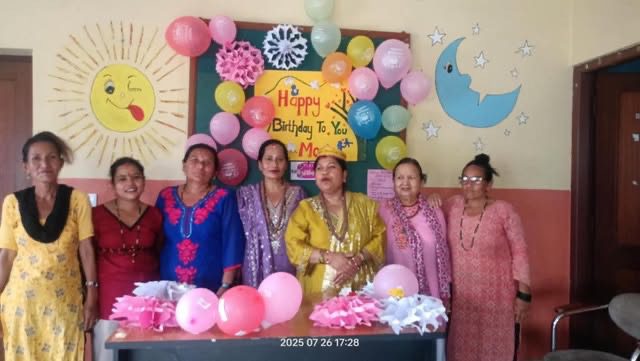
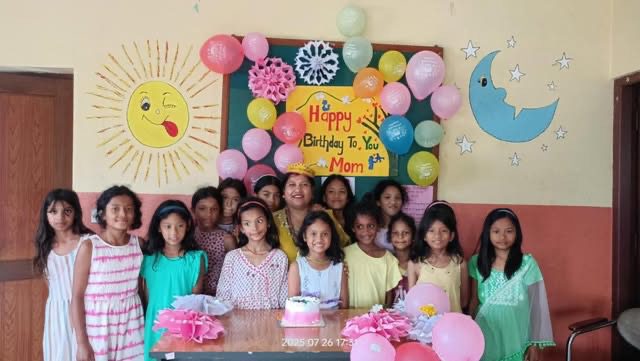
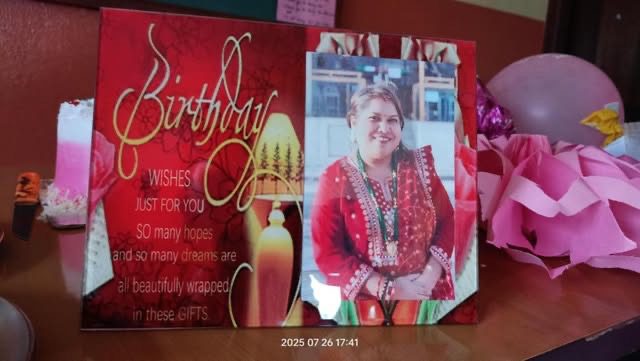
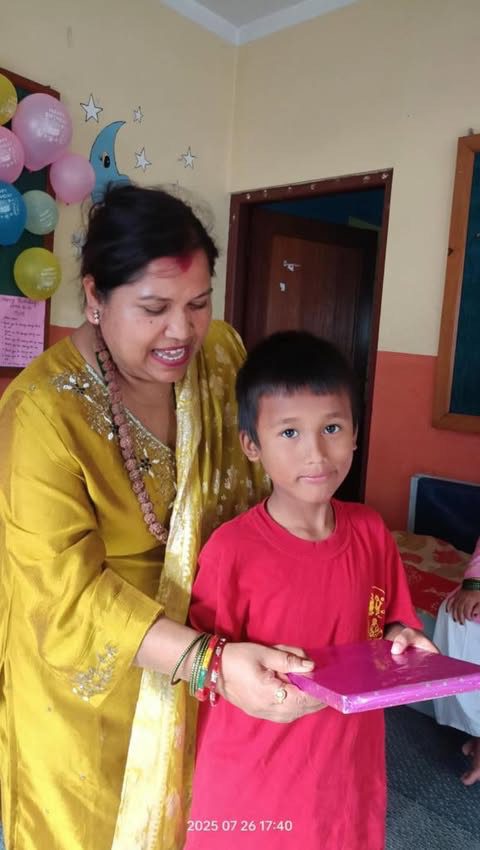
    This year, on July 26th, 2025, the Children’s Home celebrated the birthday of Ms. Saru Lohar, lovingly known as Mom by the children, in a heartwarming and joyful way.

    From early morning, the children were filled with excitement and love. They dressed in their best clothes, prepared handmade greeting cards, and worked together to decorate the room with colorful balloons and flowers. Their enthusiasm and effort made the whole place look festive and full of life.

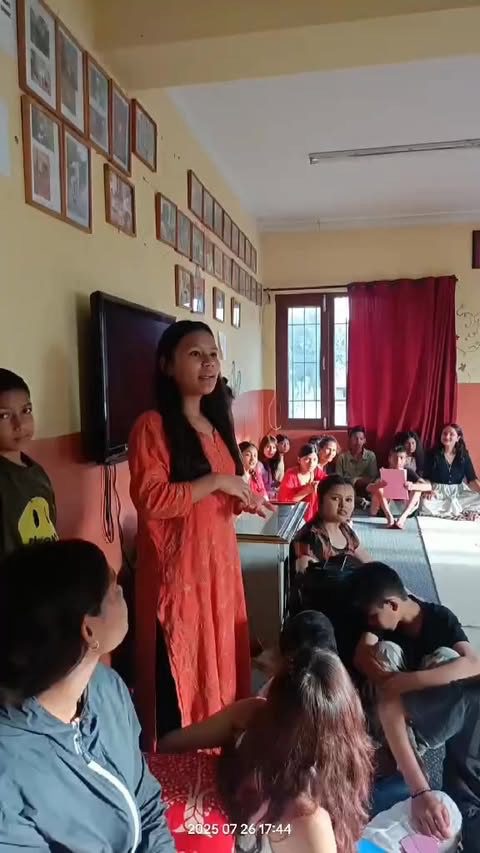
    As part of the celebration, the children prepared and delivered heartfelt speeches in honour of Saru Lohar Ma’am. One by one, they stood confidently in front of everyone and expressed their love, gratitude, and respect for her. Some shared personal memories, while others spoke about how much Ma’am’s guidance and care meant to them. Their words were full of emotion, and it was clear that they spoke from the heart. These speeches not only made the occasion more special, but also reflected the strong bond between Ma’am and the children. Their performances showed confidence, creativity, and deep appreciation making it one of the most touching parts of the event.

    Saru Ma’am gave a beautiful speech where she expressed that she values words and heartfelt messages more than material gifts. She thanked all the children for their love and efforts, and wished them well for their future, especially in education and good behavior.

    The most exciting part was the cake cutting. The children were filled with excitement and joy as the moment to cut the birthday cake finally arrived. Their eyes sparkled with anticipation, and they gathered eagerly around Saru Ma’am, clapping and cheering. For many of them, this was the most awaited part of the celebration a moment of pure happiness, laughter, and shared sweetness. The joy on their faces as they received their slices of cake made it clear that this simple gesture brought them immense delight and unforgettable memories.

  • Ranjit’s Visit to the Children’s Home

    Ranjit’s Visit to the Children’s Home

    July 2025

    On July 23rd, the Children’s Home had the pleasure of welcoming back Ranjit, a former resident who had spent his formative years at the home. The anticipation among the children was palpable as they eagerly awaited his arrival, knowing that his visit would bring joy and inspiration. Ranjit returned to the place he once called home, bringing with him not only fond memories but also a heartfelt connection that touched everyone present.
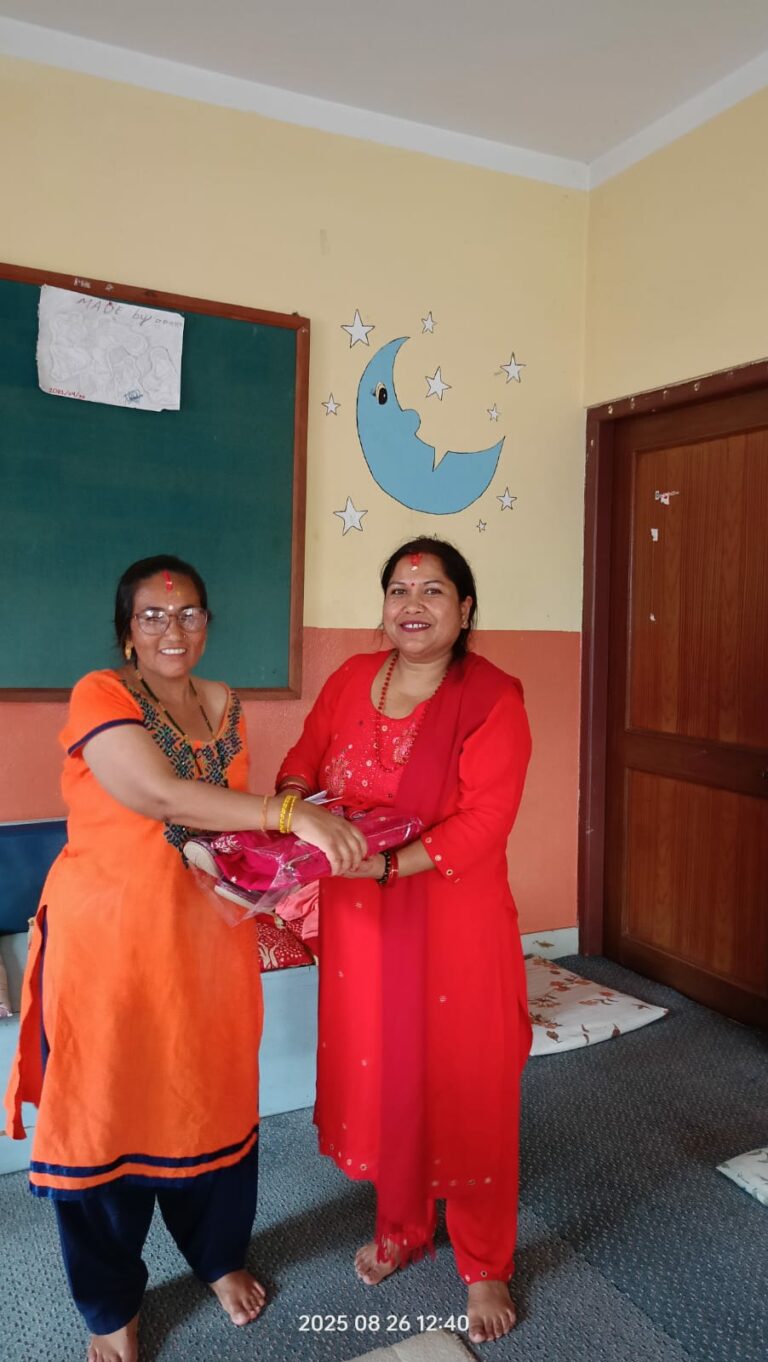
    Ranjit’s return was met with warmth, smiles, and deep emotions from caregivers and staff who had known him as a child. Accompanied by his adoptive family, he took time to walk through the premises, engage with the current children, and reconnect with those who had cared for him. His presence filled the space with gratitude, reflection, and renewed bonds. The visit included a friendly gathering where Ranjit and his family sat with caregivers, sharing stories and enjoying tea. A small welcome program was organized indoors, where staff and children interacted joyfully, and laughter echoed through the rooms.

    The day concluded with warm conversations, group photos, and promises to stay connected. For both Ranjit and the Children’s Home, this reunion was a celebration of growth, belonging, and the beautiful impact of lifelong ties. A heartfelt thank you to Ranjit and his family for making the visit so meaningful and memorable. It was truly a day to cherish one that reinforced the importance of family, compassion, and the deep-rooted bonds that time can never erase.
  • Children’s Home Celebrates Shrawan A Month Of Devotion And Rituals

    Children’s Home Celebrates Shrawan A Month Of Devotion And Rituals

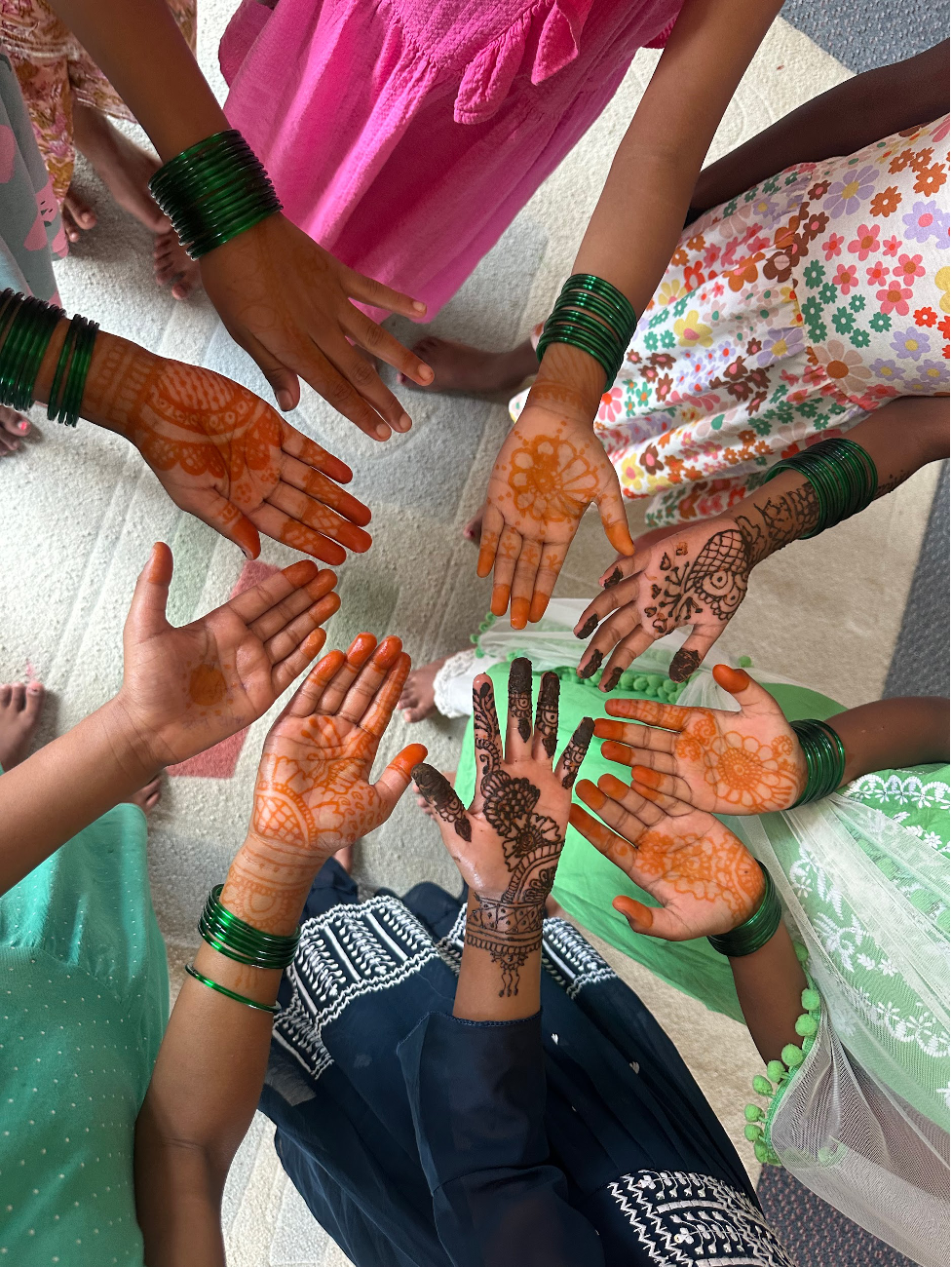
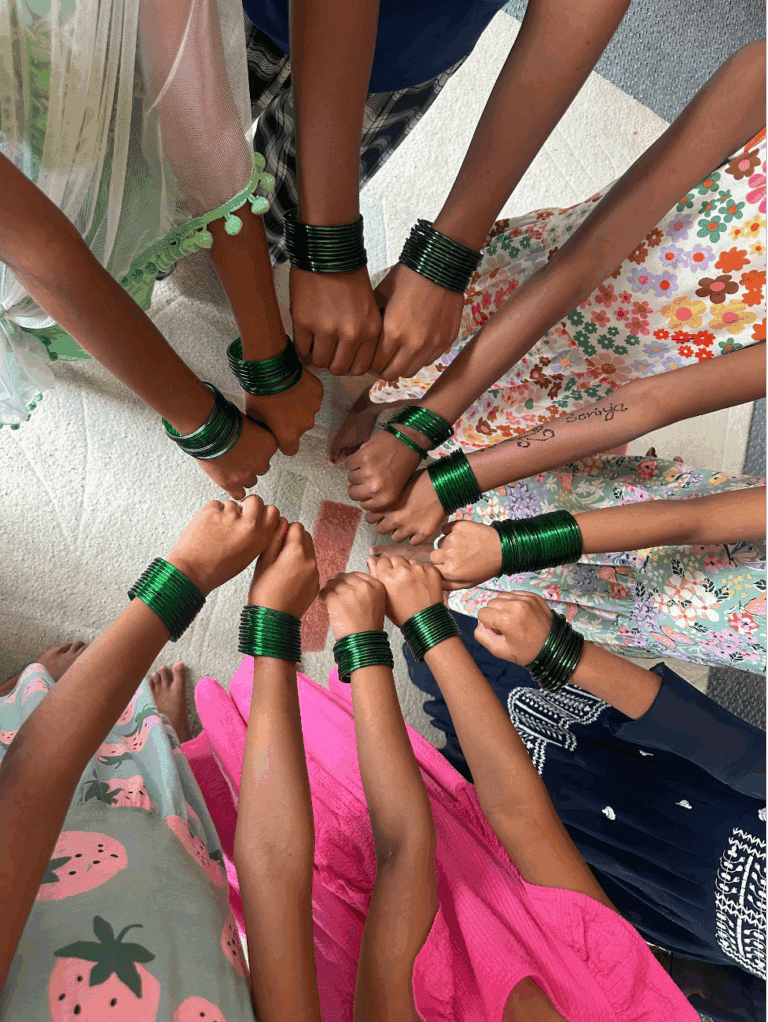
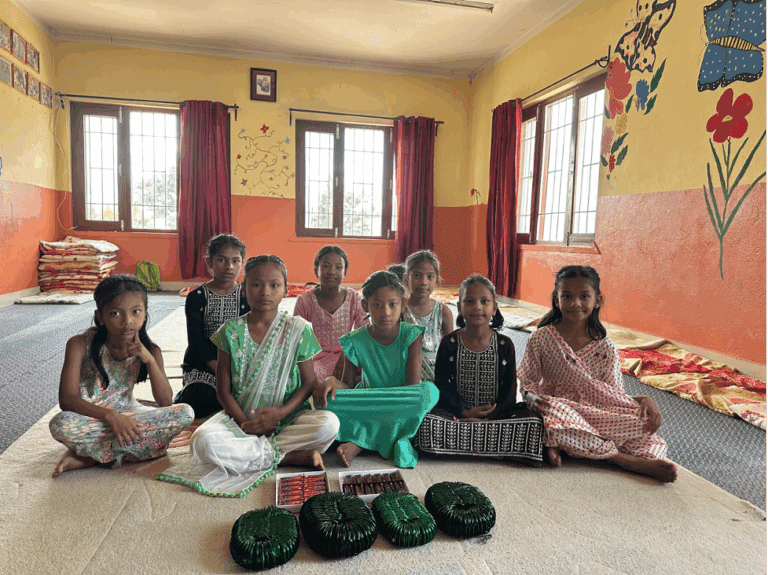
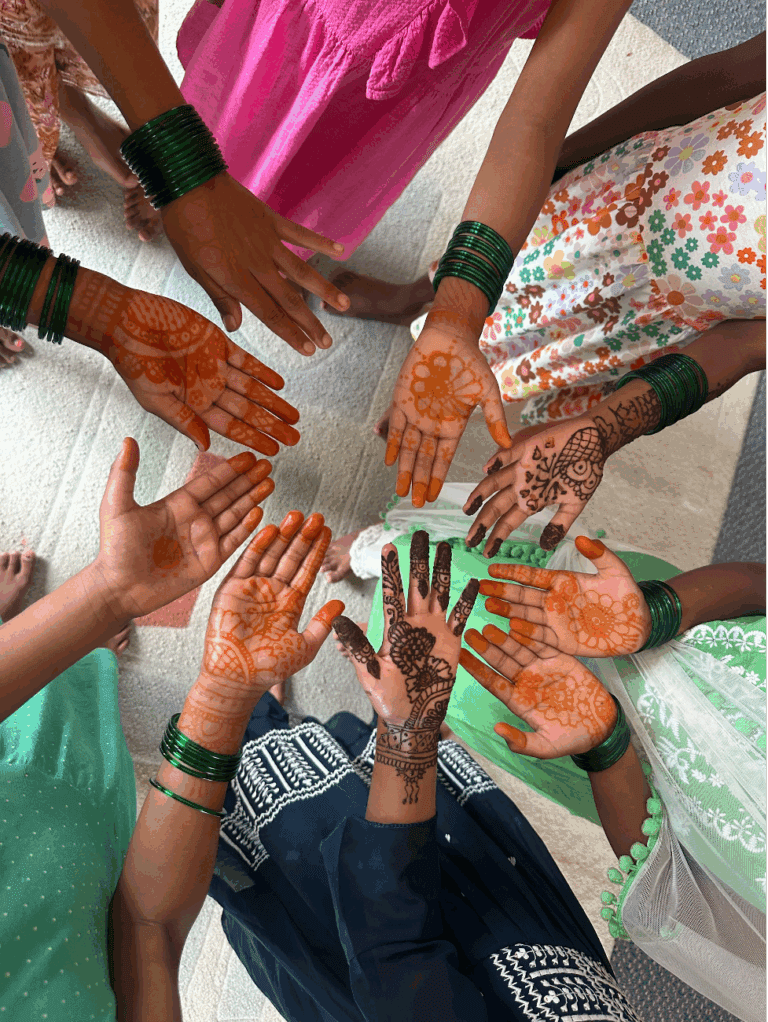
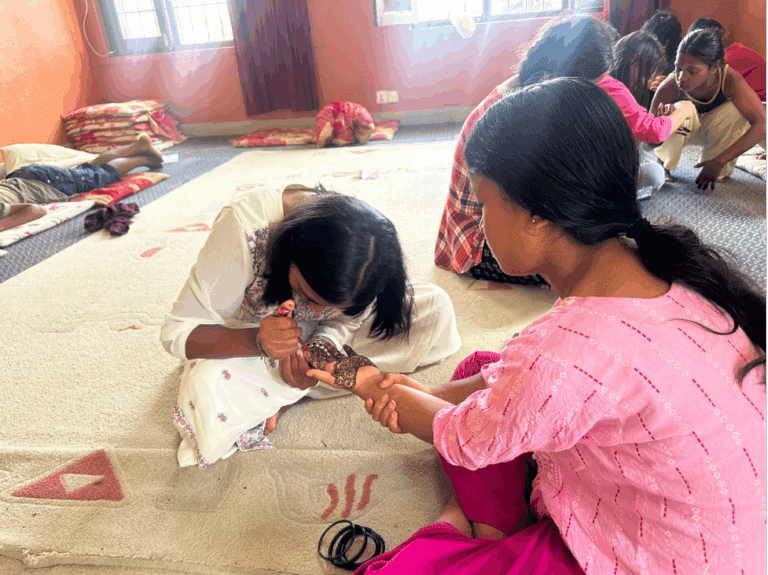
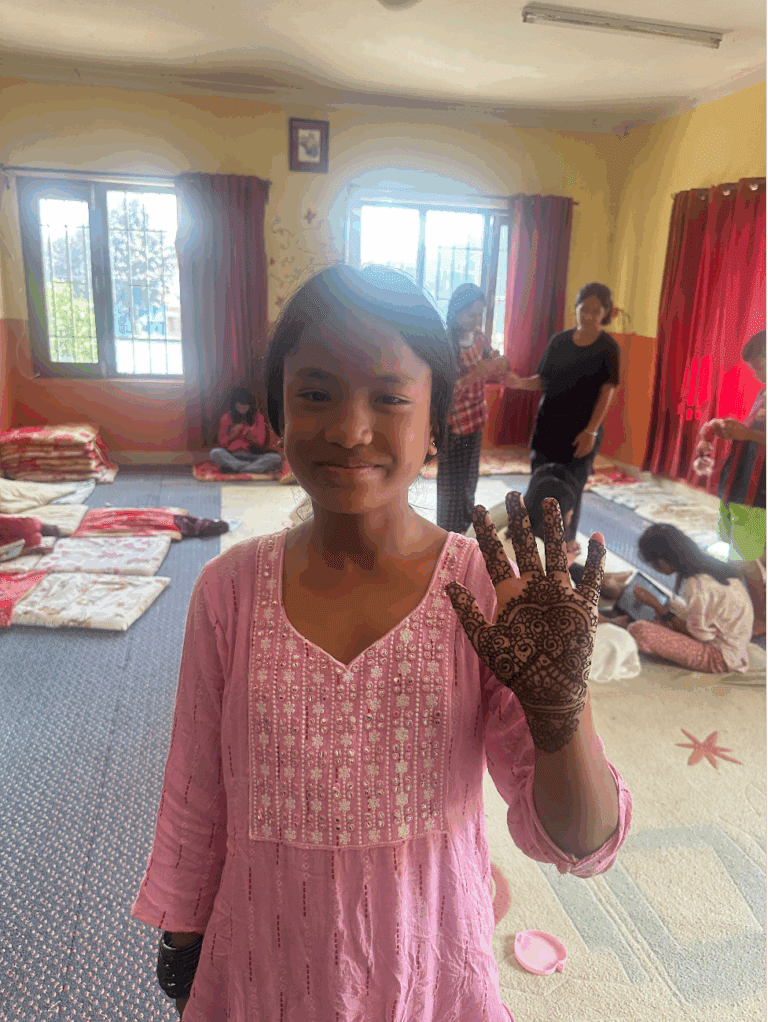
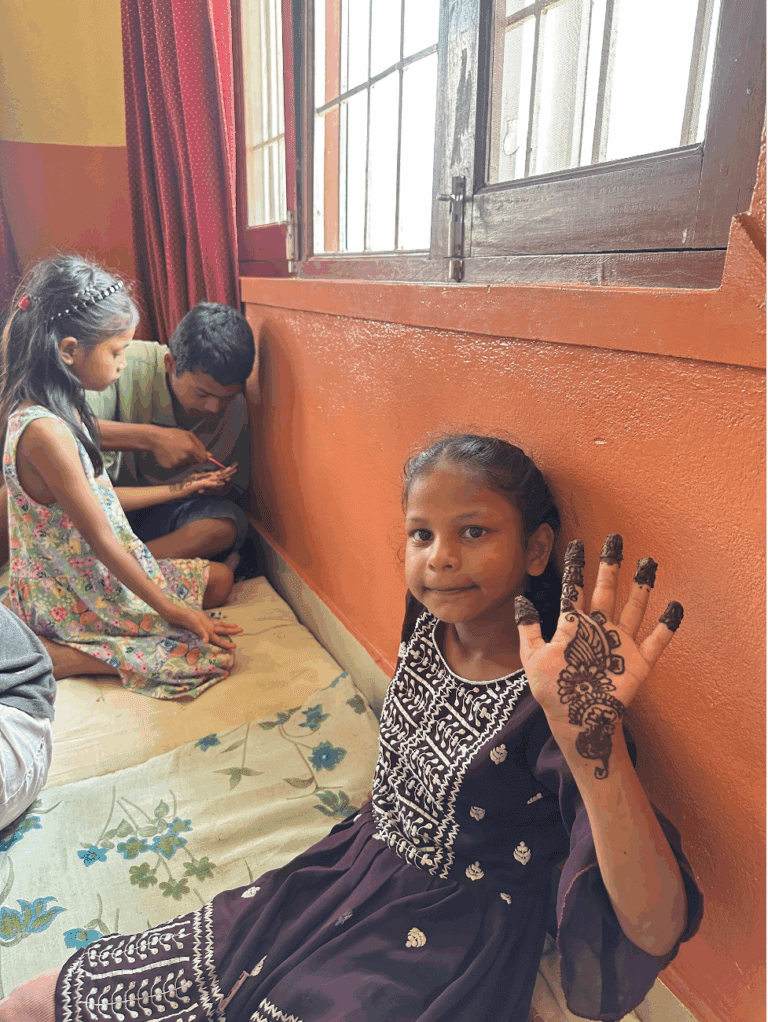
    On July 18th  in the Hindu tradition especially during Shrawan (Sawan), the sacred month devoted to Lord Shiva applying mehendi (henna) plays both cultural and spiritual roles. Women and girls decorate their hands and feet with intricate henna design, symbolizing love, beauty and protection. The darker the henna stain, the stronger the bond between loved ones. Mehendi is an auspicious element during shrawan, particularly on Monday, when devotees worship Lord Shiva. Women and girls wear green attire, bangles and apply mehendi to seek blessings. The vibrant display of henna and colorful bangles reflects the joy and celebration of the month. Some believe that wearing green and applying henna during shrawan balances emotions and brings wisdom, prosperity and happiness.

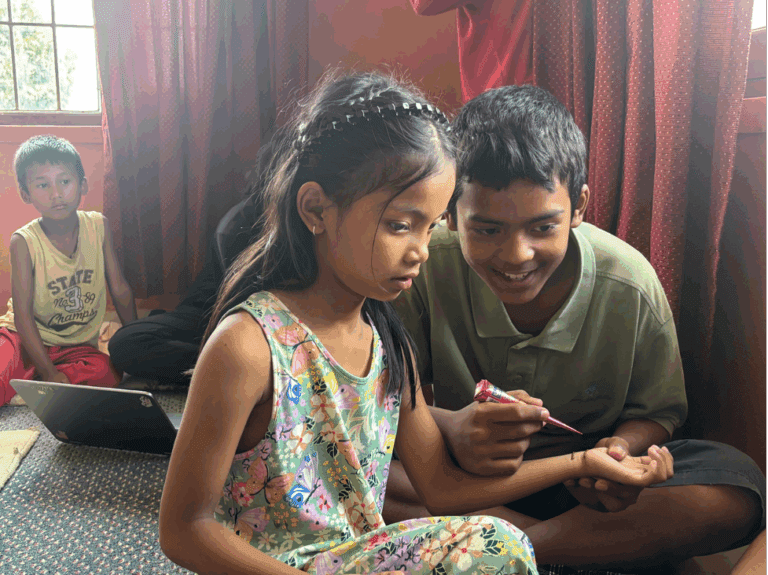
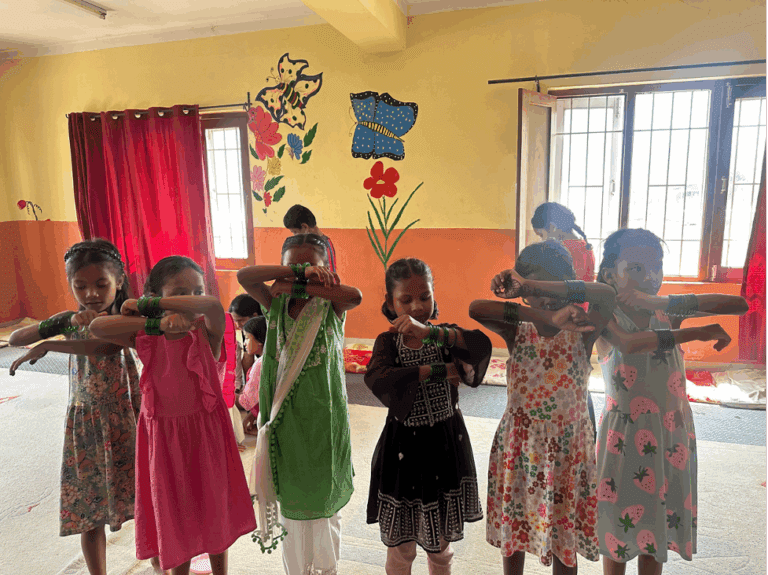
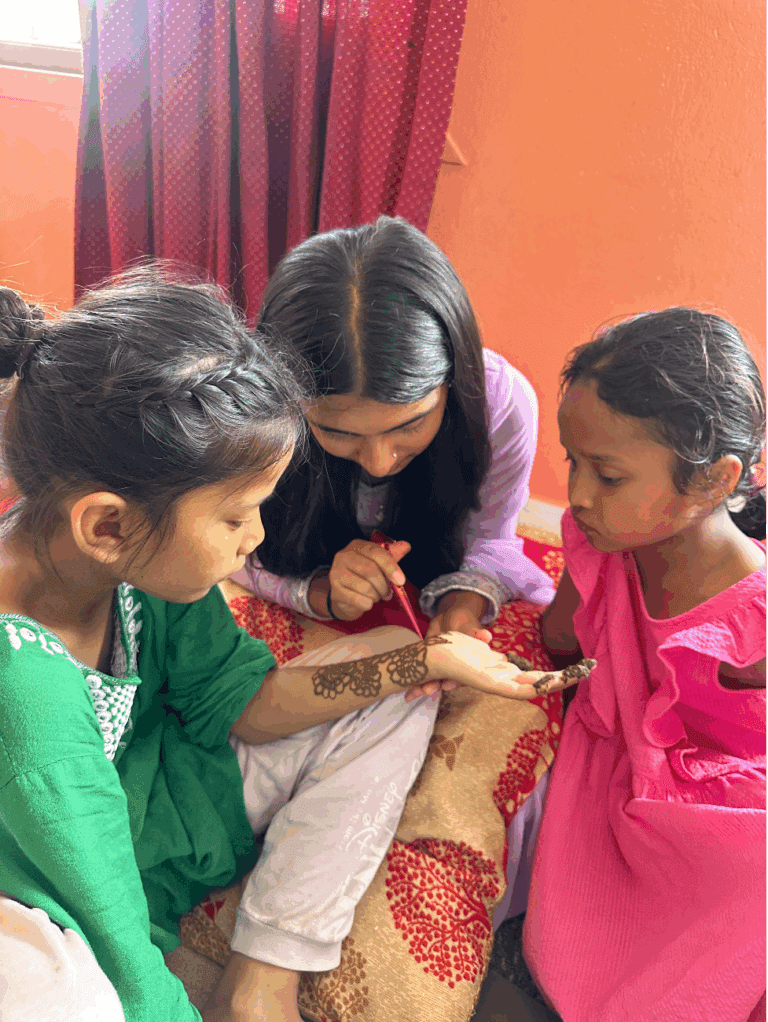
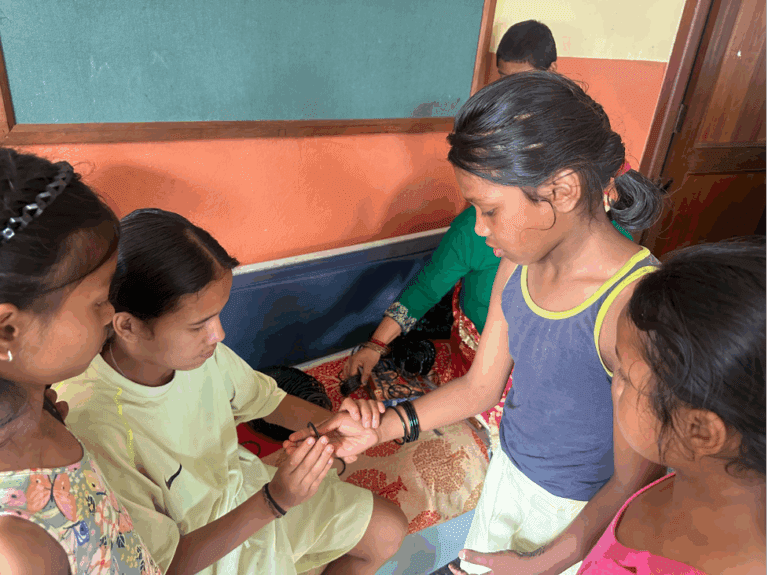
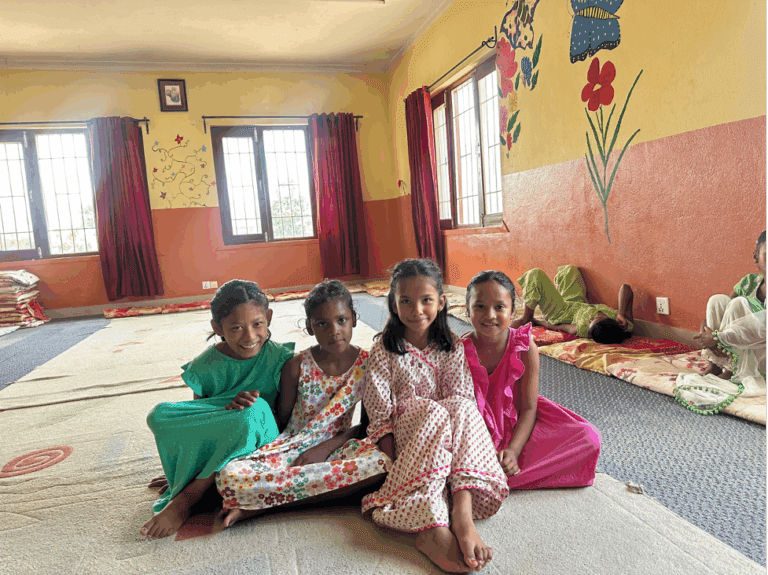
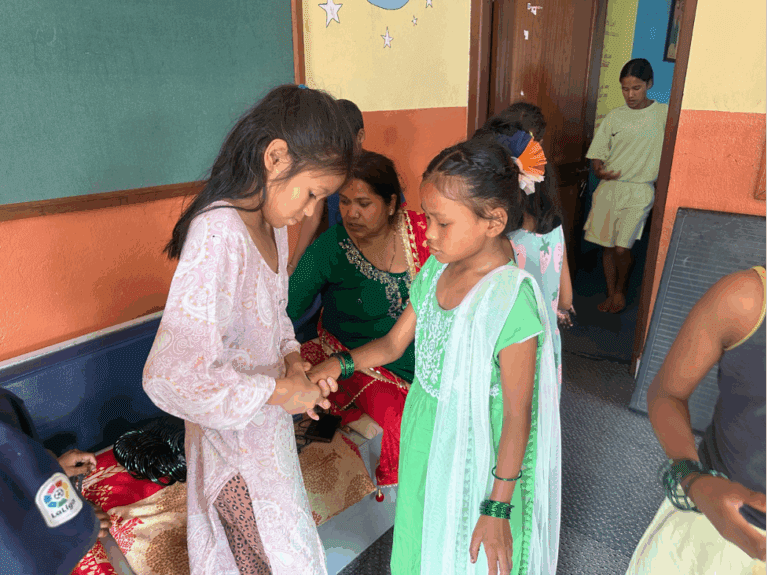
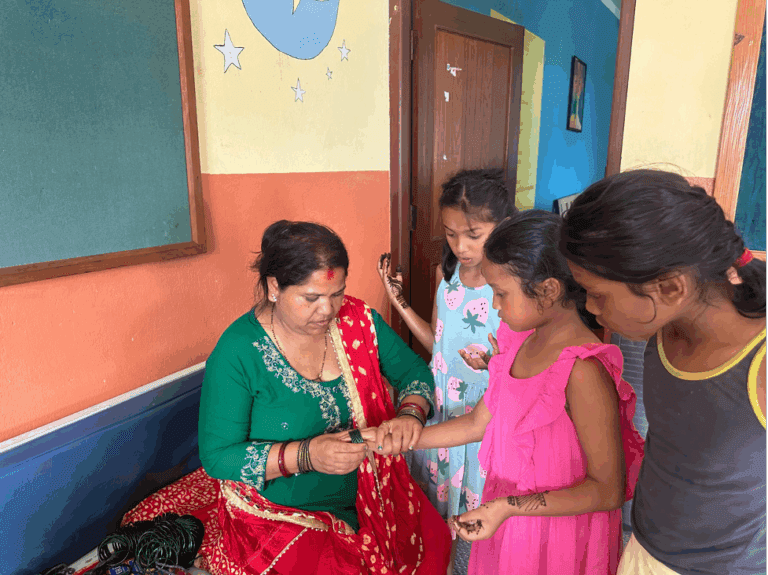
    At Patan Children’s Home, the children celebrated by applying mehendi, each child had a henna cone applied on their hand. Some older children took the cone themselves, practicing simple designs of petals, dots, and curves applied onthe hand of younger children and then after the henna got dried they wore green bangles with a lot of joy.

    Children not only enjoyed the artistic process but also developed fine skills and hand–eye coordination. Through designing their own mehendi patterns, children explored the creativity, symmetry, and visual aesthetics. As they decorate their hands, children hear stories about the holy month of Shrawan, Lord Shiva, and Goddess Parvati—the spiritual context of the tradition. This experiential learning helps them connect with heritage, appreciate symbolic color meanings (like green for renewal).  Children learned cultural meaning, and participated in devotional practice.  They felt connected to cultural identity, biodiversity symbolism, and expressed unity within them.
    At Patan Children’s Home, even simple celebrations blossom into meaningful learning experiences. On Shrawan 2, the Mehendi Day observance reminded us that embracing our cultural traditions helps nurture values of beauty, connection, and belonging. As children adorned their hands with mehendi, wore green bangles, and engaged in creative expression. We believe that instilling these values today encourages a future rooted in confidence, creativity, and a deep appreciation for our heritage.

  • Children’s Home Celebrates National Paddy Day with Dahi Chuira

    Children’s Home Celebrates National Paddy Day with Dahi Chuira

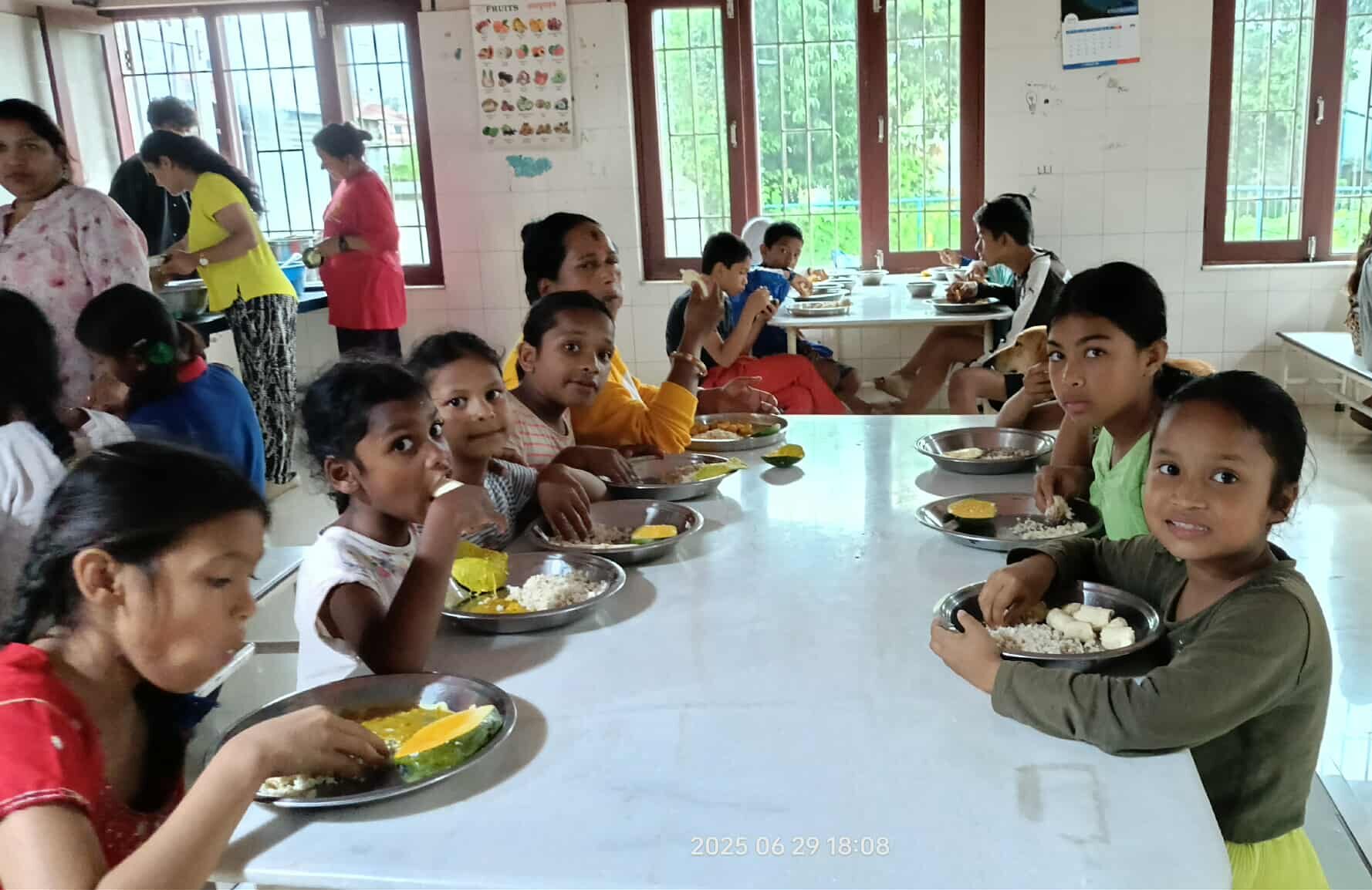
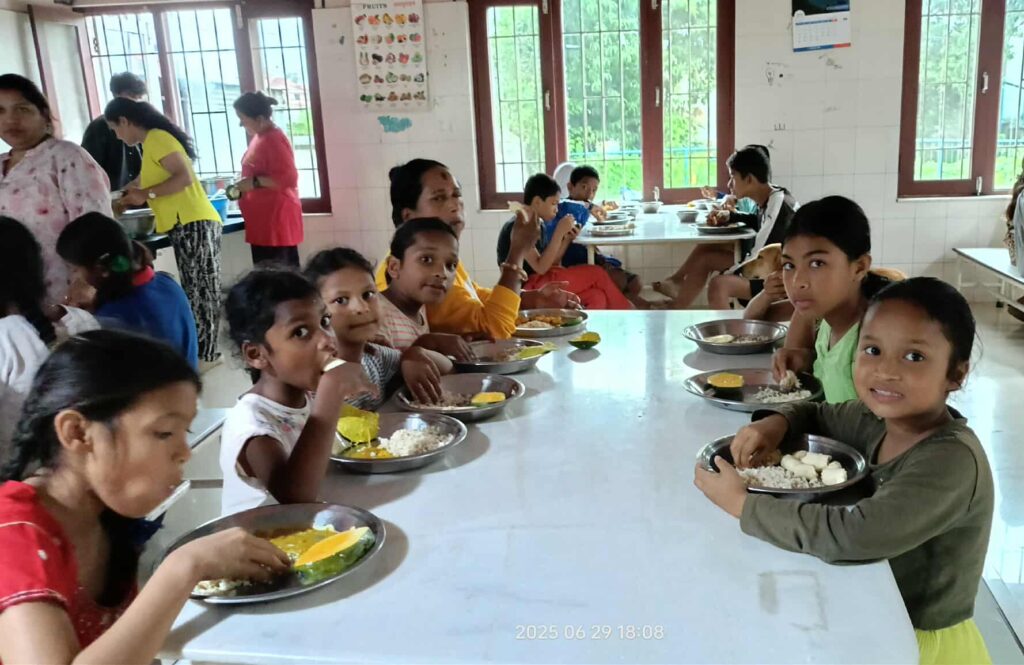
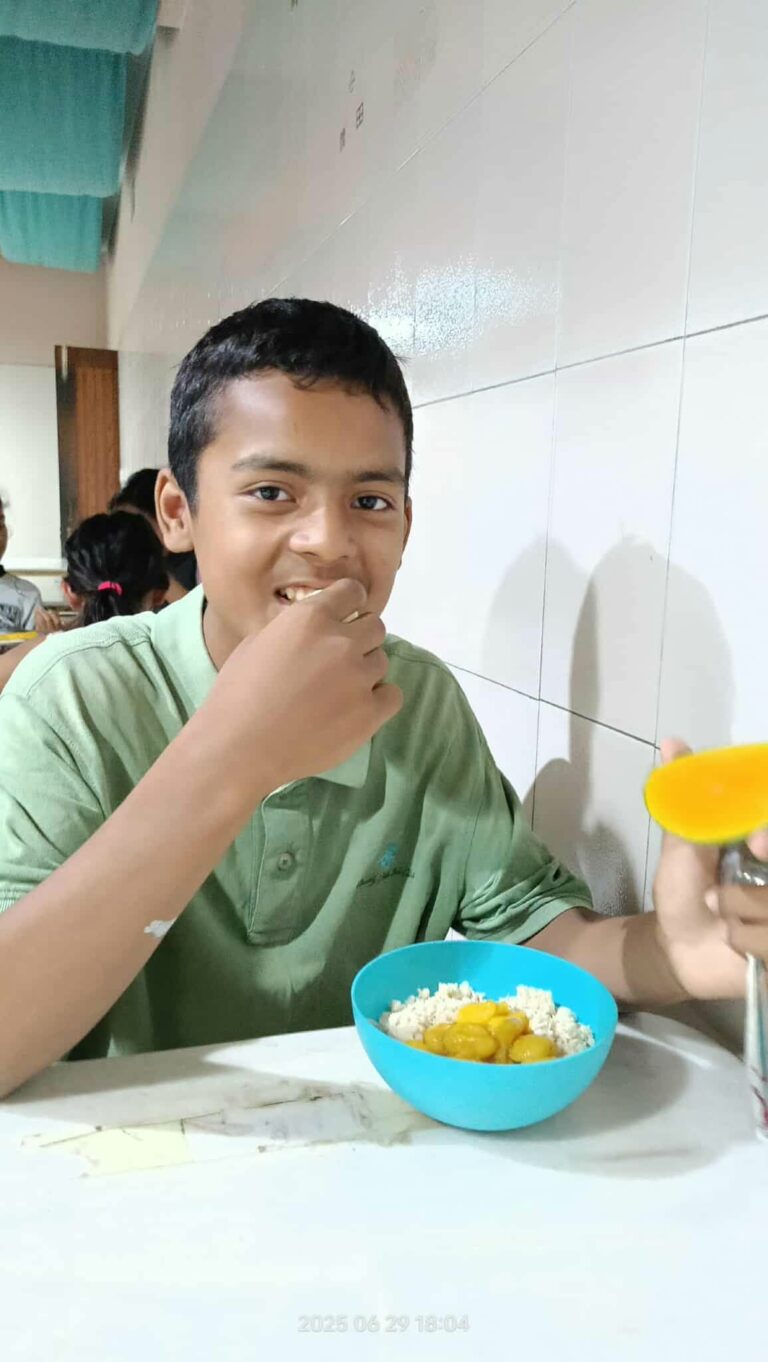
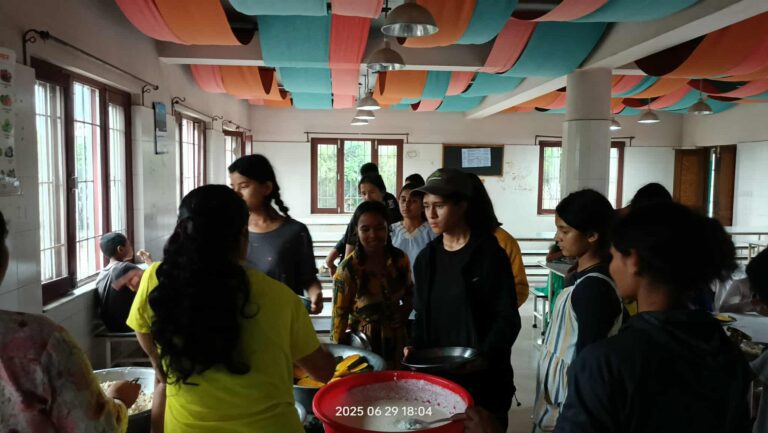
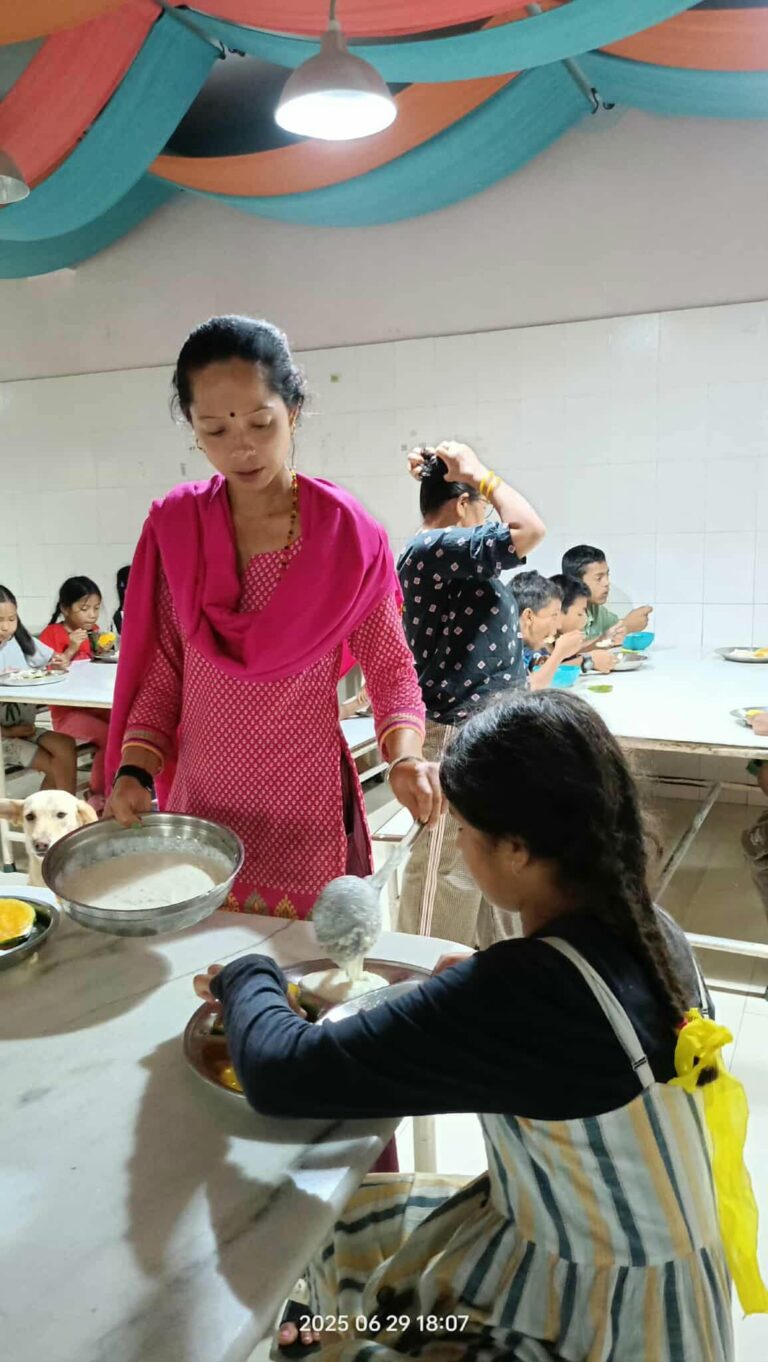
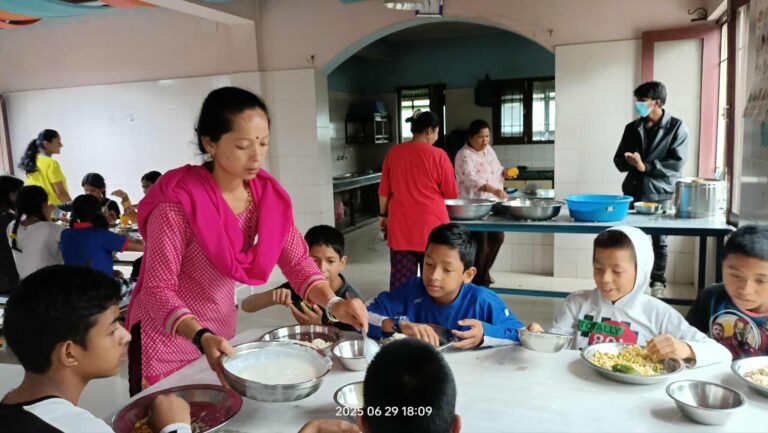
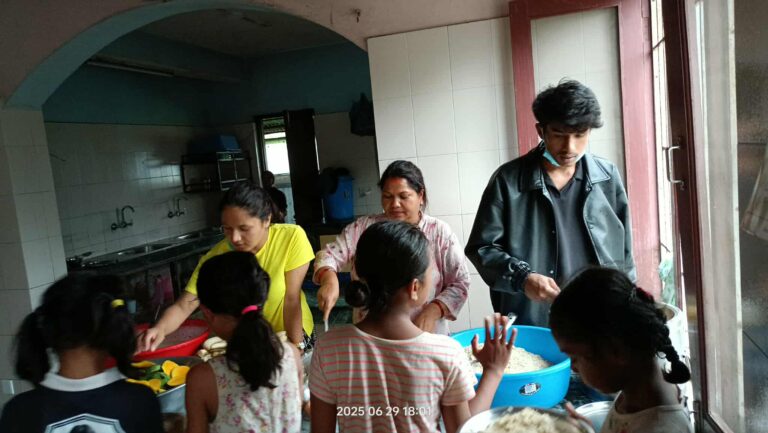
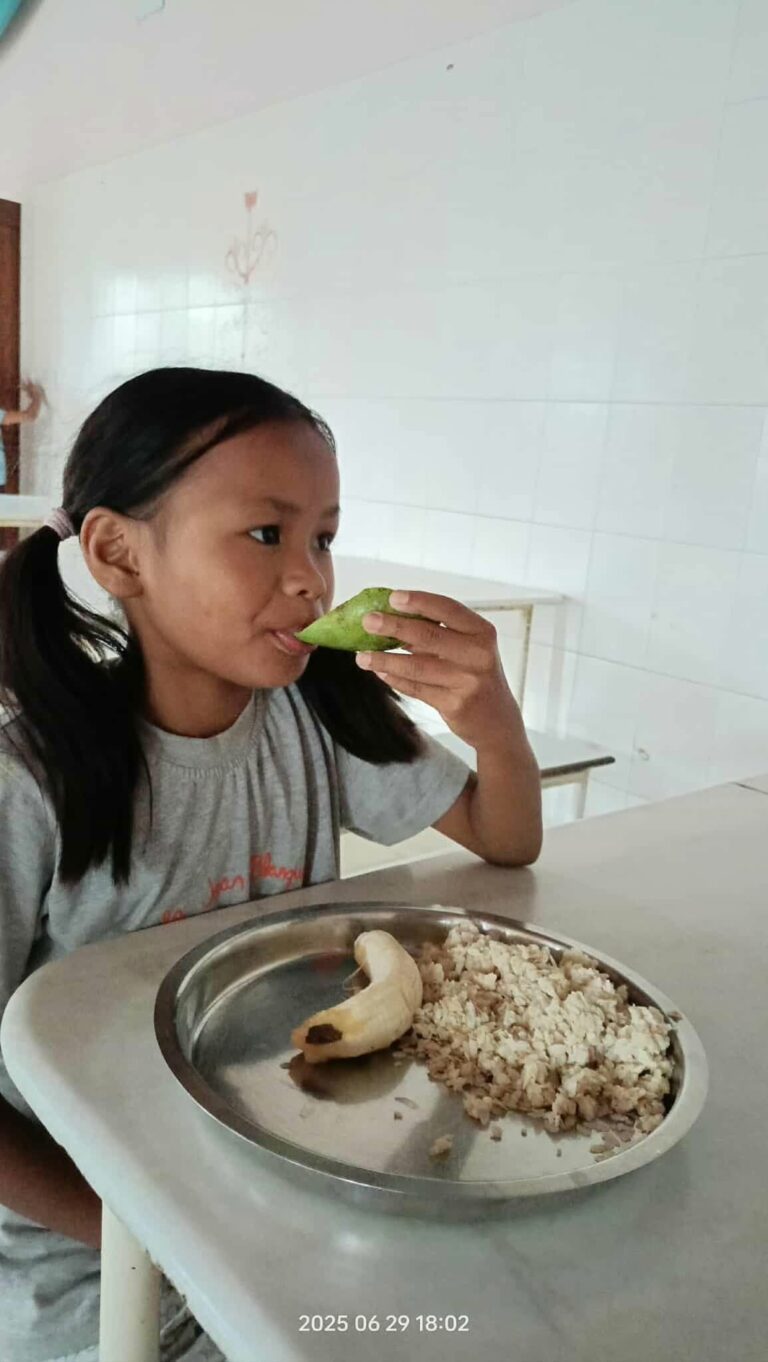
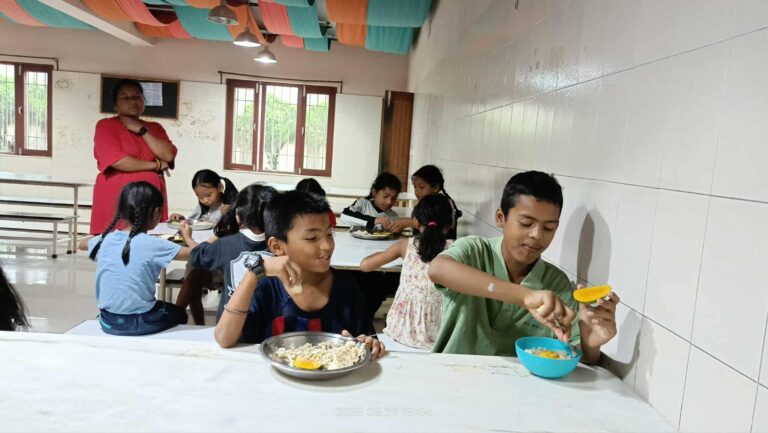
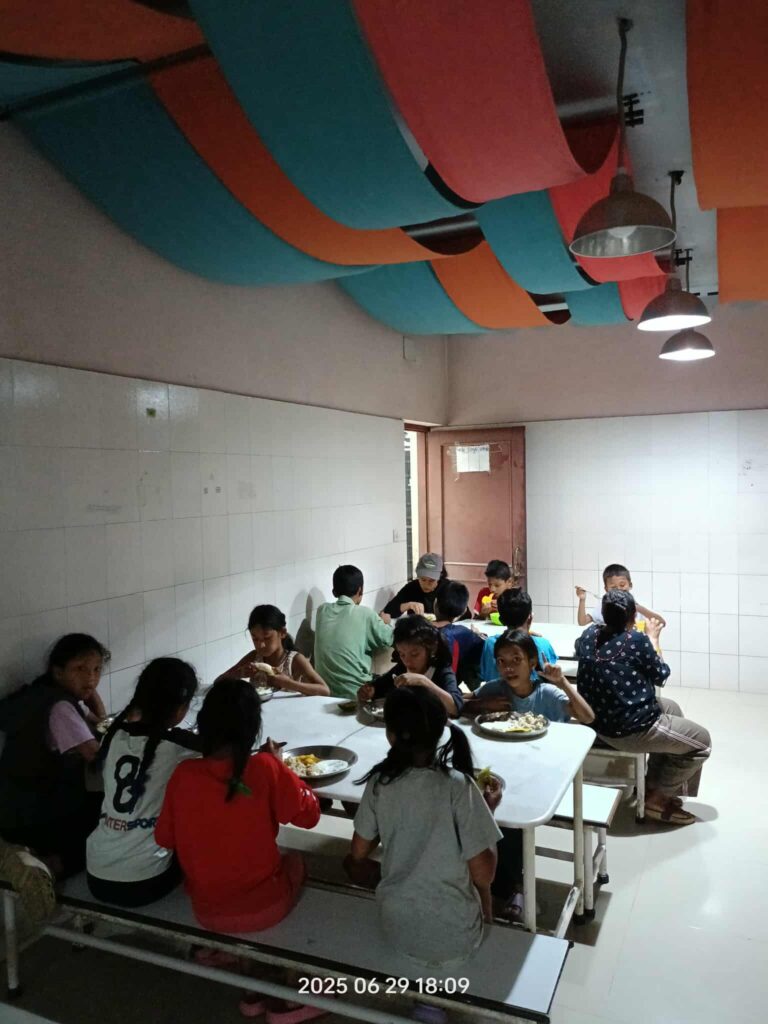
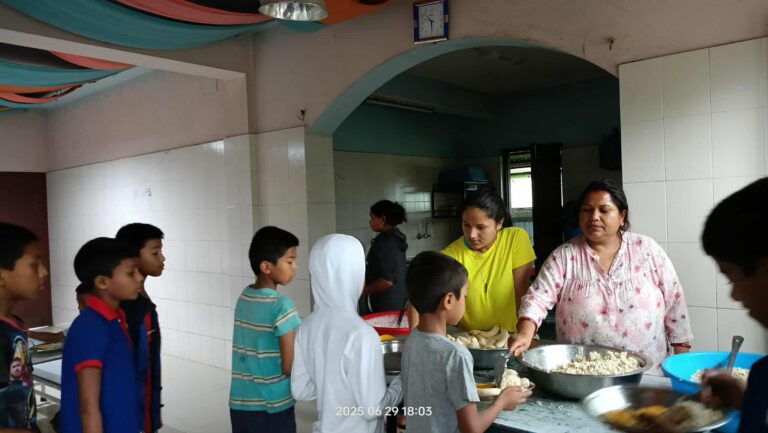
    On 29th June 2025, Children’s Home joined in the nationwide celebration of National Paddy Day (Asar 15) by sharing a traditional and symbolic meal of Chuira (Beaten Rice) with fresh curd, mango, and banana. Though the celebration was simple, it carried deep cultural and educational significance for the children, connecting them to Nepal’s agricultural heritage and the hardworking farmers who form the backbone of our nation.

    A Tribute to the Farmers of Nepal

    National Paddy Day marks the beginning of the rice planting season in Nepal, celebrated with great enthusiasm by farmers across the country. Officially recognized as a national event since 2061 BS, the day highlights the vital role that agriculture plays in our economy, identity, and way of life. It uplifts the spirit of farmers, celebrates their perseverance, and reminds the nation of their tireless work to feed us all.

    Chuira, Curd, Mango & Banana: A Meal Full of Meaning

    At the heart of the celebration at Children’s Home was a traditional meal of Chuira and Dahi (curd), enhanced with the sweetness of fresh mango and banana. This nutritious and symbolic dish is widely eaten on Asar 15 as a gesture of appreciation for the season’s first planting. The beaten rice provides energy and ease, while the curd cools the body. The addition of mango and banana adds natural sweetness, seasonal freshness, and richness to the meal, making it a perfect combination for the warm, rain-filled day of Asar.

    What is Dahi Chuira?

    Dahi Chuira is a humble and culturally rich Nepali dish made by mixing beaten rice with fresh curd. It is commonly shared during festivals and agriculture events, especially during National Paddy Day. Farmers traditionally enjoy it after hours in the fields, as a way to rest, nourish themselves, and celebrate the work they’ve begun. Beyond its nutritional value, Dahi Chuira is a symbol of gratitude, unity, and respect for labor, a tradition that connects generations.

    Tradition from the Terai Region

    In different regions of Nepal, the day is celebrated with unique customs. In the Terai, farmers bring food, locally known as jalkhai, directly to the fields. This includes thick homemade bread made from wheat flour, oil, salt, and spicy pickles. In one beloved tradition, if the landowner comes to help with planting, farmers playfully throw mud at them to chase them away. These playful customs foster a spirit of equality, humor, and strong social bonds among farming communities.

    Asar: A Season of Song and Story

    The month of Asar, when monsoon rains awaken the land, is not only about planting, it is a time of rich literary and cultural expression. Generations of farmers have passed down folk songs, poems, and sayings that celebrate the season. These creations reflect the emotional connection between people and the soil, expressing hope, struggle, and joy.

    Celebrating Hope and Unity

    Asar 15 is not just a date, it is a celebration of life, unity, and shared effort. It brings together communities in a spirt of cooperation, reminding us that when we work together, we grow together. Whether in the muddy fields or around a shared meal of Dahi Chiura, the message is the same: hope begins when we honor the earth and one another.

    Embracing the Monsoon

    The monsoon rains, so crucial for farming, are welcomed as a blessing. They represent renewal, abundance, and the promise of a fruitful season. Celebrating National Paddy Day is way of expressing our gratitude for nature, and acknowledging the delicate balance between human effort and environmental cycles that sustain life.

    Nurturing Roots at Children’s Home

    At Children’s Home, even a modest celebration like this becomes an opportunity to nurture the values of gratitude, awareness, and respect. Through the act of sharing Dahi Chuira with mango and banana, our children connected with their culture, honored the role of farmers, and learned to appreciate the hard work behind every grain of rice. We believe that planting these values in young hearts today will grow into a future rooted in compassion and understanding.

    Photos

  • Youth-Led Environmental Awareness Program at Children’s Home

    Youth-Led Environmental Awareness Program at Children’s Home

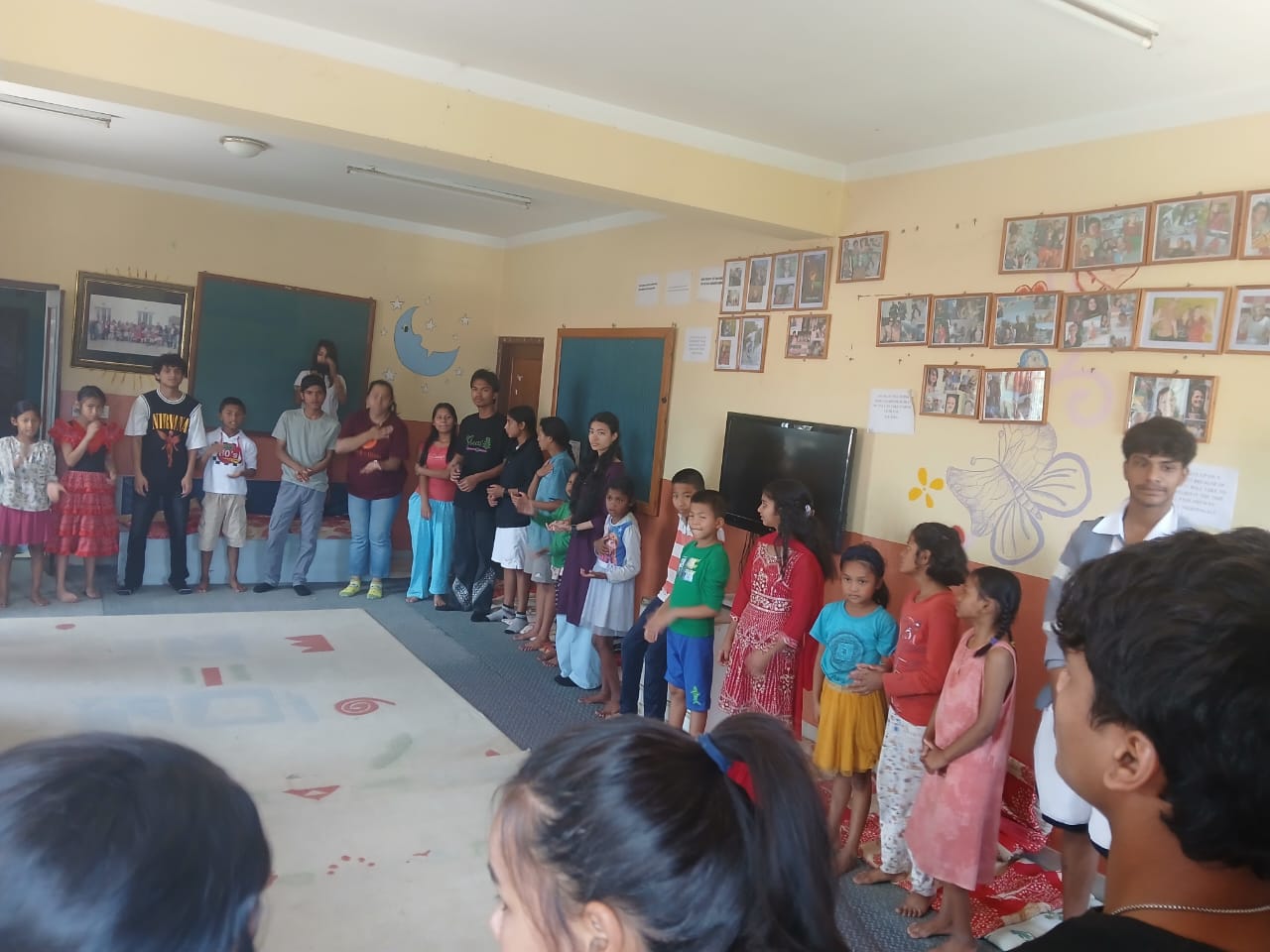
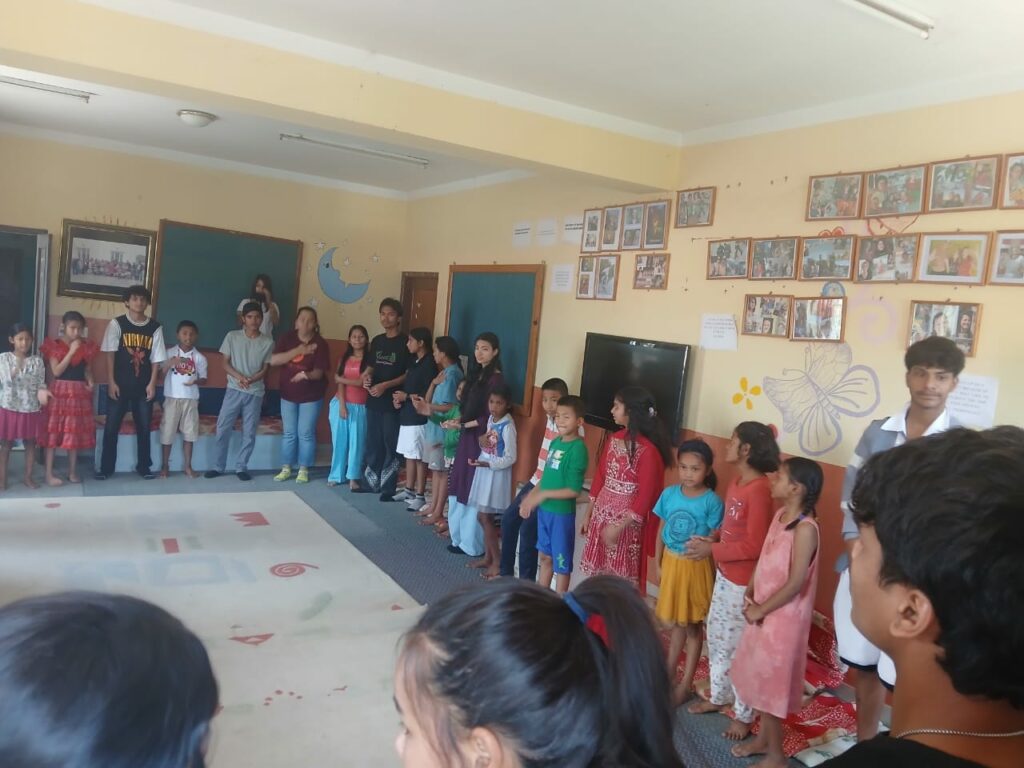
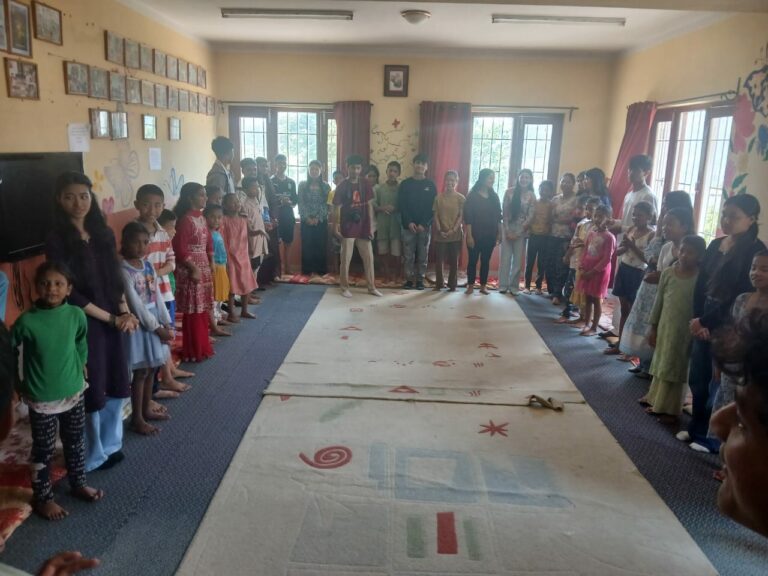
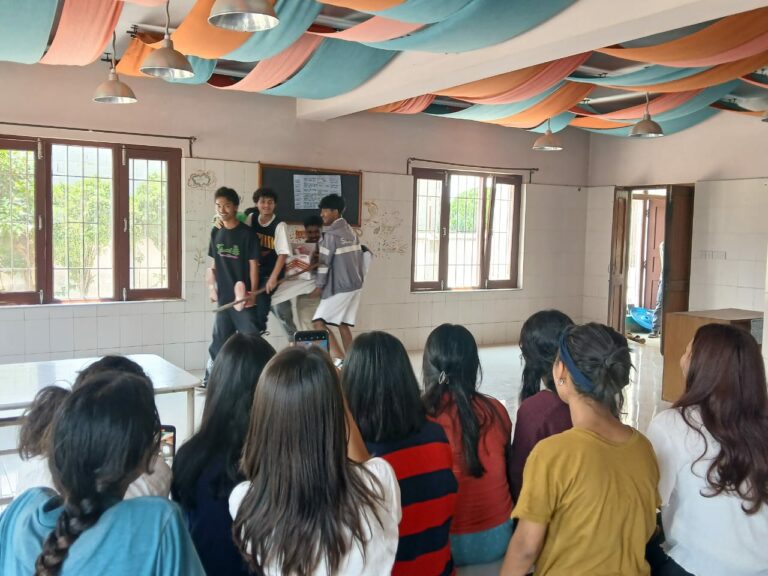
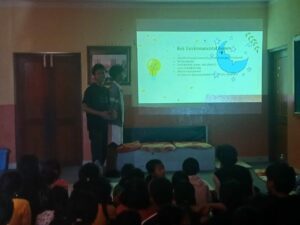
    On 7th June 2025, Children’s Home had the privilege of hosting a dynamic and educational youth-led program focused on environmental awareness and sustainability. This initiative was organized by 18 enthusiastic youth volunteers and two accompanying staff members from Amics del Nepal. The event was carefully designed to engage the children in interactive, fun, and thought-provoking activities that encouraged them to think deeply about their role in protecting the environment. The session combined a mix of presentations, practical exercises, and creative performances aimed at inspiring the children to adopt eco-friendly habits and develop a lifelong commitment to sustainability.
    Welcoming the Children with Energy and Enthusiasm

    The program began with an energizer activity that immediately created a warm and living atmosphere. The icebreaker allowed children and volunteers to connect naturally, easing initial nervousness and fostering a sense of community. The engaging start helped everyone feel comfortable and set an energetic tone for the learning activities ahead.

    Introducing the Environment and Its Importance

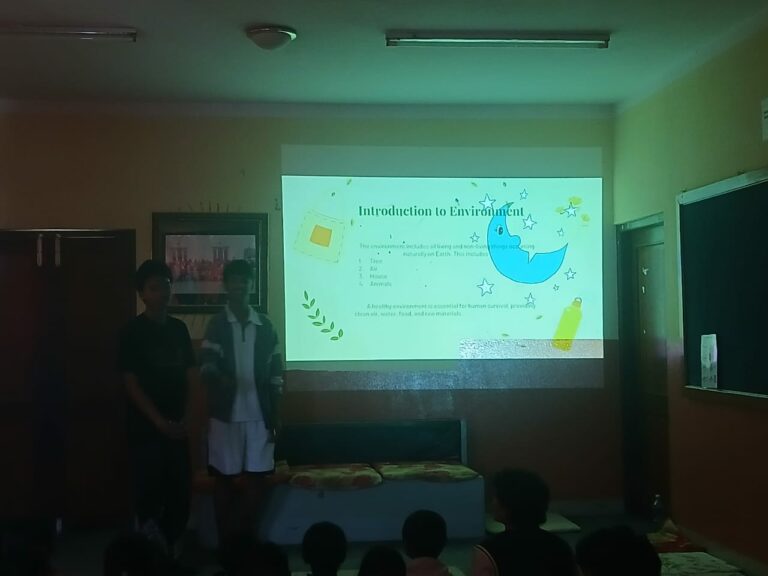
    The youth volunteers then led the children through a carefully crafted PowerPoint presentation that introduced the concept of the environment in simple and relatable terms. They explained that the environment consists of all living and non-living things occurring naturally in Earth-such as tress, animals, air, water, and even human-made elements like houses. This foundational understanding helped the children recognize that they are part of a larger, interconnected system where every element plays a crucial role in maintaining balance and life.

    Discussing Key Environmental Issues Facing Our Planet

    Building on this introduction, the presentation addressed several pressing environmental challenges facing the world today. The children learned about the causes and effects of climate change, highlighting the role of greenhouse gas emissions from human activities. The session also covered various types of pollution – air, water, soil, and especially plastic pollution-that threaten ecosystems and human health. The volunteers explained the consequences of deforestation and the alarming loss of biodiversity, stressing the urgency to protect wildlife and forests. Waste management issues and the overexploitation of natural resources, including water, fossil fuels, and minerals, were also discussed in a manner that was easy to grasp. Throughout the presentation, the youth volunteers encouraged the children to think about how these problems affect their own communities and daily lives.

    Actions to Promote Greener Environment

    In addition to understanding the issues, the children were empowered with practical actions they can take to contribute to a greener future. The youth volunteers shared simple yet impactful ways to support environmental health, such as using renewable energy sources like solar, wind, and hydro power, conserving water and energy, and supporting green infrastructure and eco-friendly transportation options. Emphasis was placed on the importance of reducing, reusing, and recycles waste.

    Understanding Waste and Dustbins

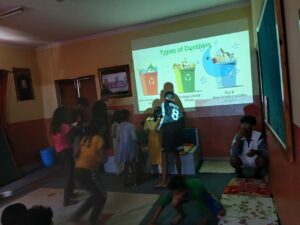
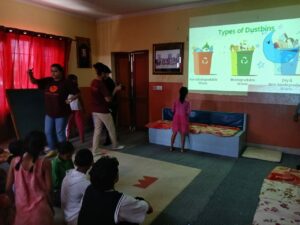
    An important educational component of the session focused on the correct use of dustbins for waste segregation. The children learned the meaning and purpose of each bin:

    • Green Bin: for biodegradable waste (e.g., food scraps, garden waste)
    • Blue Bin: for dry and non-biodegradable waste (e.g., plastics, paper, metals)
    • Red Bin: for non-biodegradable waste, especially hazardous or sanitary waste

    This knowledge was key in helping children understand how to manage household waste responsibly. They were taught how proper segregation reduces pollution, improves recycling, and protects the environment.

    Hands-On Learning through a Practical Exercise

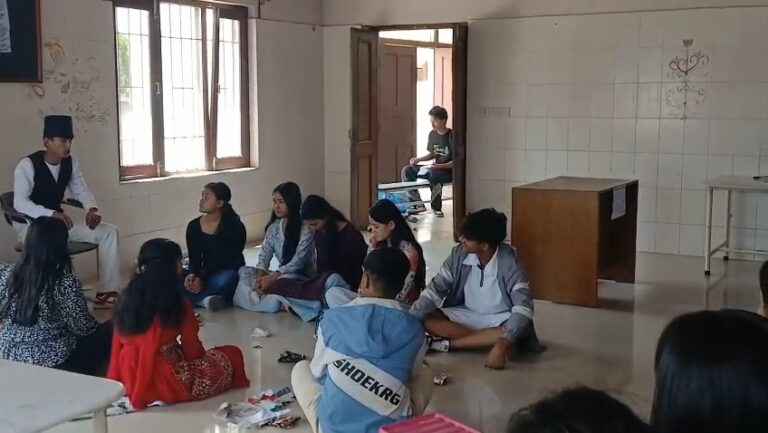
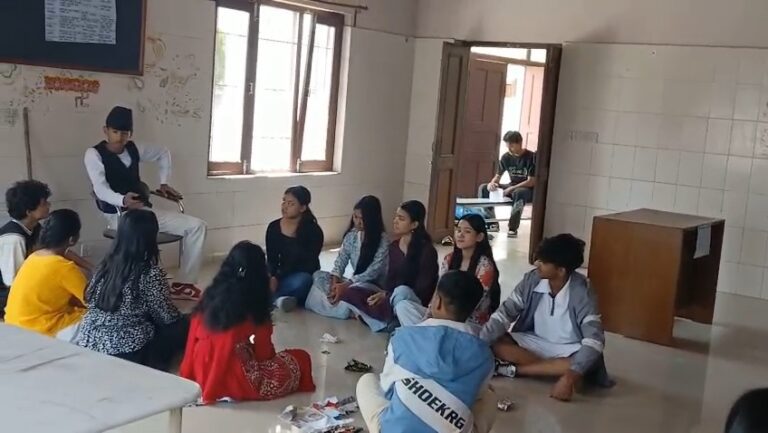
    Immediately following the presentation, the children participated in a practical waste segregation exercise. Each child received a paper slip with the name of a waste item and was asked to determine which type of dustbin the item belonged to. The exercise focused on the green, blue, and red bins as introduced in the previous segment. This hands-on activity reinforced the children’s understanding of proper waste segregation, a vital step towards effective waste management and environmental protection. Volunteers guided the children through the task.

    Engaging Environmental Drama Performance

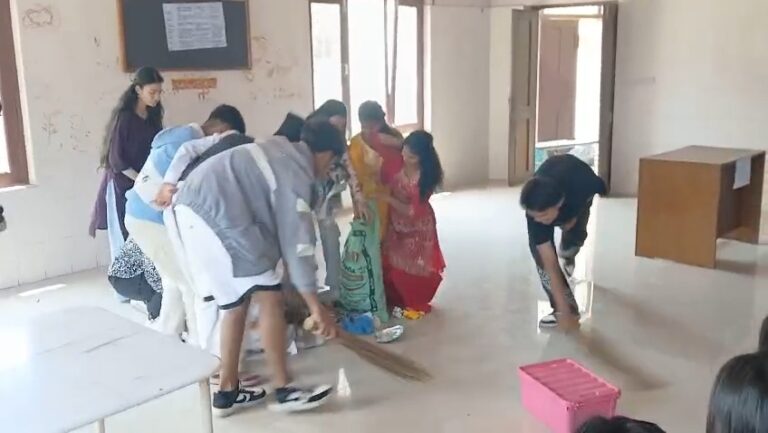
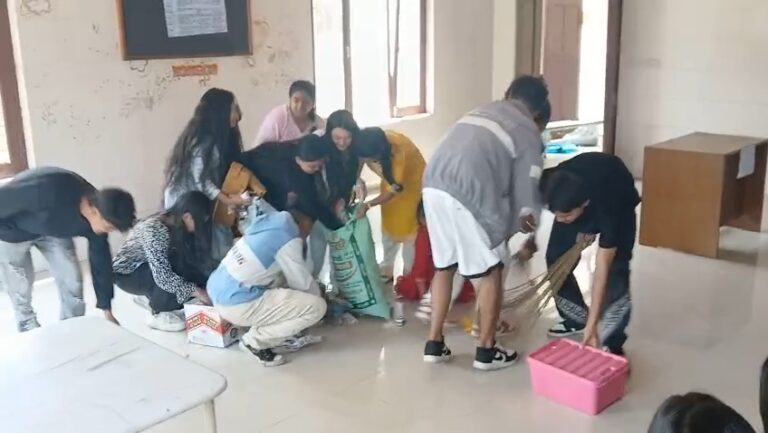
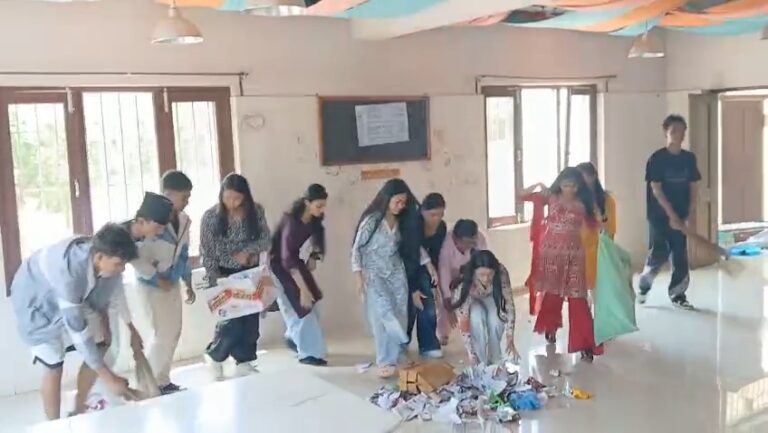
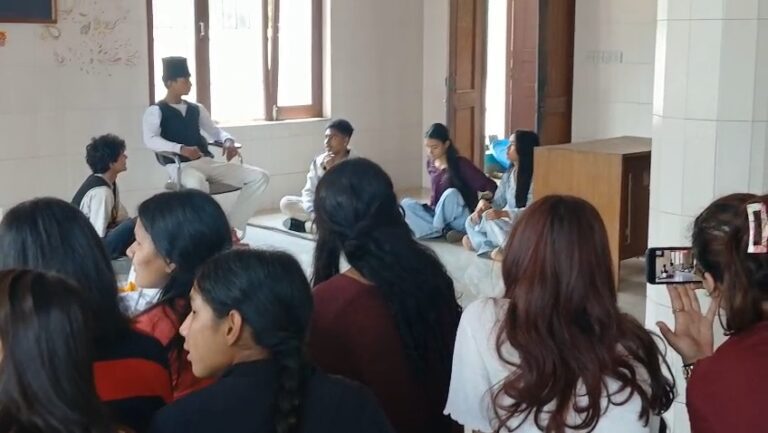
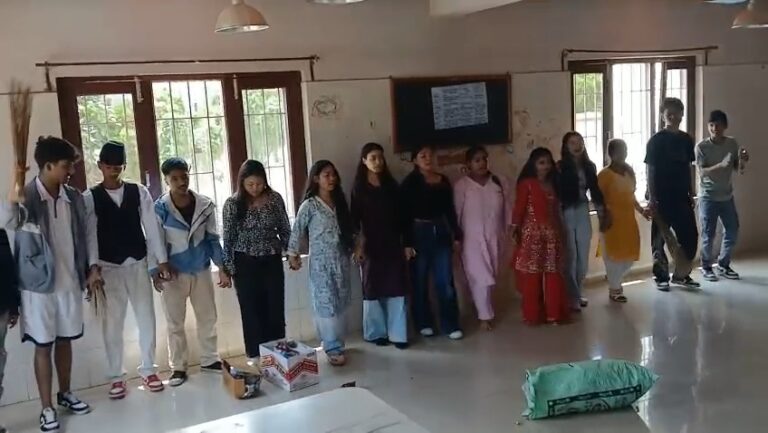
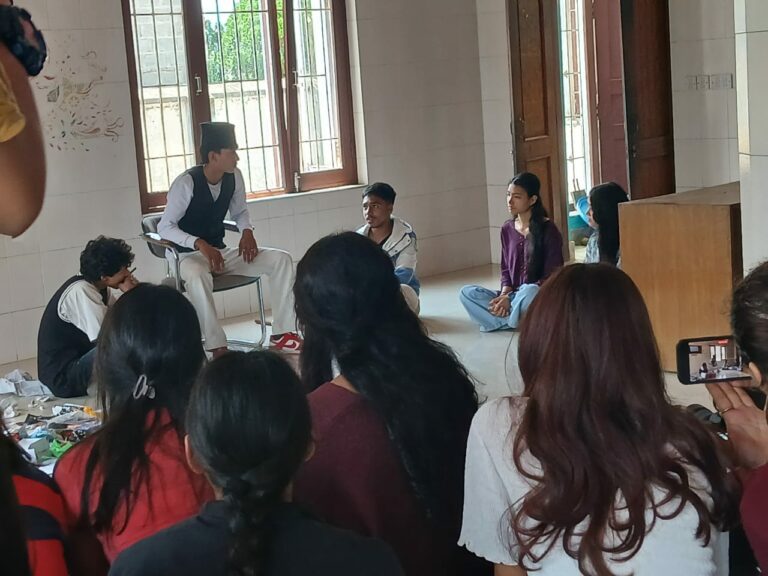
    To creatively reinforce the session’s messages, the youth volunteers performed a drama that brought environmental issue to life through storytelling and relatable characters. The drama portrayed the impact of pollution and irresponsible habits on the planet and offered hopeful solutions through individual and collective action. The performance captivated the children, making the lessons memorable and encouraging emotional connection to the cause.

    The success of this program was made possible by the dedication and passion of the youth volunteers from Amics del Nepal. Their thoughtful planning, creative delivery, and genuine care for the community ensured that the event was not only educational but also uplifting and memorable. Their leadership and commitment highlight the important role that young people can play in fostering sustainable development and social change. We extend our heartfelt gratitude to them for their outstanding contribution to the Children’s Home community and environmental education.

    Photo of the Event

  • World Environment Day 2025: Our Children Excel at Ashmita English School

    World Environment Day 2025: Our Children Excel at Ashmita English School

    On 5th June 2025, Ashmita English School hosted a series of activities and competitions to observe World Environment Day, a globally recognized occasion established by the United Nations in 1972 to promote environmental awareness and collective action. Celebrated in over 150 countries, it serves as a vital platform for encouraging sustainable practices and protecting natural ecosystems.

    This year’s theme, “Beating Plastic Pollution”, called attention to the growing threat posed by single-use plastics to our environment and public health. The focus was on reducing plastic waste and promoting responsible consumption, recycling, and the use of sustainable alternatives.

    Active Participation in Environment Day Initiatives

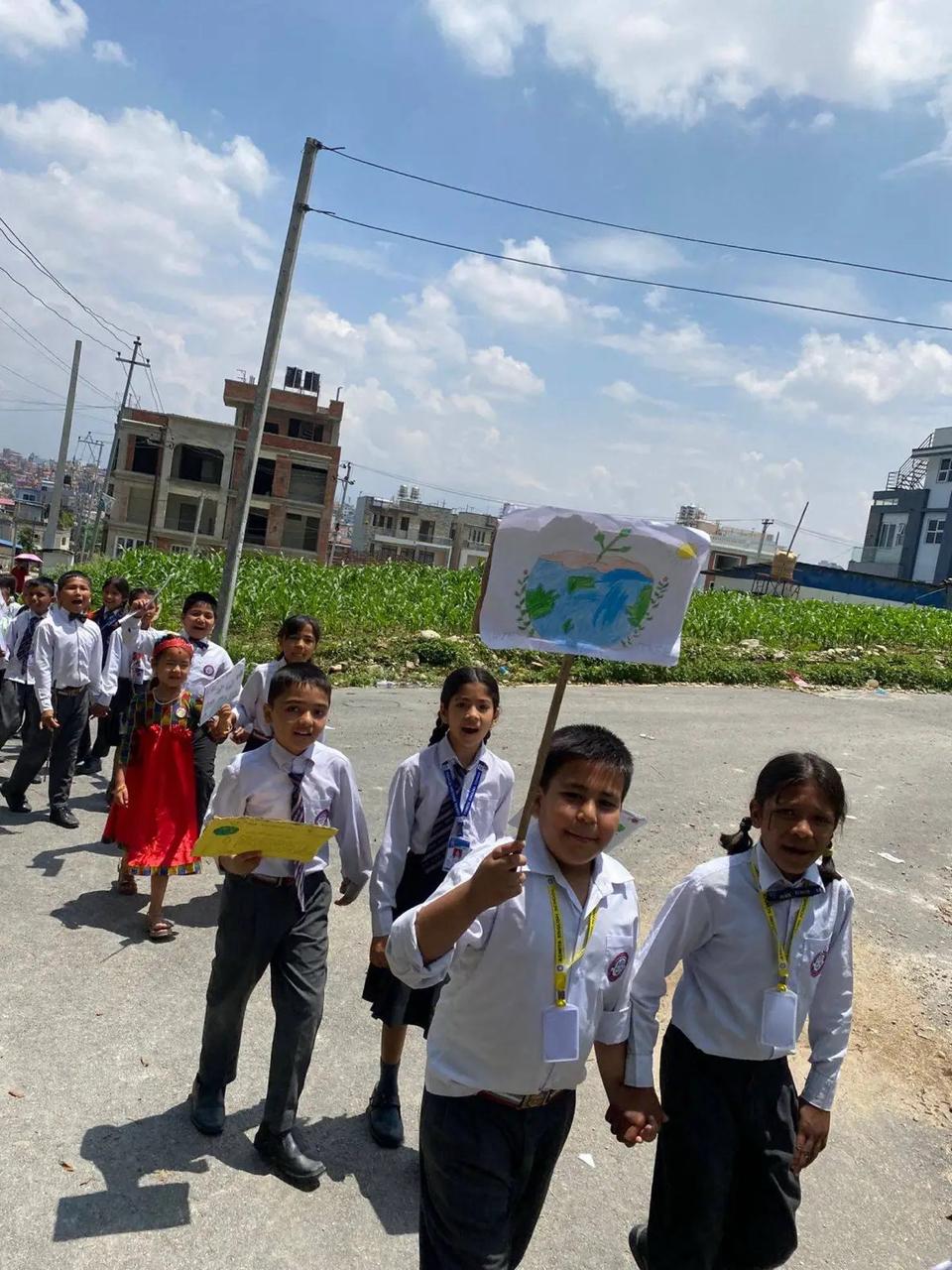
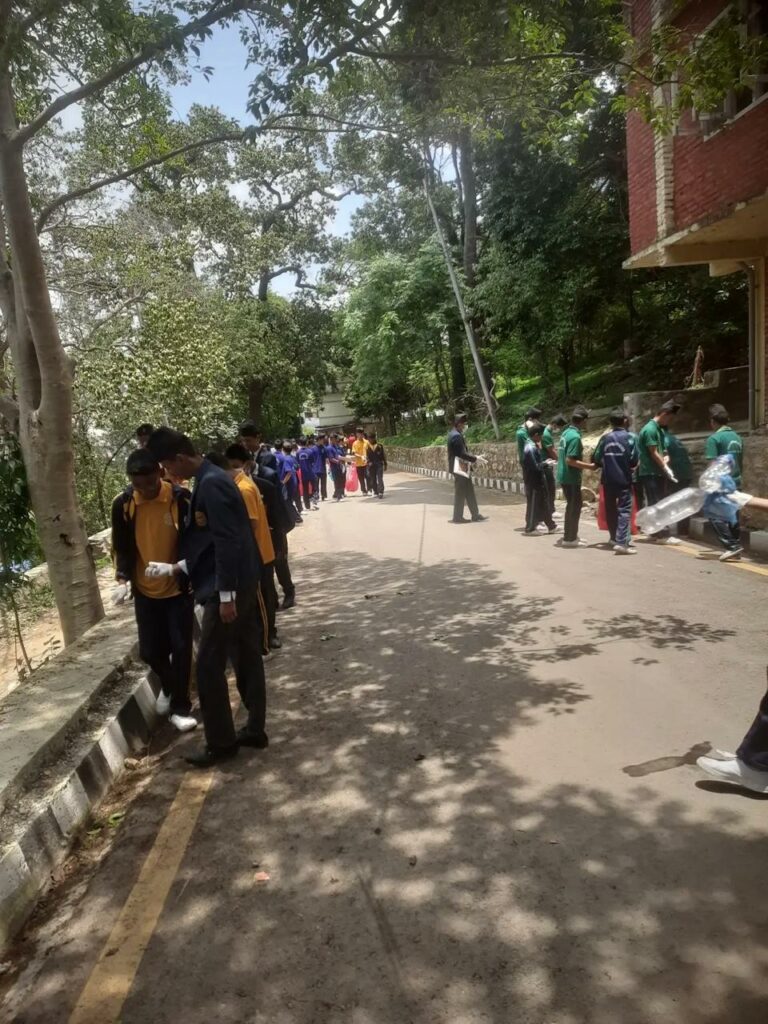
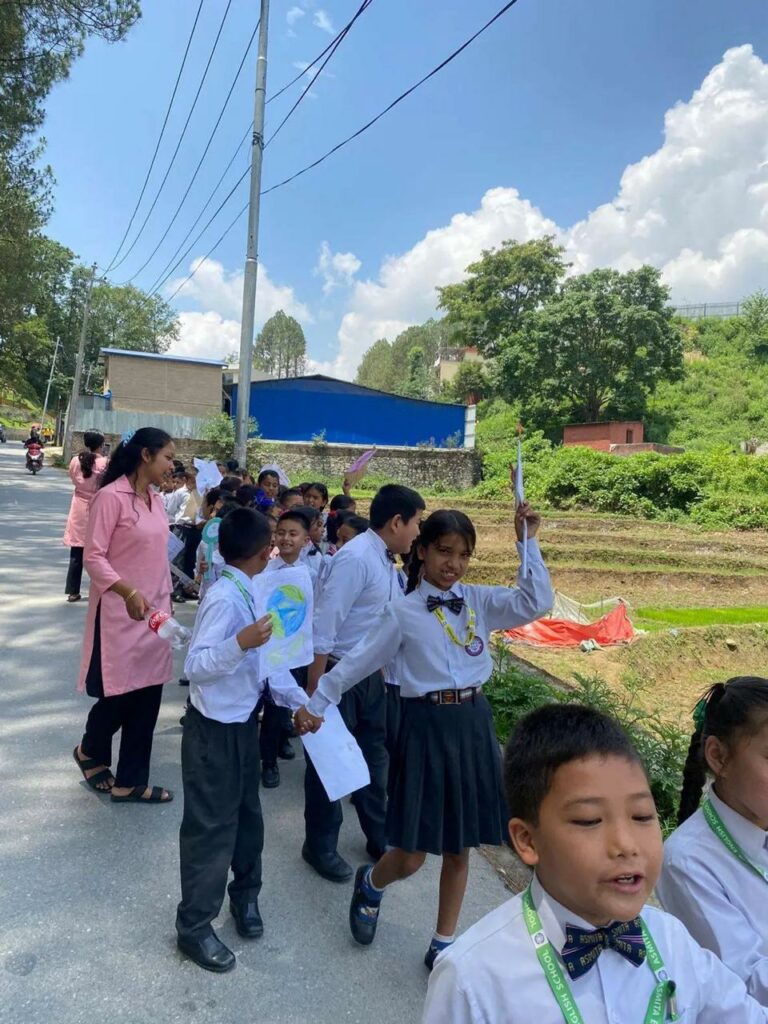
    As part of the Environment Day observance, our children took part in a school-organized awareness walk aimed at promoting environmental consciousness among students and the wider community. They carried thoughtfully prepared cardboard banners displaying messages on environmental protection and sustainability. Along the walking route near the school, the children also participated in a cleanup activity by collecting litter, helping to beautify the area and reinforce the importance of community responsibility. Their active involvement demonstrated environmental awareness, teamwork, and a strong sense of civic duty.

    Promoting Learning through Engagement

    Beyond the awareness activities, the school facilitated both creative and intellectual competitions, including drawing and chess. These events provided an opportunity for students to reflect on environmental themes in a practical, expressive format, while also developing key skills such as problem-solving, artistic expression, and strategic thinking. These activities played an important role in reinforcing the values behind World Environment Day.

    Noteworthy Achievements by Our Children

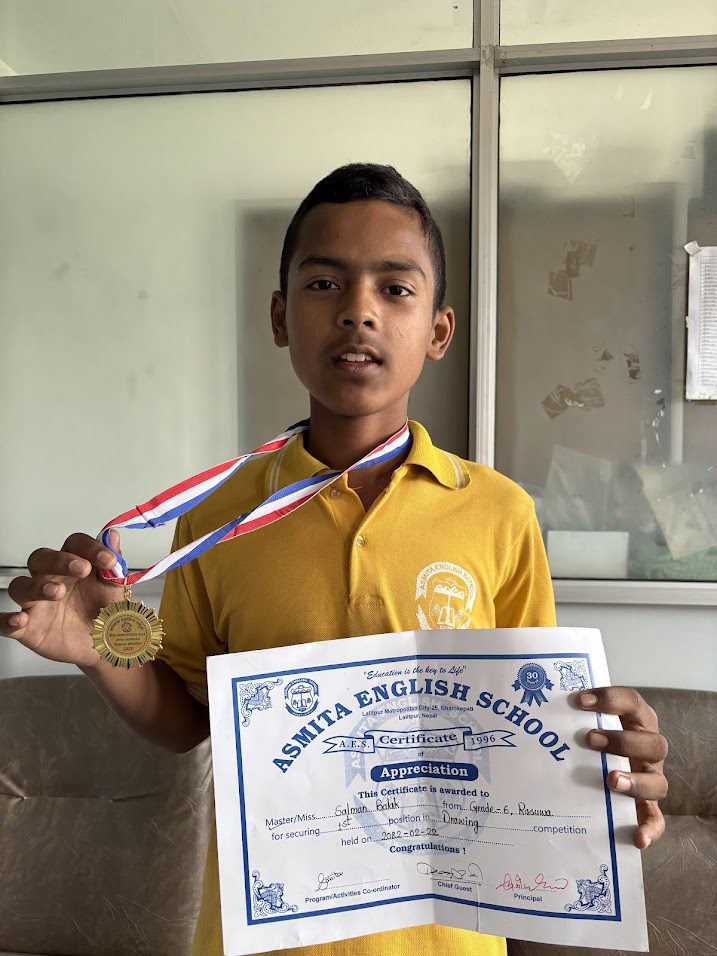
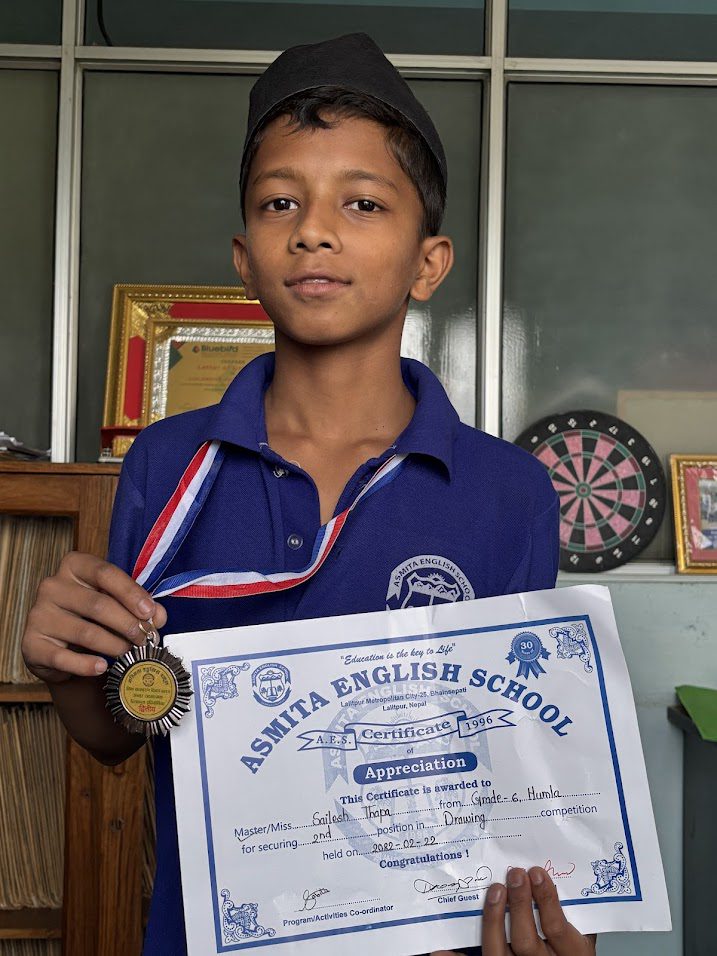
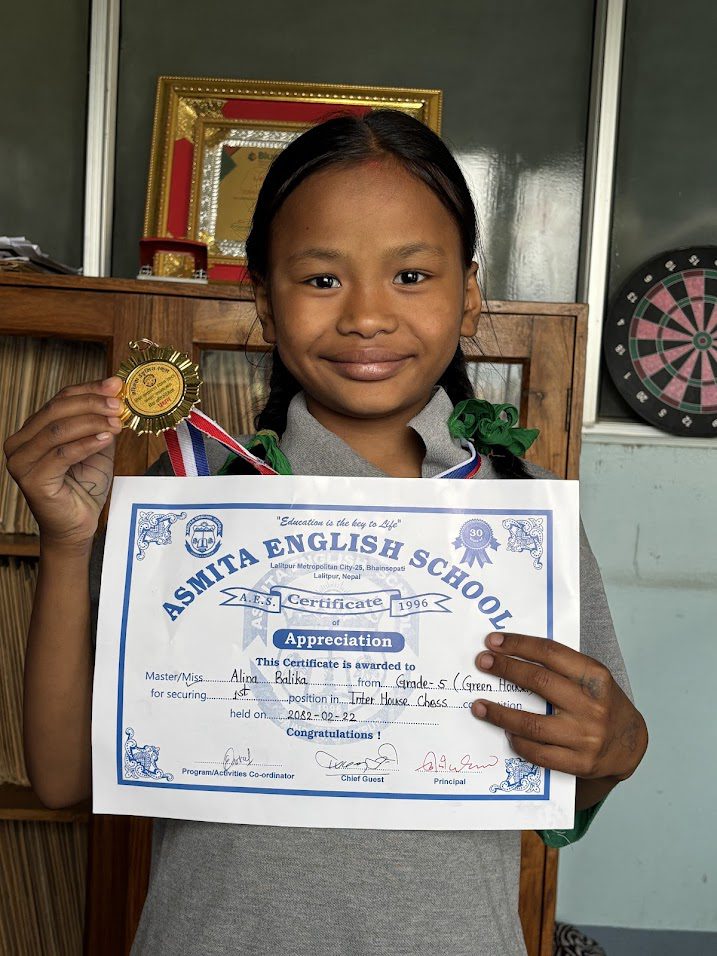
    Our children participated with enthusiasm and diligence, earning recognition for their outstanding performances. Alina secured first place in the inter-house chess competition, demonstrating exceptional strategic ability and focus. In the drawing competition, Salman won first place, and Sailesh was awarded second place. These accomplishments reflect both their individual capabilities and their thoughtful engagement with the day’s environmental focus.

    A Moment of Pride and Encouragement

    The participation of our children in both the awareness campaign and competitive events reflects their dedication to learning, environmental stewardship, and active citizenship. Their achievements bring pride to our home and stand as a testament to the impact of positive encouragement and educational opportunity. We extend our heartfelt congratulations to Alina, Salman, and Sailesh, and remain committed to supporting such meaningful experiences in the future.

    Photos of the Celebration