Author: childrenshome

  • Children’s Home Celebrates Nag Punchami

    Children’s Home Celebrates Nag Punchami

    JULY 2025

    Nag Panchami is a centuries-old Hindu festival celebrated on the fifth day of the bright lunar fortnight (Shukla Paksha) of the month of Shrawan, which usually falls in July or August. The festival is dedicated to Nagas divine serpent deities who hold an important place in Hindu, Buddhist, and local Nepali traditions. In Nepal, the day carries a unique blend of religious reverence, agricultural importance, and environmental awareness.


    According to belief, Nagas are the guardians of water sources such as rivers, springs, lakes, and wells. In an agrarian society like Nepal, water is essential for rice cultivation and sustaining life, so worshipping the Nagas is seen as a way to invite good rainfall, ensure agricultural prosperity, and protect the land from droughts or floods. Mythological stories, including Lord Krishna’s victory over the serpent Kaliya Naag and references in scriptures like the Mahabharata and Skanda Purana, reinforce the idea of Nagas as powerful protectors and providers.


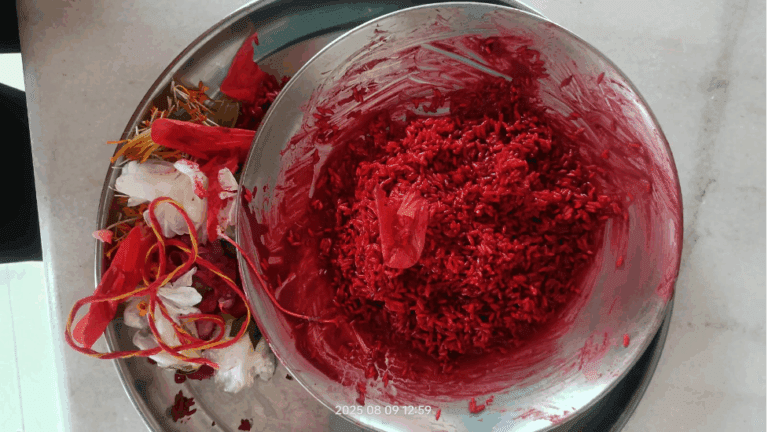
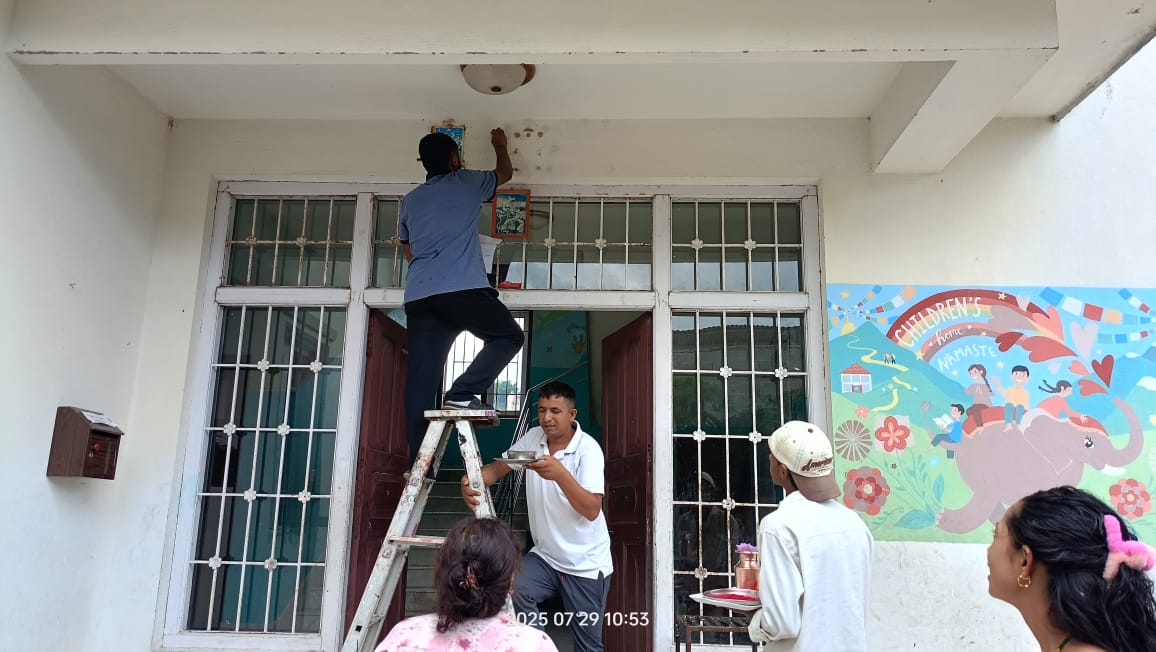
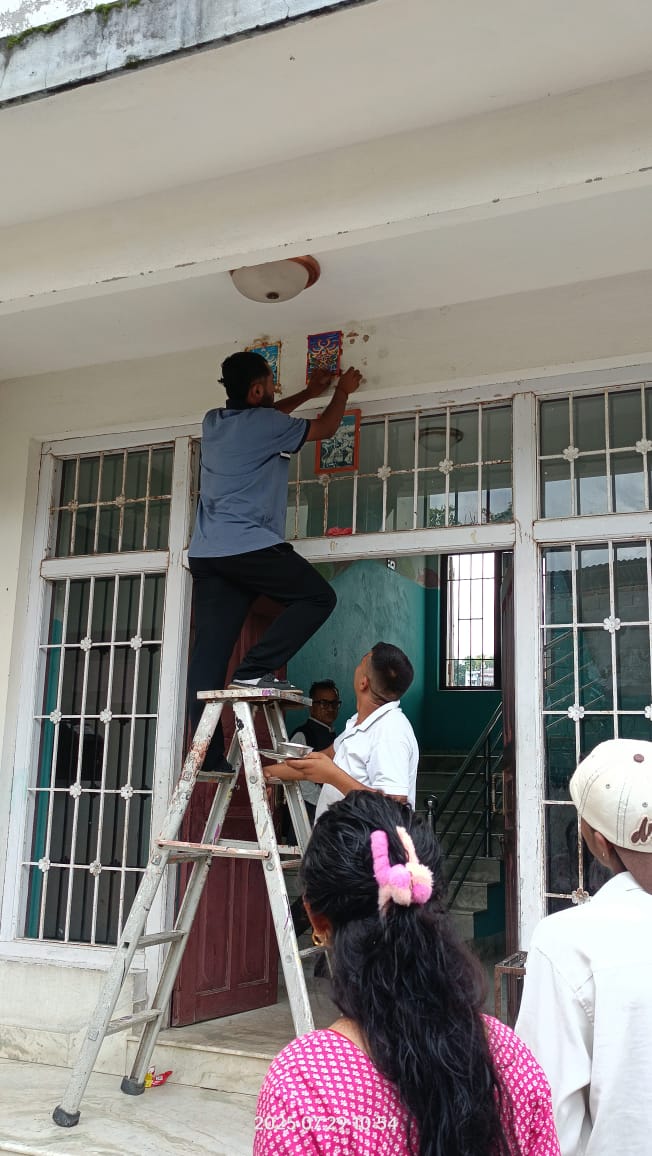
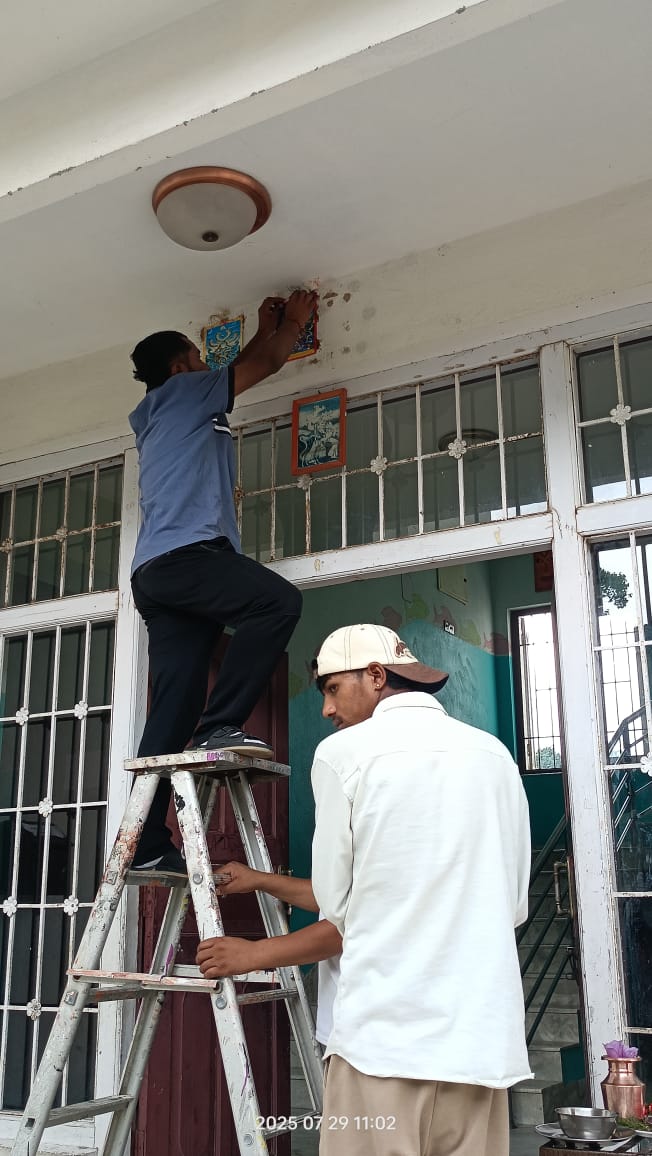
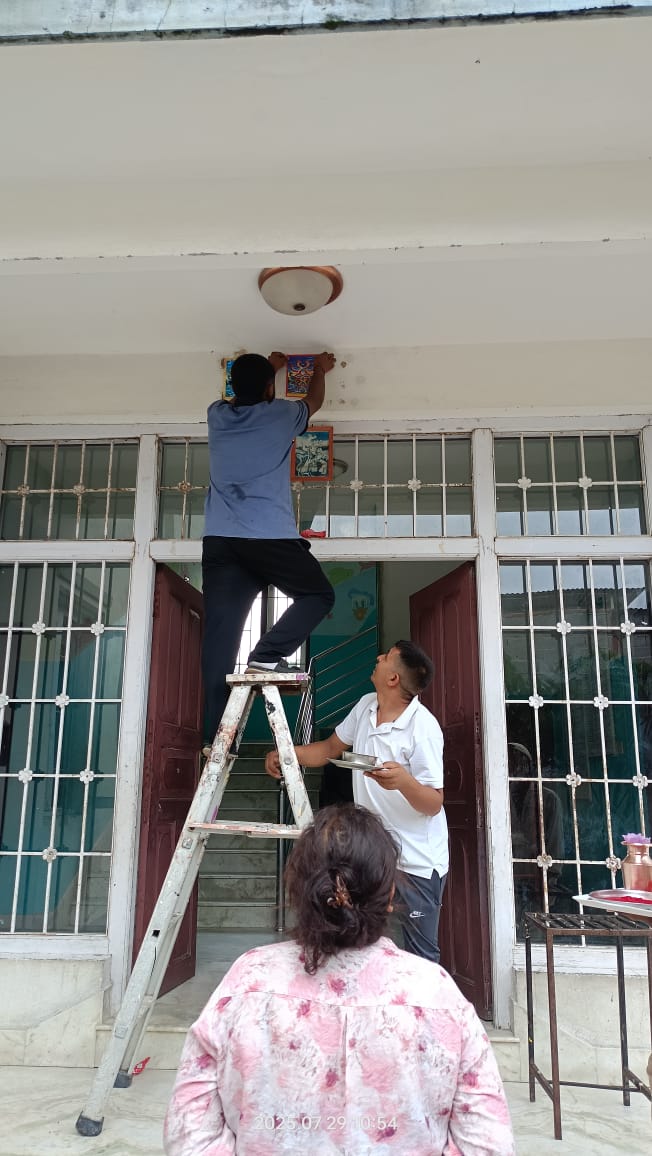
    On this day, families paste printed or hand-drawn images of Nagas above the entrance of their homes to ward off misfortune and evil spirits. Devotees visit sacred sites such as Nag Pokhari in Kathmandu, Taudaha Lake, and other snake-related shrines to offer milk, rice pudding (kheer), flowers, red powder (abir), and dubo grass. In many rural areas, people also perform rituals near wells, ponds, and fields, symbolically honoring nature and the water cycle.


    Beyond its spiritual dimension, Nag Panchami serves as a traditional reminder of the need to respect and conserve water resources, avoid polluting natural habitats, and live in harmony with all creatures, including snakes. It reflects Nepal’s deep-rooted culture of combining faith, environmental stewardship, and community celebration into one festival that has been passed down for generations.


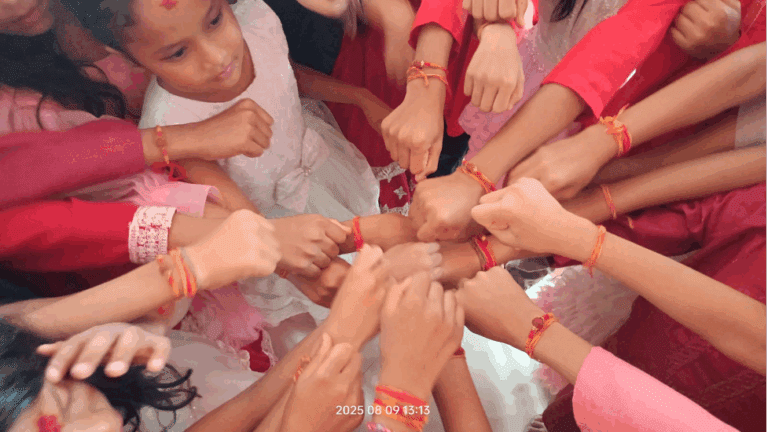
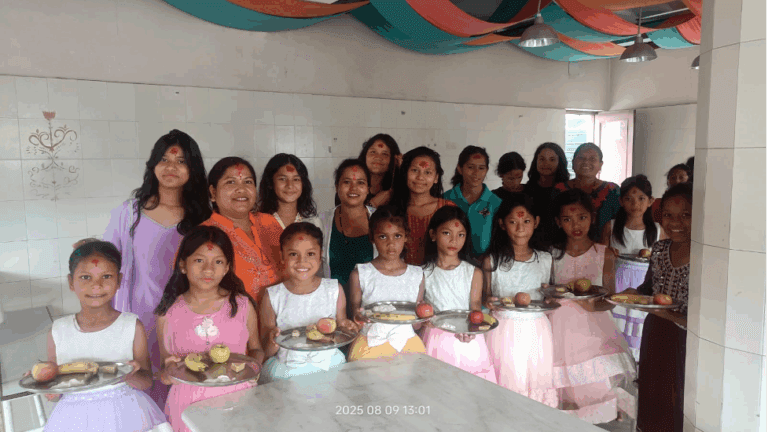
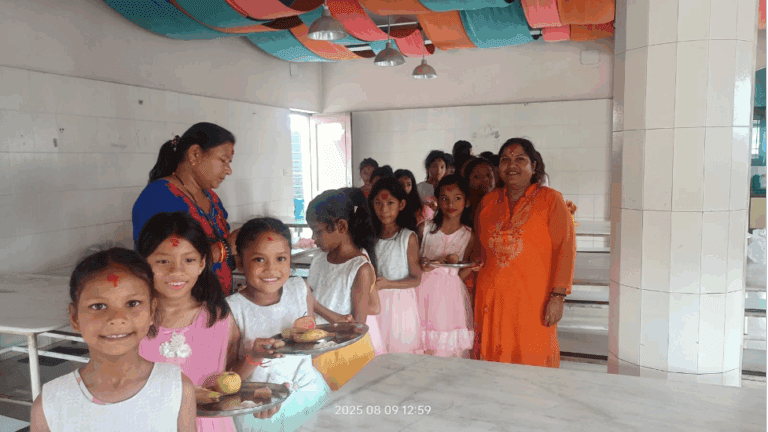
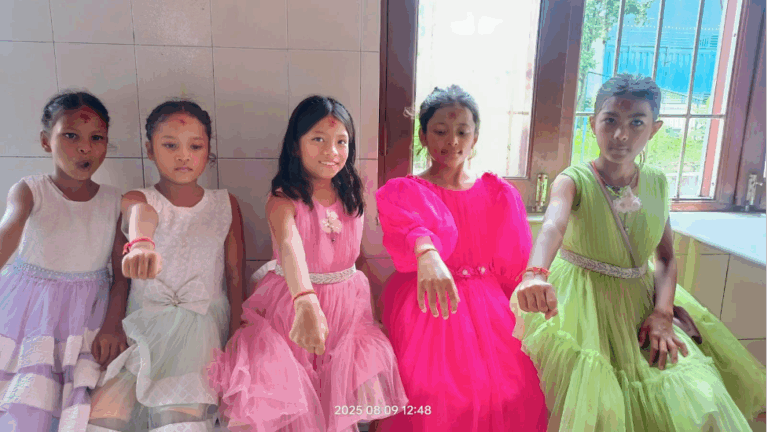
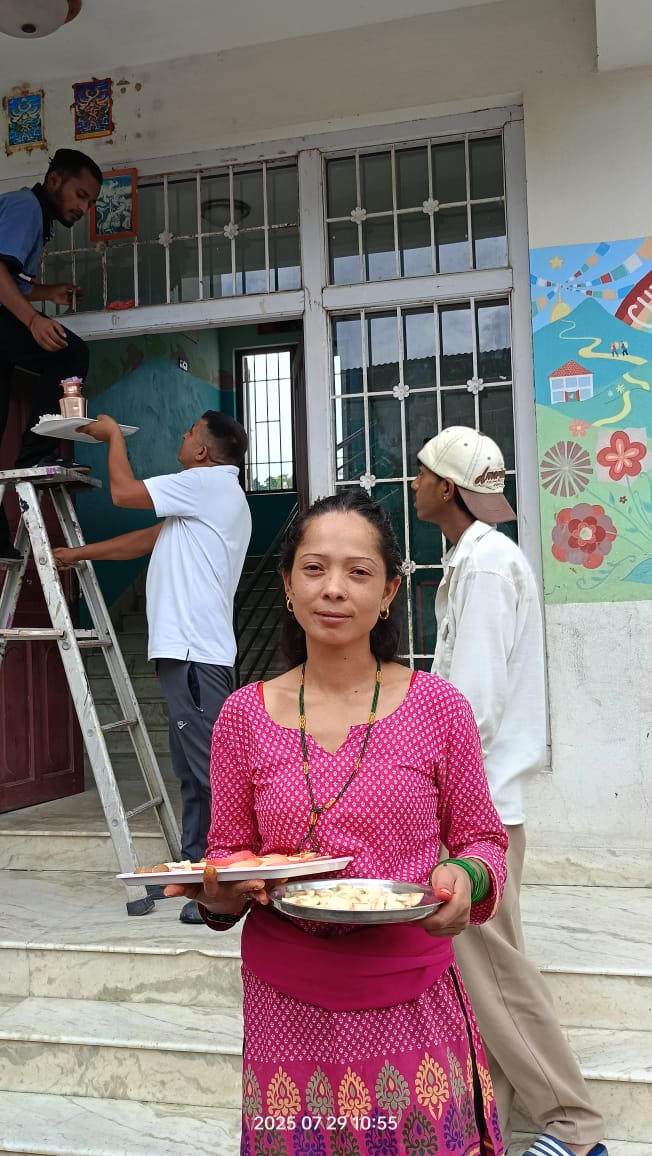
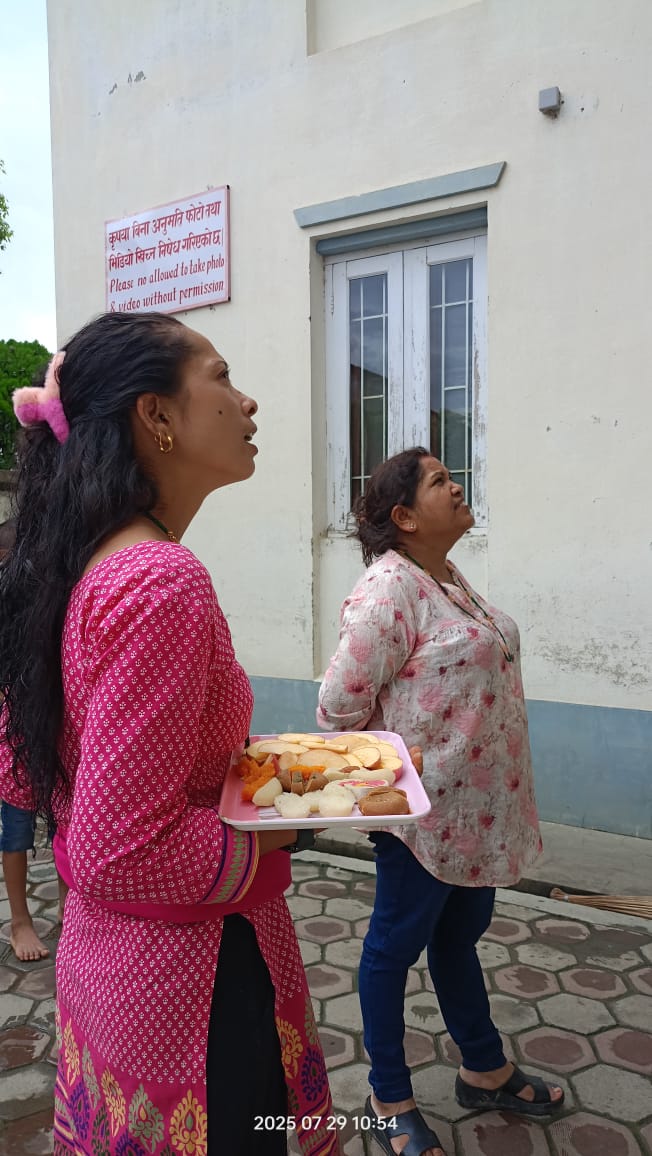
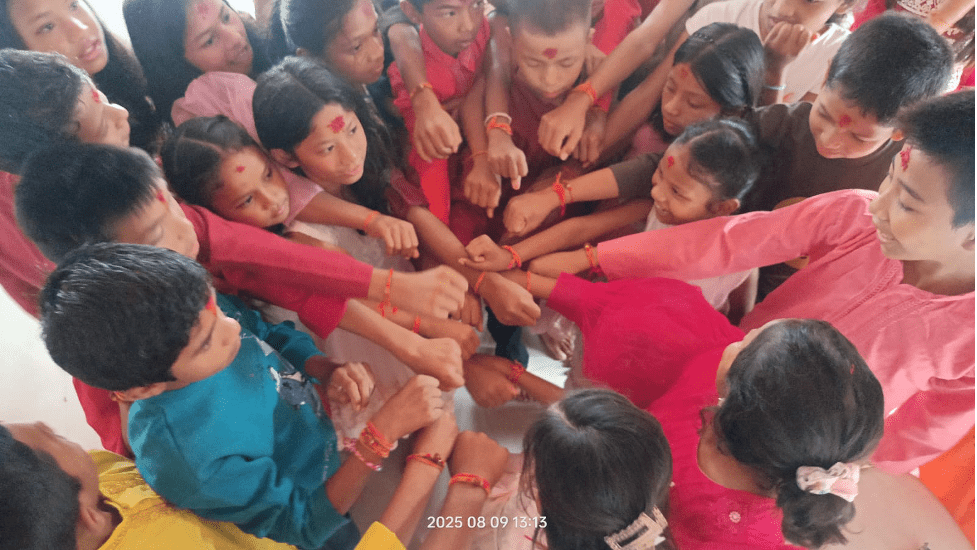
    At the Children’s Home, we observed Nag Panchami by honoring the traditional custom of pasting Naga images above the entrance of our home. This symbolic act represents seeking the blessings and protection of the divine serpent deities, who are believed to guard against misfortune and ensure prosperity. The children joyfully participated in the activity, learning about the cultural and religious significance of Nag Panchami, including the role of Nagas as protectors of water sources and the importance of respecting nature. Through this simple yet meaningful celebration, we preserved an age-old tradition while also helping the children connect with Nepal’s rich cultural heritage.

  • Children’s Home Celebrates Shrawan 15 Kheer Khani Din

    Children’s Home Celebrates Shrawan 15 Kheer Khani Din

    31st July 2025

    Shrawan 15, also known as Kheer Khane Din, is a traditional day celebrated in Nepal with the special preparation and sharing of kheer a sweet rice pudding made with milk, rice, sugar, and ghee. Observed on the 15th day of the Nepali month of Shrawan (around late July or early August), this day marks the mid-point of the holy month of Shrawan, which is considered auspicious, especially for religious activities and fasting. Families prepare kheer as an offering to deities and also as a way to bond over a special meal. It symbolizes purity, prosperity, and cultural unity. People often share kheer with neighbors, friends, and community members, promoting togetherness and goodwill. In many schools, homes, and institutions, the day is celebrated with simple gatherings where everyone enjoys a bowl of warm, delicious kheer.

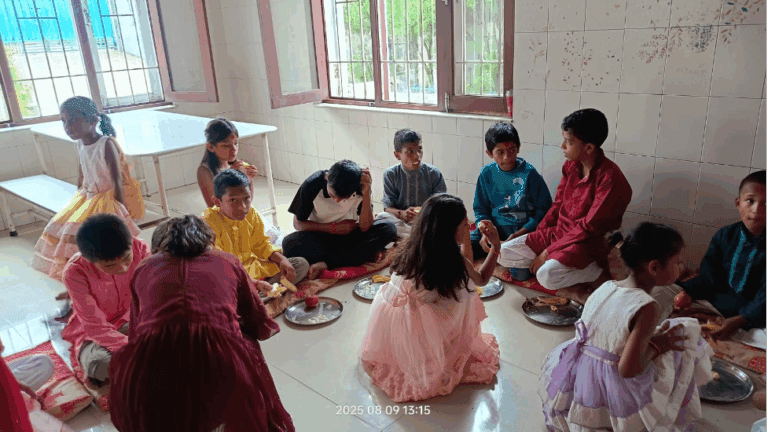
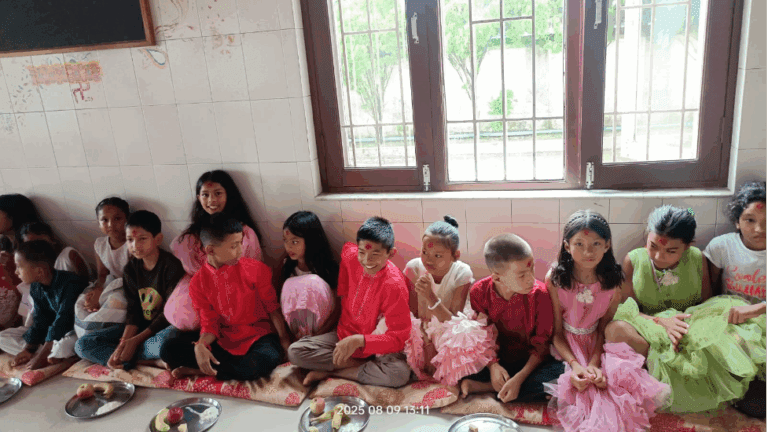
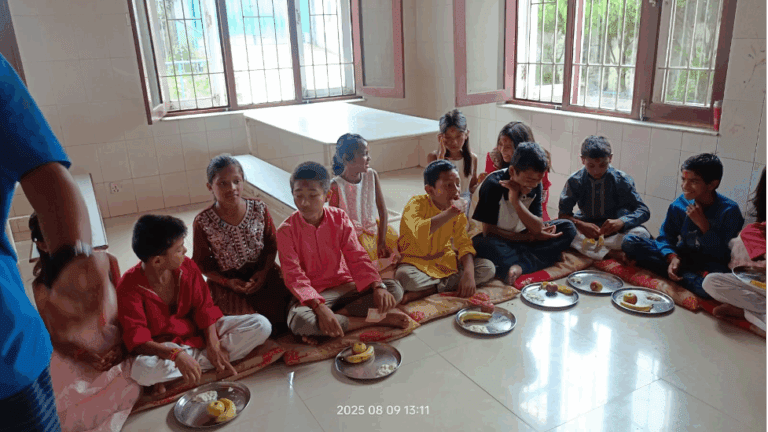
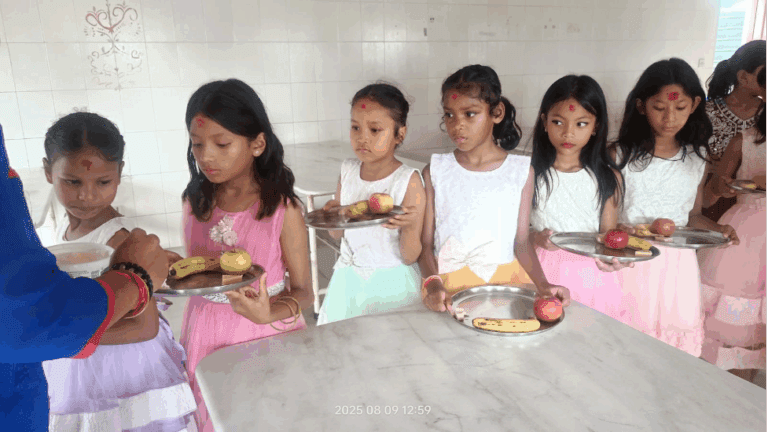
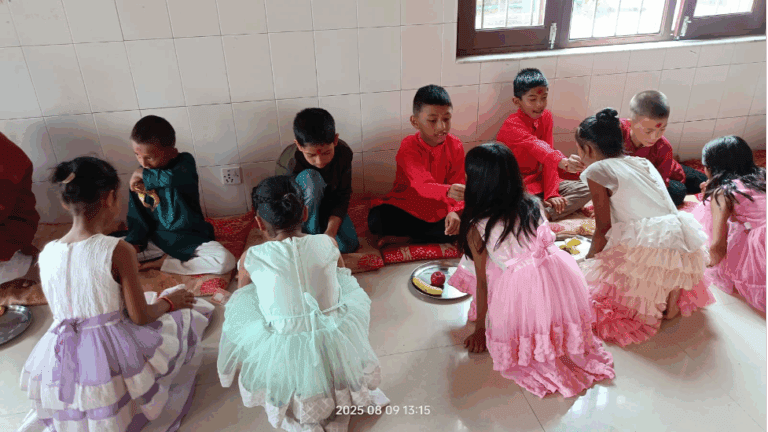
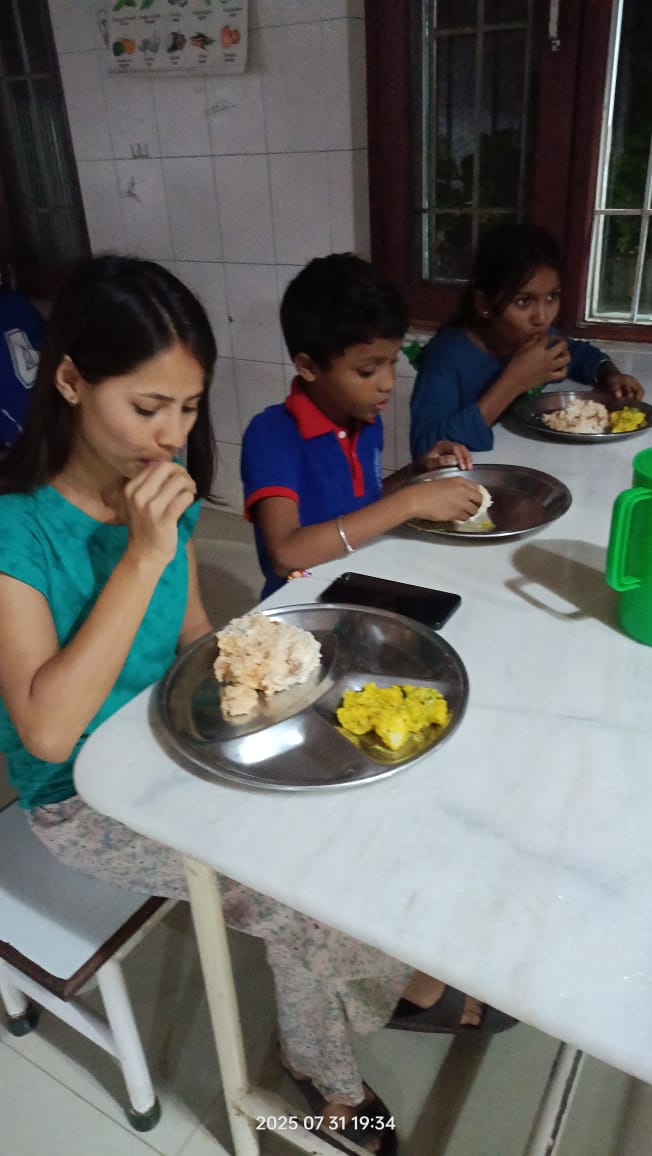
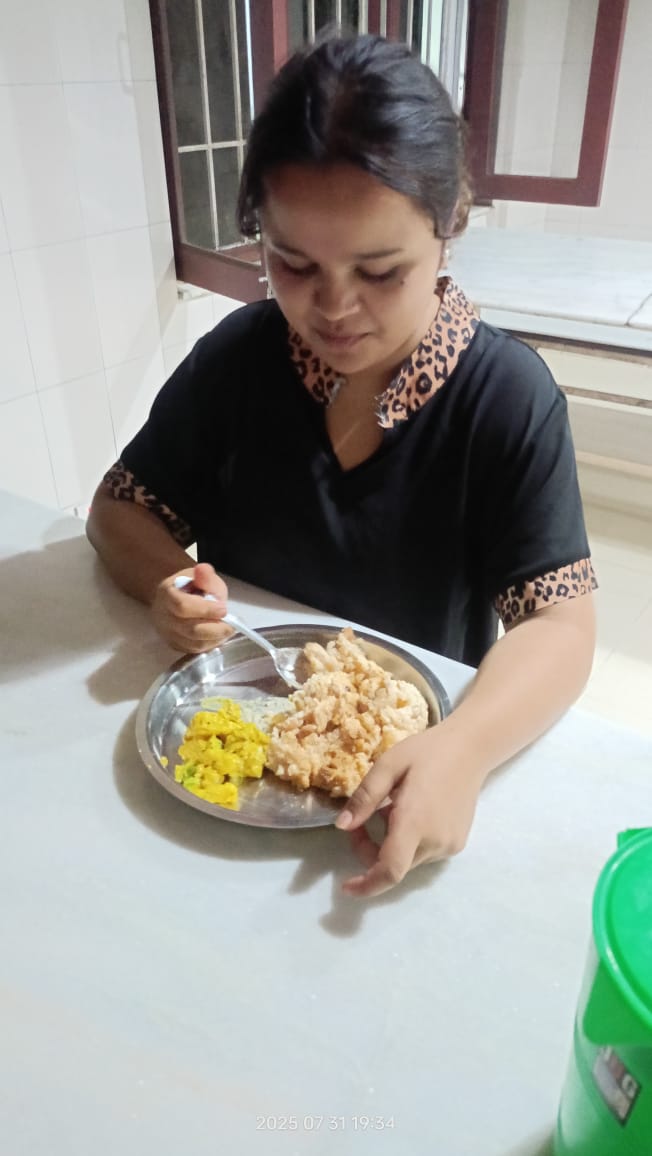
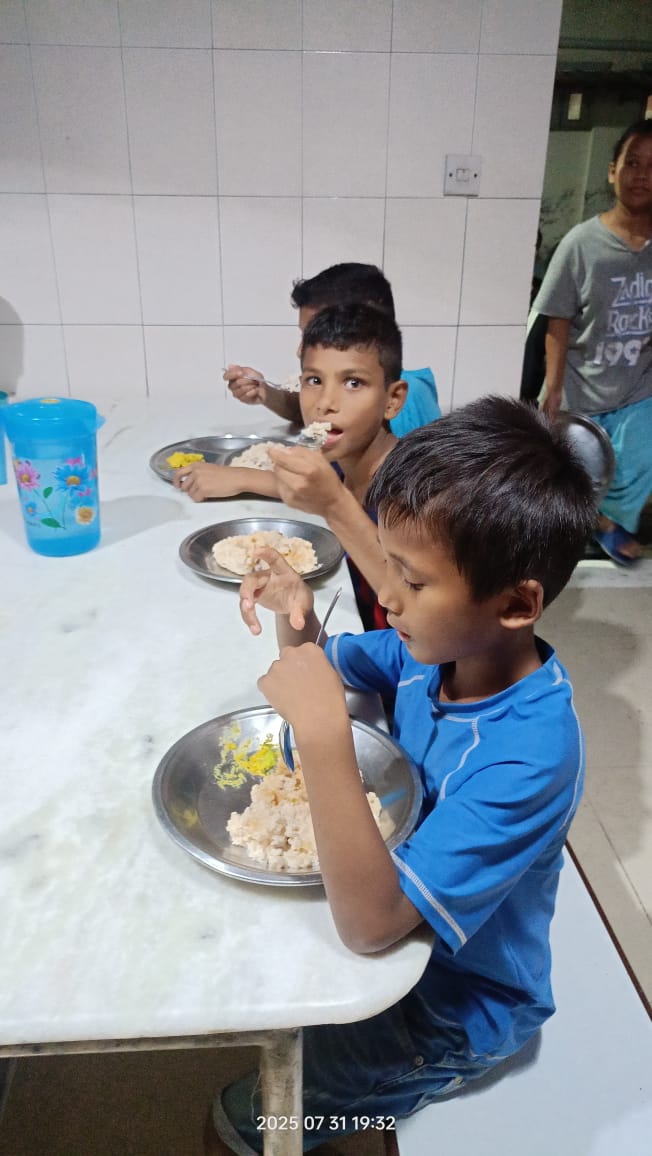
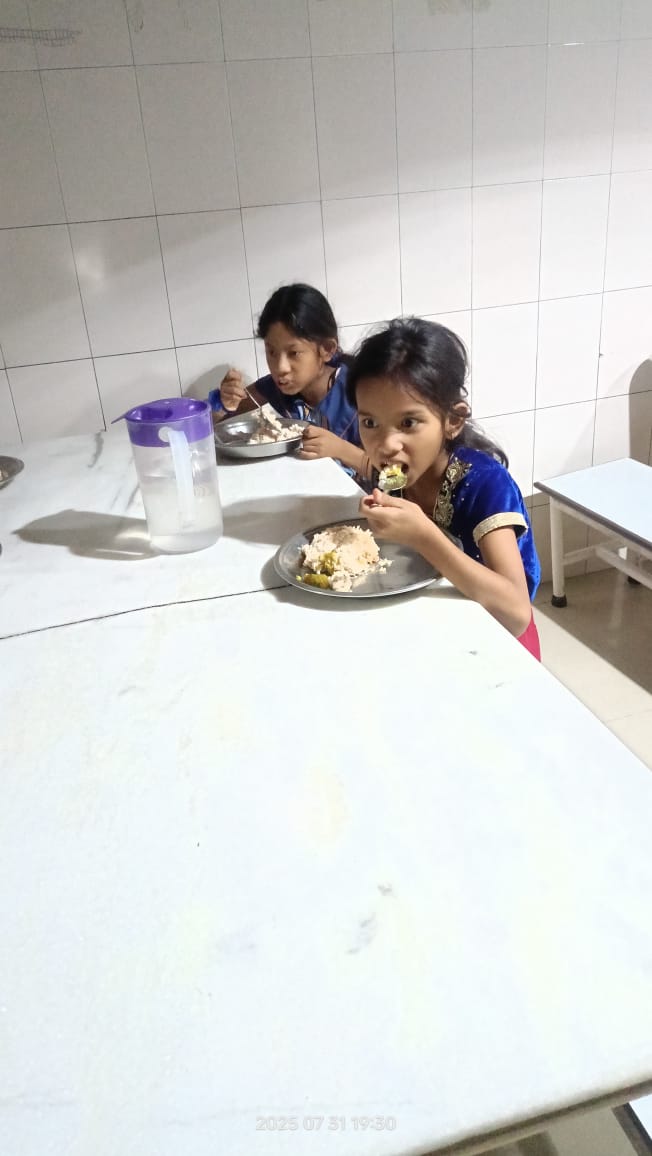
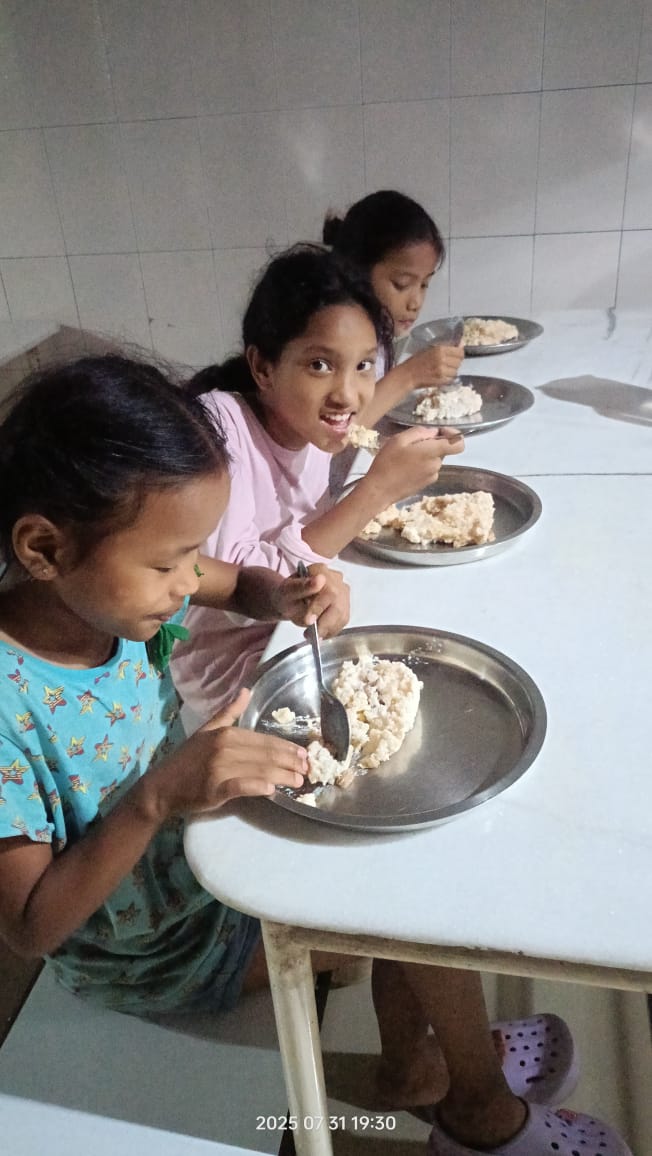
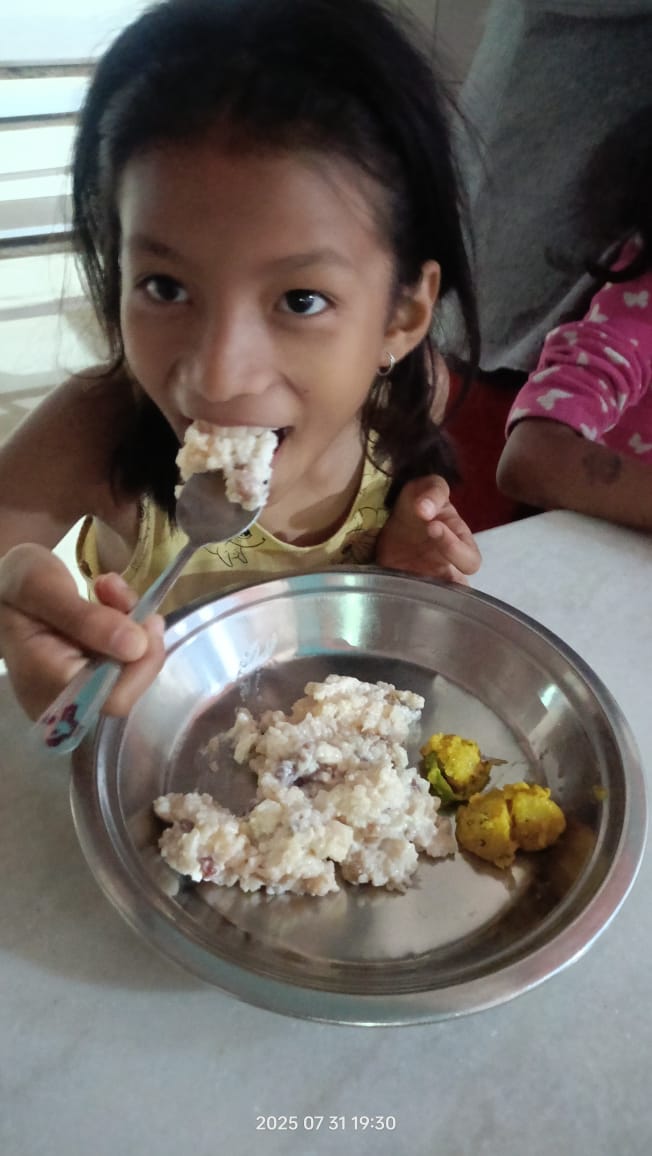
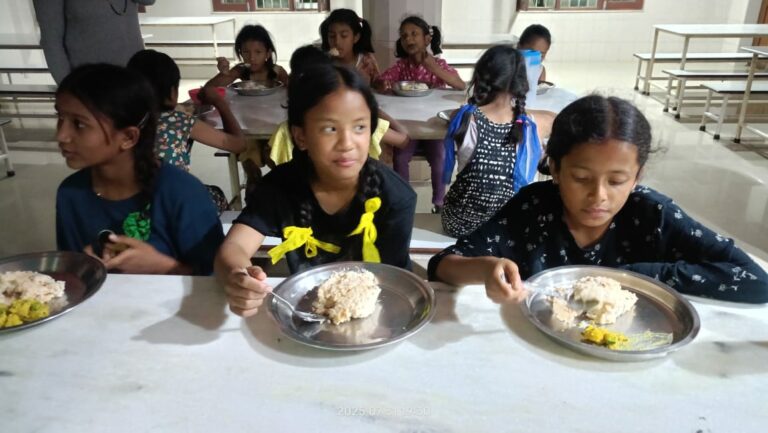
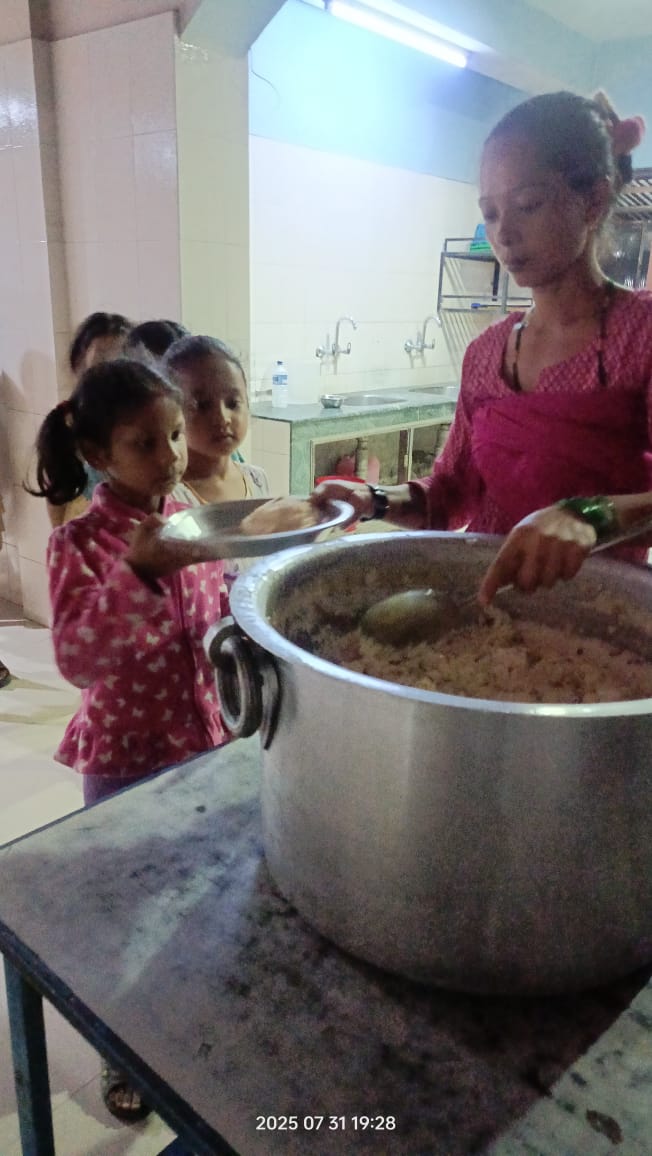
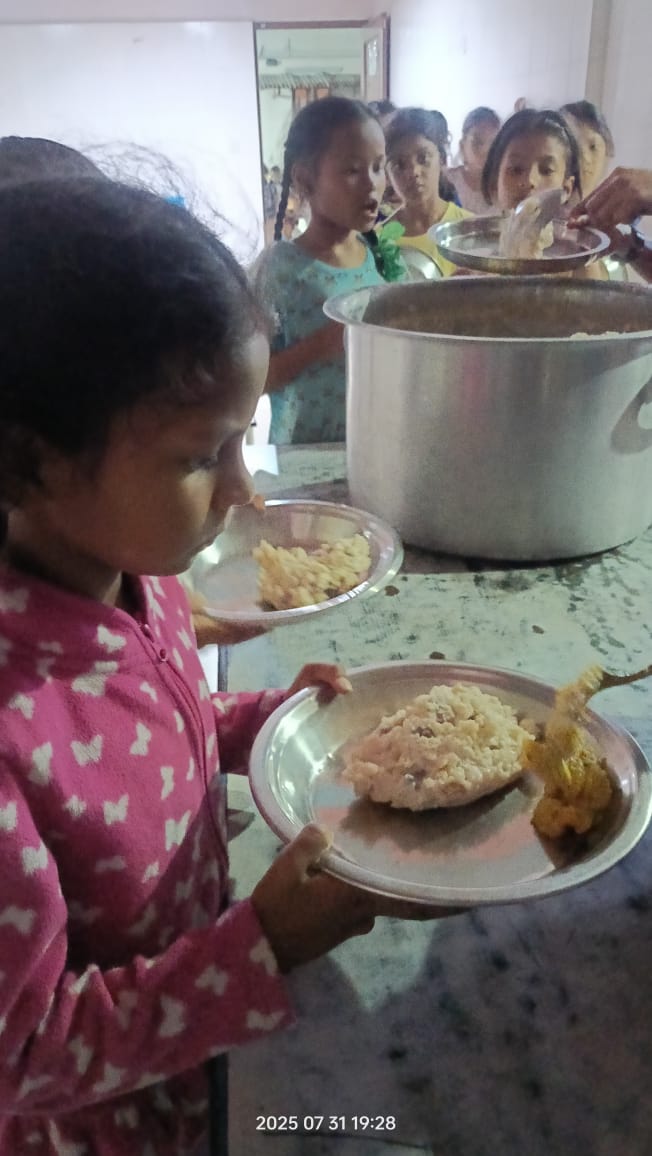
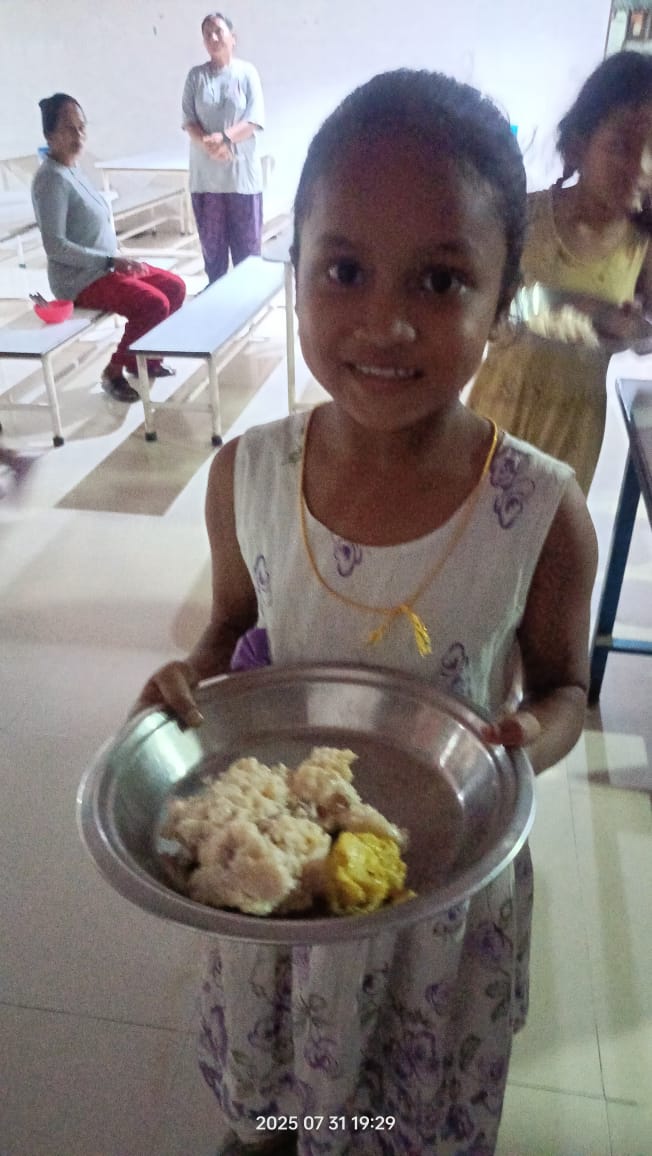
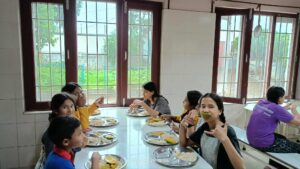
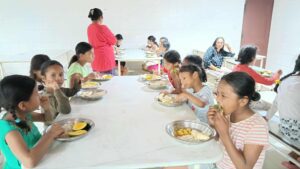
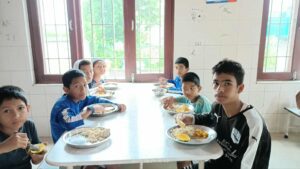
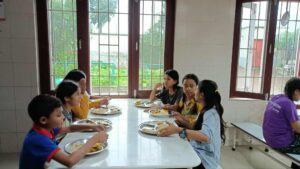
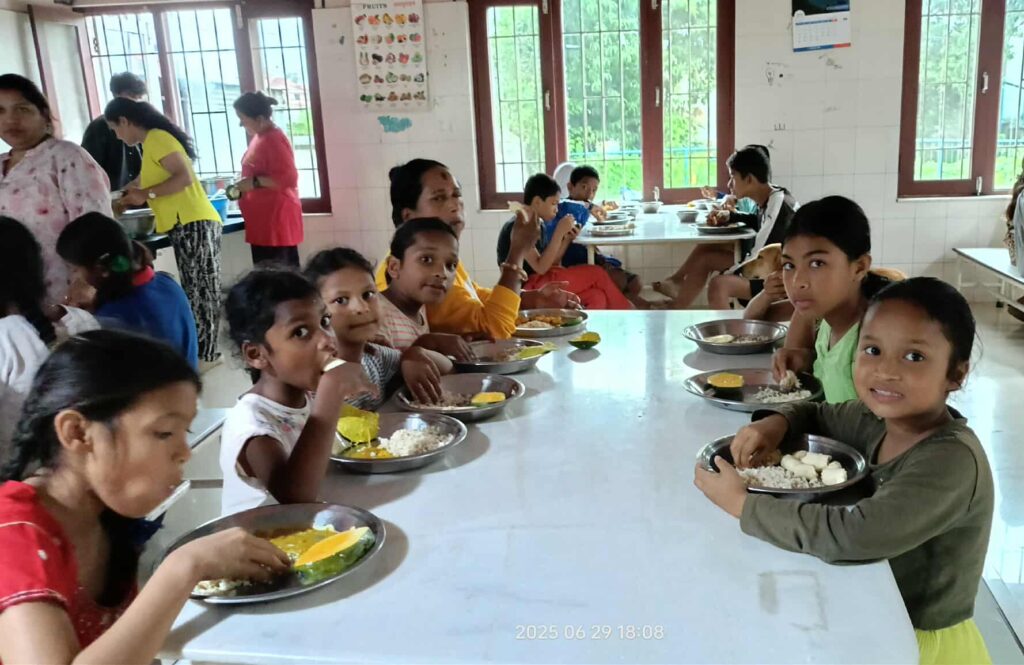
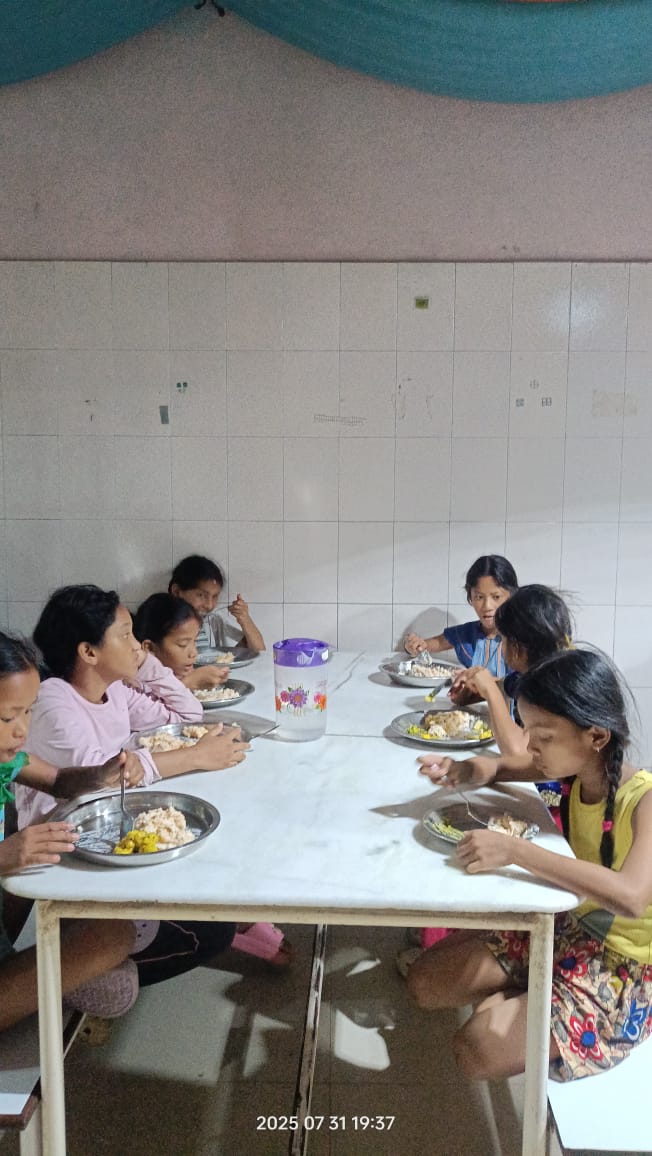
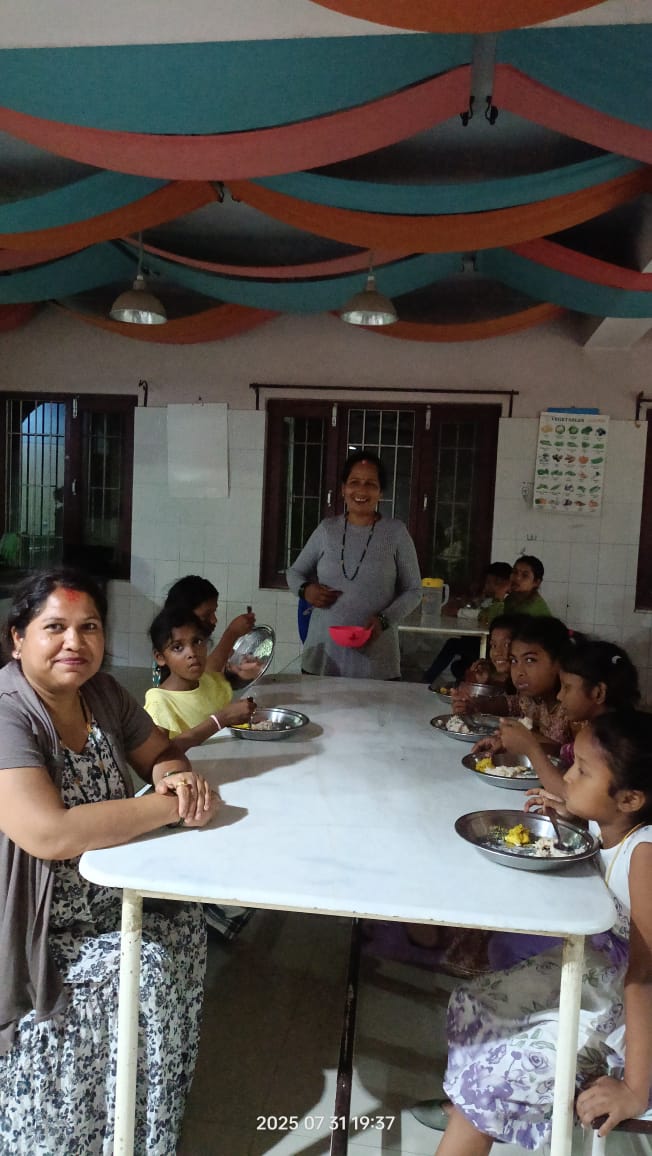
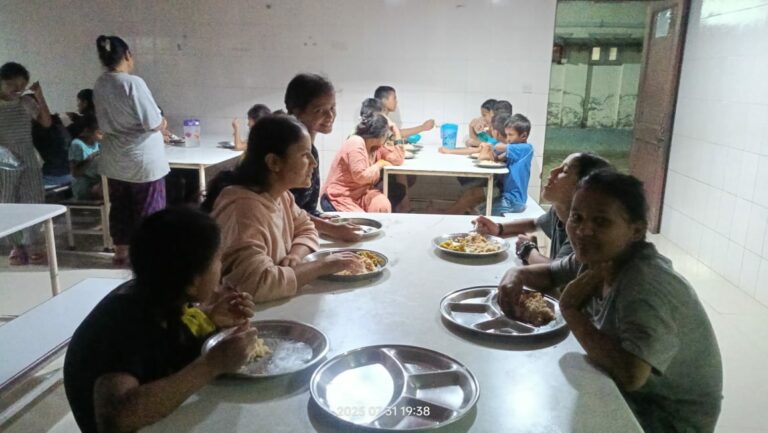
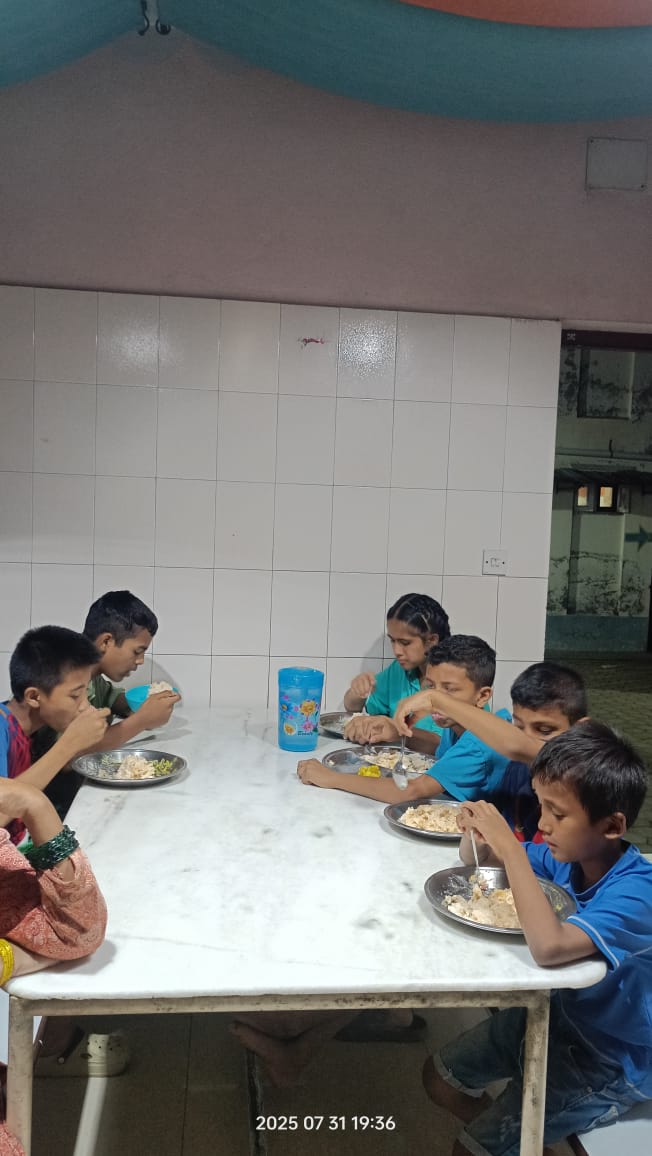
    On the evening of Shrawan 15 (July 31, 2025), the Children’s Home joyfully celebrated Kheer Khane Din, a traditional day in Nepali culture that brings people together through the sharing of kheer (rice pudding). The atmosphere was warm and cheerful, with everyone gathered around the dining tables to enjoy a special meal.A warm and delicious bowl of kheer was specially prepared and served to everyone. The children enjoyed the treat with great joy and enthusiasm. This simple celebration not only allowed them to experience a meaningful Nepali tradition but also encouraged a sense of togetherness, cultural pride, and happiness within the home.

    The photos capture heartfelt moments of the children and staff enjoying the delicious kheer along with other traditional dishes. Smiles, laughter, and meaningful conversations filled the dining space. The children were visibly excited, and the staff members shared the meal with them like a big family, creating a sense of love, care, and unity.

    The celebration not only allowed the children to enjoy a traditional Nepali meal but also helped them connect with cultural values and the joy of togetherness.

  • A Celebration: Ms. Saru’s Birthday

    A Celebration: Ms. Saru’s Birthday

    Birthdays are celebrated to honour the gift of life and to recognize the importance of each individual. They serve as a special reminder of the day someone was born and the journey they have taken so far. Celebrating a birthday is a way to express love, appreciation, and gratitude toward that person. It creates a moment to reflect on the past year acknowledging achievements, growth, and challenges and to look forward to new goals and experiences. Birthdays also strengthen relationships, as friends, family, or community members come together in joy and unity. Whether simple or grand, such celebrations make people feel valued, seen, and loved. Especially for children, birthday celebrations build confidence, emotional connection, and beautiful memories that last a lifetime.

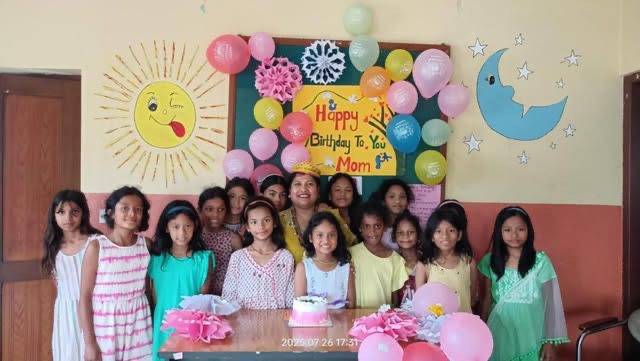
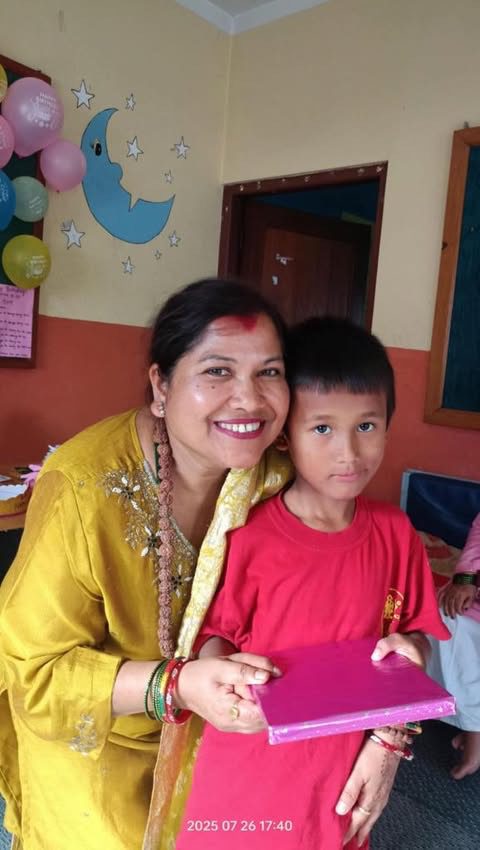
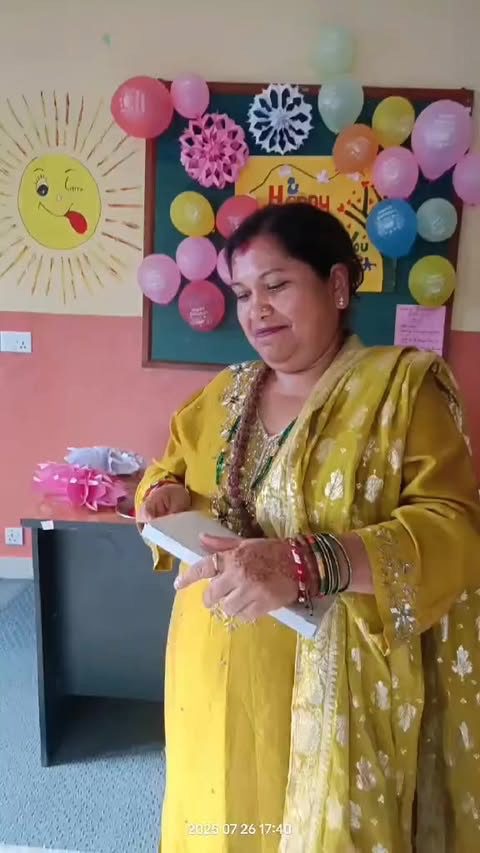
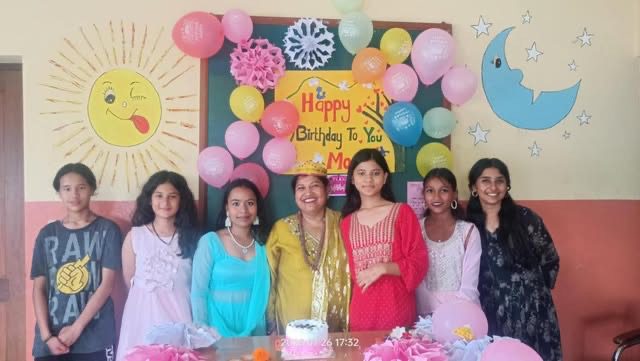
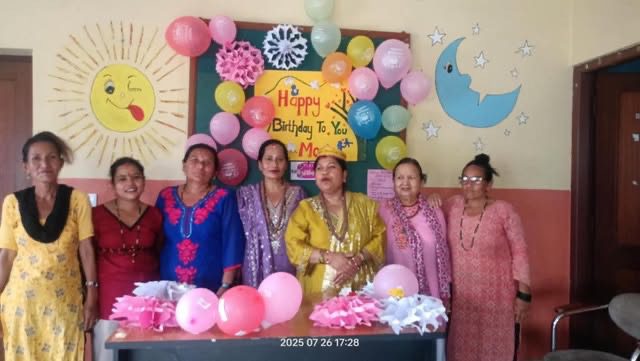
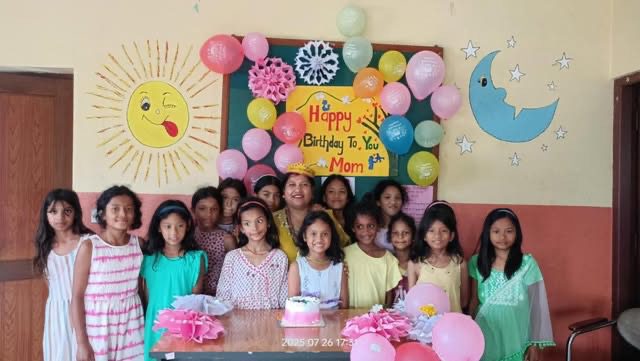
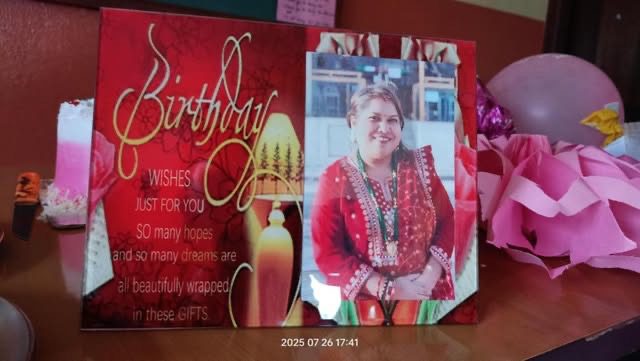
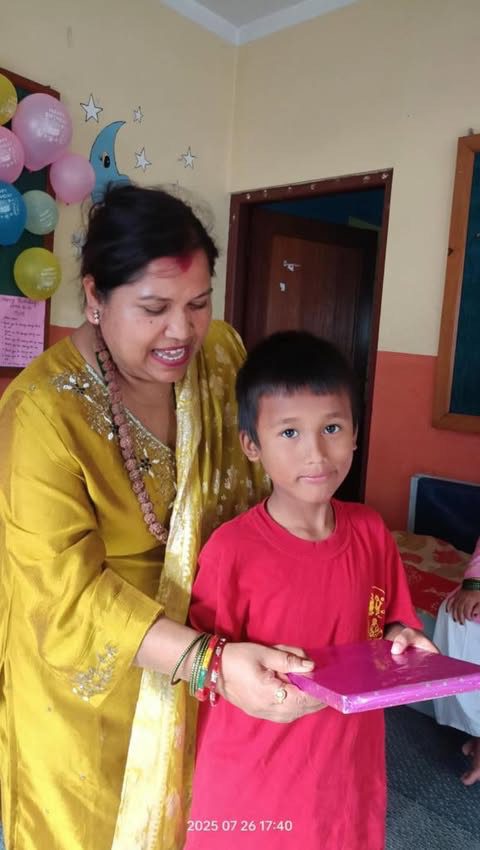
    This year, on July 26th, 2025, the Children’s Home celebrated the birthday of Ms. Saru Lohar, lovingly known as Mom by the children, in a heartwarming and joyful way.

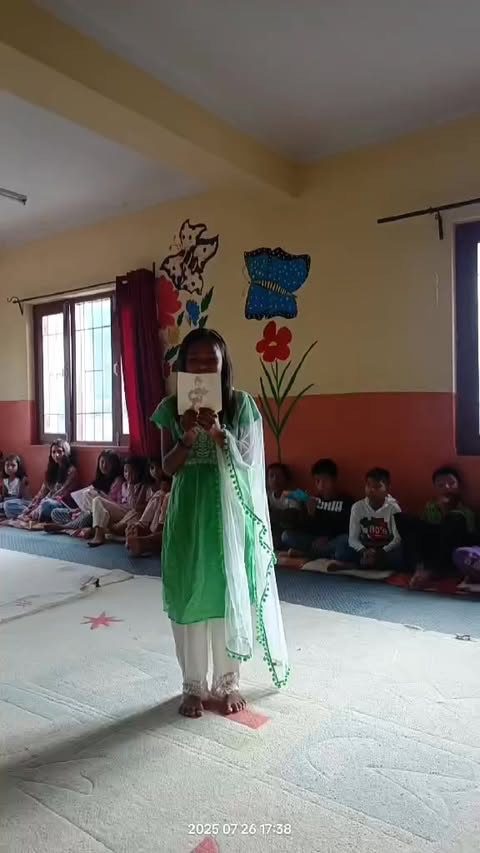
    From early morning, the children were filled with excitement and love. They dressed in their best clothes, prepared handmade greeting cards, and worked together to decorate the room with colorful balloons and flowers. Their enthusiasm and effort made the whole place look festive and full of life.

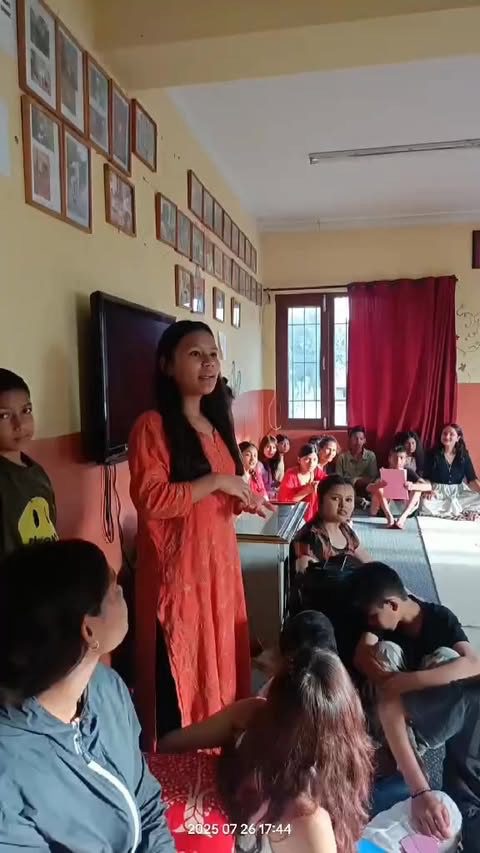
    As part of the celebration, the children prepared and delivered heartfelt speeches in honour of Saru Lohar Ma’am. One by one, they stood confidently in front of everyone and expressed their love, gratitude, and respect for her. Some shared personal memories, while others spoke about how much Ma’am’s guidance and care meant to them. Their words were full of emotion, and it was clear that they spoke from the heart. These speeches not only made the occasion more special, but also reflected the strong bond between Ma’am and the children. Their performances showed confidence, creativity, and deep appreciation making it one of the most touching parts of the event.

    Saru Ma’am gave a beautiful speech where she expressed that she values words and heartfelt messages more than material gifts. She thanked all the children for their love and efforts, and wished them well for their future, especially in education and good behavior.

    The most exciting part was the cake cutting. The children were filled with excitement and joy as the moment to cut the birthday cake finally arrived. Their eyes sparkled with anticipation, and they gathered eagerly around Saru Ma’am, clapping and cheering. For many of them, this was the most awaited part of the celebration a moment of pure happiness, laughter, and shared sweetness. The joy on their faces as they received their slices of cake made it clear that this simple gesture brought them immense delight and unforgettable memories.

  • Ranjit’s Visit to the Children’s Home

    Ranjit’s Visit to the Children’s Home

    July 2025

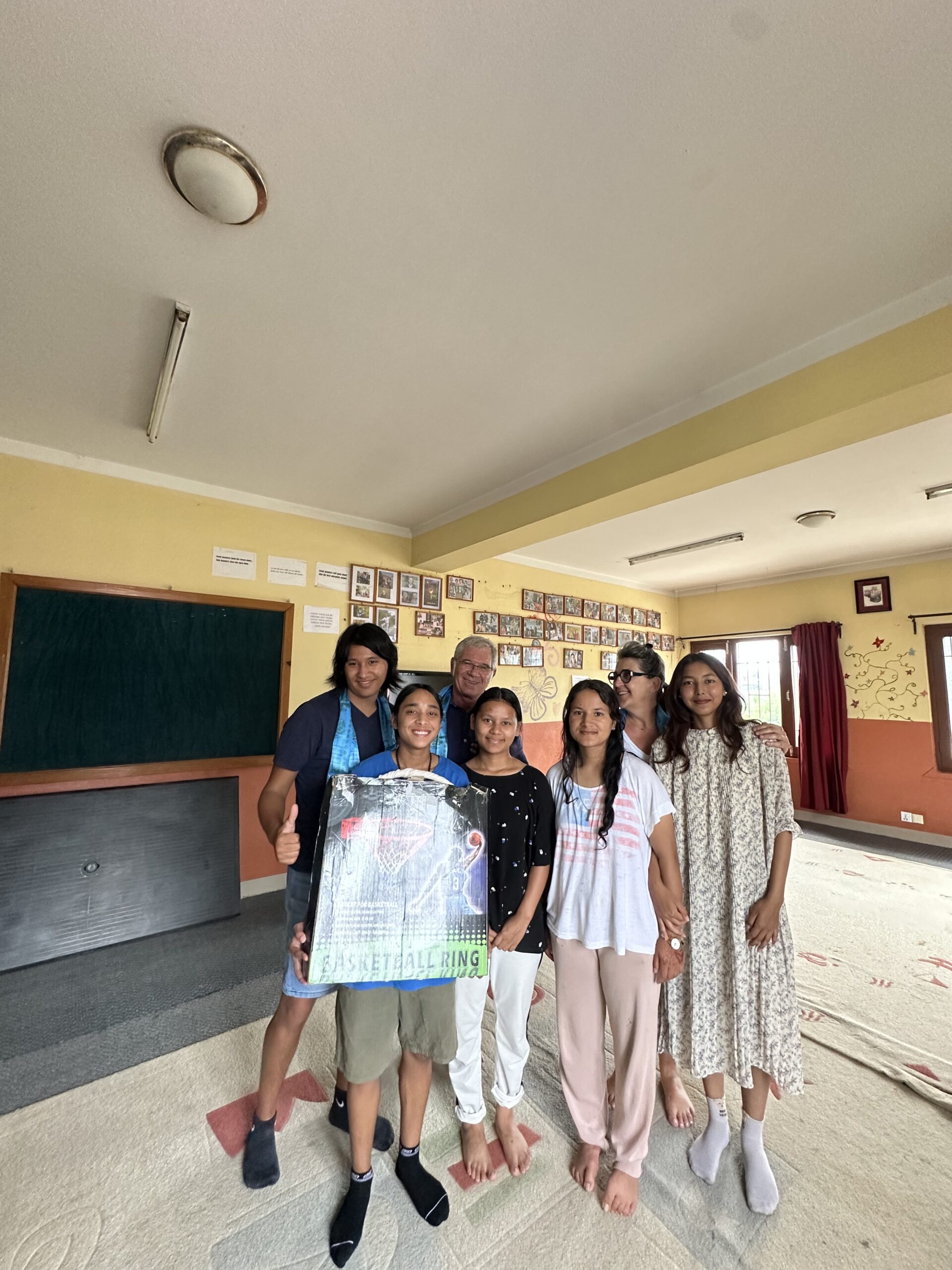
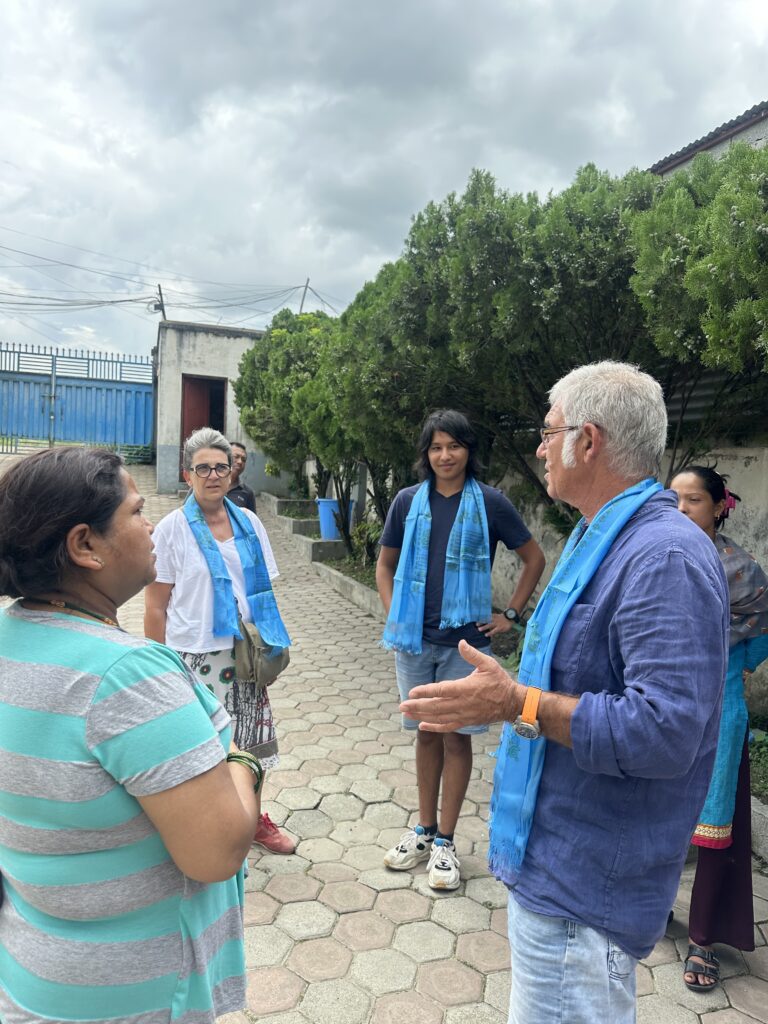
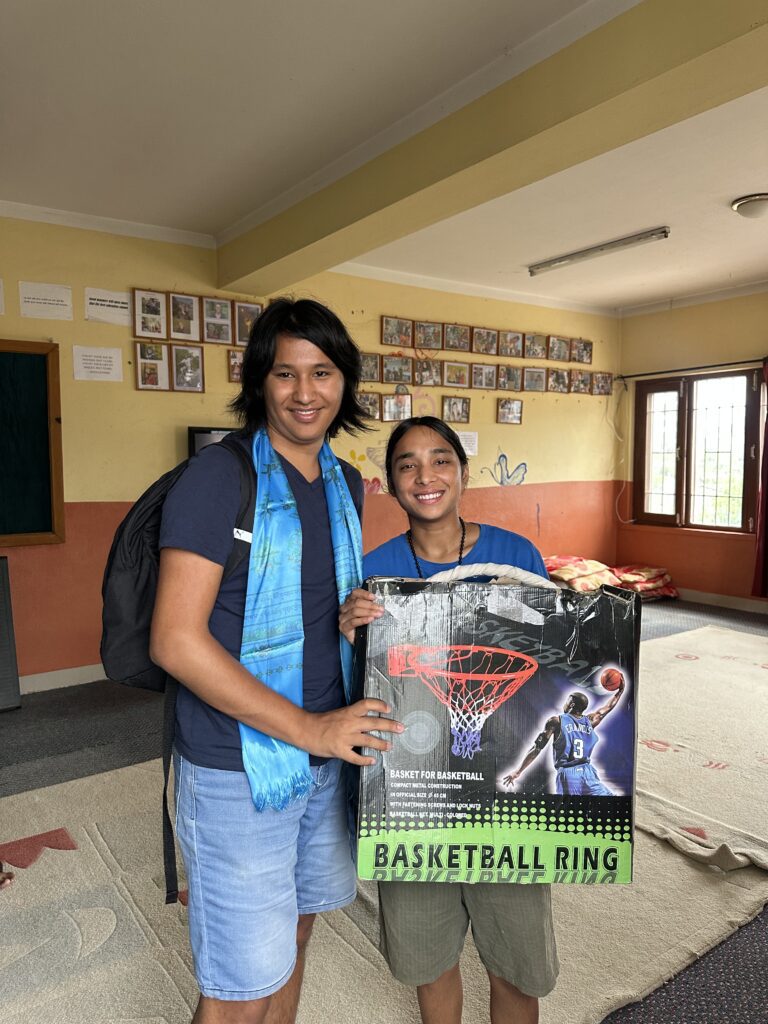
    On July 23rd, the Children’s Home had the pleasure of welcoming back Ranjit, a former resident who had spent his formative years at the home. The anticipation among the children was palpable as they eagerly awaited his arrival, knowing that his visit would bring joy and inspiration. Ranjit returned to the place he once called home, bringing with him not only fond memories but also a heartfelt connection that touched everyone present.

    Ranjit’s return was met with warmth, smiles, and deep emotions from caregivers and staff who had known him as a child. Accompanied by his adoptive family, he took time to walk through the premises, engage with the current children, and reconnect with those who had cared for him. His presence filled the space with gratitude, reflection, and renewed bonds. The visit included a friendly gathering where Ranjit and his family sat with caregivers, sharing stories and enjoying tea. A small welcome program was organized indoors, where staff and children interacted joyfully, and laughter echoed through the rooms.

    The day concluded with warm conversations, group photos, and promises to stay connected. For both Ranjit and the Children’s Home, this reunion was a celebration of growth, belonging, and the beautiful impact of lifelong ties. A heartfelt thank you to Ranjit and his family for making the visit so meaningful and memorable. It was truly a day to cherish one that reinforced the importance of family, compassion, and the deep-rooted bonds that time can never erase.

  • Children’s Home Celebrates Shrawan A Month Of Devotion And Rituals

    Children’s Home Celebrates Shrawan A Month Of Devotion And Rituals

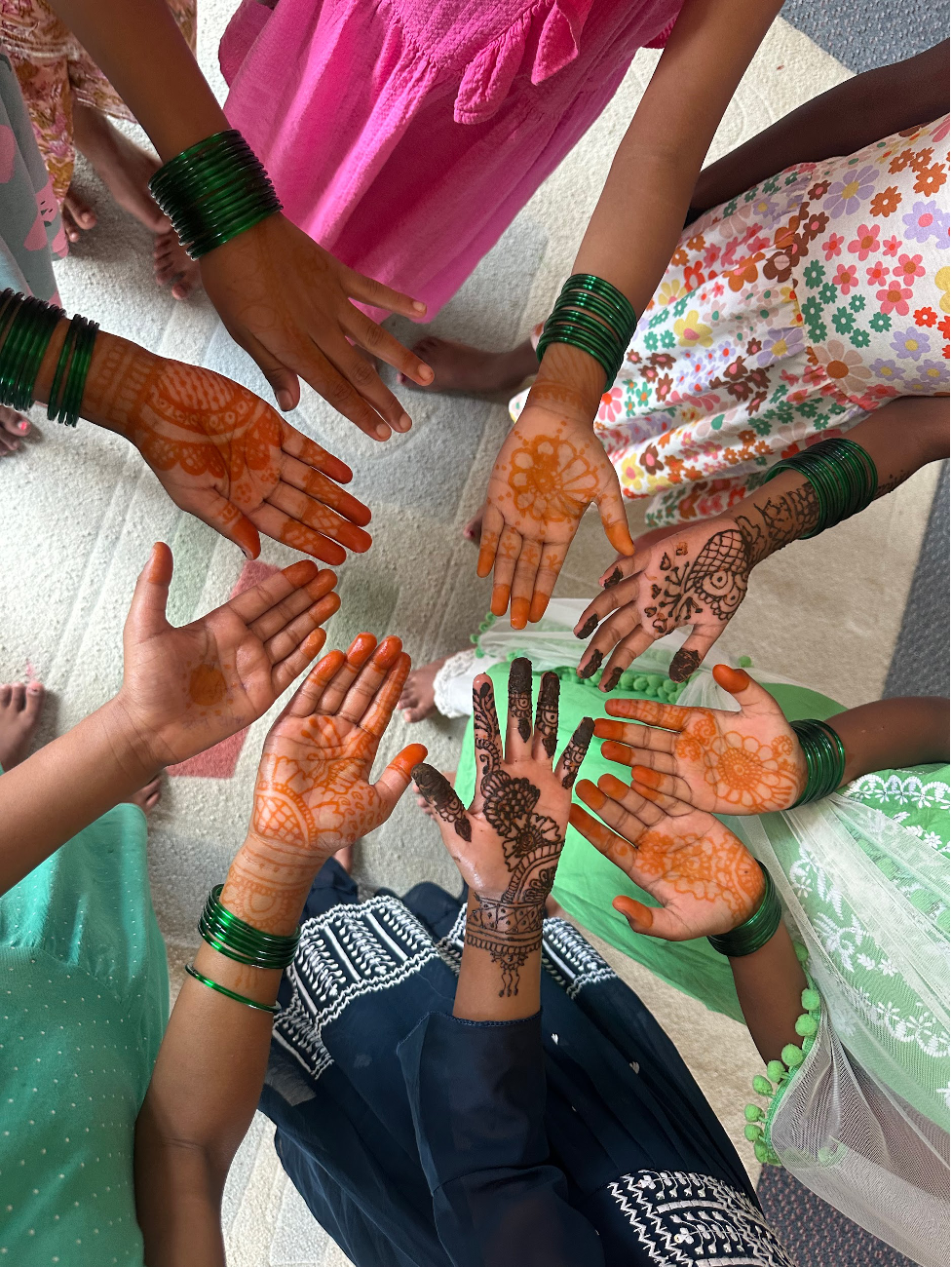
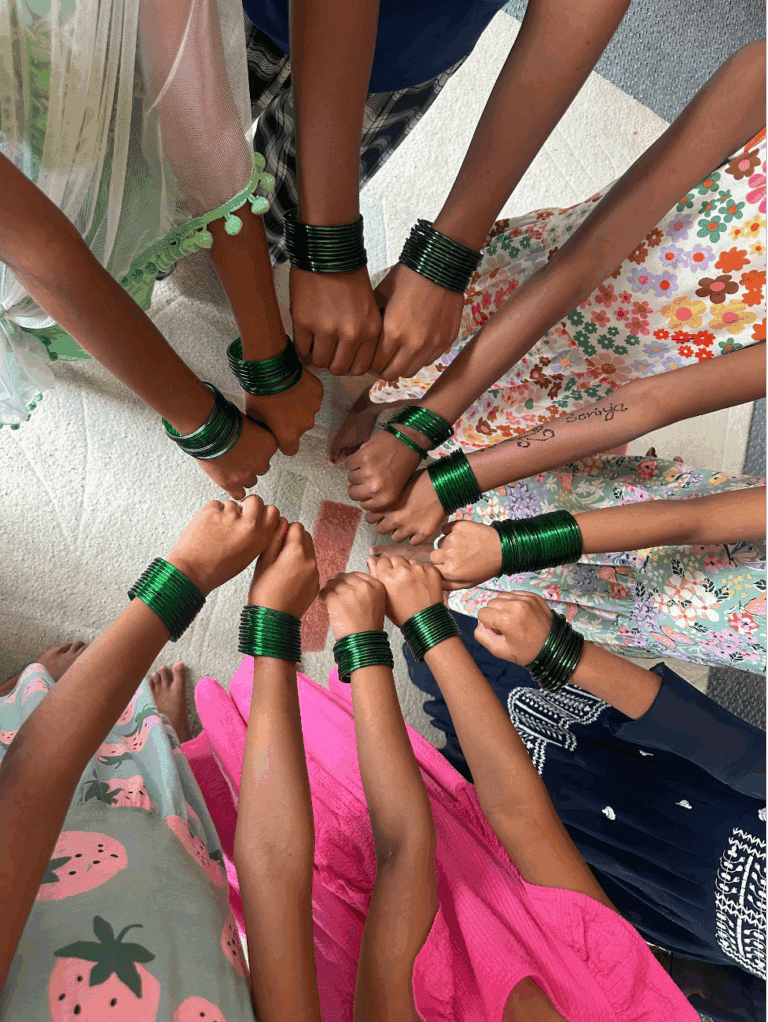
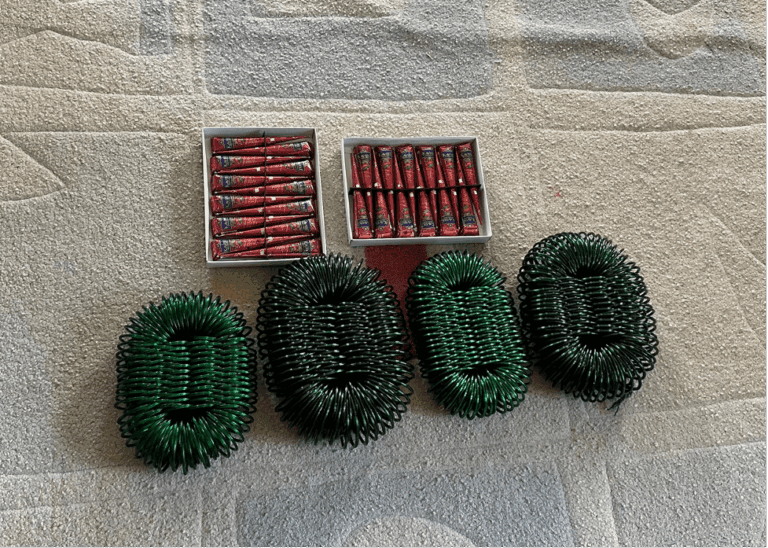
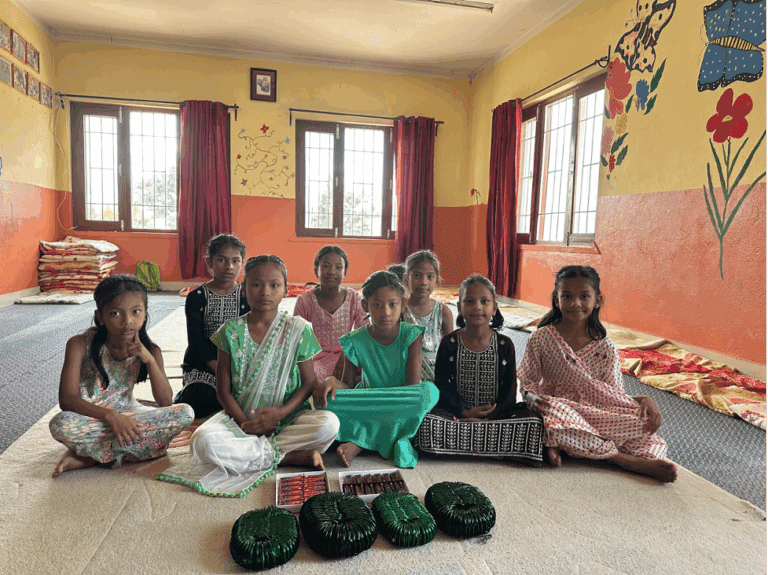
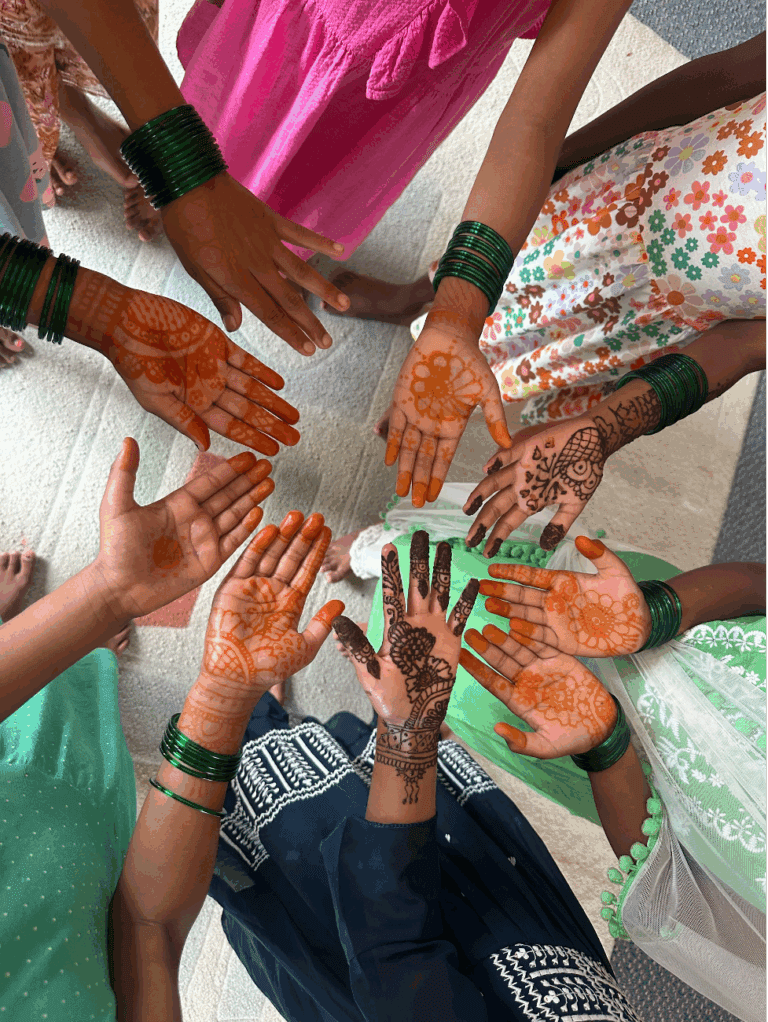
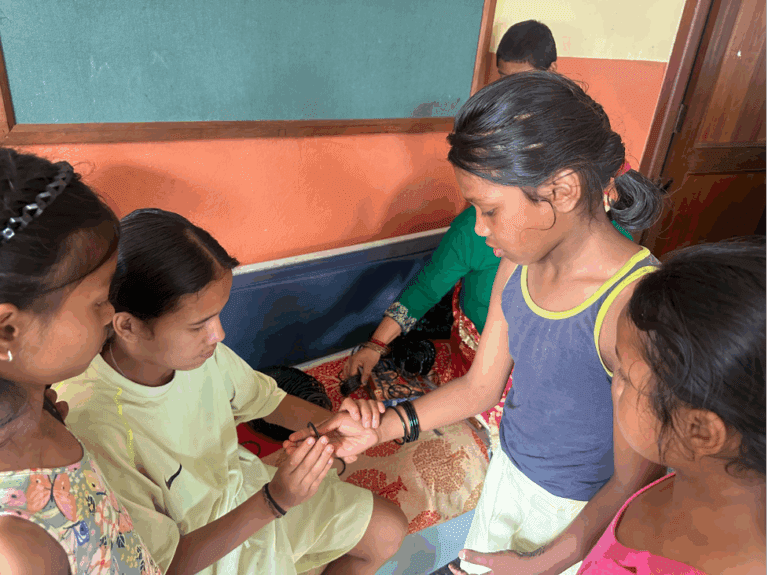
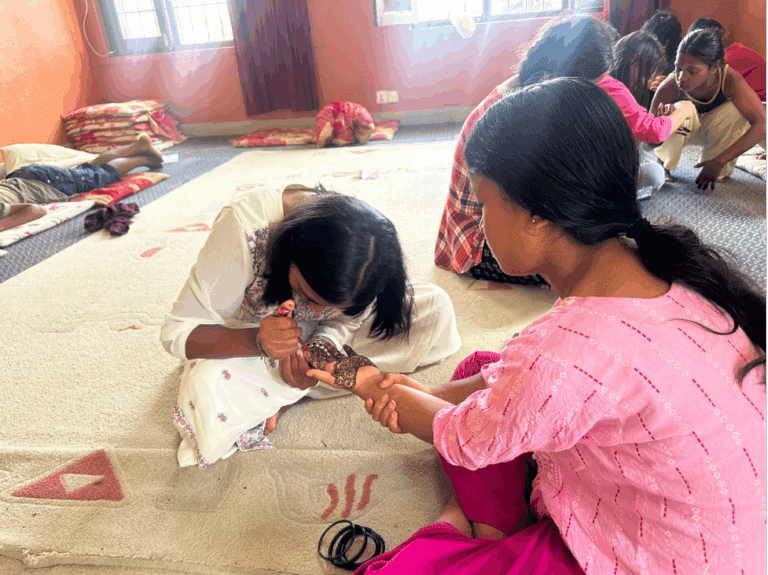
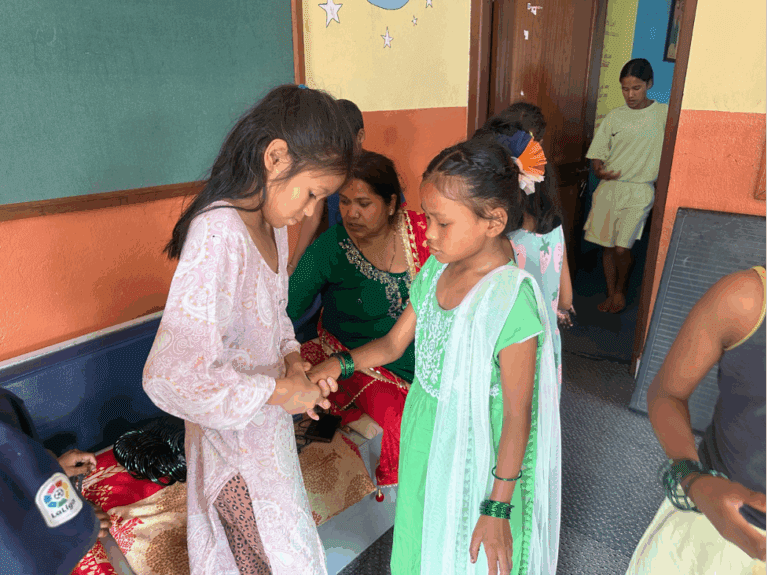
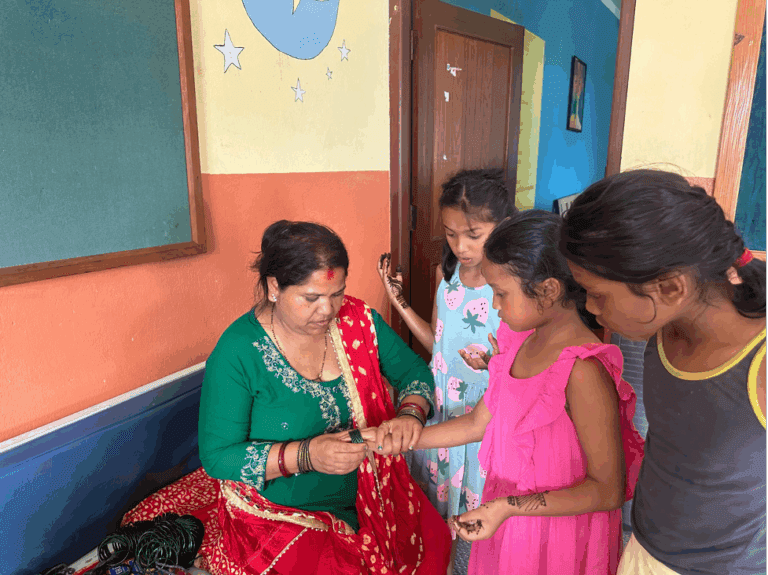
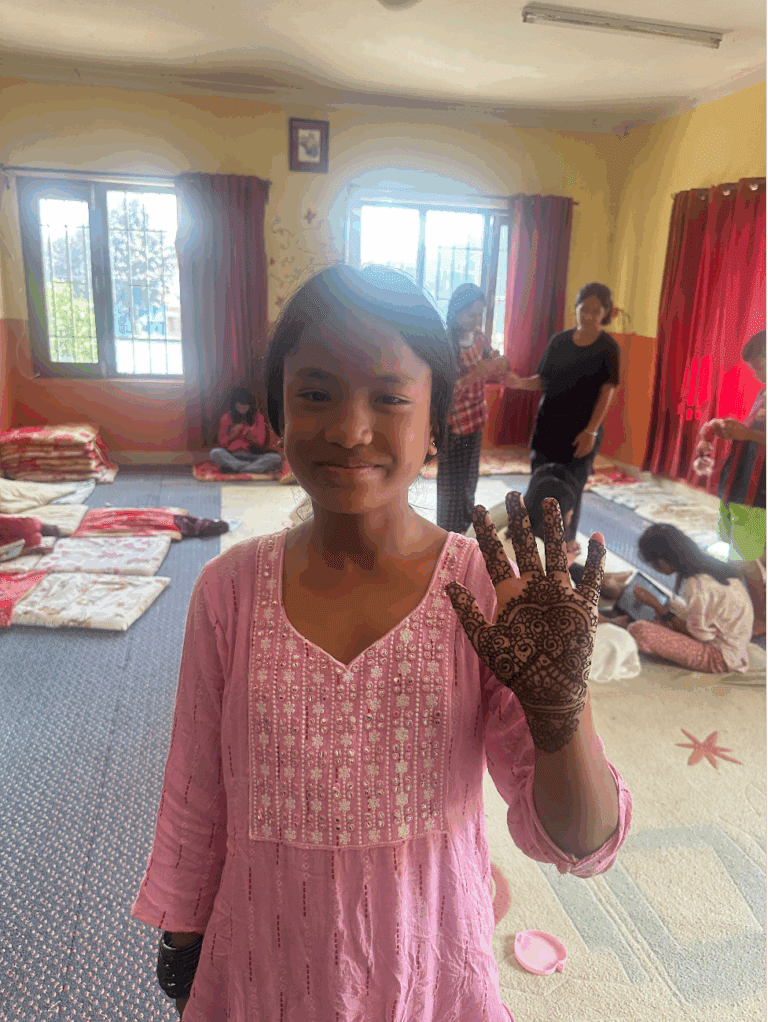
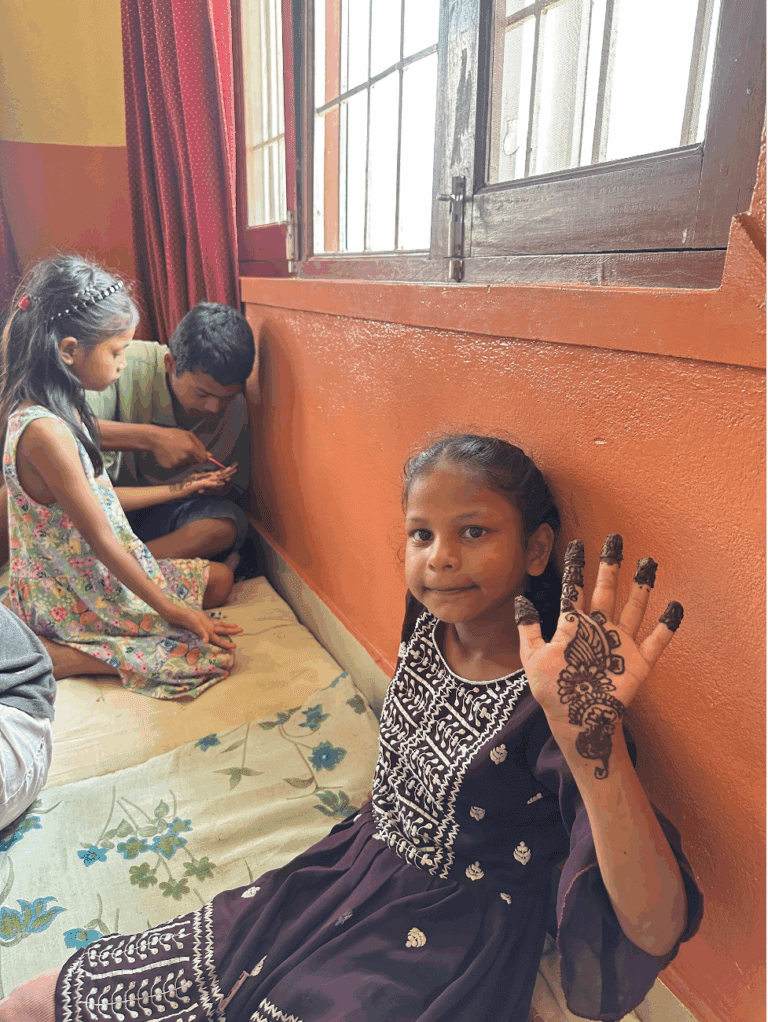
    On July 18th  in the Hindu tradition especially during Shrawan (Sawan), the sacred month devoted to Lord Shiva applying mehendi (henna) plays both cultural and spiritual roles. Women and girls decorate their hands and feet with intricate henna design, symbolizing love, beauty and protection. The darker the henna stain, the stronger the bond between loved ones. Mehendi is an auspicious element during shrawan, particularly on Monday, when devotees worship Lord Shiva. Women and girls wear green attire, bangles and apply mehendi to seek blessings. The vibrant display of henna and colorful bangles reflects the joy and celebration of the month. Some believe that wearing green and applying henna during shrawan balances emotions and brings wisdom, prosperity and happiness.

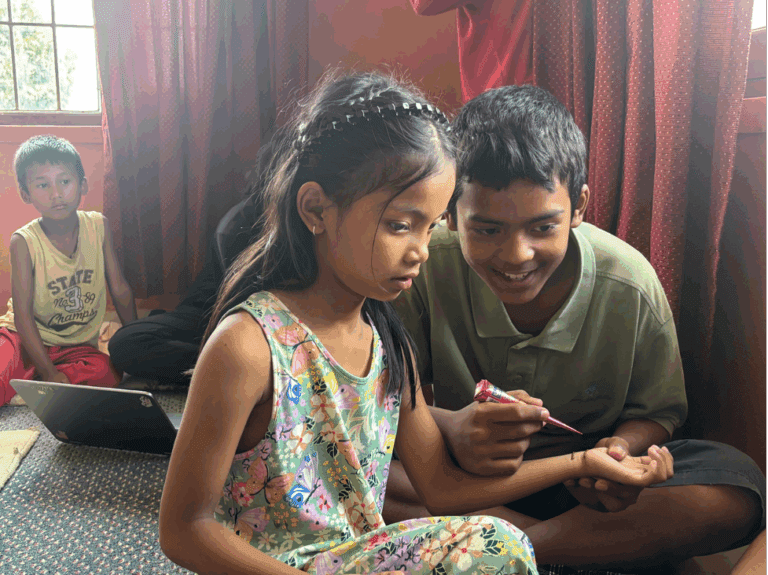
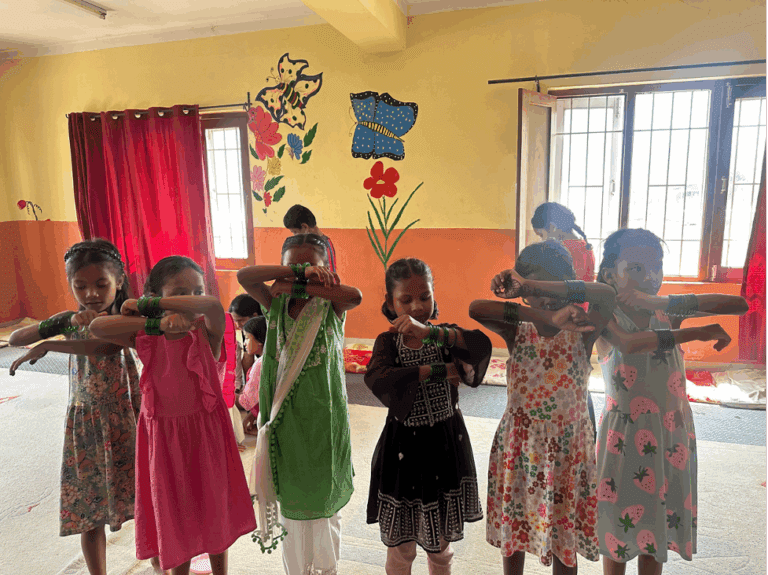
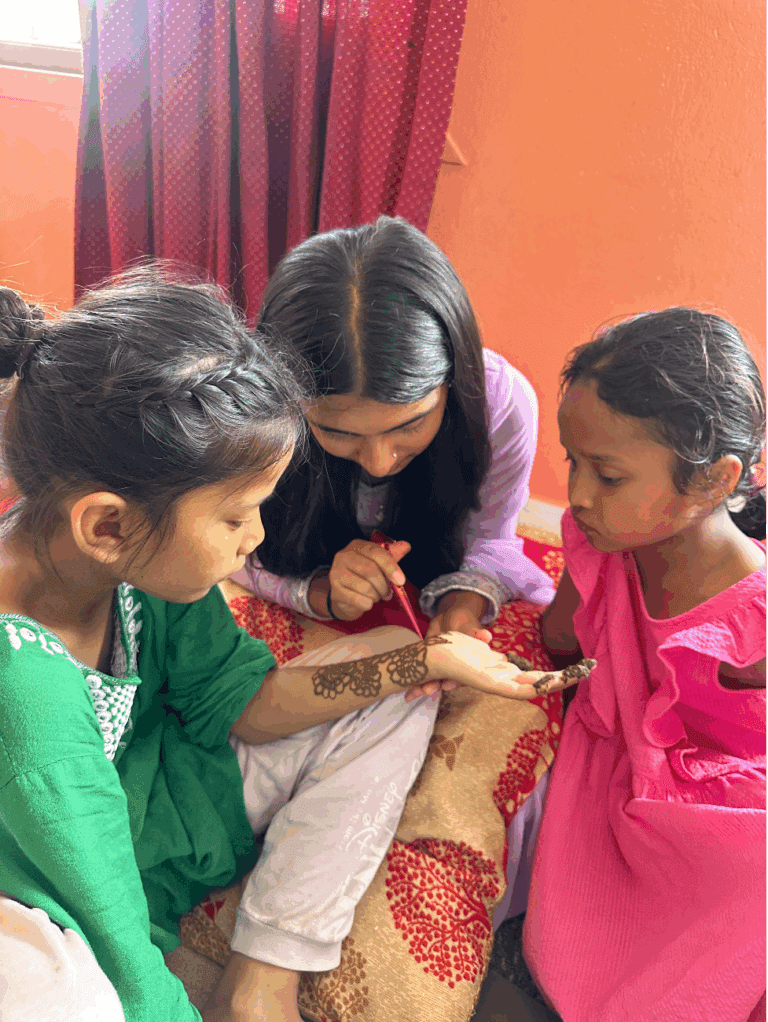
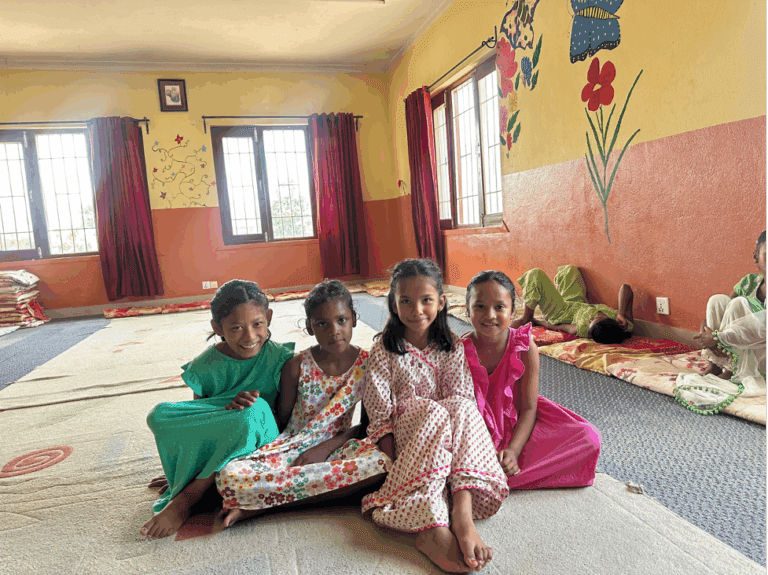
    At Patan Children’s Home, the children celebrated by applying mehendi, each child had a henna cone applied on their hand. Some older children took the cone themselves, practicing simple designs of petals, dots, and curves applied onthe hand of younger children and then after the henna got dried they wore green bangles with a lot of joy.

    Children not only enjoyed the artistic process but also developed fine skills and hand–eye coordination. Through designing their own mehendi patterns, children explored the creativity, symmetry, and visual aesthetics. As they decorate their hands, children hear stories about the holy month of Shrawan, Lord Shiva, and Goddess Parvati—the spiritual context of the tradition. This experiential learning helps them connect with heritage, appreciate symbolic color meanings (like green for renewal).  Children learned cultural meaning, and participated in devotional practice.  They felt connected to cultural identity, biodiversity symbolism, and expressed unity within them.

    At Patan Children’s Home, even simple celebrations blossom into meaningful learning experiences. On Shrawan 2, the Mehendi Day observance reminded us that embracing our cultural traditions helps nurture values of beauty, connection, and belonging. As children adorned their hands with mehendi, wore green bangles, and engaged in creative expression. We believe that instilling these values today encourages a future rooted in confidence, creativity, and a deep appreciation for our heritage.

  • Children’s Home Celebrates National Paddy Day with Dahi Chuira

    Children’s Home Celebrates National Paddy Day with Dahi Chuira

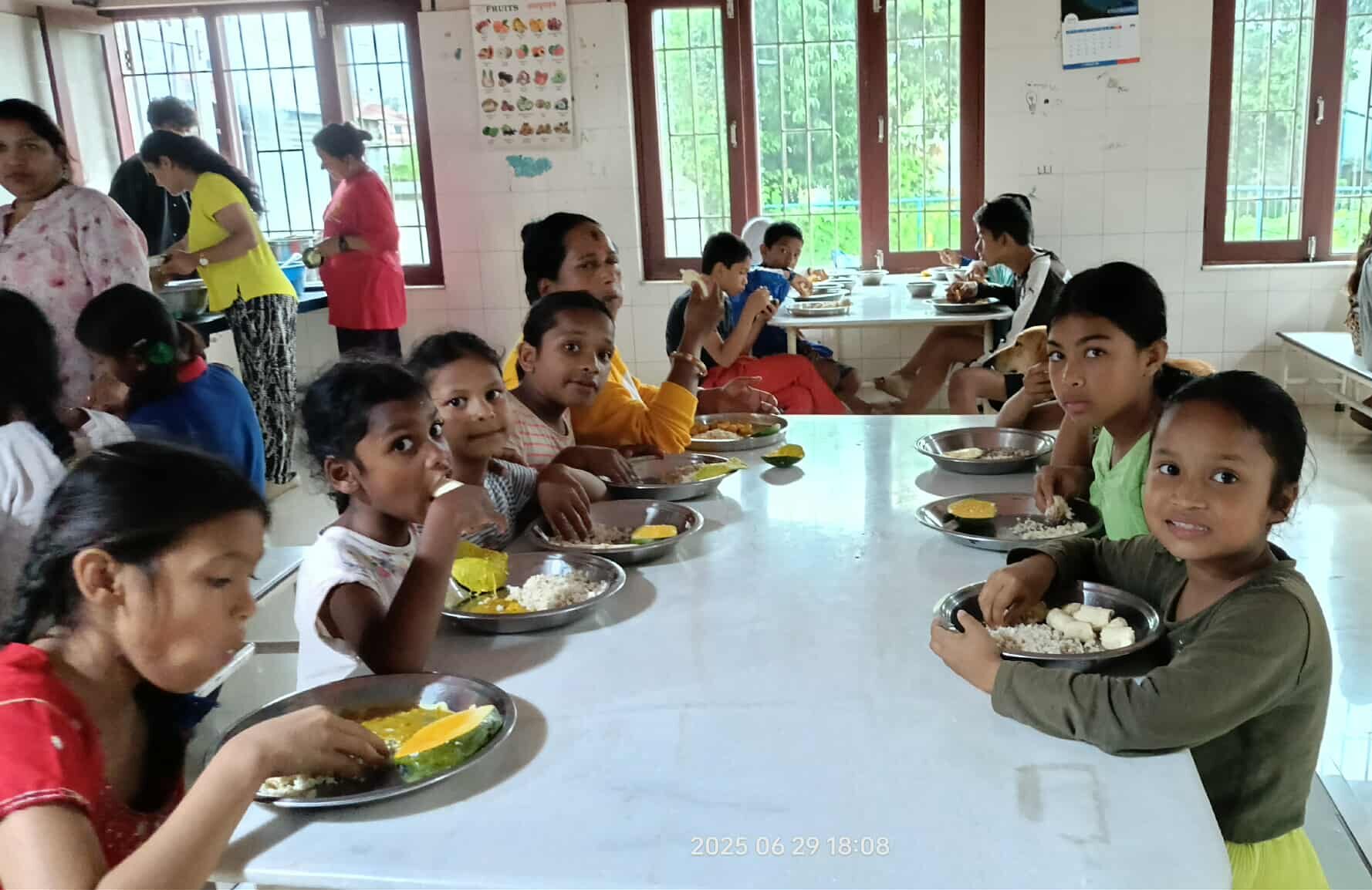
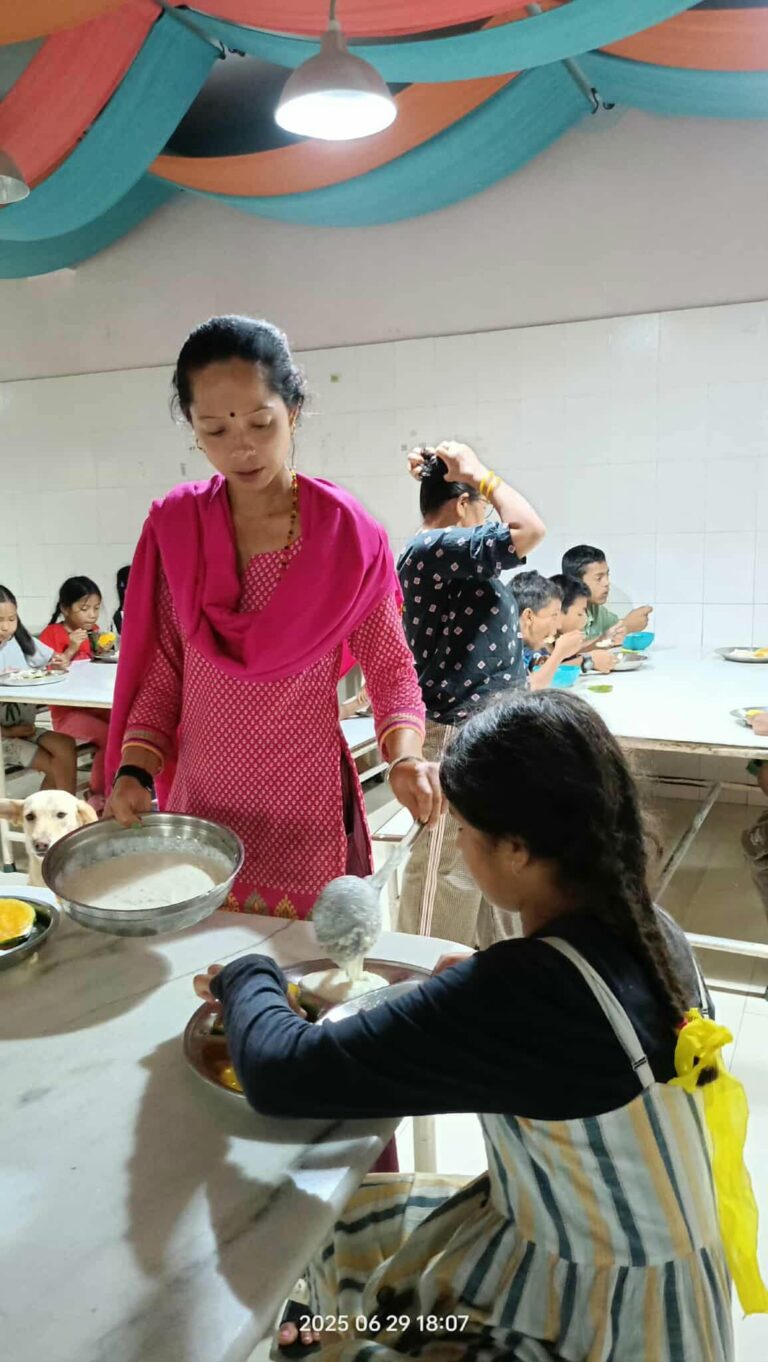
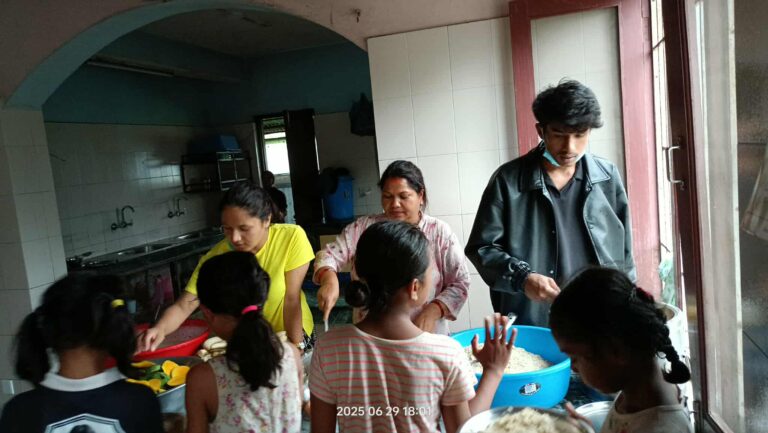
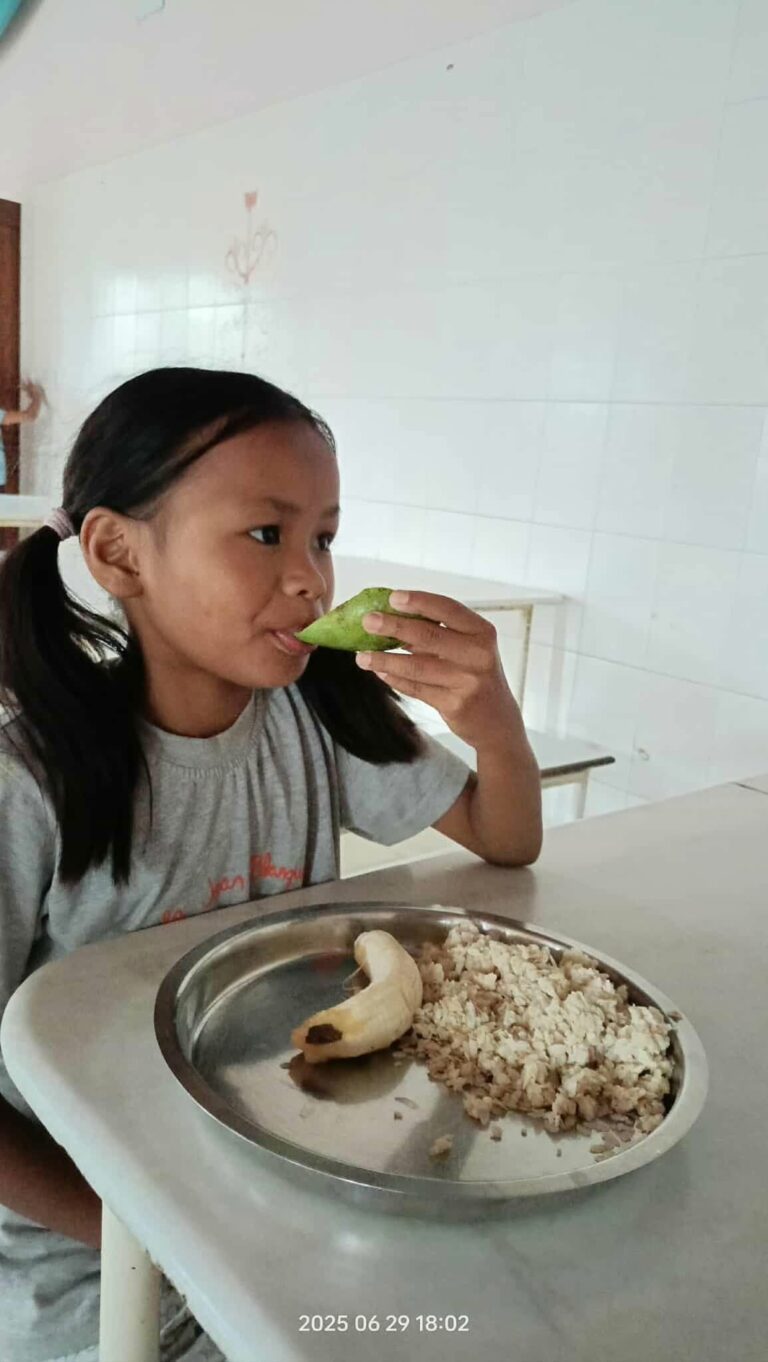
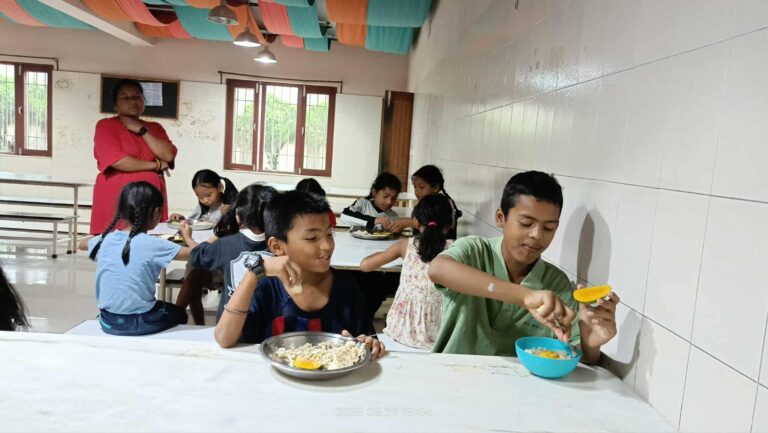
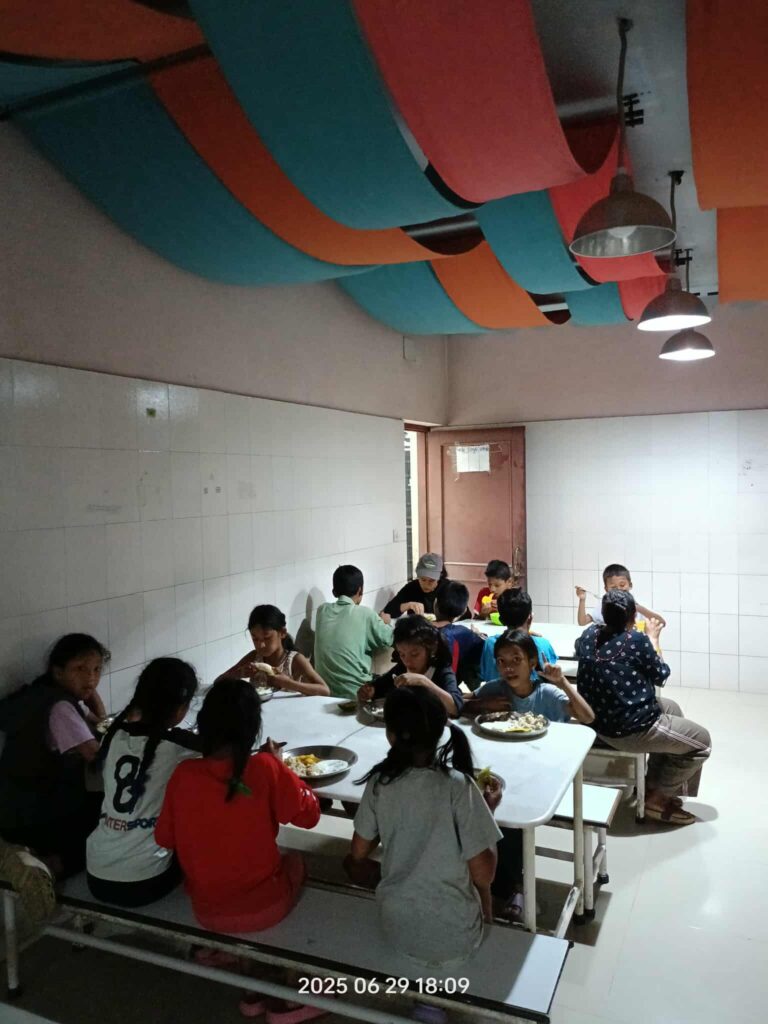
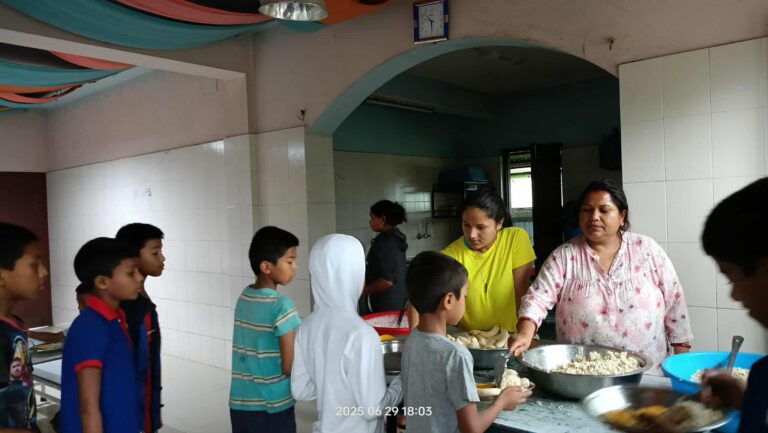
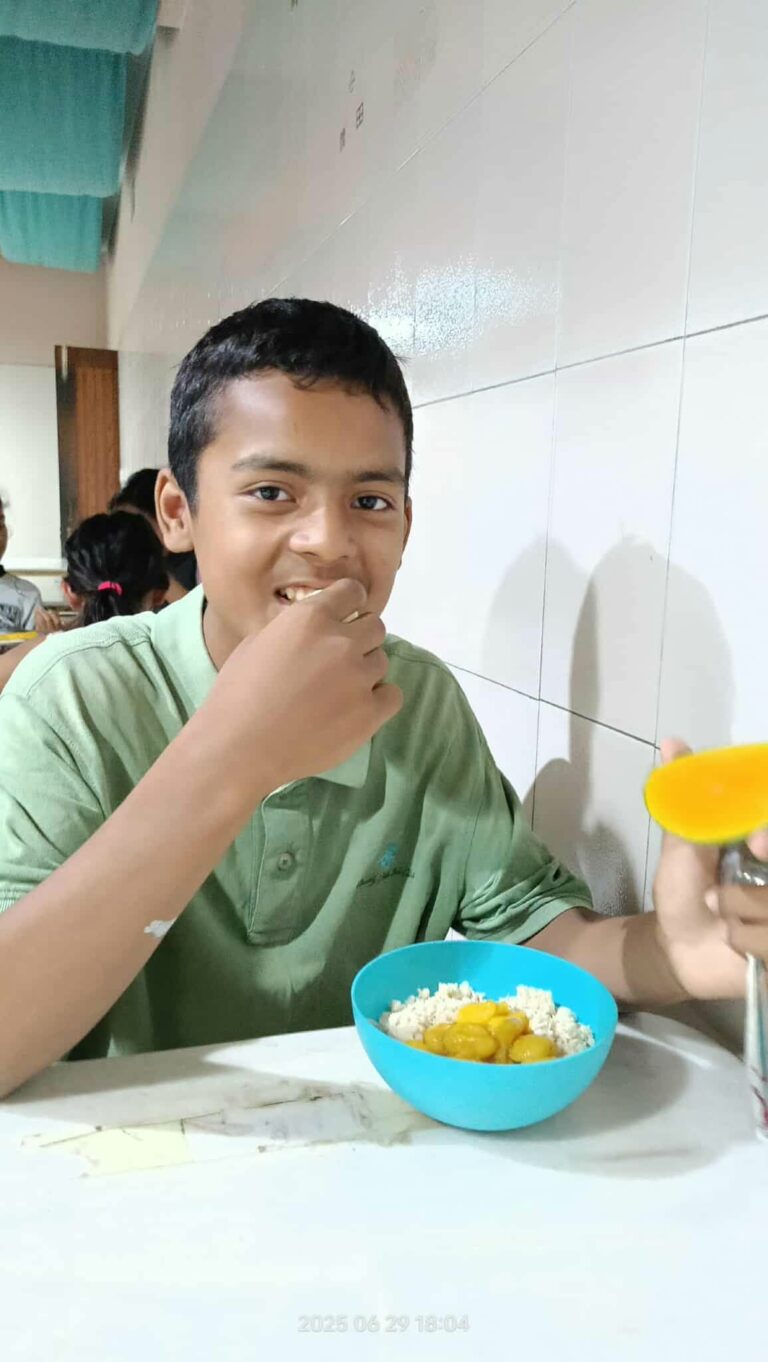
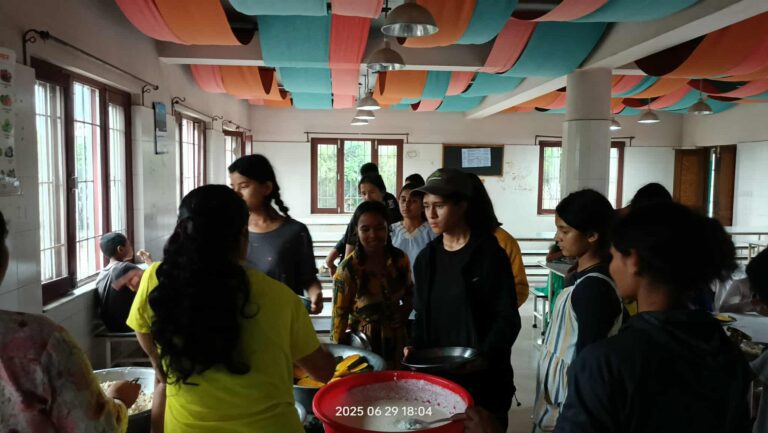
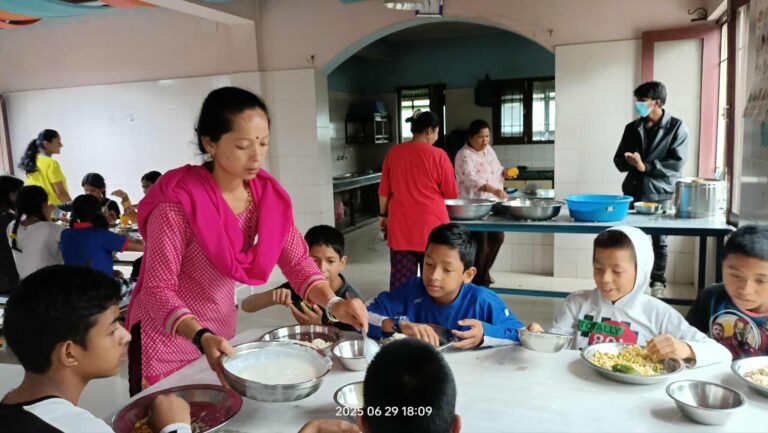
    On 29th June 2025, Children’s Home joined in the nationwide celebration of National Paddy Day (Asar 15) by sharing a traditional and symbolic meal of Chuira (Beaten Rice) with fresh curd, mango, and banana. Though the celebration was simple, it carried deep cultural and educational significance for the children, connecting them to Nepal’s agricultural heritage and the hardworking farmers who form the backbone of our nation.

    A Tribute to the Farmers of Nepal

    National Paddy Day marks the beginning of the rice planting season in Nepal, celebrated with great enthusiasm by farmers across the country. Officially recognized as a national event since 2061 BS, the day highlights the vital role that agriculture plays in our economy, identity, and way of life. It uplifts the spirit of farmers, celebrates their perseverance, and reminds the nation of their tireless work to feed us all.

    Chuira, Curd, Mango & Banana: A Meal Full of Meaning

    At the heart of the celebration at Children’s Home was a traditional meal of Chuira and Dahi (curd), enhanced with the sweetness of fresh mango and banana. This nutritious and symbolic dish is widely eaten on Asar 15 as a gesture of appreciation for the season’s first planting. The beaten rice provides energy and ease, while the curd cools the body. The addition of mango and banana adds natural sweetness, seasonal freshness, and richness to the meal, making it a perfect combination for the warm, rain-filled day of Asar.

    What is Dahi Chuira?

    Dahi Chuira is a humble and culturally rich Nepali dish made by mixing beaten rice with fresh curd. It is commonly shared during festivals and agriculture events, especially during National Paddy Day. Farmers traditionally enjoy it after hours in the fields, as a way to rest, nourish themselves, and celebrate the work they’ve begun. Beyond its nutritional value, Dahi Chuira is a symbol of gratitude, unity, and respect for labor, a tradition that connects generations.

    Tradition from the Terai Region

    In different regions of Nepal, the day is celebrated with unique customs. In the Terai, farmers bring food, locally known as jalkhai, directly to the fields. This includes thick homemade bread made from wheat flour, oil, salt, and spicy pickles. In one beloved tradition, if the landowner comes to help with planting, farmers playfully throw mud at them to chase them away. These playful customs foster a spirit of equality, humor, and strong social bonds among farming communities.

    Asar: A Season of Song and Story

    The month of Asar, when monsoon rains awaken the land, is not only about planting, it is a time of rich literary and cultural expression. Generations of farmers have passed down folk songs, poems, and sayings that celebrate the season. These creations reflect the emotional connection between people and the soil, expressing hope, struggle, and joy.

    Celebrating Hope and Unity

    Asar 15 is not just a date, it is a celebration of life, unity, and shared effort. It brings together communities in a spirt of cooperation, reminding us that when we work together, we grow together. Whether in the muddy fields or around a shared meal of Dahi Chiura, the message is the same: hope begins when we honor the earth and one another.

    Embracing the Monsoon

    The monsoon rains, so crucial for farming, are welcomed as a blessing. They represent renewal, abundance, and the promise of a fruitful season. Celebrating National Paddy Day is way of expressing our gratitude for nature, and acknowledging the delicate balance between human effort and environmental cycles that sustain life.

    Nurturing Roots at Children’s Home

    At Children’s Home, even a modest celebration like this becomes an opportunity to nurture the values of gratitude, awareness, and respect. Through the act of sharing Dahi Chuira with mango and banana, our children connected with their culture, honored the role of farmers, and learned to appreciate the hard work behind every grain of rice. We believe that planting these values in young hearts today will grow into a future rooted in compassion and understanding.
    Photos

  • SEE Results Update – A Journey of Growth and Determination at Children’s Home

    SEE Results Update – A Journey of Growth and Determination at Children’s Home

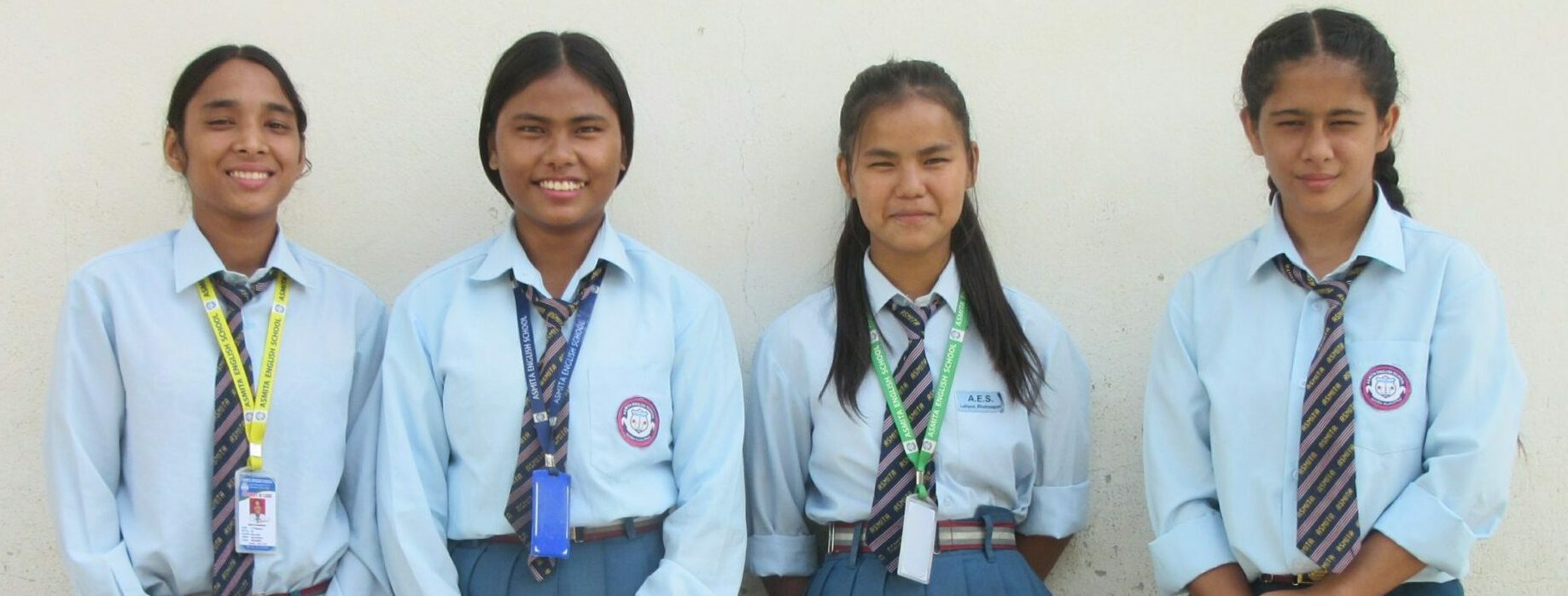
    On June 27, 2025, Children’s Home proudly celebrated the announcement of the Secondary Education Examination (SEE) results for six of our students who appeared for the national exam earlier this year. This occasion marked a significant academic milestone and a moment of reflection on the years of hard work, growth, and support that led to this achievement. We are proud of each child’s journey and their demonstration of perseverance, discipline, and commitment to learning.
    Melina has secured an impressive GPA of 3.59, which makes her the top performer in the group. Achieving such goals is no small feat and requires considerable determination alongside consistent guidance which Melina was able to receive from her mentors and teachers. Along with being a strong leader among peers, Melina demonstrates remarkable curiosity complementing her performance in academics which helps make her an all-rounded student. We look forward to accompanying her through the journey of higher secondary education as well. Students are inspired by what she can achieve and at the same time motivated to work hard towards something constructive.

    Sudeep Ghatani achieved a GPA of 3.11, reflecting his strong academic potential and disciplined approach toward learning. His achievement is the result of steady effort, focus, and a positive mindset. Sudeep’s ability to balance academics with personal growth makes him a promising student for the future. We are proud of his performance and are eager to support his next steps in higher education.
    Bidhya achieved a GPA of 3.06, which reflects her consistent effort and focused approach to her studies. Throughout the academic year, she demonstrated steady commitment and a commendable level of maturity, handling both her coursework and personal development with care. Her results are a direct outcome of her dedication, and it’s clear she possesses the skills necessary to thrive in more advanced academic environments. As she considers new opportunities for growth, we are eager to continue supporting her educational journey.

    Amrita completed her SEE with a GPA of 2.81, marking a significant accomplishment in her academic path. Her performance highlights her resilience and willingness to seek support when faced with academic challenges. Amrita’s purposeful attitude toward learning has allowed her to overcome obstacles and achieve this milestone. This result not only signifies her determination but also opens the door to further study, vocational training, or skill development. We commend her for her perseverance and look forward to her continued success.

    Prerana’s result came back as ungraded, and she will be appearing in the upcoming grade increment examination. While this may not have been the outcome she hoped for, we are deeply encouraged by her response. She has accepted the result with maturity and is already preparing for the supplementary exam with renewed determination. Her attitude reflects one of the most important values we try to instill at the Children’s Home that success is not defined by a single result, but by the willingness to keep trying. With focused guidance and encouragement, we are confident that she will come back stronger.
    Narendra Balak’s result came back as not graded, and he will be appearing in the upcoming grade increment examination. While this may not have been the outcome he hoped for, we are proud of the maturity with which he has accepted the result. Narendra has already begun preparing for the supplementary exam with renewed focus and determination. His resilience and willingness to keep moving forward are qualities we deeply admire. With continued support and guidance, we are confident that he will rise to the occasion and make a strong comeback.

    These six young individuals represent different paths, challenges, and triumphs, yet they all share a common thread—the courage to dream, the discipline to work hard, and the strength to face both success and setbacks with grace. At the Children’s Home, we believe in nurturing not only the academic capabilities of our children but also their emotional, moral, and social development. The SEE results serve as a milestone, not an endpoint, in this long and meaningful journey.

    As we look to the future, we remain committed to walking alongside each of these children, offering them the tools, resources, and encouragement they need to grow into independent, compassionate, and capable individuals. The SEE results are just one chapter in their stories that continue to unfold with promise and purpose.

    We extend our gratitude to the teachers, staff, volunteers, and supporters who have played a vital role in guiding and mentoring these students. Their tireless efforts have helped create an environment where children are empowered to believe in their potential and pursue their goals. We are also thankful to our extended community, friends, donors, and well-wishers, whose continued support sustains the mission of the Children’s Home.

  • Youth-Led Environmental Awareness Program at Children’s Home

    Youth-Led Environmental Awareness Program at Children’s Home

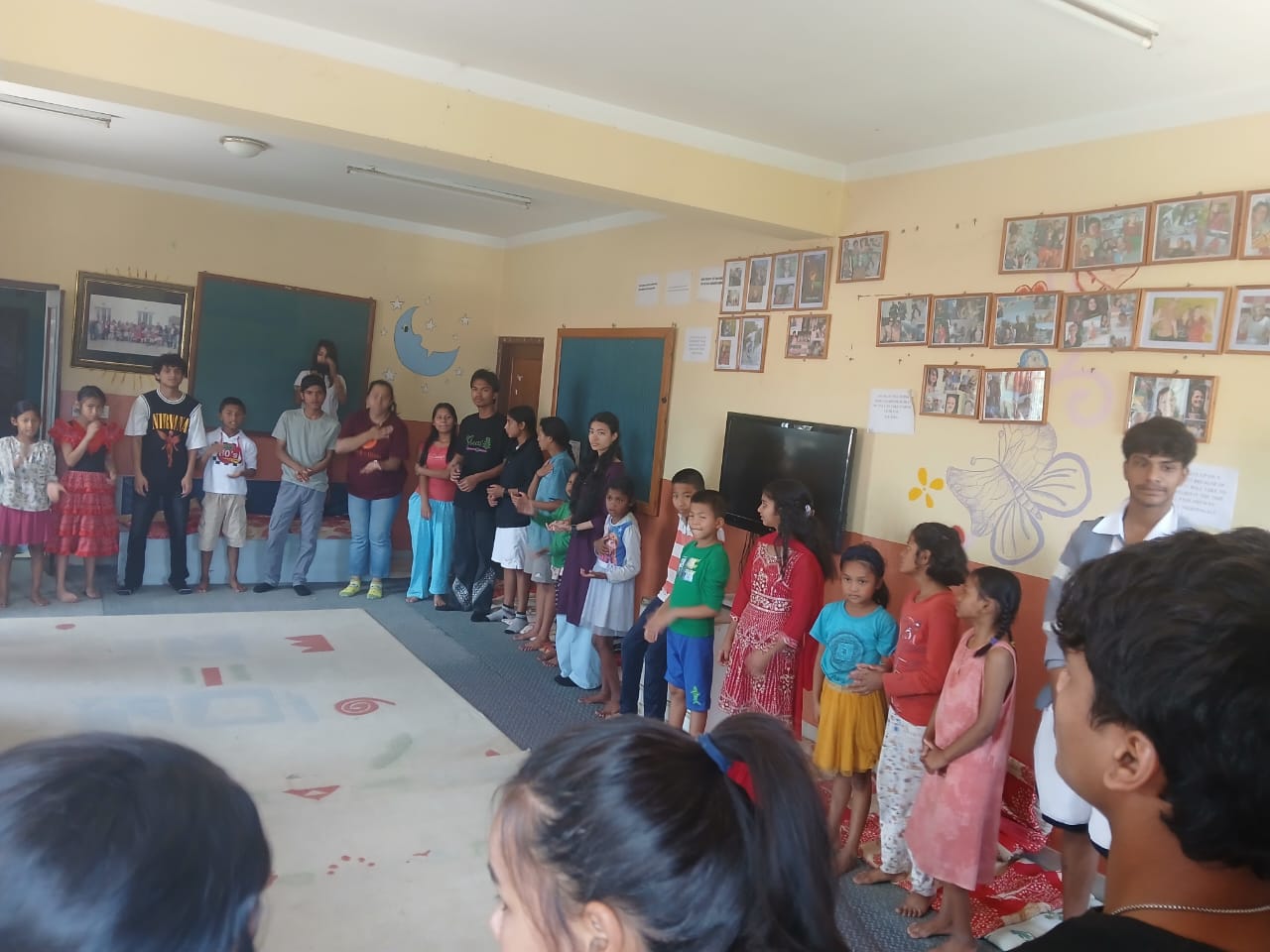
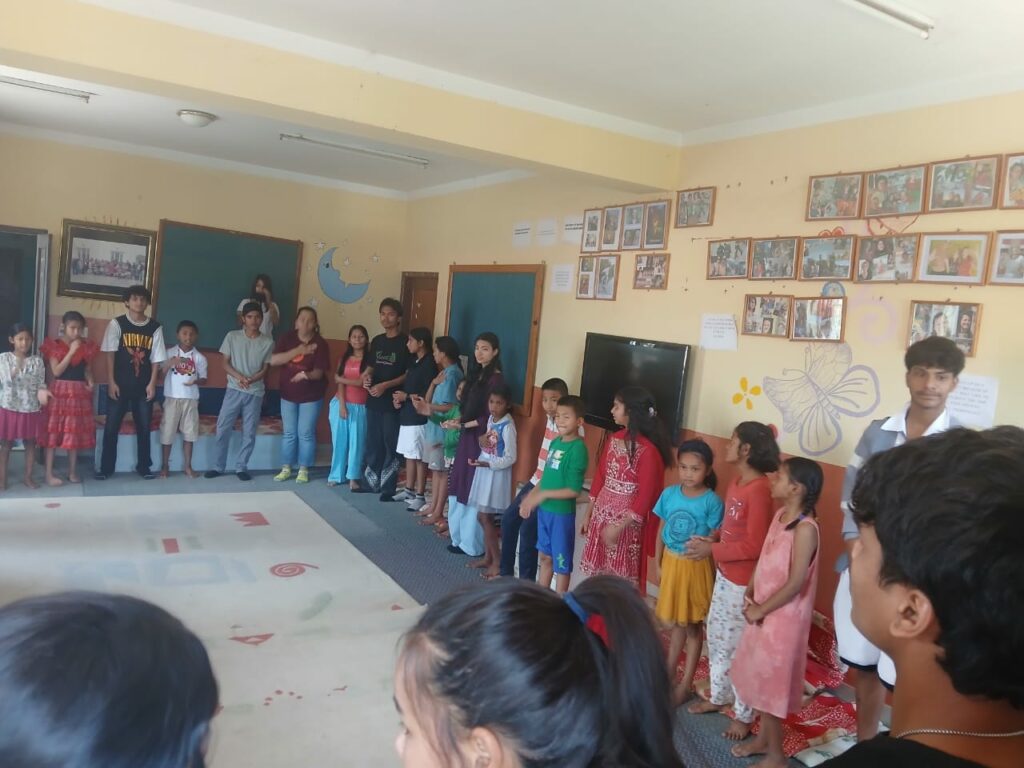
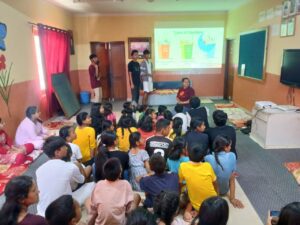
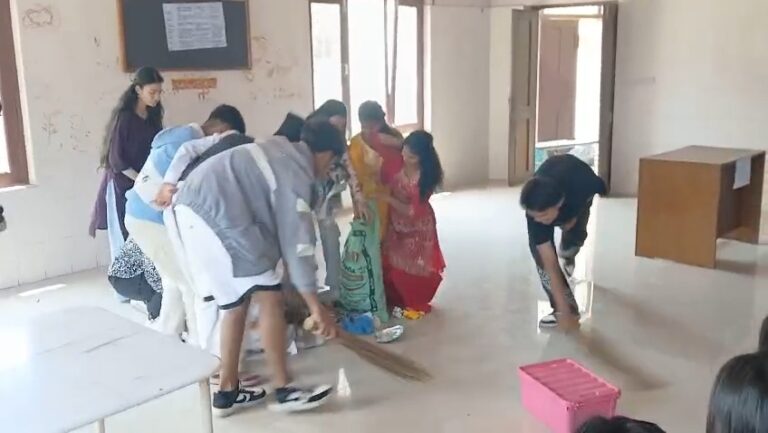
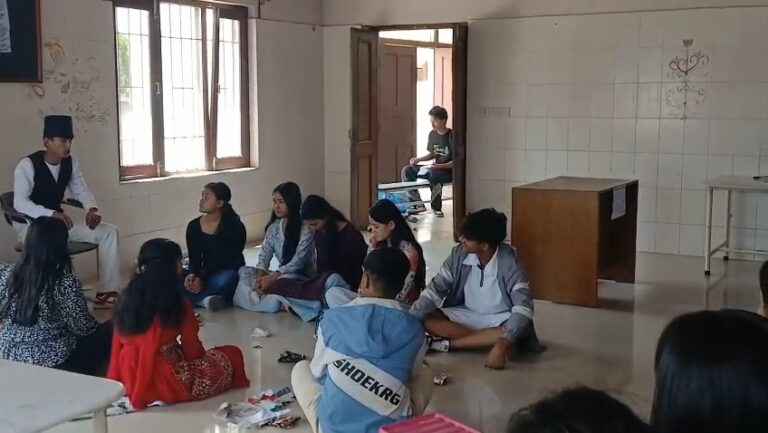
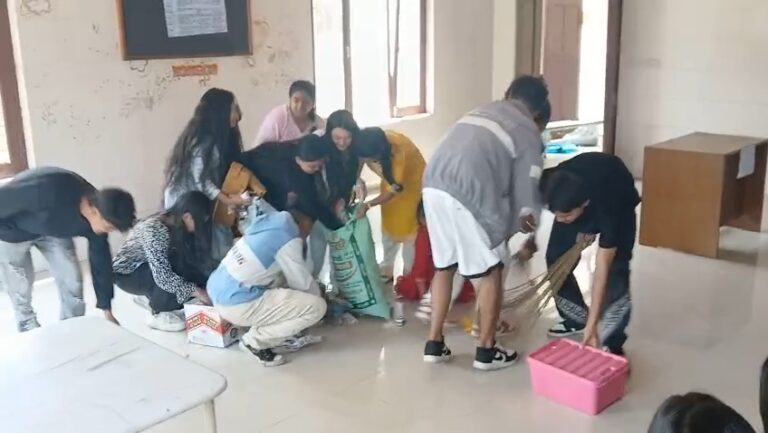
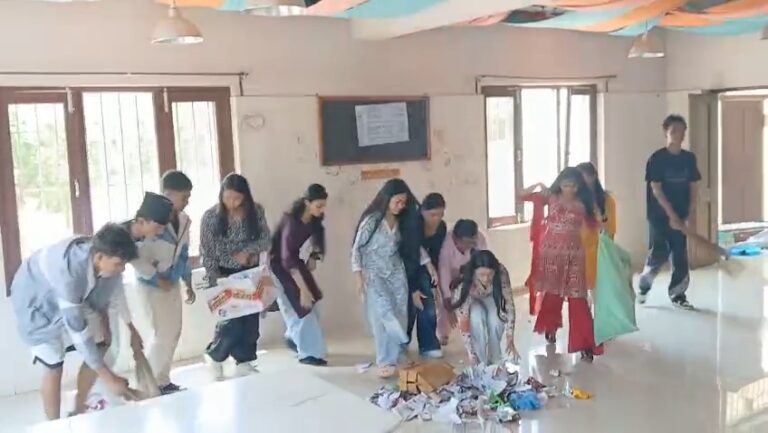
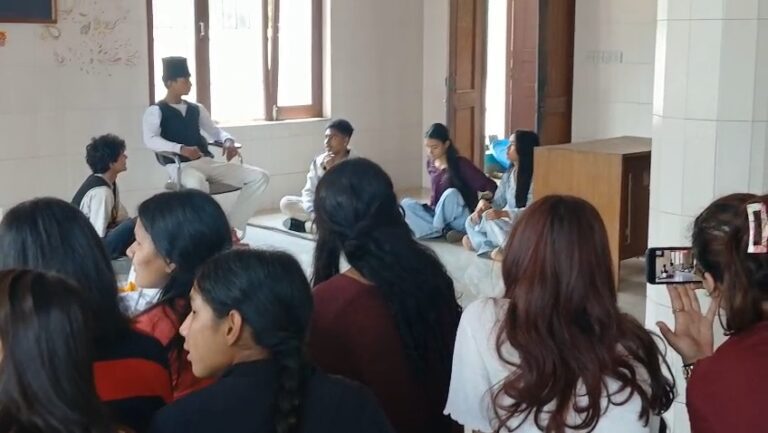
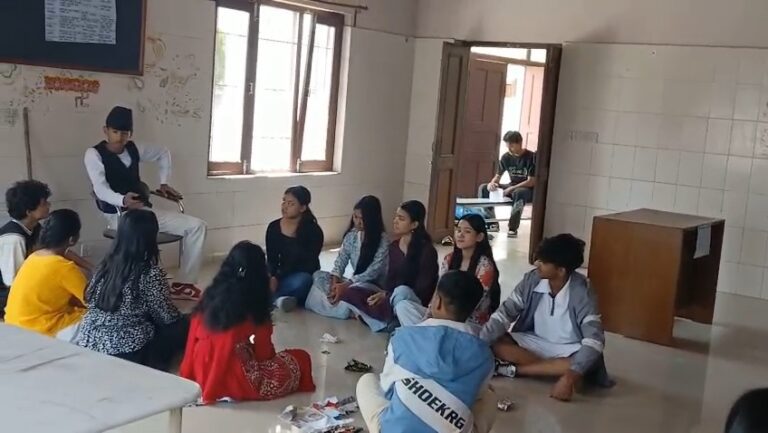
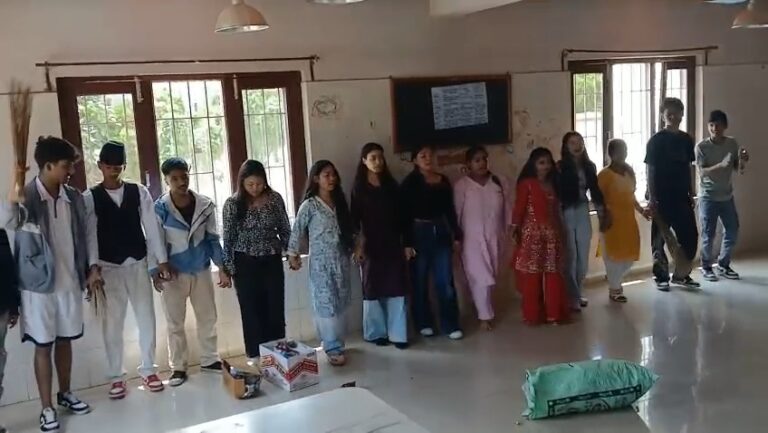
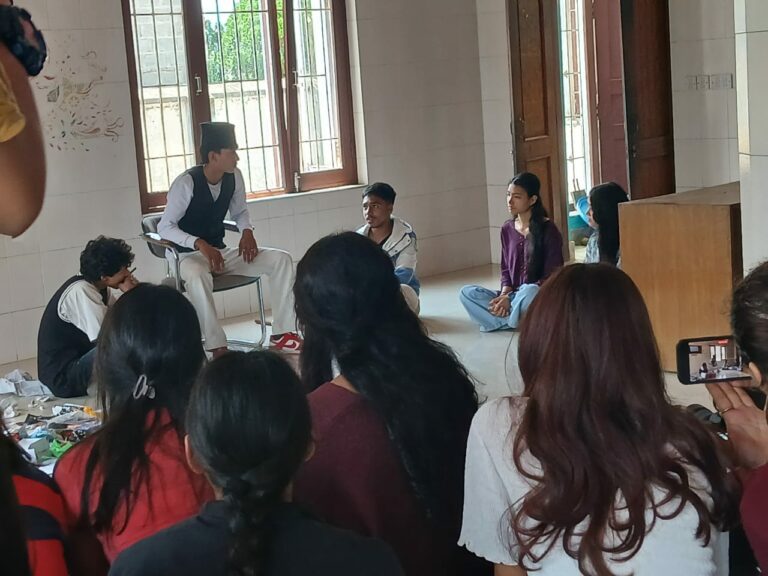
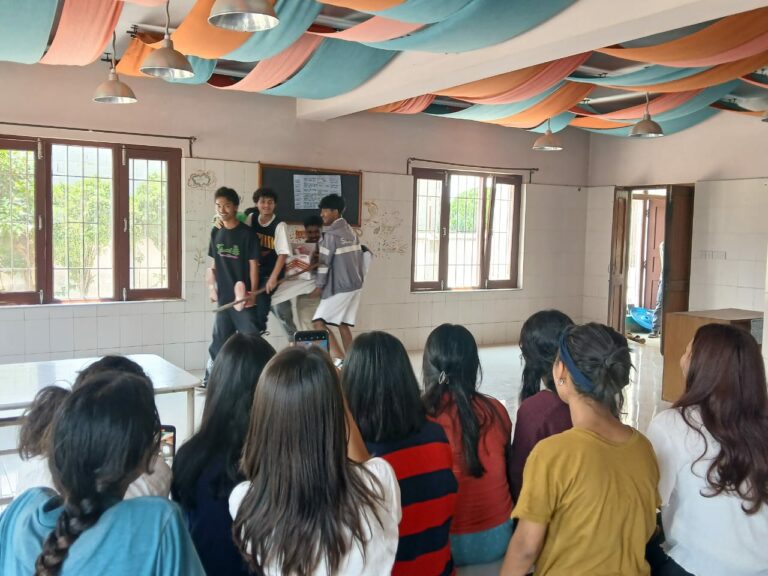
    On 7th June 2025, Children’s Home had the privilege of hosting a dynamic and educational youth-led program focused on environmental awareness and sustainability. This initiative was organized by 18 enthusiastic youth volunteers and two accompanying staff members from Amics del Nepal. The event was carefully designed to engage the children in interactive, fun, and thought-provoking activities that encouraged them to think deeply about their role in protecting the environment. The session combined a mix of presentations, practical exercises, and creative performances aimed at inspiring the children to adopt eco-friendly habits and develop a lifelong commitment to sustainability.

    Welcoming the Children with Energy and Enthusiasm

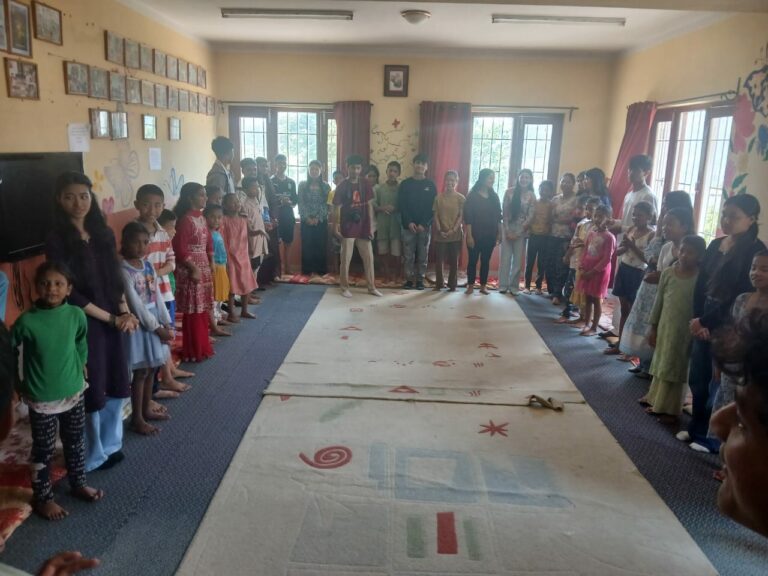
    The program began with an energizer activity that immediately created a warm and living atmosphere. The icebreaker allowed children and volunteers to connect naturally, easing initial nervousness and fostering a sense of community. The engaging start helped everyone feel comfortable and set an energetic tone for the learning activities ahead.

    Introducing the Environment and Its Importance

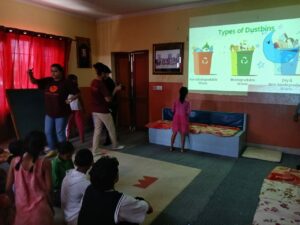
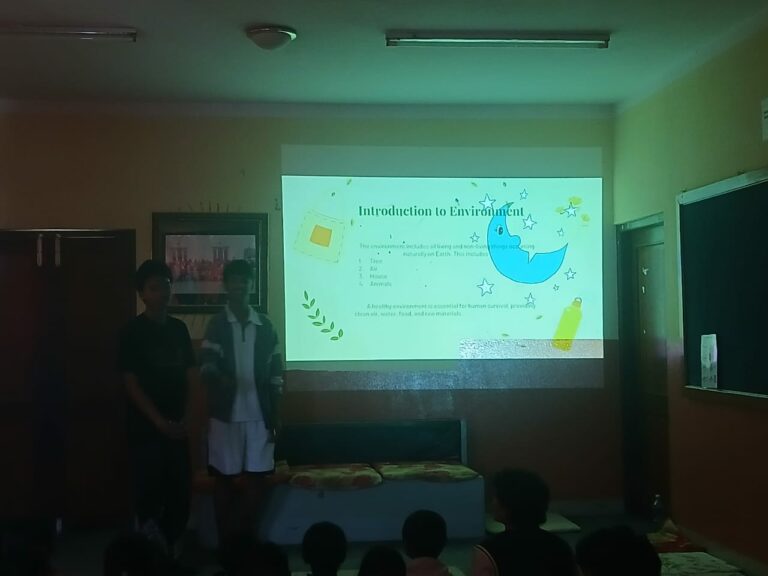
    The youth volunteers then led the children through a carefully crafted PowerPoint presentation that introduced the concept of the environment in simple and relatable terms. They explained that the environment consists of all living and non-living things occurring naturally in Earth-such as tress, animals, air, water, and even human-made elements like houses. This foundational understanding helped the children recognize that they are part of a larger, interconnected system where every element plays a crucial role in maintaining balance and life.

    Discussing Key Environmental Issues Facing Our Planet

    Building on this introduction, the presentation addressed several pressing environmental challenges facing the world today. The children learned about the causes and effects of climate change, highlighting the role of greenhouse gas emissions from human activities. The session also covered various types of pollution – air, water, soil, and especially plastic pollution-that threaten ecosystems and human health. The volunteers explained the consequences of deforestation and the alarming loss of biodiversity, stressing the urgency to protect wildlife and forests. Waste management issues and the overexploitation of natural resources, including water, fossil fuels, and minerals, were also discussed in a manner that was easy to grasp. Throughout the presentation, the youth volunteers encouraged the children to think about how these problems affect their own communities and daily lives.

    Actions to Promote Greener Environment

    In addition to understanding the issues, the children were empowered with practical actions they can take to contribute to a greener future. The youth volunteers shared simple yet impactful ways to support environmental health, such as using renewable energy sources like solar, wind, and hydro power, conserving water and energy, and supporting green infrastructure and eco-friendly transportation options. Emphasis was placed on the importance of reducing, reusing, and recycles waste.

    Understanding Waste and Dustbins

    An important educational component of the session focused on the correct use of dustbins for waste segregation. The children learned the meaning and purpose of each bin:

    • Green Bin: for biodegradable waste (e.g., food scraps, garden waste)
    • Blue Bin: for dry and non-biodegradable waste (e.g., plastics, paper, metals)
    • Red Bin: for non-biodegradable waste, especially hazardous or sanitary waste

    This knowledge was key in helping children understand how to manage household waste responsibly. They were taught how proper segregation reduces pollution, improves recycling, and protects the environment.

    Hands-On Learning through a Practical Exercise

    Immediately following the presentation, the children participated in a practical waste segregation exercise. Each child received a paper slip with the name of a waste item and was asked to determine which type of dustbin the item belonged to. The exercise focused on the green, blue, and red bins as introduced in the previous segment. This hands-on activity reinforced the children’s understanding of proper waste segregation, a vital step towards effective waste management and environmental protection. Volunteers guided the children through the task.

    Engaging Environmental Drama Performance

    To creatively reinforce the session’s messages, the youth volunteers performed a drama that brought environmental issue to life through storytelling and relatable characters. The drama portrayed the impact of pollution and irresponsible habits on the planet and offered hopeful solutions through individual and collective action. The performance captivated the children, making the lessons memorable and encouraging emotional connection to the cause.

    The success of this program was made possible by the dedication and passion of the youth volunteers from Amics del Nepal. Their thoughtful planning, creative delivery, and genuine care for the community ensured that the event was not only educational but also uplifting and memorable. Their leadership and commitment highlight the important role that young people can play in fostering sustainable development and social change. We extend our heartfelt gratitude to them for their outstanding contribution to the Children’s Home community and environmental education.

    Photo of the Event

  • World Environment Day 2025: Our Children Excel at Ashmita English School

    World Environment Day 2025: Our Children Excel at Ashmita English School

    On 5th June 2025, Ashmita English School hosted a series of activities and competitions to observe World Environment Day, a globally recognized occasion established by the United Nations in 1972 to promote environmental awareness and collective action. Celebrated in over 150 countries, it serves as a vital platform for encouraging sustainable practices and protecting natural ecosystems.

    This year’s theme, “Beating Plastic Pollution”, called attention to the growing threat posed by single-use plastics to our environment and public health. The focus was on reducing plastic waste and promoting responsible consumption, recycling, and the use of sustainable alternatives.

    Active Participation in Environment Day Initiatives

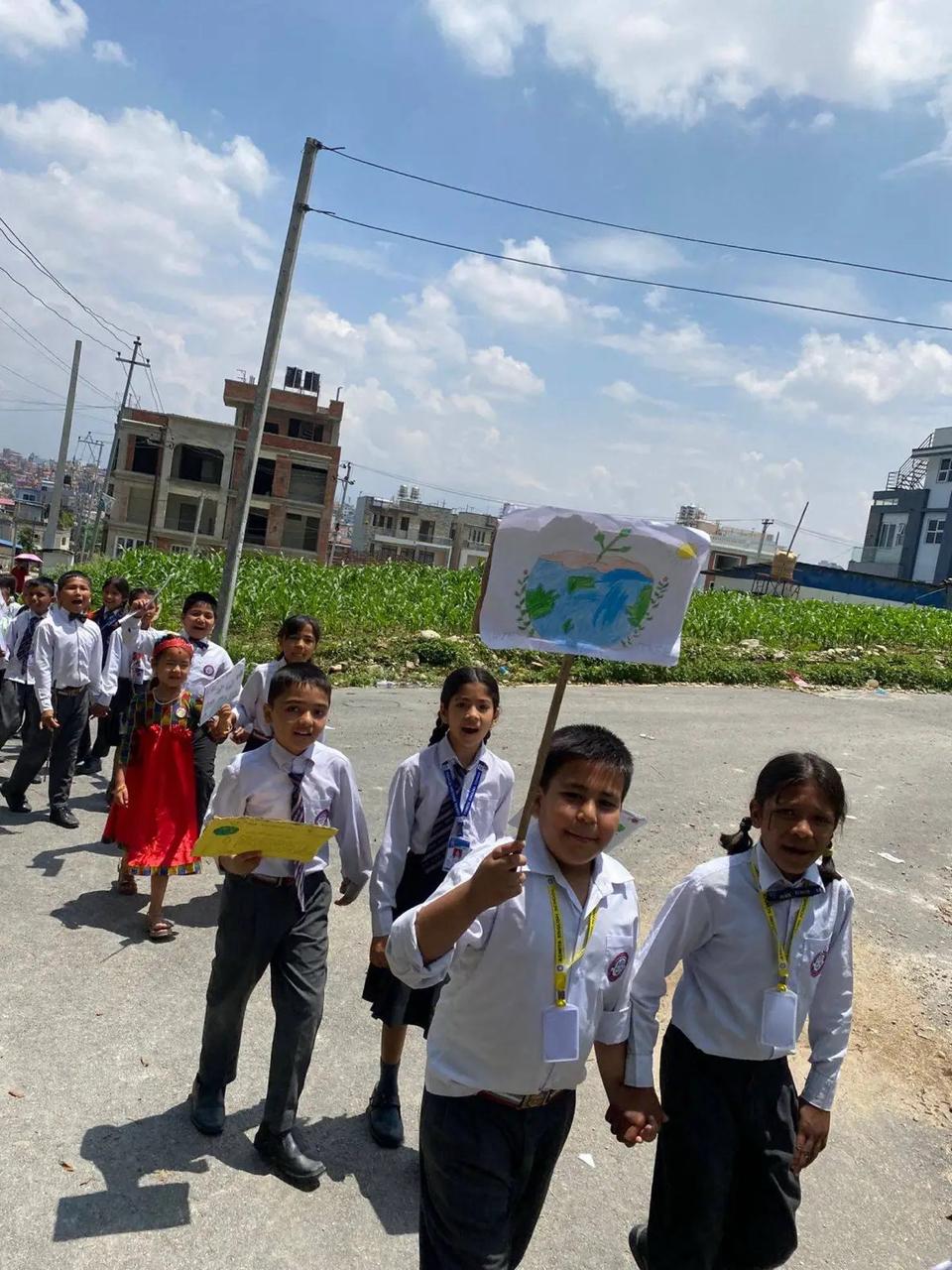
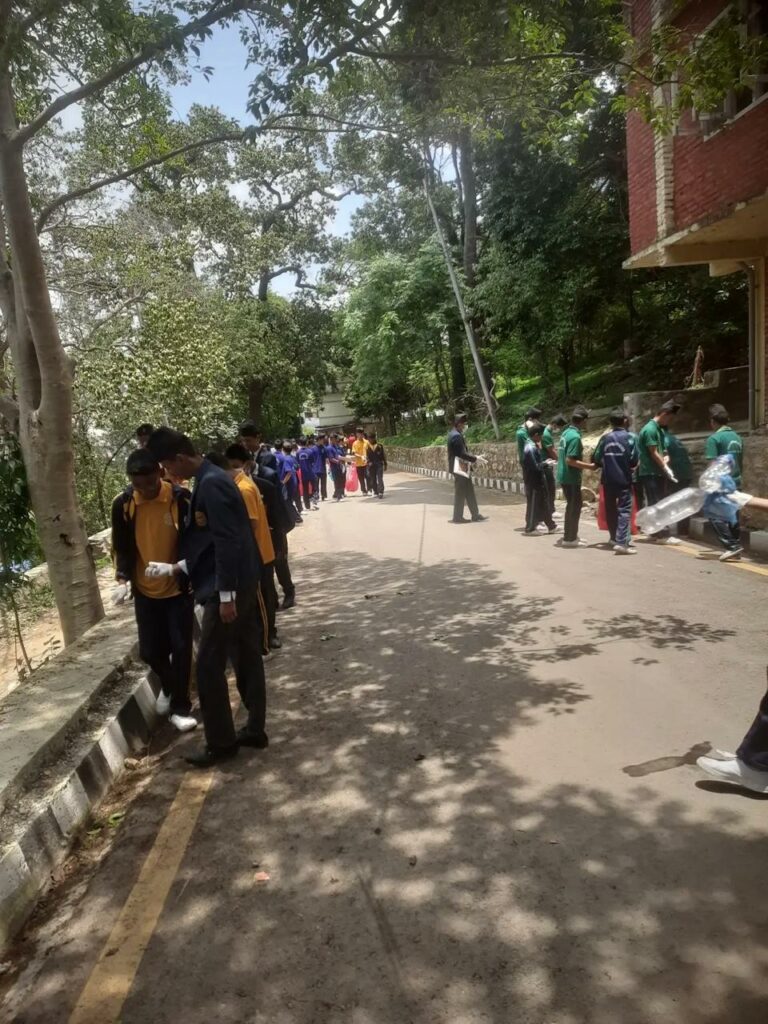
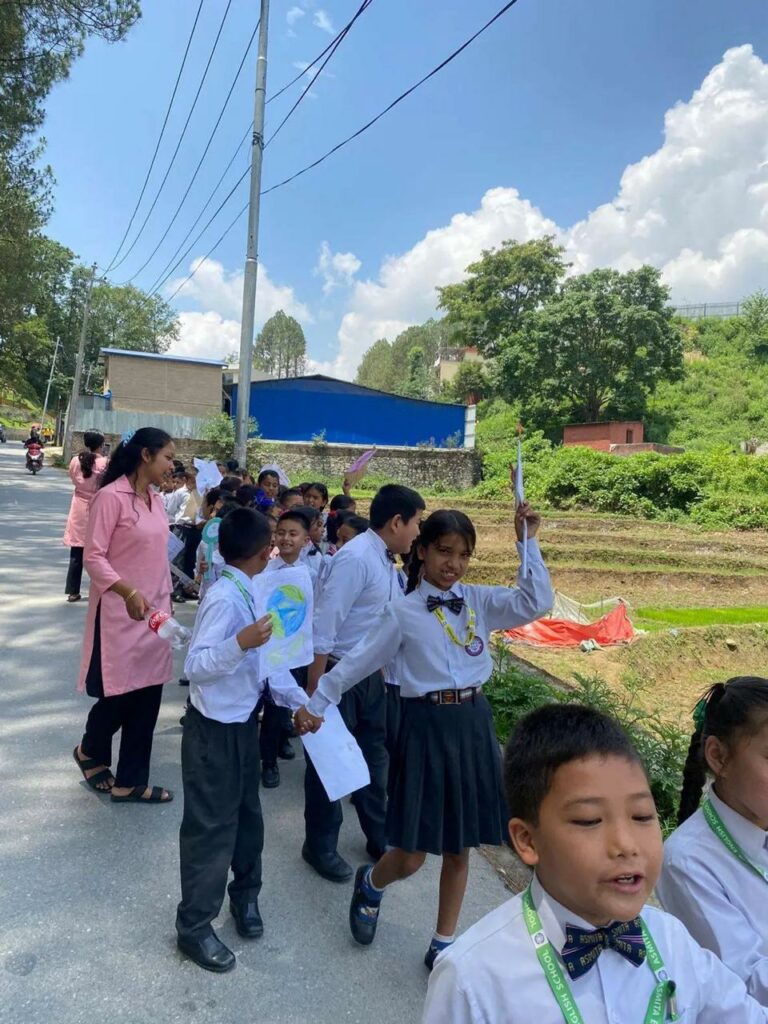
    As part of the Environment Day observance, our children took part in a school-organized awareness walk aimed at promoting environmental consciousness among students and the wider community. They carried thoughtfully prepared cardboard banners displaying messages on environmental protection and sustainability. Along the walking route near the school, the children also participated in a cleanup activity by collecting litter, helping to beautify the area and reinforce the importance of community responsibility. Their active involvement demonstrated environmental awareness, teamwork, and a strong sense of civic duty.

    Promoting Learning through Engagement

    Beyond the awareness activities, the school facilitated both creative and intellectual competitions, including drawing and chess. These events provided an opportunity for students to reflect on environmental themes in a practical, expressive format, while also developing key skills such as problem-solving, artistic expression, and strategic thinking. These activities played an important role in reinforcing the values behind World Environment Day.
    Noteworthy Achievements by Our Children

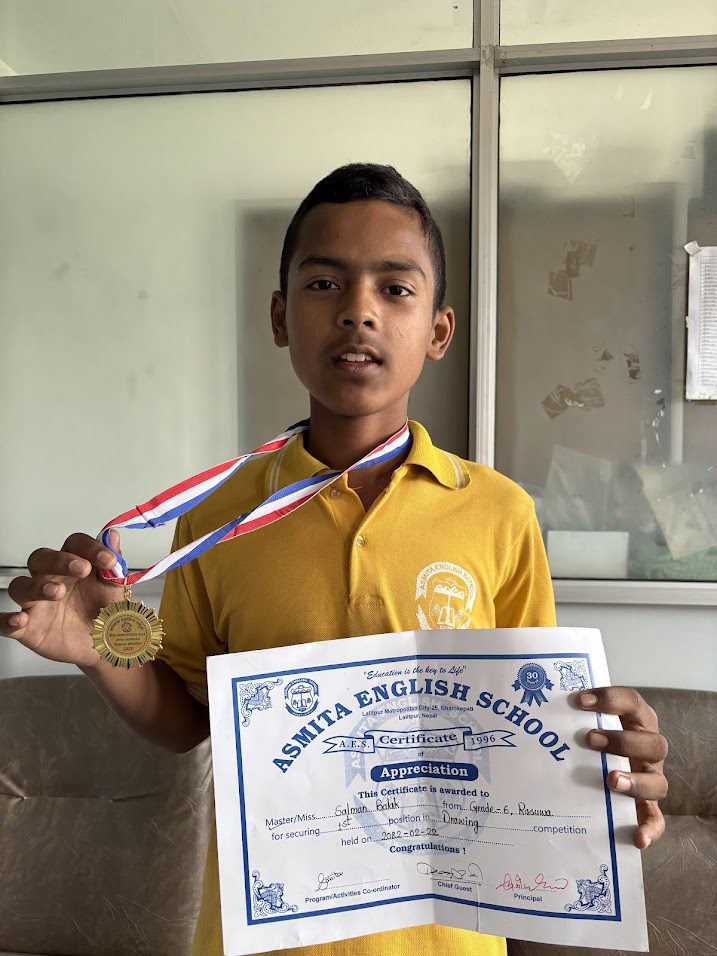
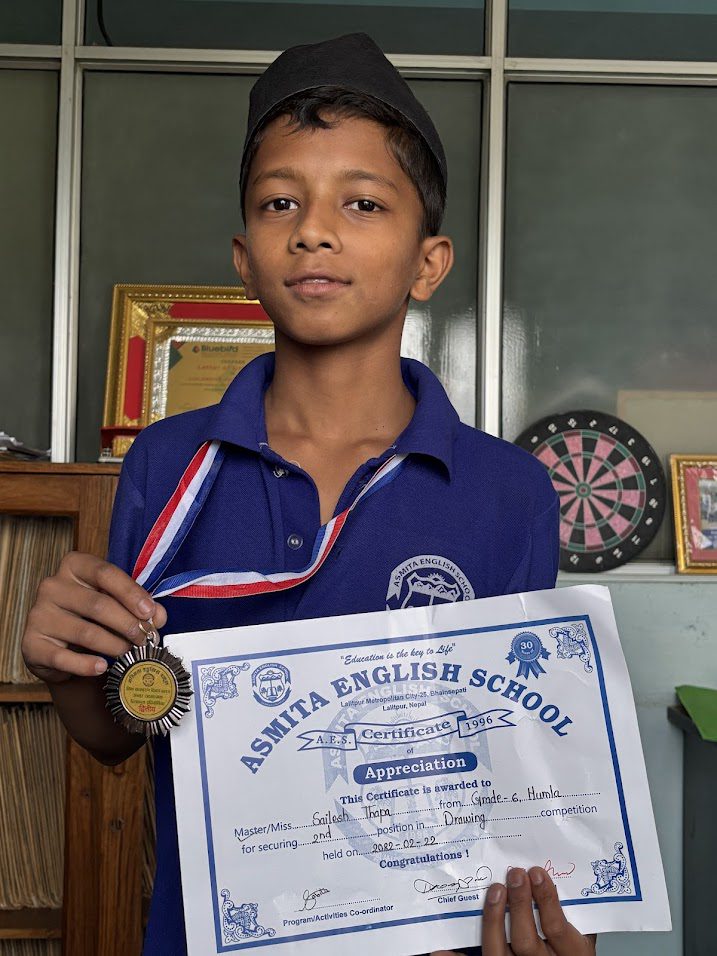
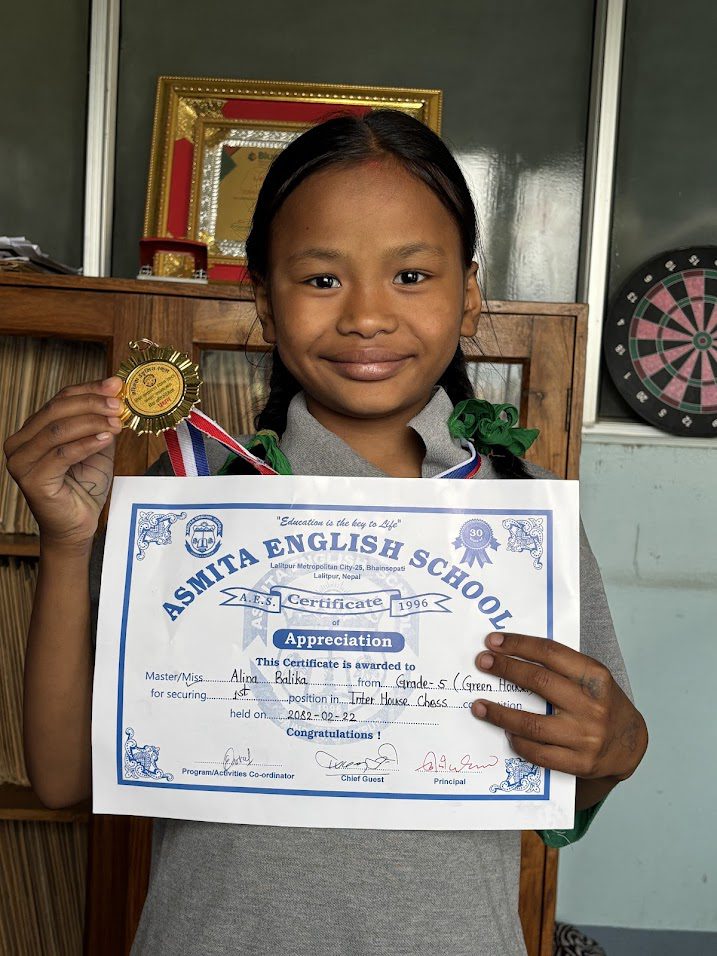
    Our children participated with enthusiasm and diligence, earning recognition for their outstanding performances. Alina secured first place in the inter-house chess competition, demonstrating exceptional strategic ability and focus. In the drawing competition, Salman won first place, and Sailesh was awarded second place. These accomplishments reflect both their individual capabilities and their thoughtful engagement with the day’s environmental focus.

    A Moment of Pride and Encouragement

    The participation of our children in both the awareness campaign and competitive events reflects their dedication to learning, environmental stewardship, and active citizenship. Their achievements bring pride to our home and stand as a testament to the impact of positive encouragement and educational opportunity. We extend our heartfelt congratulations to Alina, Salman, and Sailesh, and remain committed to supporting such meaningful experiences in the future.

    Photos of the Celebration

  • Monitoring Visit by Ward and Municipality Officials: Strengthening Operational Excellence at the Children’s Home

    Monitoring Visit by Ward and Municipality Officials: Strengthening Operational Excellence at the Children’s Home

    On 21st May 2025, representatives from the Ward Office and Municipality Office conducted an official monitoring visit to the Children’s Home as part of their annual oversight process. Beginning at approximately 11:30 AM, the visit aimed to assess progress on previously issued recommendations, evaluate current operational practices, and offer guidance to support ongoing improvements in care and administration.

    The monitoring team engaged in thoughtful discussions with staff members and older children to gain a firsthand understanding of daily routines, operational strengths, and persistent challenges. These interactions provided valuable insights into the effectiveness of recently implemented measures and helped identify opportunities for further enhancement.

    The key objectives of the visit included reviewing the implementation of feedback from the 2081 inspection, assessing the home’s overall environment—particularly in areas such as hygiene, child care, and staff coordination—and issuing recommendations to strengthen accountability, safety, and documentation procedures.

    During the visit, the officials noted a number of encouraging developments. Positive changes were observed in the cleanliness of the facility, improved coordination among caregiving staff, and more systematic record-keeping. The team commended these efforts and encouraged continued diligence in upholding high standards of care and management.
    To build on this progress, the monitoring team proposed several specific recommendations. In the area of documentation, they advised the introduction of a coding system for organizing child files, regular updates to structured staff records, the use of separate folders for counselling and medical documentation, and the maintenance of detailed staff attendance and duty logs. Further, they emphasized the importance of transparent documentation regarding staff benefits and the regular recording of minutes from meetings and training sessions related to child care and behavioral management.

    Regarding infrastructure and facilities, the team recommended securing the front gate, replacing the shoe rack and health room pillows, repairing or upgrading essential equipment and furniture, and clearly designating separate toilet facilities for children and adults.

    For communication and safety measures, suggestions included installing a complaint and suggestion box with proper record maintenance, holding monthly review meetings to address feedback, and laminating key notices and guidelines for visible display throughout the premises.

    The monitoring visit was both constructive and aligned with the Children’s Home’s mission to provide a safe, nurturing, and professionally managed environment. The recommendations shared were actionable, sustainable, and geared toward long-term improvement. The management team remains committed to implementing these suggestions promptly and effectively.

    We extend our sincere gratitude to the representatives from the Ward Office and Municipality Office for their time, guidance, and continued support. Their engagement affirms our shared commitment to improving the quality of care for the children entrusted to us.

    Photos of the Monitoring